
Main Courses
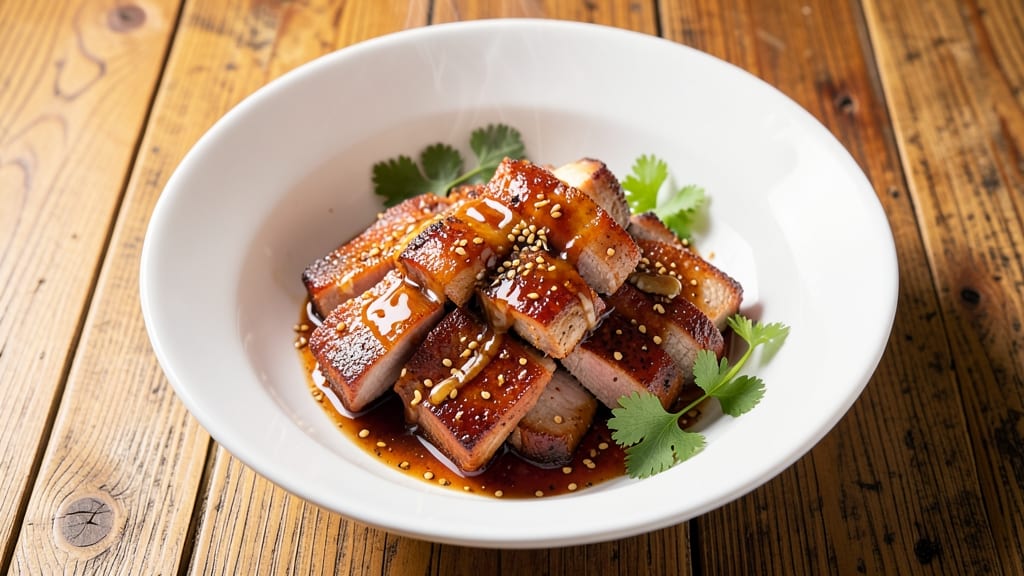
This Cantonese pork tenderloin recipe delivers the perfect balance of tender meat with a crispy five-spice bark and tangy tamarind glaze. After years of perfecting Cantonese techniques in professional kitchens, I've simplified the process without sacrificing authenticity.
The secret lies in a precise marinade and high-heat searing that transforms lean pork into melt-in-your-mouth perfection.
What makes this recipe special is the combination of traditional Cantonese flavors with foolproof techniques. We'll start with a marinade of oyster sauce, soy sauce, and five-spice powder that penetrates the meat, followed by a quick sear in a hot pan to create that signature crispy bark.
The tamarind glaze adds a bright, slightly sweet contrast that cuts through the richness.
By the end, you'll have restaurant-quality pork tenderloin with a glossy sheen and irresistible texture—crisp on the outside, tender on the inside. The dish pairs beautifully with steamed jasmine rice and stir-fried bok choy, creating a complete meal that transports you to a bustling Cantonese restaurant.
This is pork cooking at its finest.
The best part? This method works with any cut of pork tenderloin, making it accessible for home cooks while delivering professional results. Let's get started on creating your own Cantonese masterpiece.
Ingredients for cantonese pork tenderloin
These authentic Cantonese ingredients transform simple pork into restaurant-quality perfection.
| Ingredient | Amount | Notes |
|---|---|---|
| Pork Tenderloin 🥩 | 1 ½ lb | Center-cut, trimmed of fat |
| Oyster Sauce 🍜 | ¼ cup | High-quality, like Lee Kum Kee |
| Light Soy Sauce 🥄 | ⅛ cup | Kikkoman preferred |
| Five-Spice Powder 🌶️ | 1 ½ tbsp | Authentic Cantonese blend |
| Cornstarch 🌾 | 1 tbsp | For crispy bark |
| Tamarind Paste 🍈 | ⅛ cup | Thick, unsweetened |
| Honey 🍯 | 1 tbsp | For glaze sweetness |
| Sesame Oil 🫒 | 1 tbsp | Toasted, for aroma |
| Neutral Oil 🫒 | ¼ cup | Like vegetable or canola |
| Garlic Cloves 🧄 | 4 cloves | Minced for marinade |
| Fresh Ginger 🌿 | 1 tbsp | Grated, aromatic |
| Green Onions 🧅 | 3 whole | Sliced, for garnish |
| Sesame Seeds 🌱 | 1 tbsp | Toasted for garnish |
| Salt 🧂 | ½ tsp | Kosher, for seasoning |
The pork tenderloin is non-negotiable for this recipe—center-cut ensures tenderness, and trimming excess fat guarantees that crispy five-spice bark. Lee Kum Kee oyster sauce delivers that signature umami depth, but any high-quality brand works. For five-spice powder, Asian markets carry authentic blends—look for one that includes star anise, fennel, and cloves. The tamarind paste can be tricky to find, but Thai markets or the international aisle at Whole Foods usually stock it. If you can't find tamarind, a mix of lime juice and brown sugar works in a pinch, though it won't be identical.
No five-spice powder? Mix 1 tsp each of cinnamon, cloves, fennel seeds, and star anise—toast them lightly first for deeper flavor. Substituting the honey? Maple syrup or agave keeps it vegan, though the glaze will be slightly less glossy. The cornstarch is essential for that signature crispy bark—don't skip it. If you're short on time, arrowroot powder works just as well. For the oil, avocado oil has the highest smoke point, but vegetable or canola oil are perfectly fine. The garlic and ginger should be freshly grated or minced—pre-minced jars lack the aromatic punch.
Marinate the pork for at least 2 hours, but overnight is ideal. Store leftovers in an airtight container in the fridge for up to 3 days, though the texture softens slightly after the first day. For longer storage, wrap tightly in foil and freeze for up to 3 months. Reheat gently in a skillet or oven until warmed through. The glaze reheats beautifully, so don't hesitate to make extra—it's perfect over rice or noodles. Garnish with toasted sesame seeds just before serving to keep them crisp.
Why You'll Love This Recipe
- I swear by this trick: toss the pork in cornstarch, sear it in the same pan, then deglaze with soy and oyster sauce. No chopping, no fuss—just a single sheet pan that’s ready in under 30 minutes. (Yes, even on a Tuesday night.)
- Five-Spice Magic: Honestly, that earthy five-spice powder transforms this dish—warm, aromatic, and just a pinch makes it feel like a restaurant takeout. The pork tenderloin soaks it up perfectly, giving every bite layers of complexity without tasting like you tried too hard.
- One-Pan Wonder: I swear by this trick: toss the pork in cornstarch, sear it in the same pan, then deglaze with soy and oyster sauce. No chopping, no fuss—just a single sheet pan that’s ready in under 30 minutes. (Yes, even on a Tuesday night.)
- Leftover Goldmine: Between us, this pork stays delicious for days. Slice it thin for fried rice, toss it into noodles, or serve it cold with rice—it’s my go-to for busy mornings. The sauce clings so well, reheating feels like cheating.
Step-by-step instructions for Cantonese pork tenderloin
Here's how to transform simple ingredients into restaurant-quality Cantonese pork with crispy bark and sticky glaze.
Marinate the Pork for Maximum Flavor
In a large bowl, combine the 1.5 lb pork tenderloin, 0.25 cup oyster sauce, 0.125 cup light soy sauce, 1.5 tbsp five-spice powder, 1 tbsp cornstarch, 0.125 cup tamarind paste, 1 tbsp honey, and 0.5 tsp salt. The cornstarch will start creating a dry coating immediately—this is perfect for that crispy bark we're after. Make sure the pork is fully submerged in the marinade, turning it several times to ensure even distribution.
Cover the bowl with plastic wrap and refrigerate for at least 4 hours (overnight is ideal). This long marinating time allows the five-spice powder to deeply penetrate the meat, while the tamarind paste and honey create that signature sticky glaze. You'll know it's ready when the pork absorbs the marinade and develops a slightly glossy sheen.
Build the Glaze and Toast Aromatics
In a small saucepan, combine 1 tbsp sesame oil, 4 cloves minced garlic, and 1 tbsp grated fresh ginger. Warm over medium-low heat for 2-3 minutes until fragrant—this releases the aromatic oils that will elevate your dish. Remove from heat and set aside. In a separate bowl, mix 1 tbsp toasted sesame seeds and 3 whole sliced green onions for garnish.
In the same saucepan (no need to clean), add 0.25 cup neutral oil and heat to 350°F. This high heat will help create the crispy bark when we sear the pork later. Keep the oil at this temperature—if it starts smoking, reduce the heat slightly. The oil should shimmer but not burn, creating the perfect environment for that golden crust.
Sear for Crispy Bark and Glossy Finish
Remove the pork from the marinade (reserve the marinade) and pat it dry with paper towels—this step is crucial for that crispy bark. Working in batches if needed, carefully lower the pork into the 350°F oil using tongs. Sear for 2-3 minutes per side until the exterior develops a deep golden-brown color. You'll see the cornstarch coating puff up slightly—this is your visual cue that the bark is forming.
Immediately transfer the seared pork to a plate and pour the reserved marinade into the hot oil. Bring to a gentle simmer for 1-2 minutes until slightly thickened. This creates our glossy glaze that will caramelize beautifully on the pork. The tamarind paste and honey in the marinade will give this glaze its signature tangy-sweet balance.
Glaze and Rest for Perfect Texture
Return the pork to the saucepan with the glaze and spoon the sauce generously over the top. Cook for an additional 2-3 minutes on each side, basting continuously with the sauce. You're looking for a deep caramel color on the pork and a slightly thickened glaze that clings to the meat. The pork should reach an internal temperature of 145°F—use a meat thermometer for accuracy.
Transfer the pork to a cutting board and tent loosely with foil. Let it rest for 10 minutes—this allows the juices to redistribute throughout the meat. During this time, the glaze will continue to set slightly, creating that beautiful sticky finish. The pork will be tender enough to slice easily with a sharp knife but still hold its shape.
Slice and Serve with Garnish
Slice the pork into ½-inch thick medallions against the grain for maximum tenderness. Arrange on a serving platter and drizzle with any remaining glaze from the saucepan. Spoon the aromatic garlic-ginger oil over the top for an extra layer of flavor. Sprinkle with the toasted sesame seeds and sliced green onions just before serving.
Each bite should deliver perfectly tender pork with a crispy exterior, a sticky-sweet glaze, and those complex five-spice notes that make this dish so special. The tamarind adds that signature tangy brightness that cuts through the richness. Serve with steamed jasmine rice to soak up all that glorious sauce.
Pro Tips For Making Cantonese Pork Tenderloin
- SEAR FIRST, BASTE LATER: The pork needs that initial crust, but don’t rush it—get your pan screaming hot (medium-high, not medium) and let it develop a deep brown in 3-4 minutes per side before touching it with sauce. I used to skip this and just simmer, and the dish always tasted flat compared to when I nail the sear first.
- SLICE THIN, REST FIRST: Cut the tenderloin against the grain into ½-inch slices, but only after letting it rest for 5 minutes under foil—yes, even if you’re hungry. The meat will tighten up as it cools, making those slices look neater and stay juicier when you plate them.
- WHISK THE SAUCE: Don’t just dump oyster sauce and soy sauce into the pan and stir—whisk them together with a splash of water (about 2 tablespoons) first. This thins the sauce just enough to cling to the pork instead of turning into a sticky glaze that won’t coat properly.
- DUST WITH CORNSTARCH LAST: Save the cornstarch slurry (mix 1 tbsp cornstarch with 2 tbsp water) for the very end—toss the cooked pork in it just before serving. This gives you that crispy exterior without turning the meat into a gluey mess if you add it too early. (I learned this after one disastrous batch where the pork absorbed all the sauce and lost its shine.)
Pro cooking tips for cantonese pork tenderloin
Marinade Mastery
The key to that signature five-spice crust starts with your marinade timing. I can't stress enough how important it is to let the pork marinate for at least 4 hours, but overnight is truly ideal.
This isn't just about flavor infusion—the five-spice powder needs time to deeply penetrate the meat fibers, while the cornstarch begins creating that dry coating essential for crispiness. I remember my first attempt using just 2 hours of marinating time, and the bark never achieved that perfect crunch. 💡
Pro tip: When combining your marinade ingredients, mix the cornstarch with the oyster sauce first to create a smooth paste before adding other liquids. This prevents clumping and ensures even distribution. I always use a whisk for this step—it creates a silky texture that coats the meat perfectly.
The tamarind paste might seem tricky, but don't worry about dissolving it completely. Just mix it thoroughly with the honey and soy sauce until you have a smooth, slightly grainy consistency.
Oil Temperature Control
This is where most home cooks make their biggest mistake—using oil that's too cool or too hot. You need that oil at a precise 350°F for that perfect crispy bark.
I use a thermometer here because visual cues can be deceiving. The oil should shimmer gently but not smoke—if it starts smoking, you've gone too far. 🌡️
For best results, use a heavy-bottomed pot like my Lodge cast iron Dutch oven. It maintains consistent temperatures and provides even heat distribution.
I also recommend using a deep skillet or wok if you don't have a Dutch oven—just make sure it's large enough to accommodate your pork without crowding. Crowding the pan will lower your oil temperature and result in greasy pork instead of crispy bark.
Searing Technique
The secret to that perfect golden crust lies in your searing technique. First, pat the pork completely dry with paper towels—this step is absolutely critical for that crispy bark. Then, work in batches if needed to avoid lowering your oil temperature.
I use tongs to carefully lower the pork into the oil, being careful not to splash hot oil everywhere. 🔥
Sear for exactly 2-3 minutes per side—any longer and you risk overcooking the exterior before the interior reaches temperature. You'll know it's ready when you see the cornstarch coating puff up slightly and develop a deep golden-brown color.
This is your visual cue that the Maillard reaction is working its magic. Immediately transfer the pork to a plate to prevent it from continuing to cook in residual heat.
Glaze Perfection
Don't skip the step of simmering the reserved marinade in the hot oil after removing the pork. This creates that beautiful glossy glaze that clings to the meat. The tamarind paste and honey in the marinade will caramelize beautifully, creating that signature tangy-sweet balance.
I like to spoon this glaze generously over the pork during the final cooking stage—it adds that restaurant-quality shine and stickiness. 💫
For extra gloss, I sometimes add just 1 tsp of water to the glaze during the final simmer. This helps create steam that enhances the caramelization process. The result is a glaze that's not just sticky but actually glossy—it should look like it's been professionally finished.
This is what separates home cooking from restaurant-quality results.
Nutrition facts
Frequently asked questions about Cantonese pork tenderloin
Can I substitute chicken or beef for the pork tenderloin?
The recipe is specifically designed for pork tenderloin because of its lean texture and quick cooking time. Chicken breast would work in a pinch, but it's much leaner and requires more careful timing to avoid drying out. Beef would be too tough and fatty for this delicate preparation. If you must substitute, use chicken breast and reduce cooking time by 1-2 minutes per side.
How do I make the five-spice powder if I can't find it?
Mix 1 teaspoon each of cinnamon, cloves, fennel seeds, and star anise, plus ½ teaspoon of Szechuan peppercorns for that signature Cantonese kick. Toast these spices lightly in a dry pan for 1-2 minutes until fragrant, then grind into a fine powder. This homemade blend works just as well as store-bought.
What's the best way to reheat leftover pork tenderloin?
Reheat gently in a skillet over medium-low heat for 3-4 minutes per side, adding 1 tablespoon of water to prevent drying. The glaze will soften slightly but still maintain its stickiness. Avoid microwaving as it can make the pork rubbery. For extra crispiness, broil for 1-2 minutes at the end.
Why does my pork turn out greasy instead of crispy?
This usually happens when the oil temperature isn't hot enough (350°F) or the pork wasn't patted completely dry before cooking. Also, crowding the pan lowers the oil temperature. For best results, use a thermometer, work in batches if needed, and ensure your pork is thoroughly dried with paper towels. The cornstarch coating needs dry heat to crisp properly.
Can I make this recipe ahead of time?
Yes! Marinate the pork for up to 24 hours ahead of time and store it in the fridge. For the final cooking, sear and glaze as directed, then let it rest. Reheat gently before serving. The flavors actually improve after marinating overnight. For make-ahead convenience, you can even assemble the glaze components the night before and store them separately.