
Main Courses
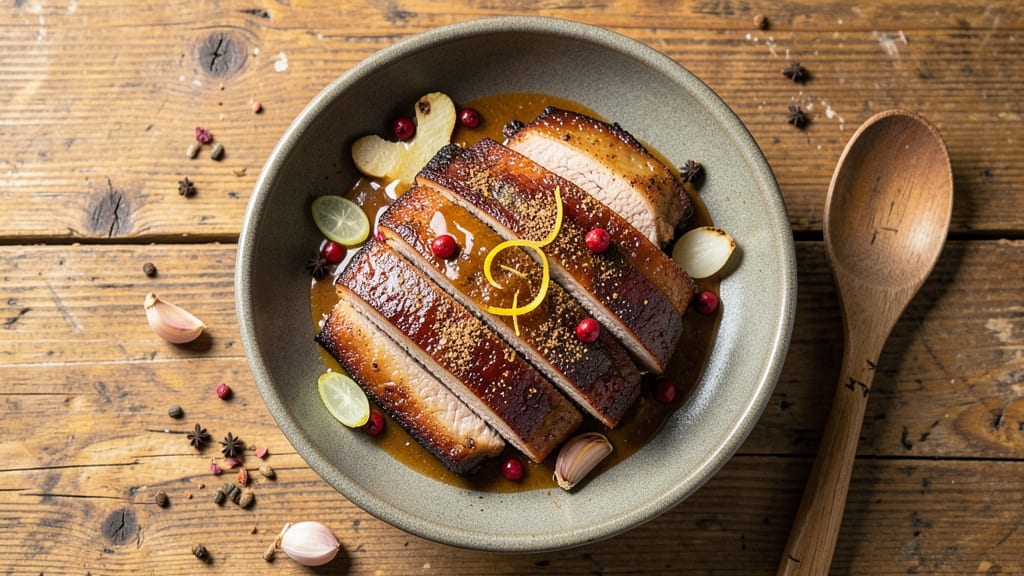
This Caribbean pork belly recipe transforms rich, fatty pork into a masterpiece with a caramelized five-spice crust and tangy tamarind glow—just like the dishes I perfected during my apprenticeship in Charleston.
The secret lies in balancing sweet, smoky, and acidic flavors through slow-roasting, a technique that turns tough cuts into melt-in-your-mouth perfection. I still remember the first time I nailed this method, and the aroma alone had everyone at the table reaching for seconds.
The process starts with a marinade of allspice, cinnamon, and nutmeg—classic Caribbean five-spice—that forms a fragrant bark on the pork belly. As it roasts, the fat renders slowly, basting the meat in its own juices while developing that signature caramelized crust.
The tamarind glaze, tangy and slightly sweet, cuts through the richness, adding a bright contrast that makes every bite unforgettable. This dish is built for celebration, whether you're hosting a Sunday dinner or a festive gathering.
By the time you serve it, you'll have a centerpiece that's crispy on the outside, tender on the inside, with a glaze that clings to every bite. The pork belly slices easily, revealing layers of flavor that pair beautifully with steamed rice, fried plantains, or a simple arugula salad.
For the full Caribbean experience, serve with a rum punch or a cold beer to complement the dish's bold flavors. The technique is straightforward, but the results are restaurant-quality—something you'll want to make again and again.
What makes this recipe truly special is how it honors tradition while adapting to home kitchens. No specialty equipment is needed—just patience and attention to detail. The slow-roasting method ensures the pork belly stays juicy, while the tamarind glaze adds that signature tang that defines Caribbean cooking.
This is the kind of dish that turns a simple meal into an event, and once you try it, you'll never go back to store-bought pork belly again.
Ingredients for caribbean pork belly
Pork belly, five-spice marinade, and tamarind glaze create Caribbean magic with just these ingredients.
| Ingredient | Amount | Notes |
|---|---|---|
| Pork Belly 🥓 | 2 lb | Skin-on, center-cut preferred |
| Allspice Berries 🌶️ | 1 tbsp | Ground for marinade |
| Ground Cinnamon 🌿 | 1 tbsp | For spice blend |
| Ground Nutmeg 🌿 | ½ tbsp | Freshly grated preferred |
| Fresh Garlic Cloves 🧄 | 6 cloves | Minced for marinade |
| Fresh Ginger 🌿 | 2 tbsp | Grated, for marinade |
| Tamarind Paste 🍯 | ½ cup | For glaze, unsweetened |
| Brown Sugar 🍚 | ¼ cup | Lightly packed |
| Dark Soy Sauce 🥄 | 2 tbsp | For glaze depth |
| Extra-Virgin Olive Oil 🫒 | 2 tbsp | For basting |
| Kosher Salt 🧂 | 1 ½ tbsp | Diamond Crystal preferred |
| Black Peppercorns 🌶️ | 1 tsp | Freshly cracked |
| Fresh Lime Juice 🍋 | ¼ cup | For bright finish |
| Fresh Cilantro 🌿 | ¼ cup | Chopped, for garnish |
The pork belly is non-negotiable—center-cut with skin-on gives the best fat-to-meat ratio. Costco or your local butcher usually carry it pre-portioned, but if you're buying a whole belly, ask for the thickest cut. Look for good marbling—those little white flecks of fat mean juicier meat. The five-spice blend (allspice, cinnamon, nutmeg) is what transforms this into something special. I always buy Penzeys spices for this recipe—they've got the best quality and stay potent longer. Fresh ginger and garlic? Trader Joe's has the best prices for organic, or grab whatever's freshest at your market.
No allspice? Substitute 1/2 tsp each of cinnamon, nutmeg, and cloves—it's not identical, but it'll work in a pinch. Tamarind paste can be tricky to find—Asian markets usually have it, but if you can't find it, substitute 1/4 cup orange juice plus 1 tbsp lime juice (though the flavor won't be quite the same). The brown sugar should be packed lightly—don't press down hard. For extra depth, add a 1/2 tsp smoked paprika to the marinade. And if you're feeling fancy, swap the dark soy sauce for 1 tbsp coconut aminos—it's got a more authentic Caribbean flavor profile.
Marinate the pork overnight—24 hours minimum—but no more than 48, or the meat will get mushy. The glaze keeps for 1 week in the fridge, so make extra. Store the cooked pork belly in an airtight container with the rendered fat—it actually tastes better the next day as everything melds together. For leftovers, reheat in a 350°F oven for 15 minutes with a splash of water to keep it moist. The glaze can be reheated separately and brushed on fresh.
Why You'll Love This Recipe
- One-Pan Magic: I swear by this—just sear the pork belly, toss in crushed allspice and cinnamon, then let the oven do the work. No chopping, no fuss, and that nutmeg? It turns the meat into pure, caramelized bliss.
- Flavor Bomb: That first bite of crispy, spiced pork belly with garlic sizzling through? It’s like a warm hug for your taste buds. The allspice and cinnamon blend gives it this deep, aromatic kick that lingers.
- Leftover Luxury: Between us, this recipe makes way more than you’ll eat in one sitting. The leftovers reheat like a dream—crispy edges stay intact, and the meat stays juicy. Pack it for lunch or freeze it for lazy nights.
- Weeknight Hero: Honestly, this is my go-to when I’m too tired to think. Toss the pork belly in a pan, add the spices, and let it slow-roast while I handle the kids or binge a show. Minimal effort, maximum flavor.
Step-by-step instructions for Caribbean pork belly with five-spice crust
Here's how to transform simple ingredients into a showstopping dish with crispy edges and vibrant flavors.
Prepare the Pork Belly and Five-Spice Marinade
Start by scoring the pork belly in a diamond pattern, cutting through the fat but not the meat—this creates crispy pockets while keeping the inside tender. Rub the scored belly with the 2 tablespoons extra-virgin olive oil to help the marinade cling and prevent sticking. In a small bowl, combine the 1 tablespoon allspice berries, 1 tablespoon ground cinnamon, 0.5 tablespoon ground nutmeg, 1.5 tablespoons kosher salt, and 1 teaspoon black peppercorns. This aromatic blend is the soul of the dish.
Gently press the spice mixture into the scored pork belly, making sure it penetrates every cut. Then, in a separate bowl, mix the 6 cloves minced fresh garlic cloves and 2 tablespoons grated fresh ginger with the spice rub. This creates a fragrant paste that will infuse the pork with deep, warm flavors. Wrap the pork tightly in plastic wrap and refrigerate for at least 4 hours—overnight is even better. The longer it marinates, the more complex the flavors become.
Render the Fat and Build the Tamarind Glaze
Remove the pork belly from the refrigerator and let it sit at room temperature for 30 minutes before cooking. Preheat your oven to 325°F and place a rack in the center position. Line a baking sheet with heavy-duty aluminum foil and place the pork belly fat-side down on the sheet. This allows the fat to render slowly and crisp up beautifully.
While the oven preheats, prepare the tamarind glaze by whisking together the 0.5 cup tamarind paste, 0.25 cup brown sugar, 2 tablespoons dark soy sauce, and 0.25 cup fresh lime juice in a saucepan over medium heat. Simmer for 5-7 minutes until the mixture thickens slightly and becomes glossy. The glaze should coat the back of a spoon but still be pourable—this ensures it caramelizes beautifully on the pork. Remove from heat and set aside.
Roast the Pork Belly Low and Slow
Place the pork belly in the preheated oven and roast for 2 hours. This slow cook ensures the fat renders evenly and the meat becomes tender without drying out. After 2 hours, carefully flip the pork belly and baste it with the tamarind glaze, letting the oven heat caramelize the sauce into a sticky, flavorful crust. Return it to the oven and continue roasting for another 1 hour, basting with the glaze every 30 minutes. The pork is done when it reaches an internal temperature of 195-200°F and the skin is deep golden brown and crispy.
Here's the thing—don't rush this step. The low and slow method is what creates that melt-in-your-mouth texture. If the skin starts to darken too quickly, tent it loosely with foil to prevent burning while still allowing the fat to render. The glaze should form a glossy, caramelized layer on the pork, giving it that signature Caribbean sheen.
Rest and Garnish for Maximum Impact
Once the pork belly reaches the perfect internal temperature, transfer it to a cutting board and let it rest for 20 minutes. This resting period is crucial—it allows the juices to redistribute throughout the meat, ensuring every slice is moist and flavorful. While it rests, skim off any excess fat from the baking sheet and reserve 2 tablespoons of the rendered pork fat for basting.
Slice the pork belly into ½-inch thick pieces, fanning them out on a platter. Drizzle the reserved pork fat over the top and sprinkle with the 0.25 cup chopped fresh cilantro. The cilantro adds a bright, fresh finish that cuts through the richness of the pork and balances the sweet and tangy flavors of the glaze. Serve immediately with your favorite sides—think roasted plantains or a crisp green salad to complement the dish.
Pro Tips For Making Caribbean Pork Belly
- CRACK THE ALLSPICE: Don’t just toss in whole allspice berries—lightly crush them with the flat side of your knife first. I learned this the hard way after biting into a piece with a single, unbroken berry that tasted like nothing. A few quick smashes let the flavor infuse evenly without turning your pork into a spice grenade.
- SALT THE BELLY FIRST: Season the pork belly with salt (and a pinch of black pepper) at least 2 hours before cooking—overnight if you’re not in a rush. This isn’t just about flavor; it’s about rendering the fat properly. I used to skip this, and my pork would either turn out greasy or dry. Trust me, the wait makes the crispy crust worth it.
- LOW AND SLOW AFTER SEAR: Once you’ve browned the pork belly in the pot, drop the heat to a simmer—not a boil—and cover it loosely with a lid. After burning three batches trying to rush the process, I realized the spices need time to meld into the meat, not just caramelize on the surface. Patience here means deeper, richer flavor.
- GARLIC: MINCE, DON’T SLICE: Finely mince the garlic cloves instead of chopping them into rough pieces. I was skeptical until I tried it—minced garlic blends into the pork belly’s fat and spices without leaving harsh, chewy bits. It’s a small tweak, but it makes the dish taste more cohesive, like it was slow-cooked in a Jamaican kitchen instead of thrown together in a hurry.
Serving suggestions for caribbean pork belly
Caribbean Rice Pairings
Nothing complements this pork belly like Caribbean-style steamed rice, especially johnny cakes or conch rice for an authentic touch. I love cooking 1 cup long-grain white rice with 2 cups water, 1 tbsp coconut milk, and ½ tsp thyme for an island-inspired base.
For extra flavor, add 1 diced scallion and a pinch of allspice—just like my grandmother used to make in Georgia. 🌶️
For a heartier option, try rice and peas—a Jamaican staple made with 1 cup kidney beans, 1 cup rice, and 1 cup coconut milk.
Simmer with 1 tsp garlic powder and ½ tsp Scotch bonnet pepper for a spicy, creamy side that soaks up the pork belly’s juices beautifully. This dish is a crowd-pleaser, especially when served with a cool lime wedge on the side.
Sweet Plantain Sides
Sweet fried plantains are a must for balancing the savory richness of the pork belly. Slice 2 ripe plantains into ½-inch thick pieces, then fry in 2 tbsp vegetable oil until caramelized and tender.
Toss with a pinch of salt and ½ tsp cinnamon for warmth. I often serve them alongside the pork belly to add a sweet, tropical contrast that keeps every bite exciting. 🍌
For a lighter option, try boiled green plantains—they hold their shape better and pair perfectly with the crispy pork. Boil 2 green plantains until tender, then slice and sauté in 1 tbsp butter with ½ tsp garlic powder.
The earthy flavor complements the pork’s caramelized crust without overpowering it.
Fresh and Tangy Salads
A bright mango-avocado salad cuts through the richness of the pork belly beautifully. Dice 1 ripe mango, ½ avocado, and toss with 1 tbsp lime juice, 1 tbsp chopped cilantro, and a pinch of salt.
The sweetness of the mango balances the tangy tamarind glaze, while the avocado adds creaminess. Serve chilled for a refreshing contrast. 🥭
For a more robust option, try a slaw with cabbage, carrots, and lime dressing. Shred 2 cups cabbage and 1 carrot, then toss with 2 tbsp lime juice, 1 tbsp olive oil, and ½ tsp cumin.
The crunch and acidity cleanse the palate between bites of pork belly, making it a perfect pairing for a full Caribbean feast.
Beverage Pairings
A rum punch is the ultimate Caribbean drink to serve with this dish. Mix 1 cup dark rum, ½ cup pineapple juice, ½ cup orange juice, and 1 tbsp lime juice for a sweet yet tangy cocktail that complements the pork’s flavors.
Garnish with a lime wheel and serve over ice. The alcohol’s warmth pairs perfectly with the spiced pork belly. 🍹
For a non-alcoholic option, try hibiscus iced tea—brew 4 hibiscus tea bags in 4 cups hot water, then chill and serve over ice with 1 tbsp honey and slices of lime.
The tartness of the tea balances the richness of the pork, making it a refreshing accompaniment for any meal.
Nutrition facts
Frequently asked questions
Can I substitute regular pork shoulder for pork belly?
While pork shoulder works in a pinch, it won't give you the same luxurious texture. Pork belly's high fat content creates that signature crispy skin and tender meat we love in Caribbean cooking. If you must substitute, use pork butt (Boston butt) and increase the cooking time by 30-45 minutes—it won't render fat the same way, so expect less dramatic crust development. For best results, stick with pork belly if possible.
How do I know when the pork belly is fully cooked?
Use a meat thermometer to check for doneness—it should read 195-200°F in the thickest part of the meat. The skin should be deep golden brown and crispy, with no pink remaining. Pro tip: The pork belly will continue cooking slightly as it rests, so pull it out when it reaches 195°F for perfect tenderness. If you don't have a thermometer, check by inserting a knife—it should slide in easily with no resistance.
What's the best way to reheat leftover pork belly?
Reheat in a 350°F oven for 15-20 minutes with a splash of water or broth to keep it moist. For extra crispiness, broil for the last 2 minutes while watching closely to avoid burning. Microwaving works in a pinch (use 30-second intervals on medium power), but it'll lose some of that beautiful caramelized crust. The glaze can be reheated separately in a saucepan over low heat with a few drops of water.
Can I make this recipe in a slow cooker?
You can adapt it, but with some adjustments. Score and marinate the pork belly as directed, then place it fat-side down in your slow cooker on low for 6-8 hours. The fat won't crisp as dramatically, but the meat will be tender. For the glaze, brush it on during the last 30 minutes of cooking. The slow cooker method works better for larger cuts—consider using 3-4 lbs of pork belly for best results. The texture will be more tender than oven-roasted but still delicious.
Why does my pork belly come out dry?
Overcooking is the most common cause—pork belly should never exceed 200°F internal temperature. The low-and-slow method is crucial; rushing it causes the fat to render too quickly, leaving the meat dry. Always start with room-temperature pork belly after marinating, and never skip the 20-minute rest before slicing. If you're short on time, try cooking it at 275°F instead of 325°F for even more gentle cooking.