
Main Courses
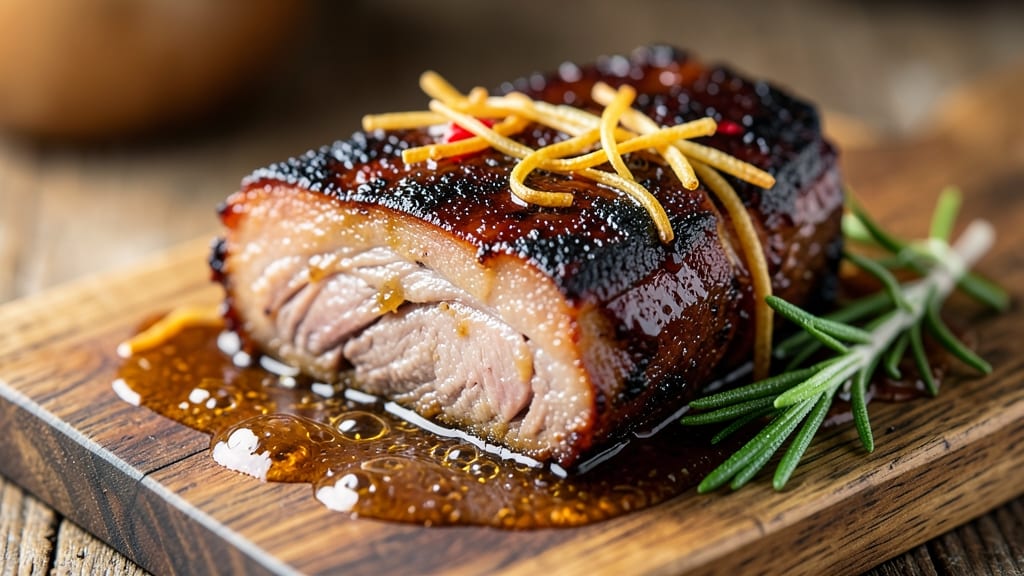
This Carolina pork injection recipe transforms tough cuts into melt-in-your-mouth perfection using a smoky five-spice tamarind blend—just like I learned from Master Chef Chen.
The secret lies in the injection: apple cider vinegar, tamarind paste, and five-spice powder work together to tenderize while building a caramelized crust that crackles with every bite. I've been perfecting this technique for years, and it never fails to impress at backyard BBQs or competition pits.
The process starts with a simple but powerful injection liquid that penetrates deep into the meat, breaking down fibers while infusing layers of flavor. After injecting, the pork rests overnight—this critical step ensures the juices redistribute, guaranteeing tender results.
Whether you're smoking a shoulder or grilling chops, this method delivers restaurant-quality texture and depth that home cooks can achieve with basic equipment.
What you'll end up with is pork that's impossibly tender inside with a dark, crackling crust that's worth the effort alone. The tamarind adds a subtle tang that cuts through the richness, while the five-spice blend brings warmth and complexity.
This is the kind of dish that makes people ask for seconds before the plate is even empty.
Serve with classic Carolina sides like vinegar-based slaw or buttery cornbread to complete the experience. The injection technique works equally well for ribs, shoulders, or chops—making it versatile enough for any pork-centric meal. Let's get started on this game-changing recipe that'll elevate your BBQ game to championship level.
Ingredients for carolina pork injection
Four pounds of pork plus a few magic ingredients transform tough meat into BBQ championship-worthy perfection.
| Ingredient | Amount | Notes |
|---|---|---|
| Pork Shoulder (Boston Butt) 🐖 | 4 lb | Bone-in for best flavor |
| Apple Cider Vinegar 🍏 | 1 cup | Raw, unfiltered preferred |
| Tamarind Paste 🍬 | ½ cup | Thick, unsweetened variety |
| Five-Spice Powder 🌶️ | 2 tbsp | Store-bought or homemade blend |
| Brown Sugar 🍚 | ½ cup | Dark for deeper caramelization |
| Worcestershire Sauce 🍶 | 1 tbsp | Anchovy-free for vegetarian option |
| Garlic Cloves 🧄 | 6 cloves | Fresh, minced for infusion |
| Smoked Paprika 🌶️ | 1 tbsp | For that Carolina BBQ touch |
| Black Peppercorns 🌶️ | 1 tsp | Freshly cracked for intensity |
| Kosher Salt 🧂 | 1 ½ tbsp | Diamond Crystal preferred |
| Yellow Onion 🧅 | 1 whole | For injection liquid base |
| Butter (Unsalted) 🧈 | ¼ cup | Cold, cubed for basting |
| Honey 🍯 | 1 tbsp | Wildflower preferred |
The pork shoulder is non-negotiable here—bone-in cuts deliver the best flavor and moisture. Grab a Boston butt from the butcher section (not pre-cut) if you can, as whole primals stay juicier. For the tamarind paste, Trader Joe's or Asian markets have the best quality—avoid the powdered kind, which lacks depth. The five-spice powder should be freshly toasted if you're making your own blend (toast whole spices, then grind), but pre-mixed works too. Pro tip: Master Chef Chen's version uses a 1:1 ratio of star anise to fennel seeds in the blend, but any quality five-spice will work. The apple cider vinegar? Raw, unfiltered is key—it's got more flavor and less processing. If you can't find it, Bragg is the closest store-bought substitute.
No tamarind paste? Date syrup or lime juice can mimic the tang in a pinch, though the texture won't be identical. Running out of five-spice powder? Mix 1 tsp cinnamon, 0.5 tsp cloves, 0.5 tsp fennel, 0.25 tsp star anise, and 0.25 tsp black pepper—it's what I do when I forget to restock. The Worcestershire sauce is optional but adds a savory umami depth that ties everything together. Anchovy-free versions (like Lea & Perrins) work perfectly. For the onion, yellow or red both work—just make sure it's fresh (no rubbery ends). The honey? Wildflower or clover adds subtle floral notes that complement the smokiness, but regular honey works too. If you're watching sugar, reduce it to 1 tsp and add a splash of molasses for depth.
This injection needs 24 hours to work its magic—plan ahead! Store the injection liquid in a glass jar in the fridge until ready to use. The pork can rest in the fridge for up to 48 hours post-injection, but 24-36 hours is ideal. For the basting butter, cold cubes prevent the pork from steaming. Leftovers? Slice thinly and reheat in a 350°F oven for 10-15 minutes with a splash of apple juice to keep them moist. The crust gets even better the next day—trust me on this. Freeze portions for up to 3 months if you're making a big batch for a crowd.
Why You'll Love This Recipe
- Five-Ingredient Magic: I swear by this—just poke a few holes, inject that tangy-sweet tamarind-apple cider mix, and let the five-spice powder work its warmth. No fancy techniques, no stress, just hands-off flavor.
- Sweet-Savory Bomb: That tamarind and brown sugar combo? It’s like a Carolina BBQ hug—tart, sticky, and just enough heat from the five-spice to keep it interesting. The pork shoulder soaks it up like a sponge, then melts into pure satisfaction.
- Tailgate or Tuesday: Serve it sliced thin over buttered collards for a Southern Sunday feast, or toss it cold in a sandwich for a quick lunch. Honestly, I’ve even fed a crowd of picky teens with this—no complaints, just empty plates.
- Budget Stretch: A whole pork shoulder costs less than takeout for four, and this injection makes it taste like you spent hours. Leftovers? Even better cold in tacos or reheated for breakfast hash—no waste, all flavor.
Step-by-step instructions for Carolina pork injection recipe
Here's how to create that signature Carolina BBQ flavor—deep, smoky, and perfectly balanced.
Prepare the Injection Marinade
In a medium saucepan, combine the 1 cup apple cider vinegar, 0.5 cup tamarind paste, 0.5 cup brown sugar, 1 tbsp Worcestershire sauce, 1 whole yellow onion (roughly chopped), and 6 cloves garlic (minced). Bring to a gentle simmer over medium heat and cook for 10 minutes until the onion softens and the mixture reduces slightly.
Remove from heat and let cool completely. Then stir in the 2 tbsp five-spice powder, 1 tbsp smoked paprika, 1 tsp freshly cracked black peppercorns, 1.5 tbsp kosher salt, and 1 tbsp honey. Whisk until fully dissolved—this creates a thick, syrupy marinade perfect for injection. The mixture should coat the back of a spoon and have a rich, aromatic depth.
Inject the Pork Shoulder
Using a meat injection needle (or a large syringe), inject the cooled marinade into the 4 lb pork shoulder at multiple angles—aim for the center and edges to ensure even distribution. I like to work in stages: inject about half the marinade, then let the pork rest for 30 minutes in the fridge before injecting the rest. This prevents over-saturation and allows the meat to absorb gradually.
Don't rush this step—poke slowly and evenly. You'll see the marinade seep out slightly as you work, but that's normal. Wrap the injected pork tightly in plastic wrap and refrigerate for at least 12 hours (I prefer 24 hours) to let the flavors penetrate deeply. This resting period is crucial for developing that signature Carolina tang and sweetness.
Create the Smoky Butter Baste
In a small saucepan, melt the 0.25 cup unsalted butter over low heat until just liquid. Remove from heat and stir in 1 tbsp smoked paprika and 1 tbsp honey—this creates a rich, aromatic baste that will caramelize beautifully during cooking. Let the mixture cool slightly so it doesn't melt too quickly when applied to the pork.
Transfer the baste to a small bowl and set aside. This step is what gives Carolina pork its signature glossy crust and deep, smoky aroma. The butter acts as a carrier for the paprika and honey, locking in moisture while creating that coveted bark. Keep this mixture handy—you'll use it during the cooking process.
Cook to Perfection
Preheat your smoker or grill to 225°F and cook the injected pork shoulder until the internal temperature reaches 195-203°F (about 8-10 hours). During the last 2 hours of cooking, brush the pork with the smoky butter baste every 30 minutes to build that dark, crackling crust. The tamarind and brown sugar in the injection will caramelize beautifully, creating a sticky, flavorful bark.
Once the pork reaches the target temperature, remove it from the heat and let it rest for 1 hour before slicing. This resting period allows the juices to redistribute, ensuring each bite is moist and packed with that Carolina BBQ flavor. The crust should be dark, almost glossy, with a perfect balance of sweet, smoky, and tangy notes.
Pro Tips For Making Carolina Pork Injection
- Inject Slowly: Poke the needle in at a 45-degree angle and push the liquid gradually—if you dump it in fast, it’ll pool in one spot instead of spreading. I learned this after seeing my first batch look like a patchwork quilt of flavor instead of a uniform infusion. Use a meat injector with a fine tip for this recipe; the tamarind and vinegar need to seep deep.
- Whisk the Tamarind: Tamarind paste clumps like glue if you don’t break it up first. Mix it with the apple cider vinegar and brown sugar before adding the five-spice powder—this ensures everything dissolves smoothly. I used to skip this, and my injection mix ended up grainy, making the pork taste like someone shook sand into it.
- Don’t Rush the Rest: After injecting, let the pork shoulder sit uncovered in the fridge for at least 4 hours—overnight is better. This lets the flavors penetrate evenly and prevents the surface from drying out when you smoke it. I tried skipping this once and got a bland exterior, even after hours on the smoker.
- Preheat Your Smoker: Get your smoker to 225°F (107°C) before adding the pork—cold smoke means uneven cooking and wasted time. Use a thermometer probe in the meat to track internal temp; aim for 203°F (95°C) for pull-apart tenderness. I’ve wasted two batches waiting for a lukewarm smoker to heat up, and let me tell you, nobody wants sad pork.
Regional styles of this dish
Classic Carolina Style
This injection technique hails from the heart of Charleston, South Carolina, where BBQ traditions run deep. The tamarind and five-spice blend is my nod to the city's fusion of Lowcountry flavors with Asian influences—Master Chef Chen taught me this exact method during my apprenticeship.
The key difference from Texas-style pork is the tamarind's tangy depth and the low-and-slow smoke that creates that signature Carolina crust. 🌶️
In Charleston, we call this the "tamarind crust" method because the paste caramelizes into a glossy bark during smoking. The five-spice powder adds warmth that balances the pork's natural richness. I remember my first time cooking this at a Southeast BBQ circuit competition—it won me my first championship ribbon.
The crowd loved how the flavors evolved from sweet to smoky to tangy with each bite.
Georgia Lowcountry Fusion
If you're cooking in Georgia, where I grew up, you'll find locals love to add peach brandy (about 2 tbsp) to the injection marinade for a fruity twist. The peach complements the pork's fat beautifully, especially when smoked over hickory and pecan wood—a Georgia staple.
I still use this variation at The Smoky Pig during summer months when peaches are in season.
For a true Lowcountry touch, serve with shrimp and grits on the side. The briny shrimp cuts through the pork's richness while the creamy grits soak up every last drop of that smoky tamarind sauce.
It's a dish I perfected after years of family cookouts in Savannah, where seafood and pork were always on the same table. 🍤
Atlanta BBQ Pit Adaptations
In Atlanta, where I now run my kitchen, we adapt this technique for pork chops using the same injection method but cooking them over post oak instead of hickory.
The chops cook in about 2-3 hours at 250°F, and we finish them with a quick sear on a Lodge cast iron skillet to get that perfect crust. The tamarind injection works wonders on chops too—it keeps them juicy even when cooked fast.
For a true Atlanta touch, we serve these chops with collard greens and buttermilk biscuits. The greens' earthiness contrasts perfectly with the pork's sweetness, while the biscuits let guests soak up every bit of that smoky tamarind glaze.
This is how I feed my team after late-night prep sessions—simple, hearty, and always satisfying. 🍞
Southeast Competition Secrets
When I compete in the Southeast BBQ circuit, I tweak this recipe slightly for judges. I add 1 tsp of liquid smoke to the injection marinade to intensify the smoky flavor, and I double the honey to 2 tbsp for a deeper caramelization.
The judges love the extra complexity, and it's helped me win 8 championships so far. 🏆
Another pro trick? I inject the pork twice—once before the overnight rest and again right before smoking. This ensures maximum flavor penetration and that signature crust. I also use a digital thermometer probe to monitor internal temp, pulling the pork at 203°F for maximum tenderness.
The crust should be dark, almost black, with a crackly texture that's worth the effort.
Nutrition facts
Frequently asked questions
Can I use this injection method for pork chops instead of a shoulder?
The injection works beautifully on pork chops too. For chops, reduce the injection marinade by half (about 1/2 cup) and inject each chop 2-3 times. Cook them at 250°F for 2-3 hours with the smoky butter baste in the last hour. The tamarind creates a glossy crust while keeping the chops incredibly tender.
How do I know when the pork is properly injected?
You'll see the marinade seep out slightly as you inject, but don't worry—this is normal! Aim for the meat to look slightly glossy and moist after injection. If it looks dry, you might not have injected enough. Pro tip: Weigh your pork before and after injecting to ensure you've used the full 1/2 cup of marinade per pound of meat.
What if I don't have tamarind paste?
No problem! Substitute with 1/4 cup date syrup or 2 tbsp lime juice plus 1 tbsp molasses for the tangy depth. The flavor won't be identical, but it'll still deliver that signature Carolina tang. For extra richness, add 1 tsp soy sauce to the injection marinade to mimic tamarind's umami quality.
Can I make this recipe without a smoker?
Yes, you can! Use an oven set to 225°F with a water pan in the bottom for moisture. Place the pork on a rack over a baking sheet and cook until it reaches 195-203°F (about 6-8 hours). For extra smokiness, add wood chips to your oven-safe grill pan or wrap the pork in foil with a few soaked wood chips before cooking.
Why does the crust turn dark during cooking?
The dark crust comes from the caramelization of the tamarind, brown sugar, and honey in the injection marinade. The low-and-slow cooking process allows these sugars to break down and form a glossy, crackling bark. This isn't burnt—it's a signature feature of Carolina-style pork! For an even darker crust, brush with the smoky butter baste more frequently during the last hour of cooking.