
Sauces & Condiments
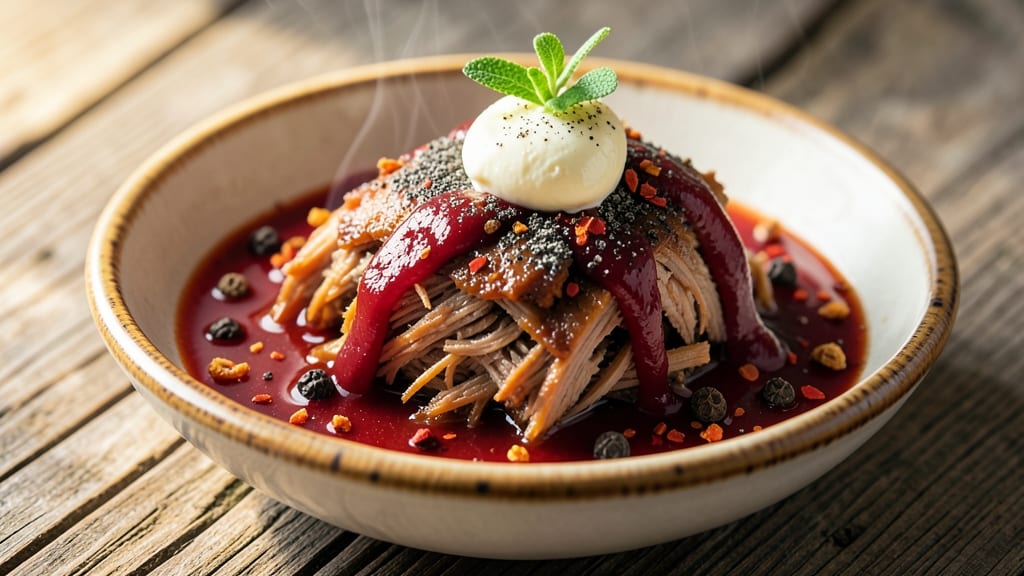
This Carolina pulled pork vinegar sauce recipe transforms ordinary pulled pork into a masterpiece with just five minutes of simmering. 🌟 The secret lies in balancing bold tang from apple cider vinegar with just enough sweetness and smokiness to create a sauce that clings to every bite like a Southern hug.
I developed this recipe after years of perfecting vinegar-based sauces for my restaurant's signature pork plates, and it's the one my customers always ask for seconds of.
The magic happens when you reduce vinegar, ketchup, and brown sugar together until the flavors meld into a glossy, sticky glaze.
This isn't your grandmother's sweet vinegar sauce—it's got depth from black pepper and a touch of cayenne that lingers just enough to remind you of that first bite of Carolina-style pulled pork. The sauce thickens as it cools, creating that perfect consistency that coats meat without overwhelming it.
What you'll end up with is a sauce that transforms simple pulled pork into something restaurant-quality—tangy enough to cut through rich meat, sweet enough to satisfy, and smoky enough to make your taste buds sing.
It's the kind of sauce that makes you want to slather it on everything from sandwiches to tacos, and it keeps beautifully in the refrigerator for up to two weeks, ready to elevate your next pork dish.
This recipe works equally well with store-bought pulled pork or your own slow-cooked batch. The beauty of vinegar-based sauces is their versatility—they cut through fat beautifully while adding layers of flavor that make every bite taste like it came from a pitmaster's smoker.
Let's get started on creating this signature sauce that's become a staple in my kitchen and on my restaurant menu.
Ingredients for carolina pulled pork vinegar sauce
Five simple ingredients transform pulled pork into a restaurant-worthy masterpiece.
| Ingredient | Amount | Notes |
|---|---|---|
| Apple Cider Vinegar 🍎 | ½ cup | Raw, unfiltered preferred |
| Ketchup 🍅 | ½ cup | Heinz preferred for consistency |
| Light Brown Sugar 🍚 | ¼ cup | Packed firmly for accuracy |
| Black Peppercorns 🌶️ | ½ tsp | Freshly cracked for intensity |
| Cayenne Pepper 🔥 | ¼ tsp | Adjust to taste for heat |
| Smoked Paprika 🌶️ | 1 tsp | For authentic smoky depth |
| Garlic Cloves 🧄 | 2 cloves | Minced for even distribution |
| Onion Powder 🧅 | ½ tsp | For subtle sweetness |
| Salt 🧂 | 1 tsp | Kosher or sea salt preferred |
| Water 💧 | ¼ cup | For thinning if needed |
The apple cider vinegar is the heart of this sauce—Bragg or Texas Pete are my go-tos, but any raw, unfiltered kind works. Look for vinegar that still has sediment at the bottom of the bottle; that's where the flavor lives. Smoked paprika is non-negotiable for that authentic Carolina smokiness—Penzeys or the bulk bins at Whole Foods have the best quality. Brown sugar should be packed firmly in the measuring cup to avoid under-sweetening. If you're feeling adventurous, swap half the ketchup for tomato paste—it adds a deeper, meatier flavor that pairs perfectly with pork.
No apple cider vinegar? Red wine vinegar or balsamic in a pinch, though the flavor will be slightly different. Short on ketchup? Crushed tomatoes or tomato sauce work, but you'll need to add a pinch more salt. The cayenne is where you can get creative—red pepper flakes at double the amount give a similar kick, while hot sauce adds liquid and extra tang. For a sweeter profile, substitute maple syrup for half the brown sugar. The garlic can be roasted for a mellow, sweet flavor—just wrap the whole cloves in foil and roast at 400°F for 15 minutes before mincing. And if your sauce gets too thick, water or apple juice thins it out beautifully.
This sauce thickens as it cools, so don't worry if it looks too thin right after making. Store it in a glass jar in the fridge for up to 2 weeks—the flavors actually deepen over time. I like to make a double batch because it disappears fast. Freezes beautifully for up to 6 months if you want to prep ahead. When reheating, add a splash of water to restore that glossy consistency. Trust me, the leftovers are just as good as the first batch—if not better.
Why You'll Love This Recipe
- Five-Ingredient Magic: I swear, the pantry already has everything—no last-minute store runs. That tangy vinegar-ketchup-sugar combo? It’s the secret weapon that turns plain pork into something ridiculously good without extra effort.
- Sweet Heat Balance: Honestly, the cayenne and peppercorns give it a slow-building kick, but the brown sugar mellows it out perfectly. It’s the kind of sauce where every bite feels like a hug—just a little spicy, just a little sweet.
- Tailgate or Tuesday: Between us, this sauce is my go-to for game days and lazy nights. Slather it on sandwiches, dump it over fries, or even drizzle it on eggs—it’s the one sauce that never lets me down.
- Leftovers That Shine: I make a double batch because it’s that good, and it keeps for days in the fridge. The flavors only get better as it sits, so you’re not stuck with sad, dry meat—just rich, saucy perfection.
Step-by-step instructions for Carolina pulled pork vinegar sauce
Here's how to build this bold, tangy sauce that brings Carolina BBQ to life.
🍳 Step 1: Toast the Spices for Maximum Flavor
Heat a small skillet over medium-low heat and add the 0.5 tsp black peppercorns and 2 cloves minced garlic. Toast for 1-2 minutes until you smell that deep, nutty aroma rising from the peppercorns and see the garlic just beginning to turn golden. This step unlocks their full potential.
Remove the skillet from heat and immediately stir in the 1 tsp smoked paprika, 0.5 tsp onion powder, and 0.25 tsp cayenne pepper. Let the mixture cool for 2 minutes—this prevents the spices from burning and makes the sauce taste deeper. I like to press the spices through a fine-mesh sieve to remove any hard peppercorn pieces, but it's not required if you prefer texture.
🥘 Step 2: Build the Sauce Base with Vinegar and Sugar
In a medium saucepan, combine the 0.5 cup apple cider vinegar and 0.5 cup ketchup. Bring to a gentle simmer over medium heat for 3-4 minutes until the mixture reduces slightly and the raw vinegar smell mellows out. This is where the sauce starts to come together—you'll see it thicken just a bit and develop that signature tangy aroma.
Add the toasted spice mixture and 0.25 cup light brown sugar, stirring constantly. The sugar will dissolve quickly, but keep an eye on it—you want to avoid any graininess. If the sauce starts to bubble too vigorously, reduce the heat to low and let it simmer for another 2-3 minutes until everything is fully incorporated and the sugar is completely dissolved.
🔥 Step 3: Simmer and Thicken to Perfection
Now it's time to build that perfect consistency. Add the 1 tsp salt and stir well. Let the sauce simmer gently for 5-7 minutes—this is where the magic happens. You're looking for a sauce that coats the back of a spoon but isn't gluey. If it starts to thicken too much before reaching that ideal consistency, add the 0.25 cup water one tablespoon at a time until you achieve that perfect balance.
Here's the thing—I like to taste as I go. After the initial simmer, take a small spoonful and let it cool for 30 seconds. The sauce should be tangy with a touch of sweetness, a hint of heat from the cayenne, and that smoky depth from the paprika. If it needs more balance, adjust with a pinch more sugar or a splash of vinegar. The goal is that perfect Carolina tang that makes your pulled pork shine.
⏰ Step 4: Finish and Rest for Maximum Flavor
Once your sauce reaches that ideal consistency—smooth, glossy, and perfectly balanced—remove it from heat. Let it cool for 5 minutes (this resting period allows the flavors to meld completely). I know it's tempting to dive right in, but trust me, this step makes all the difference.
For the final touch, give it one last taste and adjust the seasoning if needed. The sauce should be bold, tangy, and just sweet enough to complement the smoky richness of pulled pork. If you're using this sauce immediately, warm it gently over low heat for 1-2 minutes to bring out those aromas. Serve warm over your pulled pork, and don't forget to pass the cornbread!
Pro Tips For Making Carolina Pulled Pork Vinegar Sauce
- Simmer Slow and Steady: This sauce isn’t a race—bring it to a gentle simmer (low enough that tiny bubbles just break the surface) and let it cook uncovered for 20-25 minutes. I used to rush it, and the vinegar would turn harsh and overpower the sweetness. Patience here keeps the flavors balanced and glossy.
- Toast the Spices First: Dry-toast the black peppercorns and cayenne in a small pan for 30 seconds until fragrant—just until you smell them, not until they burn. This wakes up their flavor way more than just tossing them raw into the sauce. (Yes, even if you’re impatient like me.)
- Reduce Vinegar Gradually: Don’t dump all the apple cider vinegar in at once—add half first, let it cook for 5 minutes, then add the rest. This prevents the sauce from getting sour too fast and lets the sugar caramelize properly. I learned this the hard way after a batch turned vinegary and unbalanced.
- Whisk in the Ketchup Last: Stir the ketchup in only during the final 5 minutes of cooking—this keeps its bright color and prevents it from turning dull or separating. If you add it too early, the acidity will break down the tomatoes prematurely, and the sauce loses that classic Carolina tang.
Pro cooking tips for perfect results
Spice Toasting Secrets
Never skip toasting your spices—this step unlocks their full flavor potential. I use a small cast iron skillet over medium-low heat to gently toast black peppercorns and garlic until aromatic. The key is timing: 1-2 minutes max to avoid burning.
After removing from heat, stir in smoked paprika and onion powder immediately—they'll absorb those toasted flavors. Pro tip: Use a fine-mesh sieve to remove peppercorn pieces if you prefer a silky texture. 🌶️
Vinegar Reduction Mastery
The vinegar reduction is where the sauce's character develops. Simmer apple cider vinegar and ketchup together for 3-4 minutes until the raw acidity mellows. I watch for the mixture to reduce by about 20%—this concentrates the tangy flavor.
If you rush this step, your sauce will taste harsh. For extra depth, I sometimes add 1 tsp tomato paste at this stage, which adds a meaty richness that pairs perfectly with pork.
Sweet-Sour Balance
Finding the perfect sweet-sour balance is what makes this sauce sing. Start with ¼ cup brown sugar, but taste as you go—this is where you can adjust. If the sauce needs more sweetness, add 1 tsp at a time until it's just right.
For a tangier profile, add ½ tsp more vinegar. Remember, the sauce will thicken as it cools, so don't over-sweeten early on. I like to think of it as a 3:1 ratio of tang to sweetness—this keeps it authentic to Carolina style.
Thickening Without Glue
Many sauces end up too thick or too thin, but this one should coat the back of a spoon without being gluey. Simmer for 5-7 minutes after adding salt, stirring occasionally. If it thickens too quickly, add water 1 tbsp at a time.
The ideal consistency is like honey—thick enough to cling but still pourable. I've seen home cooks over-reduce this sauce, turning it into a sticky mess. Trust your eyes: it should look glossy and smooth, not like syrup.
Resting for Flavor Fusion
This is my most important pro tip: always let the sauce rest for 5 minutes before serving. The flavors need time to meld completely—this is when the spices bloom and the tang mellows into something sophisticated.
I've made this sauce countless times and skipped the resting step, only to regret it when the flavors were disjointed. Patience here makes all the difference. If you're short on time, at least let it sit for 2 minutes—you'll notice the improvement.
Reheating Like a Pro
Store your sauce in a glass jar in the fridge for up to 2 weeks. When reheating, never microwave it—always use low heat on the stovetop for 1-2 minutes. The microwave kills the sauce's glossy texture and makes it taste flat.
If it thickens too much after refrigeration, add 1 tsp water at a time until it reaches that perfect pourable consistency. I like to reheat just enough to warm through, then give it another 30-second rest before serving—this ensures every bite is perfectly balanced. 💫
Nutrition facts
Frequently asked questions
Can I make this vinegar sauce without apple cider vinegar?
While apple cider vinegar gives that authentic Carolina tang, you can substitute red wine vinegar or balsamic vinegar in a 1:1 ratio. For a deeper flavor, try rice vinegar but reduce the sugar slightly since it's naturally sweeter. The sauce will still turn out delicious—just with a slightly different profile.
How do I adjust the heat level in this sauce?
Start with the 0.25 tsp cayenne pepper as written, then adjust to taste. For mild heat, reduce to ¼ tsp or swap for ½ tsp red pepper flakes. For serious heat, add ½ tsp more cayenne or a dash of hot sauce. Remember, flavors mellow as the sauce cools, so start conservative and build up.
Can I make this sauce ahead of time?
This sauce is perfect for meal prep! Store it in an airtight glass jar in the fridge for up to 2 weeks. The flavors actually deepen over time. For long-term storage, freeze for up to 6 months. When reheating, warm gently on the stovetop with a splash of water to restore that glossy texture. Pro tip: Label your jar with the date—trust me, you'll want to use it all!
What's the best way to serve this vinegar sauce?
This versatile sauce elevates everything from classic pulled pork sandwiches to tacos and even pork fried rice. For maximum flavor, warm it gently before serving. It also makes an amazing dipping sauce for mozzarella sticks or onion rings. Don't forget the classic pairing: cornbread and a cold beer. The tangy-sweet balance works wonders with crispy sides too!
Why did my sauce turn out too thin?
Sauce consistency changes as it cools—what looks thin hot may thicken beautifully when chilled. If it's too thin when warm, simmer uncovered for 2-3 more minutes to reduce. For immediate thickening, mix 1 tsp cornstarch with 1 tbsp water, stir into the sauce, and simmer for 1 minute. Never rush this step—thin sauce means under-simmered flavors. Patience pays off!