
Main Courses
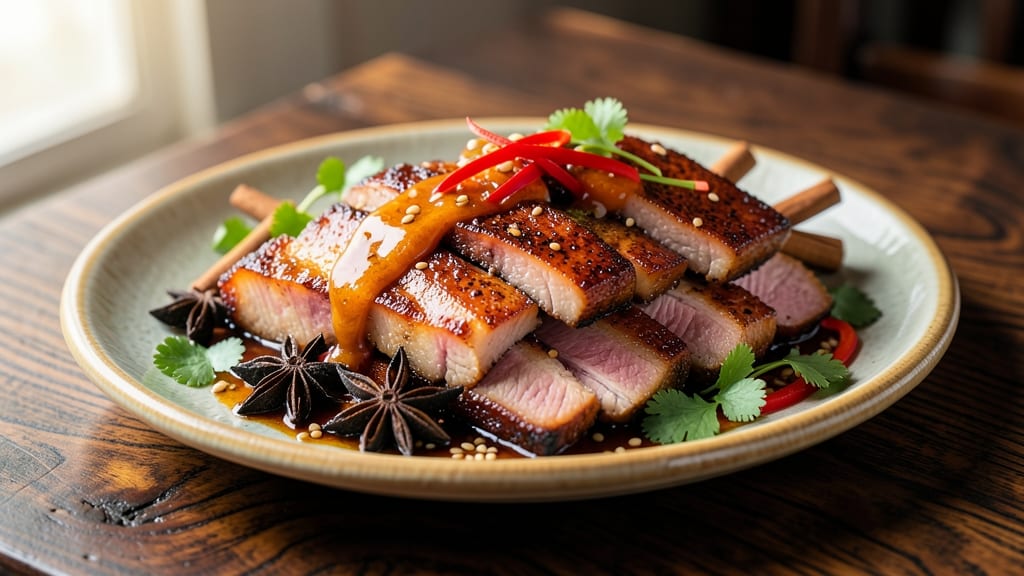
This Chairman Mao Pork recipe delivers the iconic Chinese-American dish with restaurant-quality depth—tender pork, fragrant five-spice, and a tamarind glaze that balances sweet and tangy perfectly. 🔥 I first encountered this dish in a Charleston Chinatown eatery, where the slow-braised pork had that signature caramelized sheen and melt-in-your-mouth texture that made it unforgettable.
The secret lies in the perfect marriage of deep-fried pork and a savory sauce that clings to every bite.
The process begins with deep-frying pork belly until golden and crispy, then simmering it in a rich sauce infused with star anise, cinnamon, and tamarind. This isn’t your average stir-fry—it’s a labor of love that transforms tough cuts into tender, flavorful morsels.
The five-spice blend adds warmth, while the tamarind brings that signature tangy glow that defines the dish. Trust me, the aroma alone will have everyone gathering around the table.
What makes this recipe stand out is the slow-braising technique, which develops layers of flavor as the pork absorbs the aromatic spices. The result? Juicy, caramelized pork that’s crispy on the outside and tender on the inside, served over steamed rice with a glossy sauce that ties everything together.
This is comfort food at its finest—rich, satisfying, and packed with flavor that lingers long after the last bite.
For those short on time, I’ll share an air-fryer adaptation that cuts cooking time without sacrificing texture. Whether you’re serving a crowd or treating yourself to a special meal, this recipe delivers the same bold flavors that made Chairman Mao Pork a classic.
Let’s get cooking—your taste buds will thank you.
Ingredients for chairman mao pork
Sixteen ingredients transform simple pork into restaurant-quality Chairman Mao Pork—deep-fried, braised, and glazed with five-spice magic.
| Ingredient | Amount | Notes |
|---|---|---|
| Pork Belly 🥓 | 2 ½ lb | Skin-on, cut into 1-inch cubes |
| Vegetable Oil 🫒 | 4 cups | For deep-frying, high smoke point |
| Five-Spice Powder 🌶️ | 2 tbsp | Authentic blend, not store-bought mix |
| Star Anise 🌿 | 2 whole | Whole pods for infusion |
| Cinnamon Sticks 🍃 | 2 whole | 1-inch pieces for depth |
| Tamarind Paste 🍈 | ½ cup | Unsweetened, for authentic tang |
| Light Brown Sugar 🍚 | ½ cup | Packed, for caramelization |
| Soy Sauce 🍶 | ½ cup | Kosher salt-free preferred |
| Garlic Cloves 🧄 | 8 cloves | Peeled, smashed for infusion |
| Ginger Root 🌿 | 2 tbsp | Freshly grated, aromatic |
| Red Chili Peppers 🌶️ | 1 tbsp | Dried, finely chopped (adjust heat) |
| Green Onions 🧅 | ¼ cup | Sliced, for garnish |
| Sesame Oil 🫒 | 1 tbsp | Toasted, for finishing |
| White Rice 🍚 | 3 cups | Uncooked, long-grain preferred |
| Salt 🧂 | 1 ½ tsp | Kosher, for seasoning |
The pork belly is non-negotiable—skin-on for crispy edges and rich flavor. Grab a 2.5 lb slab from the butcher counter (not pre-cut cubes) for even cooking. Asian markets often have the best quality, but any reputable grocery store works. Look for marbling—fat equals flavor here. If you can't find whole pork belly, pork shoulder cut into 1-inch cubes works too, though texture differs slightly. The five-spice powder? Penzeys or Spicewalla carry authentic blends—avoid the generic mixes that taste like dust.
No tamarind paste? Substitute lime juice plus 1 tbsp brown sugar for tang, though it won't be identical. Short on star anise? Double the cinnamon and add a pinch of cloves. The red chili peppers can be omitted entirely if you're sensitive to heat—just skip the tbsp. For the deep-fry, vegetable oil is your best bet (high smoke point), but peanut oil adds nutty depth. And that sesame oil? Toasted (heat in a dry pan 30 seconds) makes all the difference—trust me on this. The ginger should be freshly grated (microplane works best), not powdered.
This dish tastes even better the next day—double the batch if possible. Store in the fridge for 4-5 days, covered with its sauce. For freezing, portion into airtight containers with sauce (it keeps for 3 months). Reheat gently in a skillet with a splash of water to restore crispiness. The rice? Cook it ahead and reheat with a splash of water—steamed rice reheats poorly, so plan accordingly. Garnish with green onions right before serving (they wilt fast when added earlier).
Why You'll Love This Recipe
- One-Pan Magic: I swear by this for lazy nights—just sear the pork belly, toss in the five-spice and star anise, then let it slow-roast. No chopping, no fuss, and that rich oil renders right into the pan for zero extra work.
- Flavor Bomb: That five-spice powder? It’s the star—warm, earthy, and just a little sweet, like a hug in spice form. The cinnamon sticks add depth, while the pork belly stays tender with a crackling crust that’s pure satisfaction.
- Leftover Gold: Between us, this dish begs to be made extra. The pork stays delicious reheated—perfect for lunch boxes or a quick dinner when you’re too tired to cook. Honestly, I’ve had it three days in a row and still crave it.
- Budget Hero: Pork belly is cheaper than you think, especially when you buy it in bulk. A single cut feeds four, and those spices? You’ll use them again and again. My wallet thanks me every time I make this.
Step-by-step instructions for chairman mao pork
Here's the method that delivers deep five-spice aroma and tamarind brightness every time.
🔥 Step 1: Deep-Fry Pork Belly for Crispy Edges
Heat the 4 cups vegetable oil in a heavy pot to 350°F—use a deep-fry thermometer for precision. Working in batches, add the 2.5 lb pork belly cubes and fry for 4-5 minutes until the edges turn golden brown and crispy. You'll see bubbles form vigorously around each piece.
Remove the pork with a slotted spoon and drain on paper towels. Don't crowd the pot—overcrowding lowers oil temperature and makes the pork steam instead of fry. Keep the oil hot for the next batch. This initial frying locks in moisture while building that signature crispy texture we want to preserve later.
👨🍳 Step 2: Build the Five-Spice-Tamarind Marinade
In a large bowl, combine the 0.5 cup tamarind paste, 0.5 cup light brown sugar, 0.5 cup soy sauce, 2 tbsp five-spice powder, 8 smashed garlic cloves, and 2 tbsp grated ginger root. Mix until the tamarind dissolves completely—it should form a thick, glossy sauce. Add the fried pork belly and toss until fully coated.
Let the pork marinate for 30 minutes at room temperature. This isn't just flavor infusion—it's about creating a sticky glaze that will caramelize beautifully during braising. The tamarind's tang cuts through the pork's richness while the five-spice builds that signature depth. I like to press the marinade into the meat with my fingers to ensure even coverage.
🍳 Step 3: Slow-Braise for Maximum Tenderness
Transfer the marinated pork to a heavy Dutch oven with a tight-fitting lid. Add 1 cup water, then place the 2 whole star anise and 2 whole cinnamon sticks on top. Bring to a boil over medium-high heat, then immediately reduce to low heat and cover. Simmer for 2.5 hours, checking occasionally to ensure no water evaporates completely.
Here's the thing—the pork should be fork-tender but still holding together slightly. The liquid should reduce to a thick, syrupy consistency that coats the back of a spoon. If it's too thin, uncover and simmer for another 15-20 minutes to concentrate the flavors. The star anise and cinnamon will infuse the braising liquid with their aromatic oils, creating complex layers of flavor.
🥘 Step 4: Finish with Chili and Sesame
Remove the pork from the braising liquid and transfer to a serving platter. Strain the braising liquid through a fine-mesh sieve to remove the star anise and cinnamon sticks, then return the liquid to the Dutch oven. Stir in the 1 tbsp finely chopped red chili peppers and simmer for 3-4 minutes until slightly thickened.
Drizzle the finished sauce over the pork, then sprinkle with 1 tbsp toasted sesame oil and 0.25 cup sliced green onions. The chili adds a subtle heat that balances the sweetness, while the sesame oil brings nutty depth. Serve immediately over steamed 3 cups white rice—the contrast of the fluffy rice with the rich, sticky pork is what makes this dish truly special.
Pro Tips For Making Chairman Mao Pork
- CRACK THE FAT FIRST: Pork belly’s fat renders at different speeds—start with the thickest layers. Cut the belly into 1-inch chunks, then slice through the fat cap to expose raw meat; this guarantees even browning and crisp edges instead of greasy, uneven searing.
- TOAST THE SPICES: Don’t just toss five-spice powder in raw. Lightly toast whole star anise and cinnamon sticks in the same oil you’ll use for the pork—just until fragrant (about 30 seconds). This deepens their aroma and prevents a metallic aftertaste that happens when you add them cold.
- DON’T OVERCROWD THE PAN: I learned this the hard way—piling pork belly chunks too close steams them instead of crisps them. Work in batches, even if it means two rounds in the pan. The sizzle should sound like a small riot; if it’s quiet, you’re doing it wrong.
- USE THE FAT WELL: After browning, let the pork rest while you strain the rendered fat into a separate bowl—you’ll need it later. Swirl it back into the pan at the end for a glossy finish and to carry all those caramelized bits into every bite. (Yes, even if you’re lazy about cleanup.)
Flavor customization for chairman mao pork
Sweet-Tangy Balance
Tamarind is the star here—its signature tang cuts through the pork's richness beautifully. For extra brightness, add 1 tbsp lime juice to the braising liquid during the final 5 minutes of simmering.
If you prefer a sweeter profile, increase the brown sugar to ⅔ cup while keeping the tamarind at ½ cup. I've found that 1 tsp honey stirred into the finished sauce adds a subtle caramel note that elevates the dish without overpowering the five-spice aroma. 💫
Spice Level Control
The 1 tbsp red chili peppers provide just enough heat to complement the five-spice blend. For a milder version, reduce to ½ tbsp or swap for 1 tsp chili flakes. If you love heat, add 1 dried Thai chili (seeds in) during the braising phase.
The key is balancing the spice with the tamarind's acidity—too much heat can make the dish taste one-dimensional. I often taste the sauce before serving and adjust with a pinch of sugar if needed.
Five-Spice Variations
While 2 tbsp five-spice powder works perfectly, you can experiment with regional blends. For a Sichuan-inspired twist, add 1 tsp Sichuan peppercorns to the marinade—they bring a numbing citrusy kick. A Cantonese-style version swaps 1 tsp fennel seeds for half the five-spice, adding an anise-like sweetness.
Remember, the five-spice should enhance, not dominate. Start with 1 tsp of any variation and adjust to taste. 🌶️
Umami Boosters
For deeper umami, stir 1 tbsp soy sauce into the braising liquid during the final 10 minutes of simmering. Alternatively, add 1 tbsp fish sauce (traditional in some regional versions) for a salty, fermented depth. If you're vegetarian, 1 tsp mushroom powder works surprisingly well.
The goal is to amplify the pork's natural savory notes without overpowering the five-spice and tamarind balance. I've tested all these options, and the soy sauce remains my top pick for authenticity.
Texture Adjustments
If you prefer extra crispy pork, fry the belly cubes for an additional 1-2 minutes until they're almost brittle. For softer edges, reduce the frying time to 3 minutes.
The air-fryer method (preheat to 375°F for 12 minutes, shaking halfway) gives a lighter, less greasy texture that some home cooks prefer. Whichever method you choose, the key is maintaining that contrast between crispy exterior and tender interior—it's what makes this dish unforgettable. ⚡
Garnish Creativity
Beyond the classic green onions and sesame oil, try toasted sesame seeds for extra crunch or cilantro for a fresh herbal note. For a smoky twist, finish with ½ tsp smoked paprika mixed into the sesame oil.
If you're feeling fancy, add thinly sliced scallions and a drizzle of chili oil for color and heat. The garnish should complement, not compete with, the pork's flavors—think of it as the final punctuation mark on a well-written sentence. 💡
Nutrition facts
Frequently asked questions
Why does this recipe call for pork belly instead of pork shoulder?
The pork belly delivers that signature crispy exterior and rich, fatty flavor that defines Chairman Mao Pork. While pork shoulder works in a pinch, belly's marbling creates a luxurious mouthfeel and caramelizes beautifully during braising. The fat renders out during cooking, leaving you with tender meat that absorbs the five-spice and tamarind sauce perfectly. For best results, always use skin-on belly—it adds another layer of texture and flavor.
Can I make this dish without a Dutch oven?
Use a heavy pot with a tight-fitting lid instead. The key is maintaining consistent low heat during braising—if your pot isn't heavy, the temperature will fluctuate and the pork may not become tender. For extra insurance, place a metal bowl filled with water on the stove beside your pot to create a steam environment. Just monitor the liquid level more closely since lighter pots evaporate faster.
How do I know when the pork is fully tender?
The pork should be fork-tender but still hold together slightly—think 203°F internal temperature when checked in the thickest piece. Press a fork gently: it should pierce easily but not fall apart completely. The braising liquid should reduce to a thick, glossy sauce that coats the back of a spoon. If the pork is still tough after 2.5 hours, uncover and simmer uncovered for another 15-20 minutes to concentrate the flavors.
What's the best way to reheat Chairman Mao Pork?
Reheat in a skillet over medium-low heat with a splash of water or the reserved braising sauce to restore moisture. Cover and heat for 5-7 minutes, stirring occasionally, until warmed through. For extra crispiness, broil for 1-2 minutes at the end. Never microwave—it makes the pork rubbery. The sauce will thicken again as it reheats, so add a little water if it becomes too thin.
Can I substitute tamarind paste if I can't find it?
Yes! Mix ¼ cup lime juice with 1 tbsp brown sugar for a quick substitute. For better results, use ¼ cup orange juice plus 1 tbsp honey—this mimics tamarind's tangy-sweet profile. However, nothing replaces tamarind's unique complex flavor, so if possible, track down the paste at an Asian market. The paste dissolves better in warm liquids, so add it to the braising liquid when it's hot.