
Sauces & Condiments
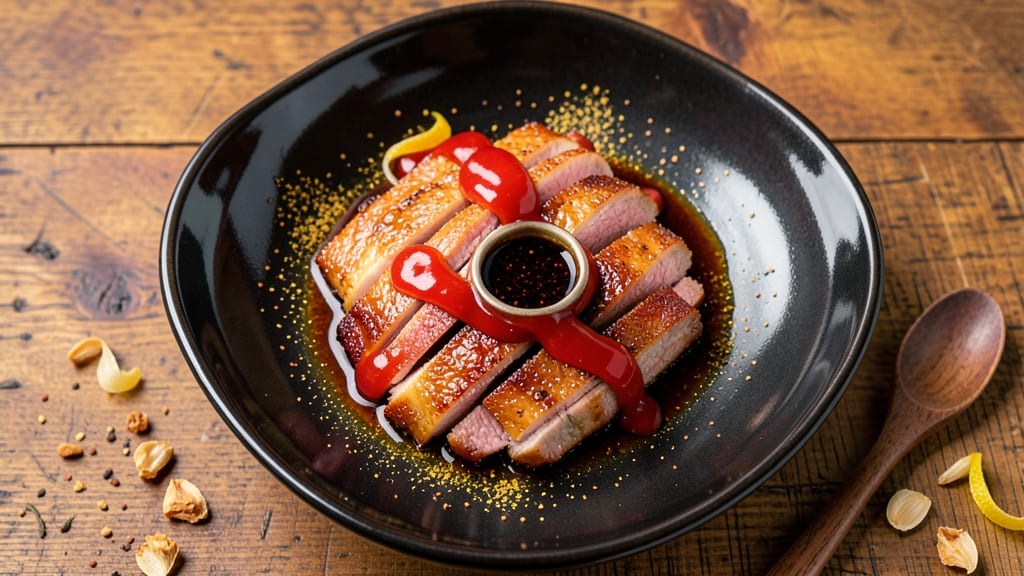
This char siu pork marinade recipe transforms ordinary pork into restaurant-quality sweet, sticky perfection—just like the Cantonese roast pork you crave. The secret lies in fermented honey and five-spice powder, which create that signature caramelized crust and aromatic depth.
I developed this marinade after years of perfecting my own version of char siu, balancing sweetness with savory umami for a flavor profile that's both bold and complex.
The marinade works its magic through a 4–24 hour fermentation process, where the ingredients meld into a glossy, syrupy glaze that clings to the meat. Hoisin sauce provides the signature tangy-sweet base, while soy sauce and rice wine add depth.
Five-spice powder brings warmth, and a touch of fermented bean paste (or miso) ensures that rich, savory backbone that makes this marinade truly special. This isn't just a marinade—it's a flavor transformation.
What you'll achieve is pork with a glossy, caramelized crust that cracks into sticky, sweet shards when sliced, revealing tender, juicy meat underneath. The aroma alone—smoky, sweet, and slightly funky from the fermentation—will have your kitchen smelling like a bustling Hong Kong dim sum stall.
This marinade is designed to be made ahead and stored in the refrigerator for up to 2 weeks, so you can always have it ready for last-minute feasts.
Whether you're preparing for a family gathering, a holiday spread, or just craving that perfect bite of char siu, this marinade delivers restaurant-quality results with minimal effort. The key is patience—letting the flavors develop fully ensures every bite is packed with that signature char siu glow.
Let's get started on creating your own signature marinade that'll have everyone asking for seconds.
Ingredients for char siu pork marinade
Nine essential ingredients create this restaurant-quality char siu marinade with sticky, caramelized magic.
| Ingredient | Amount | Notes |
|---|---|---|
| Hoisin Sauce 🍶 | ½ cup | Store-bought or homemade for authenticity |
| Fermented Honey 🍯 | ⅓ cup | Substitute with honey + 1 tsp vinegar |
| Light Soy Sauce 🥄 | ⅓ cup | Kikkoman preferred for balance |
| Rice Wine 🍷 | ¼ cup | Dry sherry substitute if unavailable |
| Five-Spice Powder 🌶️ | 2 tsp | Homemade blend for best results |
| Fermented Black Bean Paste 🫘 | 2 tbsp | Substitute with miso paste if unavailable |
| Garlic Cloves 🧄 | 6 cloves | Minced for even distribution |
| Fresh Ginger 🌿 | 1 tbsp | Finely grated, fresh preferred |
| Sesame Oil 🫒 | 1 tbsp | Toasted for nutty aroma |
| Cornstarch 🌾 | 1 tbsp | For thickening marinade |
Fermented honey is the game-changer here—Asian grocery stores carry it, or blend honey with vinegar as a substitute. For five-spice powder, Penzeys Spices makes a stellar blend, but any quality brand works. The fermented black bean paste adds that deep umami punch—Trader Joe's carries it, or use miso in a pinch. Garlic and ginger should be fresh; pre-minced jars lose potency fast. Sesame oil adds aroma, but toast it first in a dry pan for 30 seconds to deepen its flavor—trust me on this.
No fermented honey? Honey plus 1 teaspoon of apple cider vinegar mimics the tang. Substitute rice wine with dry sherry or even a splash of white wine vinegar if needed. The cornstarch is key for that signature glossy crust—don't skip it. For a quicker version, reduce fermentation time to 4 hours, but 24 hours develops maximum flavor. The hoisin sauce can be homemade (simmer soy sauce, vinegar, and sugar) if you're feeling ambitious, but La Choy or Lee Kum Kee are solid store-bought options.
This marinade keeps for 2 weeks in the fridge, sealed in an airtight container. The longer it ferments, the more complex the flavors become—4 hours for quick results, 24 hours for restaurant-quality depth. Portion into ice cube trays for easy use, then transfer to freezer bags. Thaw overnight in the fridge before using. The aroma alone will have your kitchen smelling like a Hong Kong dim sum stall—worth every minute of fermentation time.
Why You'll Love This Recipe
- Pantry Magic: Just five ingredients—no fancy shopping. I keep hoisin and fermented honey on hand anyway, so this marinade costs me pennies and takes zero planning.
- Sweet-Savory Balance: That sticky-sweet glaze from the fermented honey and hoisin? It’s dangerously addictive, but the five-spice powder cuts through with warmth—like a hug in sauce form.
- Meal Prep MVP: Marinate a whole pork shoulder on Sunday, then slice it for weeknight rice bowls or sandwiches. Honestly, I’ve fed a crowd with leftovers—no one ever complains.
- Budget Stretch: A pound of pork here lasts me three meals. The marinade’s rich flavors make even simple dishes (like steamed buns) feel like a restaurant splurge—without the price tag.
Step-by-step instructions for char siu pork marinade
This marinade transforms ordinary pork into restaurant-quality char siu with a sticky, caramelized crust.
Whisk Together the Wet Ingredients
In a medium bowl, combine the 0.5 cup hoisin sauce, 0.33 cup fermented honey, 0.33 cup light soy sauce, and 0.25 cup rice wine. Stir until fully blended—this forms the flavor foundation. The fermented honey adds natural sweetness and helps create that signature glossy sheen, while the rice wine introduces subtle depth.
I like to use a fork first to break up any thick spots in the hoisin sauce, then switch to a whisk for a smoother consistency. Let the mixture sit for 5 minutes at room temperature so the flavors begin to meld. This step ensures even distribution when you add the remaining ingredients later.
Add Aromatics and Spices
Add the 6 cloves minced garlic, 1 tablespoon finely grated fresh ginger, 2 teaspoons five-spice powder, and 2 tablespoons fermented black bean paste to the wet mixture. Stir vigorously for 2 minutes—you'll notice the paste dissolves gradually, creating a thick, syrupy texture. The five-spice powder should disperse evenly, giving the marinade its signature warm, aromatic complexity.
Here's where it gets interesting: the fermented black bean paste adds umami depth and helps develop that caramelized crust during cooking. If you're using a substitute like miso paste, add it gradually to avoid over-thickening the mixture. Taste the marinade now—it should balance sweet, salty, and aromatic notes.
Incorporate the Thickening Agent
In a small bowl, whisk together the 1 tablespoon cornstarch with 1 tablespoon water until smooth. Slowly pour this slurry into the marinade while whisking continuously. The mixture will thicken noticeably—this ensures the marinade clings to the pork and develops that signature sticky crust.
Stir for an additional 30 seconds until the marinade reaches a smooth, paste-like consistency. It should coat the back of a spoon without being gluey. If it's too thick, add 1 teaspoon water at a time until it reaches the perfect balance. This step is crucial for achieving that glossy, caramelized finish when roasted.
Finish with Sesame Oil and Rest
Drizzle in the 1 tablespoon toasted sesame oil and stir gently to combine. The nutty aroma of the toasted sesame oil enhances the overall flavor profile, adding a subtle depth that complements the sweet-savory marinade. Give it one final taste—adjust seasoning if needed, but remember the marinade will intensify as it sits.
Transfer the marinade to an airtight container and let it rest at room temperature for 30 minutes before using. This resting period allows the flavors to fully develop and the cornstarch to fully activate, ensuring maximum adhesion to the pork. The marinade will thicken slightly more during this time—this is normal and desirable for achieving that perfect char siu texture.
Pro Tips For Making Char Siu Pork Marinade
- Marinate Overnight: I used to rush this and wondered why my char siu tasted flat—fermented honey and rice wine need time to penetrate. Even 4 hours makes a difference, but 12 hours lets those flavors meld properly.
- Blend Five-Spice Fresh: Store-bought five-spice mixes often taste dull. Toast whole spices (star anise, cinnamon, fennel, cloves, peppercorns) in a dry pan for 2 minutes first, then grind them—it adds depth that powdered versions miss.
- Balance Sweet and Salty: Skip the urge to double the hoisin for more color. Too much sugar burns easily, and the soy sauce gets lost. Start with equal parts hoisin and fermented honey, then adjust by taste after marinating.
- Pat Dry Before Grilling: Wet pork sticks to the grill and steams instead of caramelizing. Use paper towels to dry the meat thoroughly—this guarantees that crispy, sticky crust everyone loves. (Yes, even if you're impatient like me.)
Wine and beer pairings for these flavors
Asian Whites
For char siu pork, I always reach for dry Riesling from China—specifically Huadong Riesling—which cuts through the marinade's sweetness with its crisp acidity and mineral notes. The slight citrus finish mirrors the fermented honey's tang, creating a perfect balance.
If you prefer something fruitier, Fukumin Riesling from Japan offers peach and melon undertones that complement the pork's caramelized crust. 🍷
Chinese Liquors
For a bold pairing, serve with Shaoxing wine (the same rice wine used in the marinade) poured neat in small cups. Its nutty, slightly funky profile echoes the fermented black bean paste's depth.
If you're feeling adventurous, try Moutai—the smoky, herbal notes stand up to the char siu's sweet-savory complexity. I like to serve it in tiny 1-ounce pours alongside the dish.
Craft Beer Options
A light Japanese lager like Sapporo Premium or Asahi Super Dry cleanses the palate between bites without overpowering the marinade's flavors. For a hoppier option, try a Belgian witbier—the coriander and citrus notes in Stella Artois Wit enhance the ginger and garlic in the marinade.
Avoid heavy IPAs; they'll clash with the delicate balance of sweet and umami.
Non-Alcoholic Pairings
For a refreshing non-alcoholic option, serve with jasmine green tea chilled—its floral notes complement the five-spice powder beautifully. I also love a lychee soda (like Thai Lion Lychee) for a sweet contrast that mirrors the marinade's honeyed depth.
Sparkling water with a splash of rice vinegar and a pinch of sugar works too, especially if you're serving char siu at a casual gathering. 💧
Regional Wine Adaptations
In Hong Kong, they often pair char siu with local rice wine or dry reds like Pinot Noir from the New Territories. For a Southeast Asian twist, try a Thai red blend—its tropical fruit notes harmonize with the marinade's fermented flavors.
If you're in the U.S., look for California Chenin Blanc with its honeyed undertones that echo the fermented honey in the marinade.
Nutrition facts
Frequently asked questions
Can I substitute regular honey for fermented honey in this marinade?
Yes, but you'll need to add 1 teaspoon apple cider vinegar per 1/3 cup honey to mimic the tangy depth of fermented honey. The fermentation process enhances the marinade's complexity—regular honey will work, but the flavor won't develop as richly over time. For best results, use fermented honey if available from Asian markets.
How long should I marinate the pork for optimal flavor?
For maximum flavor development, marinate for 24 hours in the refrigerator. This allows the five-spice powder and fermented ingredients to deeply penetrate the meat. For quicker results, 4 hours will still work, but the crust won't be as caramelized or flavorful. Never marinate longer than 48 hours—the acidity can start breaking down the meat's texture.
What's the best way to store leftover marinade?
Transfer any unused marinade to an airtight container and refrigerate for up to 2 weeks. The flavors actually improve with time! For long-term storage, freeze in ice cube trays, then transfer to a freezer bag. Thaw overnight in the fridge before using—never microwave, as it can alter the texture and flavors.
Can I use this marinade on other meats besides pork?
While this marinade is specifically designed for pork, it works beautifully on chicken thighs (avoid breasts—they'll dry out) and even tofu for a vegetarian version. The sweet-savory balance translates well, though pork remains the ideal protein for that signature char siu texture. For chicken, reduce marinating time to 12-18 hours to prevent over-tenderizing.
Why did my marinade turn too thick after refrigerating?
This is completely normal—the cornstarch thickens more when chilled. If it becomes too thick, simply whisk in 1 teaspoon warm water at a time until it reaches a smooth, spreadable consistency. The marinade should be syrupy but still pourable. If you prefer a thinner marinade, reduce the cornstarch to 1/2 tablespoon in future batches.