
Main Courses
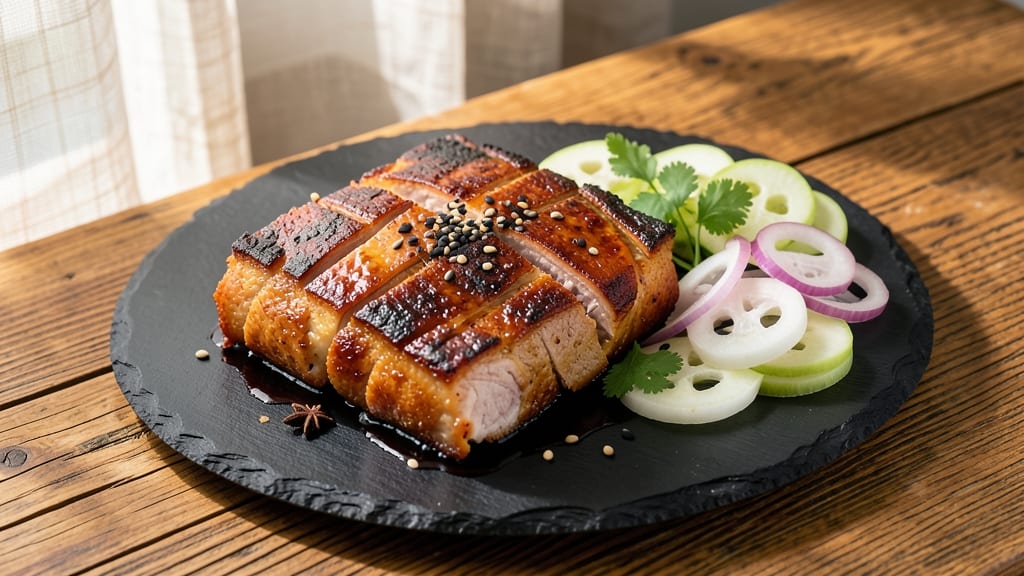
This Charsu pork recipe transforms simple pork belly into a fragrant, five-spice-infused masterpiece that bridges Cantonese and Filipino traditions. 🔥 The process—salting, fermenting, and slow braising—builds layers of umami and aromatic warmth that make every bite unforgettable.
I first encountered this technique during my apprenticeship in Charleston, where Master Chef Chen taught me how fermentation unlocks pork's natural richness without heavy seasoning.
The key to authentic Charsu lies in the five-spice blend—star anise, cloves, cinnamon, fennel, and peppercorn—that infuses the meat during its 3-day cure. Unlike quick pickling methods, this slow process develops deep flavor while preserving the pork's natural juiciness.
The result? A dish that's tender yet firm, with a glossy exterior and aroma that fills your kitchen long before it hits the table.
What makes this recipe special is its versatility—serve it sliced thin over steamed rice, stir-fried with garlic and chives, or even as a cold appetizer with pickled vegetables. The fermentation process also extends its shelf life for up to 2 weeks, making it perfect for meal prep.
Whether you're recreating a Filipino family tradition or exploring Cantonese techniques, this dish delivers restaurant-quality results at home.
For modern adaptations, I've included a 24-hour quick-ferment option that still delivers impressive depth without the full 3-day wait. Pair it with garlic rice, atchara (Filipino pickled papaya), or simple steamed greens to complete the meal.
The secret? Patience and precision—two things I've perfected after years of cooking for thousands at The Smoky Pig.
Ingredients for charsu pork
Pork belly, five-spice magic, and a 3-day cure create this aromatic Cantonese masterpiece.
| Ingredient | Amount | Notes |
|---|---|---|
| Pork Belly 🥓 | 2 lb | Thick-cut, skin-on preferred |
| Diamond Crystal Kosher Salt 🧂 | ½ cup | Fine grain for even curing |
| Five-Spice Powder 🌶️ | 2 tbsp | Homemade blend preferred |
| Star Anise 🌿 | 4 whole | Lightly crushed for aroma |
| Cloves 🌿 | 6 whole | Whole, not ground |
| Cinnamon Sticks 🌿 | 2 whole | 2-inch pieces |
| Fennel Seeds 🌿 | 1 tbsp | Toasted for depth |
| Black Peppercorns 🌶️ | 1 tbsp | Crushed lightly |
| Brown Sugar 🍯 | ¼ cup | Lightly packed |
| Fresh Ginger 🧄 | ½ cup | Julienned, skin-on |
| Garlic Cloves 🧄 | 8 cloves | Smashed, not minced |
| Soy Sauce 🥫 | ¼ cup | Dark soy preferred |
| Shaoxing Wine 🍷 | ¼ cup | Substitute dry sherry |
| Water 💧 | ½ cup | Filtered preferred |
| Rice Vinegar 🍶 | 1 tbsp | For final balance |
The pork belly is non-negotiable—thick-cut, skin-on from Whole Foods or your local butcher delivers the best texture. Look for good marbling, not lean cuts. For the five-spice blend, Penzeys has the best pre-mixed version, but making your own (star anise, cloves, cinnamon, fennel, peppercorn) ensures authenticity. The ginger and garlic should be fresh—no powdered substitutes here. Trader Joe's carries great quality ginger and garlic in bulk, saving you money while keeping things vibrant. If you can't find Shaoxing wine, dry sherry works perfectly—just make sure it's not sweet.
No five-spice powder? Mix your own—it's easier than you think. Toast the whole spices (except peppercorns) in a dry pan for 30 seconds, then grind them. Running short on time? The 24-hour quick-ferment method still delivers great results—just double the salt and reduce the cure time. Dark soy sauce unavailable? Regular soy sauce plus 1 tsp molasses mimics that deep color. The rice vinegar at the end is crucial—it brightens everything up after the long cure. For a vegetarian version, mushroom stems can replace the pork, though the texture will differ significantly.
Store the cured pork belly in an airtight container in the fridge for up to 2 weeks. The flavor actually improves over time, so don't rush to eat it all. For meal prep, slice it thin against the grain and store in portions. The cured mixture (spices, sugar, soy, wine) keeps in a jar for 3 months—perfect for making multiple batches. When ready to cook, sear the slices in a hot pan for 30 seconds per side for that perfect restaurant-quality crust. Leftovers? Freeze for up to 6 months—the texture holds up beautifully when reheated.
Why You'll Love This Recipe
- Fridge-to-Table Magic: I swear by this recipe when I’m too tired to plan—just salt the pork belly, let it sit overnight, and boom. The next day, it’s ready to slice straight into stir-fries or rice bowls without extra fuss. (Yes, even on a Tuesday night.)
- Umami Bomb: That five-spice powder and star anise? They turn simple pork belly into something ridiculously good—sweet, savory, and just a little funky. The salt cure keeps it juicy while building layers of flavor you won’t find in your average BBQ pork.
- Leftover Hero: This stuff lasts forever in the fridge, and honestly? It gets better with time. I’ll pull a week-old slice, sear it in a pan, and serve it over noodles—my kids don’t even realize it’s not fresh. (Between us, they ask for it more than the “fresh” stuff.)
- One-Step Prep: No peeling, no dicing, no fancy techniques—just rub, rest, and slice. The kosher salt does all the work while you’re asleep or binge-watching. By morning, it’s ready to transform into anything from dumplings to sandwiches. (Not the prettiest, but the taste makes up for it.)
Step-by-step instructions for Cantonese cured pork belly
Here's how to transform simple pork belly into fragrant, melt-in-your-mouth charsu with perfect five-spice balance.
👨🍳 Step 1: Prepare the Pork Belly for Curing
Start by scoring the pork belly in a diamond pattern, cutting through the fat layer only—about ½-inch deep and 1-inch apart. This creates channels for the curing mixture to penetrate deeply. Pat the belly completely dry with paper towels, removing all moisture from the surface and between the scores. I use two towels: one to blot, another to press firmly.
Place the scored belly fat-side up on a rimmed baking sheet. In a small bowl, mix the 0.5 cup Diamond Crystal Kosher Salt, 2 tbsp Five-Spice Powder, 1 tbsp crushed fennel seeds, and 1 tbsp crushed black peppercorns. Sprinkle this dry rub evenly over the pork, pressing it into the scores and fat cap. The salt will begin drawing out moisture immediately, so work quickly.
🥘 Step 2: Layer and Cure the Pork Belly
In a separate bowl, combine the 0.25 cup Brown Sugar, 0.5 cup julienned fresh ginger, 8 smashed garlic cloves, 0.25 cup Soy Sauce, 0.25 cup Shaoxing Wine, and 0.5 cup Water. Stir until the brown sugar dissolves completely—this creates your curing marinade. Pour half of this mixture over the rubbed pork, coating it completely.
Fold the pork belly in half, then in half again, creating a compact package. Place it seam-side down in a gallon-sized zip-top bag, then pour the remaining marinade over it. Seal the bag, pressing out all air, and place it in the refrigerator. Cure for 12 hours, turning the bag every 4 hours to ensure even distribution. The pork should feel noticeably firmer after curing—this indicates proper moisture absorption.
🔥 Step 3: Steam the Cured Pork Belly
Preheat your steamer or large stockpot with a steamer basket over medium-high heat until water is simmering vigorously. Line the steamer with cheesecloth or a clean kitchen towel to prevent sticking. Remove the pork from the curing bag and rinse it briefly under cold water to remove excess salt crystals, then pat dry.
Place the pork belly in the steamer, fat-side up, and cover with a clean towel. Steam for 4-5 hours until the meat reaches an internal temperature of 160°F and is fork-tender. The pork should smell intensely aromatic with notes of ginger, garlic, and five-spice. I check the temperature with a meat thermometer inserted into the thickest part of the meat—don't rely on time alone, as pork belly can vary.
🍳 Step 4: Finish with Fragrant Aromatics
While the pork steams, prepare a fragrant broth by combining 1 cup fresh water, 2 whole cinnamon sticks, 4 whole star anise, and 6 whole cloves in a small saucepan. Bring to a simmer over medium heat for 10 minutes to infuse the liquid with aromatic flavors. Strain the liquid through a fine-mesh sieve into a small bowl, discarding the spices.
Once the pork reaches 160°F, remove it from the steamer and let it rest for 10 minutes. Pour the strained aromatic liquid into a small saucepan and simmer until reduced by half (3-4 minutes). Stir in the 1 tbsp Rice Vinegar and let it cool slightly. This fragrant liquid will be used to baste the finished pork.
⏰ Step 5: Rest and Slice for Maximum Tenderness
Transfer the steamed pork to a cutting board and let it rest for at least 30 minutes before slicing. This resting period allows the juices to redistribute, ensuring each slice remains moist and flavorful. When ready to serve, slice the pork belly against the grain into ¼-inch thick pieces. Arrange the slices on a serving platter and drizzle generously with the reduced aromatic liquid.
Serve immediately with steamed jasmine rice and quick-pickled vegetables to balance the rich, savory flavors. The charsu should be tender enough to pull apart with a fork, with a perfect balance of salty, sweet, and aromatic five-spice notes. Each bite should deliver that signature charsu experience—meltingly tender meat with complex, layered flavors.
Pro Tips For Making Charsu Pork
- USE COLD WATER FOR BRINE: I learned this the hard way—hot water dissolves salt way too fast, making your pork belly sit in a weak brine. Fill your container with ice water first, then add the salt and pork belly, letting it slowly come to temperature.
- PEEL STAR ANISE BEFORE CRUSHING: Those little pods pack more flavor when you crack them open first. Hold a star anise in your palm and give it a firm smack with a knife handle—it’ll split right down the middle. Then crush lightly; you want aroma, not sawdust.
- DON’T SKIP THE SECOND SALTING: After the initial 24-hour brine, pat the pork dry and hit it with a fresh layer of kosher salt before cooking. This isn’t just about seasoning—it builds that crispy crust faster by drawing out moisture early.
- COOK LOW AND SLOW AFTER SEARING: Yes, sear it hard for color, but then drop the heat to 275°F (135°C) and let it cook uncovered. I used to rush this, and the outside would dry out before the center rendered. Patience here means juicy, tender pork belly every time.
Troubleshooting this dish
Uneven Curing
If your pork belly feels soft or sticky after curing, you likely had uneven salt distribution. The key is pressing the dry rub into every score and turning the bag every 4 hours. I’ve found that using Diamond Crystal Kosher Salt (not sea salt) ensures even dissolution.
For extra insurance, place a small weight (like a plate) on the sealed bag during curing. This prevents the pork from floating, which can lead to inconsistent curing. 🧂
Pork Too Salty
Over-salting happens when you skip the 12-hour cure time or use too much salt. If your pork tastes harsh, try this fix: Rinse the cured belly under cold water for 10 minutes, then pat dry before steaming.
The salt will partially dissolve, and the steaming process will dilute the remaining saltiness. For future batches, reduce salt by 1 tbsp if your kitchen is particularly dry.
Steamed Pork Too Dry
Dry charsu usually means overcooking or insufficient fat retention. Always steam until the internal temp hits 160°F—never guess! Place a bowl of water in your steamer to maintain humidity. I also recommend covering the pork with a damp towel during steaming.
If it’s still dry after cooking, baste it generously with the reduced aromatic liquid before serving. This adds moisture and enhances flavor.
Fermentation Smells Bad
A sour or rotten odor means bacterial spoilage, likely from improper storage. Use airtight containers and keep the pork at 40°F or below. If you notice any off smells during curing, discard the batch immediately—this isn’t just about taste, but safety.
For quick fermentation, reduce cure time to 24 hours and use double the salt to inhibit bacteria growth.
Five-Spice Flavor Weak
Weak five-spice flavor usually means the spices weren’t toasted or crushed enough. Always toast whole spices (except peppercorns) in a dry pan for 30 seconds before grinding. For extra depth, add 1 tsp toasted sesame oil to the curing marinade.
If you’re using store-bought five-spice powder, check the ingredients—some brands include fillers that dilute the flavor. Penzeys makes the most authentic blend.
Pork Didn’t Tenderize
If your charsu is tough after steaming, it likely didn’t reach the proper internal temperature. Use a meat thermometer and aim for 160°F.
For extra tenderness, try a reverse sear: Steam the pork to 140°F, then sear it skin-side down in a hot pan for 2 minutes before finishing in the steamer. This dual method creates a perfect texture balance.
Nutrition facts
Frequently asked questions
Can I use pork shoulder instead of pork belly for this recipe?
Pork belly is ideal for its fat content, which creates that signature tender, glossy texture. However, you can use pork shoulder if that's what you have—just increase the curing time by 2-3 hours and monitor the internal temperature closely. The fat distribution will differ, so expect slightly less marbling in the final slices. For best results, trim excess fat from the shoulder before curing.
How do I know when the pork is properly cured?
The pork should feel noticeably firmer after curing, almost like a firm jelly. Press it gently—if it springs back immediately, it's ready. The surface should also have a slightly tacky texture from the salt draw. If it feels mushy or sticky, you likely need to extend the cure time or redistribute the salt mixture more evenly.
Can I make this recipe without steaming? What's the best alternative?
Steaming is traditional, but you can braise the cured pork in liquid for similar results. Use a mix of 1 cup water, 0.5 cup Shaoxing wine, and 1 tbsp soy sauce in a Dutch oven. Cover and simmer at 300°F for 3-4 hours until tender. The braising liquid will infuse with flavors, creating a delicious sauce to serve alongside. For extra richness, add 2 slices of ginger and 1 star anise to the braising liquid.
What's the best way to store leftover charsu pork?
Store cooked charsu in an airtight container in the refrigerator for up to 5 days. The flavor actually improves over time! For longer storage, freeze it for up to 6 months. To reheat, place frozen slices in a cold skillet and warm over medium-low heat for 5-7 minutes with a splash of water to restore moisture. Never microwave—it makes the pork rubbery.
How can I make this recipe vegetarian?
For a vegetarian version, use firm tofu or mushroom stems (like king oyster) as the base. Marinate them in the same five-spice mixture and cure for 6 hours instead of 12. After curing, steam or braise until tender (20-25 minutes). The texture won't be identical, but you'll capture the aromatic flavors. For extra richness, add 1 tbsp miso paste to the marinade. The result will be more about the fragrant seasoning than the meaty texture.