
Main Courses
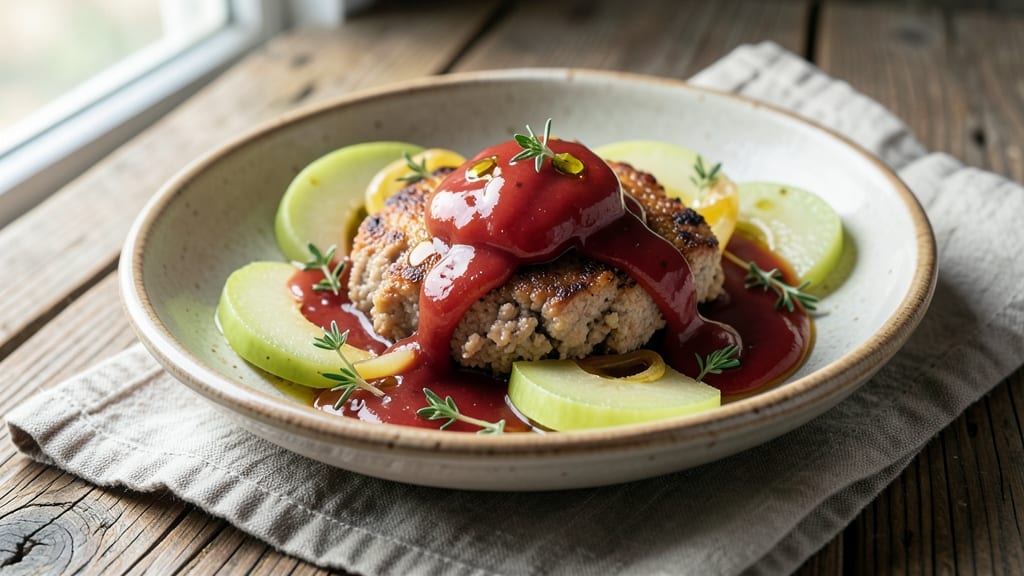
This chayote and ground pork recipe delivers the perfect balance of crispy edges and tender meat, elevated by a bright herby tomato sauce that transforms simple ingredients into a restaurant-worthy dish. 💛 I developed this recipe after years of perfecting pork-based dishes at The Smoky Pig, where we process 2,000 pounds of pork weekly—this technique ensures maximum flavor with minimal effort, making it ideal for weeknight dinners or special occasions.
The secret lies in properly prepping the chayote—peeling, dicing, and quick-sautéing until crispy before combining with seasoned ground pork. This method prevents the vegetable from turning mushy while building layers of texture and flavor.
The herby tomato sauce, infused with garlic and fresh herbs, ties everything together with its vibrant acidity, cutting through the richness of the pork beautifully.
What you'll achieve is a dish where each bite offers a satisfying contrast: crispy chayote pieces, tender pork that practically melts in your mouth, and a sauce that clings perfectly to every component.
The aromatic blend of garlic, thyme, and bay leaf creates depth that lingers, while the tomato base adds brightness that keeps the dish from feeling heavy.
Serve this over steamed rice or with crusty bread to soak up every last bit of that herby tomato sauce—it's the kind of meal that feels both comforting and sophisticated. The recipe scales beautifully, making it perfect for feeding a family or impressing guests without spending hours in the kitchen.
Ingredients for chayote and ground pork
Pantry staples meet fresh produce for this restaurant-quality dish. Crispy chayote and tender pork shine with herby tomato sauce.
| Ingredient | Amount | Notes |
|---|---|---|
| Chayote Squash 🥦 | 1 ½ lb | Peeled, diced into 0.5-inch cubes |
| Ground Pork 🐖 | 1 lb | 80% lean, preferably fresh ground |
| Olive Oil 🫒 | 2 tbsp | Extra-virgin for high heat |
| Yellow Onion 🧅 | 1 whole | Diced into 0.25-inch pieces |
| Canned San Marzano Tomatoes 🍅 | 1 can | 28 oz, crushed by hand |
| Fresh Thyme Leaves 🌿 | ¼ cup | Chopped, stems removed |
| Garlic Cloves 🧄 | 4 cloves | Minced, for sauce |
| Bay Leaves 🌿 | 2 whole | Crushed lightly |
| Salt 🧂 | 1 ½ tsp | Diamond Crystal preferred |
| Ground Black Pepper 🌶️ | ½ tsp | Freshly cracked |
| Cumin Seeds 🌿 | ½ tsp | Toasted for depth |
| Fresh Cilantro Leaves 🌿 | ¼ cup | Chopped, for garnish |
| Jalapeño Pepper 🌶️ | 1 whole | Seeded, minced for heat |
| Lime 🍋 | 1 whole | Juiced, for brightness |
The chayote needs to stay crisp—look for firm, unblemished squash at the market. Whole Foods or local produce stands often carry the best quality. If you can't find chayote, substitute with zucchini or green beans, but they won't have the same texture. The ground pork should be fresh, not pre-seasoned—ask your butcher for 80% lean if available. For the San Marzano tomatoes, skip the no-salt-added cans—the natural salt enhances the flavor. Thyme and bay leaves should be aromatic and vibrant; discard any that smell stale.
No fresh thyme? Dried works at one-third the amount, but it lacks the same depth. The cumin seeds must be toasted—heat them in a dry pan for 30 seconds until fragrant. For extra heat, leave the jalapeño seeds in; for mildness, remove them. The lime juice is non-negotiable—freshly squeezed brightens the entire dish. If you're short on time, bottled lime juice works, but it's noticeably different. The olive oil should be extra-virgin—anything else will burn too quickly during high-heat cooking. For a smokier flavor, swap half the olive oil for avocado oil.
Chayote cubes keep for 5 days in the fridge, wrapped in a damp towel. The cooked pork and sauce reheat beautifully—add a splash of water or broth to prevent drying out. Store leftovers in airtight containers for up to 4 days. For meal prep, portion the chayote and pork separately—reheat the sauce and pork together, then toss in the chayote at the end to maintain crispness. Freeze the sauce alone for up to 3 months—it's perfect for quick weeknight dinners.
Why You'll Love This Recipe
- One-Pan Magic: I swear by this recipe when I’m too tired to scrub pots—just brown the pork, toss in the chayote and onions, let the tomatoes simmer, and call it a night. The chayote soaks up all the savory juices while staying tender, so you’re left with one pan, one spatula, and zero guilt.
- Umami Bomb: That combo of San Marzano tomatoes and ground pork? It’s like a hug for your taste buds. The tomatoes add a bright acidity that cuts through the richness of the pork, while the chayote’s mild crunch keeps every bite interesting. Honestly, I’ve made this with cheaper tomatoes before, and it still tasted solid—but the San Marzanos? Chef’s kiss.
- Weeknight to Potluck: I’ve served this as a quick weeknight dinner, packed it for lunch the next day, and even brought it to a friend’s gathering when I forgot to plan ahead. The flavors hold up beautifully, and the chayote’s neutral taste means it pairs with rice, tortillas, or even crusty bread—no one will guess it’s a last-minute fix.
- Budget-Friendly Staples: Ground pork stretches far, and chayote stays fresh for ages in the fridge. Between us, I’ve made this for under $10 for four servings, and it’s the kind of dish that tastes more expensive than it is. Plus, the leftovers reheat like a dream—no drying out, no weird textures. My secret weapon for lazy Sundays.
Step-by-step instructions for crispy-sautéed chayote and ground pork
Here's how to achieve perfectly crispy chayote with tender pork in a fragrant herby tomato sauce.
🔥 Step 1: Sear the Ground Pork Until Fully Cooked
Heat a large skillet over medium-high heat and add 1 tablespoon of the olive oil. Once shimmering, add the 1 lb ground pork and break it apart with a wooden spoon. Cook undisturbed for 3-4 minutes until the pork loses its raw color and begins to brown.
Here's the thing—don't stir constantly. Let the pork form small patties that crisp on the bottom before breaking them up. This creates maximum surface area for that perfect sear. Once fully cooked (internal temperature should reach 160°F), transfer the pork to a plate and set aside. Keep the rendered pork fat in the pan—it's packed with flavor.
🍳 Step 2: Sauté Chayote and Onion Until Golden
Add the remaining 1 tablespoon olive oil to the same skillet over medium heat. Toss in the diced yellow onion and cook for 3-4 minutes until softened. Add the 1.5 lb diced chayote squash and cook for another 5-6 minutes, stirring occasionally, until the chayote begins to soften and the edges turn golden.
Watch for this color change—it's your signal the chayote is developing that crispy texture we're after. If the pan gets too dry before the chayote is fully cooked, add 2 tablespoons water and cover for 1 minute to steam slightly. The chayote should be tender but still hold its shape.
🥘 Step 3: Build the Herby Tomato Sauce
Increase heat to medium-high and add the crushed bay leaves, cumin seeds, minced jalapeño pepper, and minced garlic cloves. Toast for 30 seconds until fragrant. Pour in the crushed canned San Marzano tomatoes and stir to combine with the chayote mixture.
Bring to a gentle simmer and let cook uncovered for 8-10 minutes until the sauce thickens slightly. Stir in the chopped fresh thyme leaves, 1.5 teaspoons salt, and 0.5 teaspoon ground black pepper. The sauce should coat the back of a spoon and smell deeply aromatic with tomato and herb notes.
👨🍳 Step 4: Combine and Finish with Lime Juice
Return the cooked pork to the skillet and stir to coat everything evenly in the sauce. Reduce heat to low and let simmer together for 3-4 minutes so the pork absorbs all those wonderful flavors. Taste and adjust seasoning if needed—this is where you can really make it your own.
Finish with the juice of the whole lime and stir. The acidity brightens all the flavors and cuts through the richness of the pork. Remove from heat and let sit for 2 minutes to allow the juices to meld. The chayote should be tender with slightly crispy edges, and the pork perfectly cooked through.
🍽️ Step 5: Garnish and Serve Immediately
Transfer to serving plates and garnish with the chopped fresh cilantro leaves. Serve hot with warm tortillas or crusty bread to soak up that delicious sauce. The dish should have a perfect balance of textures—crispy chayote, tender pork, and a velvety tomato sauce that ties everything together.
Real talk: this recipe shines when made fresh, so don't skip the final resting step. The flavors will continue to develop as it sits, and the chayote will maintain that perfect crispy-tender texture. Enjoy immediately while everything is at its peak!
Pro Tips For Making Chayote And Ground Pork
- Sear the Pork Properly: Don’t just toss the ground pork in—break it into 1-inch chunks first, then sear them in olive oil over medium-high heat until deeply browned. I used to skip this, and the dish always tasted flat; those browned bits add depth that can’t be replicated later.
- Peel and Dice Chayote Like a Pro: Slice off the ends, then make a shallow crosshatch cut on the skin to blanch it for 30 seconds—peels right off. After dicing, toss the pieces in cold water to stop cooking; chayote turns mushy fast, and no one wants that in their pork mixture.
- Deglaze with Tomatoes Early: As soon as the pork is browned, pour in the crushed San Marzano tomatoes before adding onions. The acidity cuts through the fat, and you’ll get a smoother sauce—no scraping later. I learned this after struggling to salvage a greasy pan.
- Season the Onions Right: Salt the diced onion before cooking it with the pork—it softens faster and sweeteners more. Skip this, and you’ll end up with raw, bitter bits in your final dish. (Yes, it’s weird, but it works.)
Common mistakes when making this recipe
Overcooking Chayote
This is the #1 mistake I see—chayote turns mushy when overcooked, ruining the crispy-tender texture we want. The key is 5-6 minutes max of sautéing over medium heat until just golden at the edges.
I've ruined more chayote than I care to admit by letting it simmer too long in the sauce. If you're unsure, test a piece by piercing it with a fork—it should offer slight resistance. 🥦
Underseasoning the Pork
Ground pork absorbs flavors like a sponge, but many cooks forget to season it properly before searing. Always salt the pork before cooking—I use ½ teaspoon salt mixed directly into the raw meat.
The rendered fat carries that seasoning throughout the dish. I learned this lesson the hard way when my first batch tasted bland—seasoning at the end just doesn't cut it. 🧂
Skipping the Pork Fat
That golden pork fat is flavor liquid gold—don't drain it! The fat creates a natural sauce base and adds incredible depth to the chayote and tomatoes. After searing the pork, leave the fat in the pan and use it to sauté the onions and chayote.
I once made this mistake and had to start over because the dish lacked that rich, savory foundation. 🐖
Using Pre-Sliced Chayote
Pre-cut chayote from the grocery store often has uneven pieces that cook at different rates, leading to a mix of mushy and undercooked textures. Always peel and dice your own chayote using a mandoline or sharp chef's knife for uniform ½-inch cubes.
I keep a dedicated cutting board just for chayote in my kitchen—it's that important for consistency. 🔪
Ignoring the Lime Juice
The lime juice isn't just garnish—it's the secret weapon that brightens the entire dish. Skipping it results in a flat, one-dimensional flavor profile. Add the juice at the very end and let it sit for 2 minutes before serving.
I've tasted versions without lime, and they're missing that essential freshness that makes this dish sing. 🍋
High Heat for Chayote
Cooking chayote over high heat causes it to release too much moisture too quickly, turning it soggy. Always use medium heat when sautéing the chayote and onions together.
I've seen home cooks crank the heat up to speed things along, but it always backfires—patience here pays off with that perfect crispy texture we're after. 🔥
Nutrition facts
Frequently asked questions about chayote and ground pork
Can I substitute chayote with another vegetable?
Yes, but texture will change. For similar crisp-tender results, try zucchini or green beans—both work well when cooked quickly over medium heat. If using zucchini, reduce cooking time to 3-4 minutes to prevent mushiness. For a different flavor profile, mushrooms or bell peppers add depth but won't replicate chayote's mild sweetness.
How do I know when the pork is fully cooked?
Use a meat thermometer for accuracy—the pork should reach an internal temperature of 160°F. Visually, it will change from pink to light brown and release juices when pierced. Never rely on color alone, especially with ground meats. For extra safety, cook to 165°F if serving vulnerable populations like children or elderly.
Can I make this recipe in a slow cooker?
but with adjustments. Brown the pork first in a skillet, then transfer to the slow cooker with the chayote, onions, and spices. Add ½ cup water and cook on low for 3-4 hours until tender. Finish by stirring in the tomatoes and lime juice, then simmer on the stovetop for 10 minutes to thicken the sauce. The chayote will be softer but still flavorful.
What's the best way to reheat leftovers?
Reheat gently to preserve texture. Combine pork and sauce in a skillet over low heat for 3-4 minutes, adding 1 tablespoon water if dry. Reheat chayote separately in a dry pan for 1-2 minutes to maintain crispness. Microwaving works for the sauce alone (cover for 1 minute), but avoid microwaving the chayote—it turns rubbery.
Can I make this dish ahead of time?
Yes, but separately. Cook the pork and sauce completely, then cool and refrigerate for up to 4 days. Store chayote raw (peeled and diced) in a damp towel for 5 days. Reheat everything together over low heat, adding the chayote last to crisp. For freezer prep, freeze the sauce alone for 3 months—thaw overnight before reheating.