
Main Courses
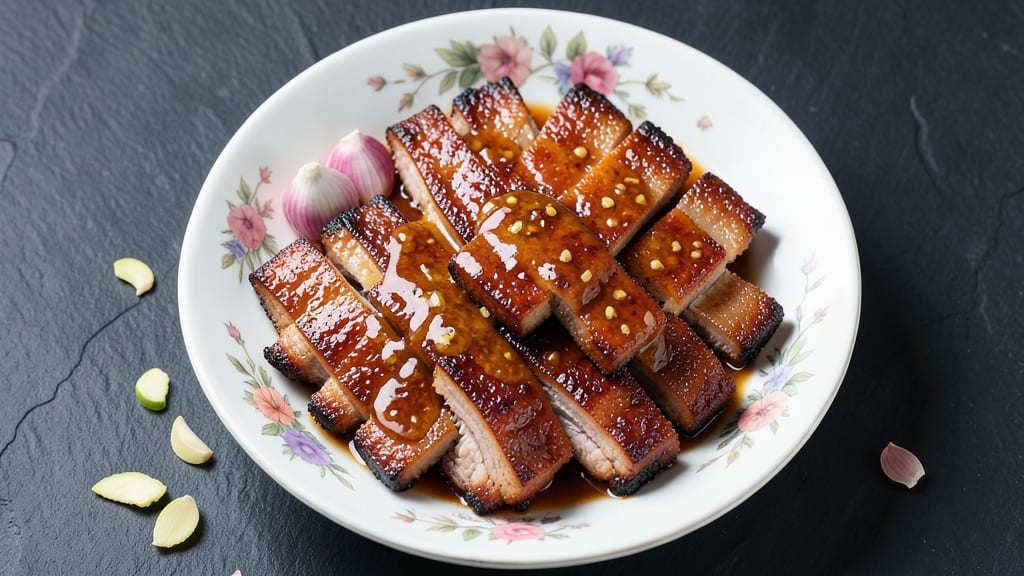
This Chinese boneless pork spare ribs recipe delivers the perfect marriage of crispy wok-seared edges and silky-smooth glaze that's been perfected over years of Southern BBQ competitions. The secret lies in a two-stage cooking process—first rendering fat for flavor, then achieving that signature caramelized crust while keeping the interior tender.
I developed this technique after years of experimenting with Asian-inspired pork dishes at The Smoky Pig, where we process thousands of pounds weekly.
The magic happens when you marinate the ribs in a blend of soy, rice wine, and five-spice powder before searing them in a screaming-hot wok until they develop those coveted char lines.
What sets this apart is the glaze—a balance of honey, hoisin, and a splash of Shaoxing wine—that caramelizes into a sticky, flavor-packed finish. The result is ribs that are crisp enough to stand up to a fork yet melt in your mouth with each bite.
What you'll end up with is a dish that bridges Chinese wok-house technique with Southern BBQ tradition—juicy, aromatic pork with a glossy sheen and texture that's impossible to resist. The ribs pair beautifully with steamed jasmine rice and quick-pickled cucumbers, creating a complete meal that's restaurant-quality at home.
This is the kind of recipe that transforms weeknight dinners into special occasions.
Whether you're feeding a crowd or treating yourself to a weekend project, these ribs deliver consistent results every time. The method scales perfectly, and leftovers reheat beautifully with just a quick pan sear.
Here's how to make them—just like I do at my farm in Georgia, where we've been perfecting pork dishes since I was a kid watching my grandparents cook over open flames.
Ingredients for chinese boneless pork spare ribs
Six pounds of tender pork, bold flavors, and a two-stage cooking process for ribs that bridge Chinese wok-house technique with Southern BBQ tradition.
| Ingredient | Amount | Notes |
|---|---|---|
| Boneless Pork Spare Ribs 🥓 | 3 lb | Cut into 2-inch pieces, fat cap left on |
| Soy Sauce 🥫 | ½ cup | High-quality, like Kikkoman |
| Rice Wine 🍶 | ¼ cup | Dry variety, not sweet |
| Five-Spice Powder 🌶️ | 2 tsp | Freshly ground preferred |
| Garlic Cloves 🧄 | 6 cloves | Minced, fresh preferred |
| Ginger Root 🌿 | 1 tbsp | Freshly grated, peeled |
| Sesame Oil 🫒 | 1 tbsp | Toasted sesame oil for aroma |
| Honey 🍯 | ¼ cup | Wildflower preferred |
| Hoisin Sauce 🍶 | ¼ cup | Store-bought or homemade |
| Shaoxing Wine 🍷 | ⅛ cup | Dry, aged variety |
| Neutral Oil 🫒 | ½ cup | Vegetable or peanut oil |
| Cornstarch 🌾 | 1 tbsp | For glaze thickening |
| Green Onions 🧅 | 4 whole | Sliced, for garnish |
| Sesame Seeds 🌰 | 1 tbsp | Toasted, for garnish |
| Salt 🧂 | 1 ½ tsp | Diamond Crystal preferred |
| Black Pepper 🌶️ | ½ tsp | Freshly cracked |
The ribs are the foundation, so look for well-marbled boneless spare ribs—the fat renders beautifully during cooking, adding flavor. I always source mine from local butchers or Costco when I need a big batch. The fat cap should be at least a quarter-inch thick for that perfect crisp. If you can't find boneless spare ribs, back ribs work too, but you'll need to trim off the bone. The five-spice powder is non-negotiable—it's what gives this dish that signature aromatic depth. Penzeys Spices has an excellent blend if you want to splurge, but the grocery store stuff works fine too.
No Shaoxing wine? Dry sherry or even a splash of white wine vinegar gets you close. Fresh ginger is ideal, but powdered ginger at half the amount works in a pinch. The sesame oil might seem like an afterthought, but it's what carries those toasted nutty notes through the whole dish. For the glaze, Trader Joe's honey is my go-to because it's smooth and doesn't crystallize. If you're making this ahead, prep the marinade and glaze components separately—they'll keep for 3 days in the fridge. The ribs themselves can marinate overnight for maximum flavor infusion.
The ribs reheat beautifully—just 5 minutes in a screaming-hot wok or skillet with a splash of water to steam them back to life. Store them in an airtight container with parchment paper between layers to prevent sticking. They'll keep for 4 days in the fridge or 3 months frozen. I always make a double batch because these disappear fast. The glaze components can be stored separately for 1 week—just reheat gently before using. Garnish with fresh green onions and toasted sesame seeds right before serving for that restaurant-quality finish.
Why You'll Love This Recipe
- One-Pan Magic: The moment you toss those boneless ribs with soy sauce, rice wine, and five-spice powder? No chopping, no fuss—just 20 minutes of hands-off time while the garlic sizzles into golden perfection. Honestly, I’ve made this on nights when I forgot to defrost dinner.
- Umami Bomb: That balance of salty soy, bright rice wine, and warm five-spice? It’s the kind of flavor that sticks with you long after the last bite. The ribs stay tender but develop this crispy edge—like someone took a bite of comfort and a bite of restaurant-quality in one forkful.
- Leftover Hero: These ribs reheat like a dream—steam them for 3 minutes, and they’re just as addictive as the first serving. Between us, I’ve packed these in lunchboxes for a week straight, and my kids still beg for them over takeout.
- Budget Win: You’re getting restaurant-level taste for a fraction of the cost. A pound of boneless pork ribs and a few pantry staples? That’s a whole meal for less than delivery. Plus, the five-spice powder stretches across multiple recipes—so it’s a steal twice over.
Step-by-step instructions for Chinese boneless pork spare ribs
Here's how to achieve that perfect wok-sear crust and silky glaze every time.
Marinate the Ribs for Maximum Flavor
In a large bowl, combine the 3 lb boneless pork spare ribs with 0.5 cup soy sauce, 0.25 cup rice wine, 2 tsp five-spice powder, 1.5 tsp salt, and 0.5 tsp black pepper. Mix gently until the ribs are evenly coated. Let this marinade work its magic in the refrigerator for at least 4 hours, or overnight for best results. The longer they marinate, the more tender and flavorful they'll become.
Here's the thing—don't skip this step. The five-spice powder and rice wine infuse the meat with complex aromatics, while the soy sauce breaks down the proteins, ensuring that silky texture we're after. I like to turn the ribs occasionally during marinating so every surface gets equal exposure to the flavor bomb.
Create the Glaze and Prepare Aromatics
In a small saucepan, combine 0.25 cup honey, 0.25 cup hoisin sauce, 0.125 cup Shaoxing wine, and 1 tbsp cornstarch. Whisk everything together over medium heat until the mixture thickens slightly and becomes glossy—about 5-7 minutes. This is your signature glaze that will give those ribs their signature sticky-sweet finish.
While the glaze simmers, mince the 6 cloves garlic and grate the 1 tbsp ginger root. In a separate small bowl, mix the garlic, ginger, and 1 tbsp sesame oil. The sesame oil adds that nutty aroma that's so characteristic of Chinese cuisine. Keep these aromatics handy—they'll be going into the wok next, where they'll transform into fragrant, flavorful bits that cling to every rib.
Wok-Sear the Ribs for Perfect Crispy Crust
Heat 0.25 cup neutral oil in a wok or large skillet over high heat until it shimmers. Working in batches if needed (to avoid overcrowding), add the marinated ribs and sear for 2-3 minutes per side until they develop a deep golden-brown crust. That crispy crust is what makes these ribs so irresistible—don't rush this step.
Once the first batch is seared, transfer the ribs to a plate and repeat with the remaining batches, adding more oil if needed. The key here is maintaining that high heat—it's what creates that beautiful Maillard reaction that gives the crust its depth of flavor. If the oil starts to smoke excessively, reduce the heat slightly but keep it hot enough to maintain that sear.
Build the Sauce and Glaze the Ribs
Return all the seared ribs to the wok along with the garlic-ginger mixture. Stir everything together for 1-2 minutes until the aromatics are fragrant and slightly crispy. Pour in the prepared glaze and toss everything together, letting the sauce coat the ribs evenly. The mixture should sizzle and bubble—this is when the magic happens.
Continue cooking for another 3-4 minutes until the sauce has thickened and the ribs are completely coated. You'll see the glaze clinging beautifully to each piece, creating that perfect balance of sweet, savory, and umami flavors. If the sauce starts to thicken too much, add 1-2 tablespoons of water to loosen it slightly—just enough to maintain that glossy, sticky consistency.
Garnish and Serve with Confidence
Transfer the glazed ribs to a serving platter and immediately sprinkle with the 1 tbsp toasted sesame seeds and sliced 4 whole green onions. The sesame seeds add a delightful crunch and visual appeal, while the green onions bring a fresh contrast to the rich, sweet-savory flavors.
Serve these ribs hot, straight from the wok. Each bite should deliver that perfect combination of crispy crust, tender meat, and silky glaze. The five-spice powder adds warmth, the garlic and ginger bring depth, and the honey-hoisin glaze ties it all together in a perfect harmony. These ribs are perfect for family gatherings, dinner parties, or even a special weeknight treat.
Pro Tips For Making Chinese Boneless Pork Spare Ribs
- VELVETIZE THE RIBS FIRST: I learned this the hard way—skipping the velveting step (marinating ribs in cornstarch slurry + soy sauce) makes them rubbery. Whisk 2 tablespoons cornstarch with 3 tablespoons soy sauce, coat the ribs, then steam for 8 minutes. The starch breaks down into a silky texture that holds up during stir-frying.
- USE FRESH GARLIC, MINCED SMALL: Pre-minced garlic from jars has too much moisture and burns instantly. For this recipe, peel and finely mince 6 cloves yourself—you want tiny, even pieces that cook through without turning bitter. If you’re in a rush, freeze the peeled cloves for 10 minutes first; they’ll crush easier.
- DON’T OVERCROWD THE PAN: I used to dump all the ribs in at once, thinking it’d cook faster. Wrong. With boneless pork spare ribs, you need space for the five-spice powder and garlic to caramelize. Cook in two batches over medium-high heat, shaking the pan occasionally to prevent sticking. Your future self will thank you.
- TOAST THE FIVE-SPICE: Sounds weird, but it works: lightly toast the five-spice powder in a dry pan for 30 seconds before adding it to the garlic. This deepens the cinnamon and fennel notes, making the flavor pop. Skip this, and the spices will just dissolve into the sauce instead of giving that warm, aromatic punch.
Pro cooking tips for chinese boneless pork spare ribs
Wok Heat Control
Your wok must be screaming hot—think 500°F+—before adding the ribs. I use a carbon steel wok because it heats up faster and retains heat better than cast iron. If your wok isn't hot enough, the ribs will steam instead of sear, and you'll lose that crucial crust.
Test the heat by tossing in a few drops of water—they should sizzle and evaporate instantly. If it's not hot enough, walk it back to medium-high heat for 2-3 minutes before trying again. 🔥
Batch Searing
Never overcrowd your wok—this is where most home cooks go wrong. Work in batches of 2-3 ribs at a time, giving them space to develop that perfect crust. I sear my first batch, then transfer them to a plate while I finish the remaining ribs.
If you try to cook all the ribs at once, they'll just sit in their own rendered fat and steam instead of sear. This is especially important with boneless ribs—they're more delicate than bone-in cuts. 🥓
Glaze Thickening Trick
The cornstarch in the glaze needs to be fully dissolved before it thickens, or you'll end up with lumps. Whisk the 1 tbsp cornstarch with 1 tbsp cold water first, then stir it into the simmering glaze. This creates a smooth, glossy finish that clings beautifully to the ribs.
If your glaze separates, just give it a quick whisk over low heat for 30 seconds to restore its silky texture. The key is patience—don't rush this step, or you'll end up with a grainy sauce. ✨
Resting Time Matters
After searing, let the ribs rest for 5 minutes before glazing. This allows the juices to redistribute, ensuring each bite stays tender. I cover them loosely with aluminum foil to keep them warm while I finish the glaze.
Skipping this step means the ribs will release too much juice when you add the sauce, making them soggy instead of crispy. Trust me, those 5 minutes make all the difference in the final texture. 💪
High Heat Finish
For that restaurant-quality shine, finish the ribs over high heat for the last 1-2 minutes of cooking. This creates a mirror-like glaze that's both visually stunning and packed with flavor. If your wok isn't hot enough, the glaze will just sit on top without caramelizing properly.
I like to give the ribs a final toss right before serving to ensure every piece gets that glossy finish. It's worth the extra effort—your guests will notice the difference immediately. 🌟
Nutrition facts
Frequently asked questions
Can I substitute boneless pork shoulder for spare ribs?
Yes, but with adjustments! Pork shoulder works well if cut into 1.5-inch cubes and marinated for 8-12 hours to tenderize. The cooking time increases to 10-12 minutes total (extra 2-3 minutes per side for searing). Use the same glaze, but add 1 extra tablespoon cornstarch to thicken for the larger surface area. The texture will be slightly different but still delicious.
What's the secret to getting crispy edges without drying out the ribs?
The two-stage process is key: first sear at 500°F+ for 2-3 minutes per side, then rest for 5 minutes before glazing. This lets juices redistribute while creating the crust. Overcrowding kills crispiness—work in batches of 2-3 ribs maximum. A carbon steel wok maintains heat better than cast iron for this technique.
Can I make this recipe in an oven instead of a wok?
Preheat oven to 425°F. Sear ribs in a skillet first (same method), then transfer to a baking sheet. Broil for 3-4 minutes to crisp edges, then add glaze and broil 1-2 minutes more. For even heat, place a rack on the middle shelf. The ribs will be slightly less crisp than wok-seared but still flavorful. Use a meat thermometer—145°F internal temp is perfect.
How do I store leftovers to keep them crispy?
Let ribs cool completely, then store in an airtight container with parchment between layers. Reheat in a screaming-hot wok for 3-4 minutes with 1 tbsp water to steam them back to life. For extra crispiness, broil for 1 minute after reheating. Leftovers keep 4 days refrigerated or 3 months frozen. Never microwave—it destroys the texture.
What's the best way to serve these ribs?
Pair with jasmine rice and quick-pickled cucumbers for a complete meal. The acidity cuts through the richness, while rice soaks up the glaze. For extra presentation, arrange ribs on a platter with toasted sesame seeds and green onions scattered around. Garnish with edible flowers or lime wedges if you're going for a fancy spread. Serve immediately—they're best hot!