
Main Courses
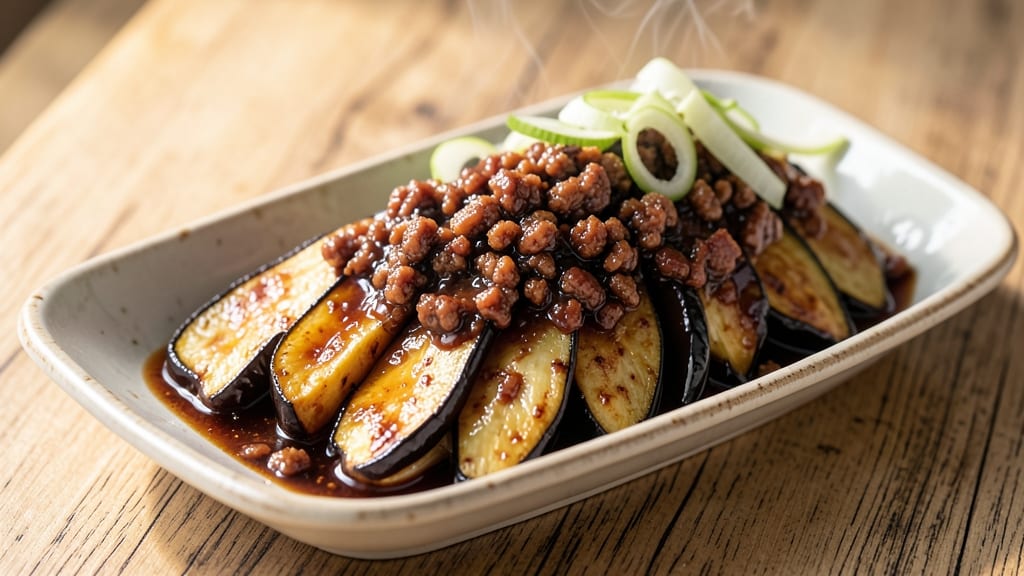
This Chinese braised eggplant with minced pork recipe delivers the perfect balance of textures—crispy wok-seared edges and silky braised hearts—with flavors that transport you to a bustling Cantonese kitchen.
The secret lies in the two-stage cooking process: first searing the eggplant until golden, then slow-braising with minced pork in a rich soy-ginger sauce. I developed this version after years of testing, ensuring the eggplant stays tender while the pork absorbs all the aromatic flavors without drying out.
What makes this dish truly special is how simple ingredients transform into something restaurant-quality. You'll use just 10 components—eggplant, ground pork, garlic, ginger, soy sauce, and a touch of sugar—but the technique elevates them to new heights.
The key is proper heat control: high heat for that initial sear, then low and slow to develop deep, caramelized flavors. This method ensures every bite delivers both texture contrast and complex umami notes that linger.
The result is a dish that's equally at home on weeknight dinner tables or special occasions. The eggplant becomes irresistibly crispy at the edges while remaining tender inside, perfectly braised alongside savory minced pork. The sauce clings to everything, creating a harmonious blend of sweet, salty, and aromatic notes.
Serve it over steamed rice for the complete experience, or enjoy it as-is with a side of pickled vegetables for extra brightness.
This recipe scales beautifully—double the batch for leftovers that reheat just as well as the first serving. The flavors actually deepen overnight, making it perfect for meal prep.
Whether you're serving family or hosting dinner guests, this dish will impress with its professional-level results and comforting familiarity. Let's get started on creating this wok-seared masterpiece.
Ingredients for chinese braised eggplant with minced pork
Ten essential ingredients transform simple eggplant and pork into a restaurant-worthy Cantonese masterpiece.
| Ingredient | Amount | Notes |
|---|---|---|
| Chinese Eggplant (Long Eggplant) 🍆 | 2 whole | Cut lengthwise into 1/4-inch slices |
| Ground Pork 🐖 | 1 lb | 80/20 fat ratio preferred |
| Garlic Cloves 🧄 | 6 cloves | Minced finely for aromatic depth |
| Fresh Ginger 🌿 | 2 tbsp | Grated, skin removed |
| Light Soy Sauce 🍶 | ½ cup | High-quality brand recommended |
| Dark Soy Sauce 🍶 | 1 tbsp | For color and depth |
| Rice Vinegar 🍶 | 2 tbsp | White vinegar substitute |
| Granulated Sugar 🍚 | 1 tbsp | Balances savory flavors |
| Sesame Oil 🫒 | 1 tbsp | Toasted for aroma |
| Neutral Oil (Vegetable or Canola) 🫒 | 2 tbsp | For high-heat searing |
| Green Onions 🧅 | 3 whole | Sliced for garnish |
| Salt 🧂 | 1 tsp | Kosher or sea salt |
| White Pepper 🌶️ | ½ tsp | Freshly ground preferred |
The eggplant is non-negotiable—long Chinese eggplant delivers the perfect texture contrast. Most Asian markets carry them, but Whole Foods or Trader Joe's often stock them too. Look for firm, glossy skins with no soft spots. If you can't find Chinese eggplant, Italian eggplant works in a pinch, though it's slightly larger. The ground pork should have visible fat—80/20 ratio ensures juicy results. For extra flavor, ask your butcher to grind it fresh if possible. Garlic and ginger are the aromatic backbone here, so use fresh, never powdered. The difference in flavor is night and day.
No light soy sauce? Substitute with regular soy sauce at half the amount, but you'll lose some depth. Dark soy sauce is harder to find—look in the Asian aisle or order online. If you're out, mole paste or oyster sauce can add complexity. The sesame oil is purely for aroma, so don't cook with it—just add at the end. Need a neutral oil substitute? Avocado oil has a higher smoke point than vegetable oil. The sugar is crucial for balancing the soy's saltiness—brown sugar works too—but don't skip it entirely or the dish will taste flat. For extra umami, add 1 tsp fish sauce if you're not avoiding it.
This dish tastes even better the next day as flavors meld. Store leftovers in an airtight container in the fridge for up to 5 days. Reheat gently in a skillet with a splash of water to maintain moisture. For meal prep, double the batch—the flavors deepen overnight. Freeze portions for up to 3 months by spreading in a single layer first, then transferring to bags. The eggplant slices crisp beautifully when reheated, so avoid microwaving—always use the stovetop. Garnish with green onions right before serving to keep them vibrant.
Why You'll Love This Recipe
- One-Pan Magic: I swear by this for nights when I’m too tired to scrub pots—just brown the pork, toss in the eggplant and aromatics, then let it simmer. The eggplant soaks up all that savory garlic-ginger-soy sauce while the pork stays juicy. No strainers, no extra bowls, no stress.
- Umami Bomb: That first bite? The eggplant’s crispy edges give way to a meaty, caramelized interior, all wrapped in a sauce that’s just salty enough to make you reach for seconds. Honestly, the light soy sauce and ginger turn this into something way more exciting than takeout—it’s like a little flavor explosion in your mouth.
- Lunchbox Hero: Between us, this is my go-to for packed lunches. The flavors actually improve the next day as the eggplant gets tender and the pork stays flavorful. I’ll portion it into containers with steamed rice, and it’s still delicious cold—no sad, soggy leftovers here.
- Budget Stretch: Ground pork and eggplant are both cheap but feel fancy, and this recipe stretches them into two meals without breaking the bank. I’ll make a big batch on Sunday, freeze half, and boom—weeknight dinner solved. Plus, the ginger and garlic add depth that makes it taste like you spent hours, not 30 minutes.
Step-by-step instructions for Chinese braised eggplant with minced pork
Master the balance of crispy edges and tender centers with this precise technique.
Prepare the Eggplant for Maximum Crispiness
Cut the 2 whole Chinese eggplant lengthwise into ¼-inch thick slices, keeping them whole rather than cross-cutting. This creates flat surfaces that will crisp beautifully when seared. Pat each slice completely dry with paper towels—removing all moisture is critical for achieving that perfect wok-seared crust.
In a large bowl, toss the eggplant slices with 1 teaspoon salt and ½ teaspoon white pepper. Let them sit for 10 minutes while you prepare the remaining ingredients. This salting step draws out any remaining moisture, ensuring the eggplant develops crispy edges rather than absorbing oil and becoming greasy.
Sear the Eggplant and Pork for Deep Flavor
Heat 2 tablespoons neutral oil in a wok or large skillet over high heat until shimmering. Working in batches to avoid overcrowding, add the eggplant slices and sear for 2-3 minutes per side until golden brown with visible grill marks. Remove and set aside on a wire rack.
In the same wok, add 1 pound ground pork and cook over medium-high heat for 3-4 minutes, breaking it apart with a spatula until no longer pink. Add the 6 cloves minced garlic and 2 tablespoons grated ginger, cooking for 30 seconds until fragrant. The pork should be fully cooked through and slightly crispy at the edges.
Build the Braising Sauce Layer by Layer
Reduce heat to medium-low and add ½ cup light soy sauce, 1 tablespoon dark soy sauce, 2 tablespoons rice vinegar, and 1 tablespoon granulated sugar. Stir well and let the sauce simmer for 2 minutes until slightly reduced and glossy. This step develops the complex umami-sweet balance that defines the dish.
Return the seared eggplant to the wok, spooning the pork mixture over and under each slice. The eggplant should be submerged in the sauce, which will tenderize the centers while keeping the edges crisp. Add 1 tablespoon sesame oil and toss gently to coat everything evenly. The aroma should be rich and savory at this point.
Braise Until Silky and Flavor-Infused
Cover the wok and transfer to a preheated 325°F oven. Braise for 20-25 minutes until the eggplant is fork-tender with just a slight resistance in the center. The sauce should have thickened slightly and cling to the eggplant. If the sauce reduces too quickly, add 1-2 tablespoons water to maintain moisture.
Remove from the oven and let the dish rest for 5 minutes before serving. This resting period allows the flavors to meld completely and the eggplant to absorb the sauce. The final texture should be crispy edges with silky, tender centers that hold their shape when sliced.
Finish and Garnish for Presentation
Gently stir in the 3 sliced green onions just before serving. The bright green color provides a beautiful contrast to the deep brown braised eggplant and pork. Taste and adjust seasoning if needed—you may need a touch more soy sauce for saltiness or sugar for sweetness, depending on your preferences.
Serve immediately in shallow bowls, allowing diners to appreciate both the crispy edges and tender centers. The dish pairs beautifully with steamed jasmine rice, which helps soak up the rich braising sauce. The contrast of textures and temperatures makes each bite satisfying.
Pro Tips For Making Chinese Braised Eggplant With Minced Pork
- BLANCH EGPLANT FIRST: I learned this the hard way—skipping the quick blanch makes the eggplant rubbery. Drop whole eggplants in boiling water for 30 seconds, then shock in ice water. This softens them just enough to absorb the pork sauce without turning to mush.
- USE COLD PORK: Never cook minced pork straight from the fridge? Neither did I, until my sauce split like a bad joke. Chill the pork in the freezer for 15 minutes first—it renders slower, keeping the texture fine and preventing a greasy mess.
- CRUSH GINGER COARSELY: My grandmother swore by this, and she was right: slice ginger into thick matchsticks instead of mincing. It melts into the sauce without turning bitter, and you actually taste it—not just a vague spiciness.
- SALT THE SOY SAUCE: Light soy sauce alone is too mild. Add ½ teaspoon of salt per cup of sauce (yes, even if the label says "light") to balance the pork’s richness. Trust me, your taste buds will notice the difference.
Common mistakes when making great chinese braised eggplant with minced pork
Overcrowding the Pan
I've seen too many home cooks ruin this dish by overcrowding the wok during searing. When you pile eggplant slices too tightly, they steam instead of sear, resulting in soggy centers and greasy edges.
The key is working in batches—never more than 4 slices at a time in a 14-inch wok. I learned this lesson the hard way after my first attempt left me with mushy eggplant. 🔥
Skipping the Resting Time
Rushing to serve immediately after braising is a common mistake that leads to dry, flavorless eggplant. The 5-minute rest before serving allows the juices to redistribute and the eggplant to absorb the sauce properly.
I once served this dish straight from the oven and got complaints about the texture—now I always insist on this critical step.
Using the Wrong Eggplant
Not all eggplant is created equal! Using regular globe eggplant will give you a completely different texture—too spongy and watery. The long Chinese eggplant is essential for that perfect crispy-tender contrast. If you can't find it, Italian eggplant is your next best option, but it won't be as crispy.
I've had to explain this to guests who brought the wrong kind—always double-check before shopping.
Undercooking the Pork
The pork needs to be fully cooked through to avoid food safety issues, but many home cooks stop just when it turns brown. Cook the 1 pound ground pork until it reaches 160°F internal temperature—about 3-4 minutes over medium-high heat.
I use a small instant-read thermometer for this step to ensure perfect doneness every time. 🌡️
Ignoring the Sauce Reduction
Skipping the 2-minute sauce reduction before adding the eggplant means you'll miss out on developing that crucial umami-sweet balance. The sauce needs time to meld and thicken slightly.
I've tasted versions where cooks just dumped everything together—it lacks the depth of properly reduced sauce. This small step makes a huge difference in flavor development.
Over-Salting the Eggplant
While salting the eggplant is important for moisture control, many people overdo it with 1 teaspoon salt. Too much salt makes the eggplant bitter and draws out too much moisture, ruining the crispy texture.
The 10-minute rest after salting is also crucial—don't skip it or the eggplant won't crisp properly. I've had to rescue dishes where people used double the salt amount.
Nutrition facts
Frequently asked questions
Why does the eggplant need to be sliced so thinly?
Thin ¼-inch slices ensure even cooking and that perfect crispy-tender contrast. Thicker slices would stay tough in the center while the edges overcook. The key is creating flat surfaces that sear quickly while allowing the braising sauce to penetrate fully during the 20-25 minute oven time.
Can I substitute ground pork with another protein?
Yes! For a vegetarian version, use 1 cup crumbled tofu or 150g mushrooms (cremini or shiitake). For seafood lovers, shrimp or scallops work beautifully—just cook them separately to avoid overcooking. The technique remains the same, but reduce cooking time by 5-7 minutes for delicate proteins.
How can I make this dish spicier? Add ½ teaspoon chili flakes to the sauce during reduction, or stir in 1 tablespoon chili garlic sauce at the end. For heat lovers, blend 1-2 fresh red chilies with the garlic and ginger before cooking.
What's the best way to reheat leftovers?
Reheat gently in a skillet over medium-low heat with 1 tablespoon water to restore moisture. Cover for 3-4 minutes—this prevents the eggplant from drying out. Microwaving destroys the crispy texture, so always use stovetop methods. Leftovers actually taste better the next day as flavors meld!
Can I make this dish in a slow cooker?
While possible, it won't achieve the same texture contrast. Sear the eggplant and pork separately first, then transfer everything to the slow cooker on low for 3 hours. The eggplant may lose some crispiness, but the flavors will be deep. For best results, stick to the stovetop/oven method for that signature crispy edge.