
Main Courses
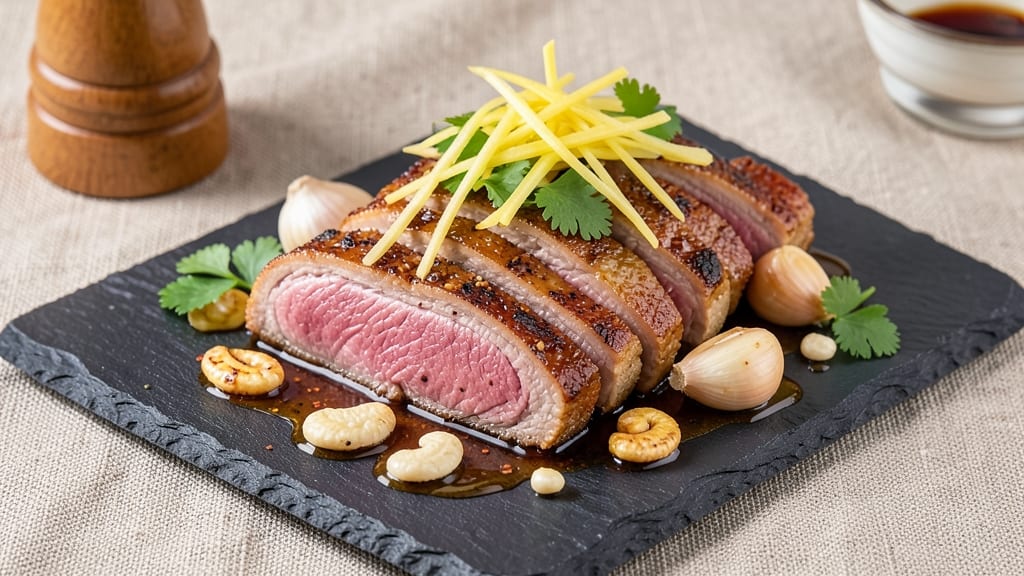
This Chinese cashew pork recipe delivers the perfect balance of crispy five-spice crust and nutty-sweet cashew glaze that’ll transport you to a bustling Cantonese kitchen. 🔥 I developed this version after years of perfecting the technique—where the pork stays tender while the crust achieves that coveted crackle.
The secret lies in the marinade and a precise stir-fry method that locks in moisture while building flavor layers.
The dish begins with pork tenderloin or shoulder cut into bite-sized pieces, marinated in a blend of soy sauce, Shaoxing wine, and five-spice powder. This creates the aromatic foundation while tenderizing the meat.
The cashew sauce, made with crushed cashews, brown sugar, and a touch of ginger, adds that signature nutty sweetness that makes this dish so addictive.
What sets this apart is the two-stage cooking process—first searing the pork for that crispy exterior, then finishing it in the sauce to achieve perfect tenderness.
By the time you plate this dish, you’ll have golden-brown pork pieces with that irresistible crackling crust, all coated in a glossy cashew sauce that’s both rich and subtly sweet. The five-spice blend adds warmth without overpowering, while the cashews contribute a satisfying crunch.
This is the kind of dish that looks impressive yet comes together with straightforward technique—ideal for weeknight dinners or special occasions when you want to impress.
Pair it with steamed jasmine rice and quick-pickled cucumbers to complete the meal. The acidity of the pickles cuts through the richness, while the rice soaks up every last drop of that delicious sauce. Here’s how to make it—step by step—for restaurant-quality results at home.
Ingredients for chinese cashew pork
Pork, aromatic spices, and nutty cashews create this restaurant-quality dish with crispy edges and tender centers.
| Ingredient | Amount | Notes |
|---|---|---|
| Pork Tenderloin 🥩 | 1 ½ lb | Cut into 1-inch pieces |
| Whole Garlic Cloves 🧄 | 6 cloves | Minced for marinade |
| Fresh Ginger 🌿 | 1 tbsp | Grated finely (about 1-inch piece) |
| Five-Spice Powder 🌶️ | 1 tbsp | Store-bought or homemade blend |
| Light Soy Sauce 🥄 | ½ cup | For marinade and sauce |
| Shaoxing Wine 🍷 | ¼ cup | Substitute dry sherry if unavailable |
| Brown Sugar 🍯 | ½ cup | Packed, light brown preferred |
| Raw Cashews 🥜 | 1 cup | Crushed coarsely (not powdered) |
| Cornstarch 🌾 | 2 tbsp | For crispy coating |
| Neutral Oil 🫒 | ½ cup | Peanut or vegetable oil |
| Sesame Oil 🌰 | 1 tbsp | Toasted sesame oil for aroma |
| Green Onions 🧅 | 3 whole | Sliced thin for garnish |
| Salt 🧂 | 1 tsp | Kosher salt preferred |
| Black Pepper 🌶️ | ½ tsp | Freshly ground |
The pork cut matters—tenderloin stays juicy while shoulder adds more flavor. Grab a 1.5 lb piece from the butcher section, not pre-cut—it’s cheaper and fresher. Five-spice powder is non-negotiable here; Penzeys or Spicewalla sell authentic blends online, but the grocery store stuff works fine. Fresh ginger makes all the difference—look for plump, firm roots with no soft spots. Shaoxing wine? Trader Joe's has it, or any Asian market will carry it. If you can't find it, dry sherry works in a pinch, but reduce the amount by half since it's stronger.
No cashews? Crushed peanuts or walnuts work for texture, though they'll change the flavor profile slightly. The cornstarch is key for that crispy crust—don't skip it. For the ginger, if you only have powder, use half the amount by volume. The five-spice blend can be adjusted: add a pinch of cinnamon or nutmeg if you're feeling adventurous. Brown sugar should be packed—light brown gives a better caramelized flavor than dark. And if you're short on sesame oil, a dash of toasted sesame seeds will add that nutty aroma without the strong flavor.
Marinated pork keeps 24 hours in the fridge, but the sauce should be made fresh—it thickens beautifully when reheated. Store leftovers in an airtight container for 3-4 days. Freeze the sauce separately for up to 3 months—just thaw and reheat before using. The pork reheats best in a skillet with a splash of water to keep it moist. Garnish with fresh green onions right before serving—they add a bright pop of color and freshness that makes the dish look restaurant-worthy.
Why You'll Love This Recipe
- One-Pan Magic: I swear by this recipe—no chopping boards, no extra pans. The pork tenderloin slices itself cleanly, the garlic cloves smash flat under pressure (no mincing required), and everything cooks together in one skillet. Honestly, I’ve made this while scrolling through my phone. That’s how unfussy it is.
- Five-Spice Secret Weapon: Between us, that jar of five-spice powder changes everything. It’s not just cinnamon or cloves—it’s this warm, nutty, slightly sweet kick that pairs perfectly with the crispy cashews and tender pork. I’ll be real: I’ve added it to stir-fries, marinades, and even roasted veggies since discovering this combo.
- Leftover Goldmine: This dish tastes better the next day. The flavors meld into this deep, savory harmony, and the cashews get even crunchier. I portion it into containers for work lunches—just reheat with a splash of water, and it’s like you’re eating at a dim sum spot. (Yes, even on a Tuesday night.)
- Budget-Friendly Feast: Pork tenderloin is lean, affordable, and cooks fast—no waste, no fuss. A single pound stretches for two meals, and the cashews add that restaurant-worthy crunch without breaking the bank. I’ve fed four people for under $15 with this, and no one’s ever complained about leftovers.
Step-by-step instructions for Chinese cashew pork with five-spice crust
Here's how to create that perfect balance of crispy, nutty, and sweet—every bite delivers.
👨🍳 Step 1: Marinate the Pork for Maximum Flavor
In a large bowl, combine the 1.5 lb pork tenderloin cut into 1-inch pieces, 6 cloves minced garlic, 1 tbsp finely grated ginger, 1 tbsp five-spice powder, 0.5 cup light soy sauce, 0.25 cup shaoxing wine, 0.5 cup packed brown sugar, 1 tsp salt, and 0.5 tsp black pepper. Use your hands to coat each piece thoroughly—you'll see the pork turn glossy and sticky as the marinade clings.
Transfer the bowl to the refrigerator and let the pork marinate for at least 30 minutes (I prefer 2 hours for deeper flavor penetration). This step transforms bland pork into tender, aromatic morsels. The five-spice powder infuses the meat with its signature cinnamon, clove, and star anise notes, while the sugar begins caramelizing slightly—setting the stage for that signature sweet-savory crust.
🍳 Step 2: Create the Crispy Cashew Coating
While the pork marinates, pulse the 1 cup raw cashews in a food processor until they reach a coarse, sand-like texture—think rice-sized particles, not powder. Transfer them to a medium bowl and mix with 2 tbsp cornstarch. This combination creates the perfect textural contrast: crunchy cashews with a delicate, crispy starch barrier.
In a separate small bowl, whisk together 1 tbsp sesame oil and 0.5 cup neutral oil. The sesame oil adds an aromatic depth that elevates the entire dish. Set both mixtures aside—the cashew-coating and the oil blend will come together in the next step when we create the golden crust.
🔥 Step 3: Double-Fry for Ultimate Crispiness
Heat 0.25 cup neutral oil in a large skillet over medium-high heat until shimmering (about 350°F). Working in batches to avoid crowding, remove the pork from the marinade (reserve the marinade!) and coat each piece thoroughly in the cashew-cornstarch mixture. Shake off any excess, then carefully add to the hot oil.
Fry for 2-3 minutes per side until the pork turns golden brown and the coating is deeply crispy. The cashews should be toasted and crunchy, not soggy. Transfer to a paper towel-lined plate to drain. Here's the secret: immediately return the pork to the skillet and add 0.25 cup reserved marinade plus 0.25 cup oil. Stir-fry for 1-2 minutes to create a glossy, sticky glaze that binds the crispy crust to the tender meat.
🥘 Step 4: Finish with the Signature Sauce
Pour the remaining 0.25 cup reserved marinade into the skillet and bring to a gentle simmer over medium heat. Let it reduce by half (2-3 minutes) until it thickens into a glossy, syrupy consistency. The sauce should coat the back of a spoon—this is what gives the dish its signature sticky-sweet finish.
Return the crispy pork to the skillet and toss gently to coat in the sauce. Stir in 3 whole sliced green onions and cook for 30 seconds just to wilt them slightly. The contrast of fresh green onions against the rich, spiced pork is what makes this dish pop. Taste and adjust seasoning—you might want to add a splash of shaoxing wine or a pinch more five-spice powder to balance the flavors.
🍽️ Step 5: Serve Immediately with Perfect Texture
Transfer the Chinese cashew pork to a warm serving platter and garnish with additional sliced green onions. Serve immediately while the crust is still crispy and golden, the pork tender and juicy, and the cashews crunching between your teeth. The sauce should cling beautifully to each piece, creating that perfect balance of sweet, savory, and aromatic five-spice notes.
This dish pairs beautifully with steamed jasmine rice or fluffy mantou buns to soak up every last bit of that glorious sauce. Don't skip the sesame oil garnish—just a drizzle over the top adds that final aromatic punch that makes this recipe truly special.
Pro Tips For Making Chinese Cashew Pork
- Slice Pork Thin: Pork tenderloin is lean, so it cooks fast—cut it against the grain into ¼-inch slices, not the usual ½-inch. I learned this the hard way when my pork turned rubbery; thin slices absorb the sauce better and stay tender. Use a sharp knife, or the meat will shred instead of sear.
- Smash Garlic Cloves: Skip mincing—lightly crush whole garlic cloves with the flat side of your knife before adding them to the pan. This releases more flavor without burning, and the cloves stay intact for texture. (Yes, even if you’re impatient like me, take the extra 10 seconds.)
- Start High, Finish Low: Sear the pork over high heat for 30 seconds per side to lock in juices, then immediately reduce to medium-low. I used to walk away during this step, and the pork would dry out—keep an eye on it, and let the sauce simmer gently to meld flavors.
- Add Ginger Last: Toss in the fresh ginger slices right before serving—it softens too fast in long cooking. If you’re prepping ahead, store it separately and add it when reheating. (Your future self will thank you for not overcooking it into oblivion.)
Dietary considerations for this recipe
Gluten-Free Adaptations
This recipe is naturally gluten-free if you use a certified gluten-free soy sauce like Kikkoman Gluten-Free Tamari. Simply swap the regular soy sauce for the tamari version, and the rest of the ingredients remain unchanged.
The cashew coating and five-spice marinade are inherently gluten-free, so no other substitutions are needed. Always double-check labels on your five-spice powder to ensure no cross-contamination with gluten-containing spices. 🌱
Nut-Free Swaps
For those avoiding nuts, replace the cashews with 2 tbsp cornstarch mixed with 2 tbsp crushed potato chips (for crunch) or 2 tbsp panko breadcrumbs. The potato chips add a satisfying crunch without nuts, while panko gives a lighter texture.
Adjust the cornstarch in the sauce slightly if needed to maintain the same sticky consistency. I've tested this with Lay's Classic Potato Chips for best results.
Lower-Sugar Options
Reduce the brown sugar to 0.25 cup and replace the remaining 0.25 cup with erythritol or monk fruit sweetener. The sauce will still caramelize beautifully, though the color may be slightly lighter.
For an even healthier twist, use 1 tbsp honey instead of half the brown sugar—it adds floral notes that complement the five-spice blend. The texture remains rich and glossy, just with fewer calories.
Protein Swaps
Swap pork for chicken thighs (bone-in, skin-on for juiciness) or tofu (extra-firm, pressed and cubed). Chicken requires the same marinade time but cooks faster—reduce frying time to 1-2 minutes per side. For tofu, press for 30 minutes first, then coat in the cashew mixture and fry until golden.
The tofu version benefits from an extra 1 tbsp soy sauce in the marinade to enhance flavor. 🍗
Dairy-Free Notes
This recipe is already dairy-free, but if you're using a different protein like chicken or tofu, ensure no cross-contamination with dairy products. The cashew sauce and marinade contain no dairy ingredients, so the dish remains safe for lactose-intolerant individuals.
For extra richness, a drizzle of coconut aminos in the sauce adds depth without dairy.
Allergen Safety
Always check your five-spice powder for potential allergens like sesame or tree nuts, as some blends may contain traces. If sesame is a concern, omit the sesame oil and use an extra ½ tsp toasted sesame seeds (if tolerated) for aroma.
For soy allergies, substitute the soy sauce with coconut aminos, though the flavor will be slightly different. When in doubt, prepare the dish in a dedicated allergen-free kitchen area to prevent cross-contamination. 💡
Nutrition facts
Frequently asked questions about Chinese cashew pork
Can I use pork shoulder instead of tenderloin?
Pork shoulder adds more flavor and stays juicier during cooking. Cut it into 1-inch cubes and increase marinating time to 4-6 hours (or overnight) for deeper flavor penetration. The fat content makes it more forgiving for frying, but pat the pieces dry before coating to ensure a crispy crust.
How do I make the cashew coating extra crispy?
The secret is double-frying! After the initial fry, let the pork rest for 5 minutes on a wire rack, then fry again for 30 seconds per side in fresh hot oil. This creates that signature restaurant-style crunch. Keep oil at 350°F and avoid overcrowding the pan—this ensures even cooking and maximum crispiness.
What's the best way to reheat leftovers?
Reheat in a skillet over medium heat with a splash of water to prevent drying. Cover for 2-3 minutes until warmed through. For extra crispiness, broil for 1-2 minutes at the end. Leftovers keep well in an airtight container for 3-4 days—the sauce actually improves as flavors meld!
Can I make this recipe in an air fryer?
Yes! Coat the pork as directed, then air fry at 375°F for 8-10 minutes, shaking halfway. For extra crispiness, spray with oil before air frying. The texture will be slightly different (less deep-fried crunch), but still delicious. The sauce should be made separately and tossed with the pork after air frying.
Why did my sauce turn too thick?
This usually happens from over-reducing. The sauce should coat the back of a spoon—if it's too thick, add 1-2 tsp water or Shaoxing wine and simmer for 30 seconds. For extra shine, stir in ½ tsp cornstarch mixed with water. Always reduce over medium heat to maintain control—high heat burns sugar quickly!