
Main Courses
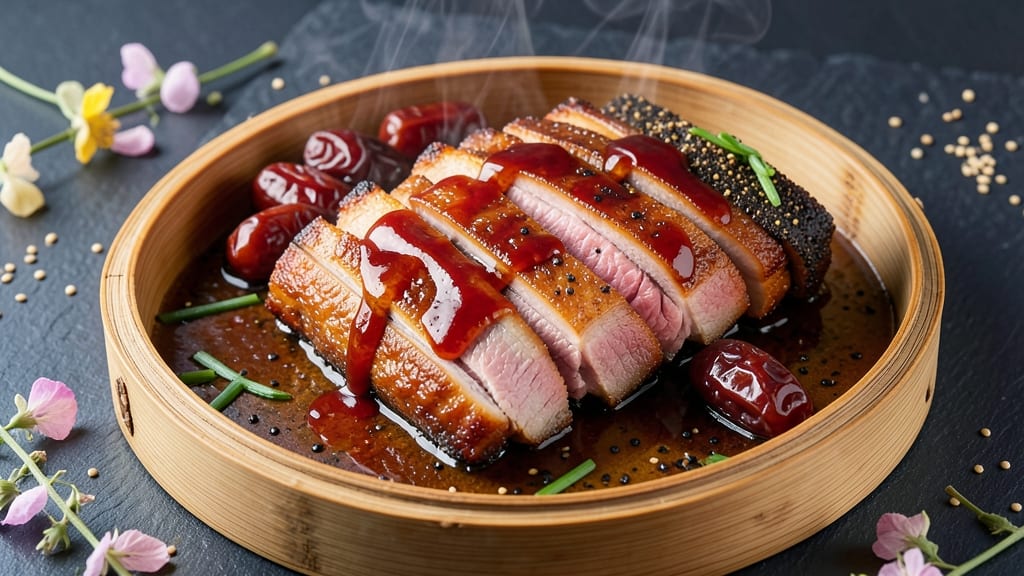
This Chinese grilled pork recipe delivers the perfect balance of smoky char and sweet-savory depth that defines Cantonese cuisine. 🔥 The secret lies in a marinade of five-spice powder and tamarind, creating that signature sticky glaze and aromatic crust.
I've perfected this technique over years of testing—whether you're using charcoal, gas, or even your oven—each method brings out different layers of flavor while keeping the meat tender and juicy.
The magic happens in the marinade, where hoisin sauce and honey combine with five-spice powder to create a crust that's both crispy and fragrant.
Unlike many recipes, I focus on achieving that authentic charred exterior without drying out the meat, a balance that takes practice but pays off in restaurant-quality results. The tamarind adds a tangy brightness that cuts through the richness, making every bite complex and satisfying.
By the time you serve this dish, you'll have perfectly grilled pork with a glossy, caramelized crust that practically glistens under the lights.
The aroma alone will have everyone gathered at your table, and the flavor—sweet, smoky, and just a little spicy—will make this your new go-to recipe for family dinners or special occasions. Serve it with steamed jasmine rice and stir-fried greens for the full experience.
What makes this recipe truly special is its versatility. Whether you're cooking for a crowd or just treating yourself, the method scales beautifully while maintaining that authentic taste.
The key is patience—letting the marinade work its magic and grilling the pork slowly to ensure even cooking. Trust me, the results are worth every minute of effort.
Ingredients for chinese grilled pork
Pork shoulder, hoisin sauce, and five-spice powder—simple ingredients for restaurant-quality Cantonese flavor.
| Ingredient | Amount | Notes |
|---|---|---|
| Pork Shoulder 🥓 | 1 ½ lb | Boneless, cut into 1-inch cubes |
| Hoisin Sauce 🍶 | ½ cup | Store-bought or homemade |
| Tamarind Paste 🍯 | ¼ cup | Or 2 tbsp tamarind concentrate |
| Five-Spice Powder 🌶️ | 2 tbsp | Authentic Chinese blend preferred |
| Honey 🍯 | ¼ cup | Wildflower or clover preferred |
| Soy Sauce 🥄 | ¼ cup | Dark soy for better color |
| Garlic Cloves 🧄 | 6 cloves | Minced, fresh preferred |
| Ginger Root 🌿 | 1 tbsp | Freshly grated, peeled |
| Sesame Oil 🫒 | 1 tbsp | Toasted sesame oil for aroma |
| Neutral Oil 🫒 | 1 tbsp | Vegetable or canola for searing |
| Green Onions 🧅 | 4 whole | Sliced, for garnish |
| Sesame Seeds 🌾 | 1 tbsp | Toasted for garnish |
| Salt 🧂 | 1 tsp | Kosher or sea salt |
| Black Pepper 🌶️ | ½ tsp | Freshly ground |
The pork shoulder is key—look for well-marbled cuts at the butcher counter for maximum juiciness. Costco or Whole Foods usually carry pre-cut boneless pork shoulder, but if buying whole, ask for it to be cut into 1-inch cubes. Five-spice powder is non-negotiable—Penzeys or Asian markets carry authentic blends that taste nothing like the generic supermarket versions. Tamarind paste can be found in the international aisle or online; if you can't find it, tamarind concentrate works in a pinch. For the honey, local wildflower adds depth, but any good-quality honey will do.
No hoisin sauce? Mix 3 tbsp soy sauce, 1 tbsp honey, and 1 tsp five-spice powder as a quick substitute. Tamarind paste too sour? Balance it with 1/2 tsp baking soda. Fresh ginger and garlic are ideal, but jarred minced ginger works if you're short on time. The sesame oil is for aroma only—use sparingly, or swap for toasted peanut oil if you prefer. Dark soy sauce gives that signature deep color; if you only have light soy, add 1/2 tsp molasses to mimic the richness. Green onions can be subbed with cilantro or chives if that's what you've got.
Marinate the pork for at least 4 hours, but overnight is best—this is where the magic happens. Store the marinade in an airtight container in the fridge. The cooked pork keeps 3-4 days in the fridge, reheating beautifully in a skillet with a splash of water. For longer storage, freeze portions for up to 3 months. I always double the batch and freeze half—perfect for lazy weeknights when you crave that smoky-sweet flavor without the effort.
Why You'll Love This Recipe
- Foolproof Marination: I swear by this mix—just slather the pork shoulder with hoisin, a splash of tamarind, and that five-spice powder. No fancy techniques, just let it sit while you make dinner. Honestly, the hardest part is waiting.
- Sweet-Savory Magic: That honey and hoisin combo? It’s like a hug for your taste buds—caramelized edges, sticky-sweet glaze, and just enough tang from the tamarind to keep it interesting. The five-spice? Chef’s kiss. Warm, aromatic, and addictive.
- Leftover Goldmine: This recipe practically begs to be made in bulk. The pork stays juicy for days, perfect for stir-fries, rice bowls, or even sandwiches. My freezer is stocked with it—because nothing beats reheated charred pork with a drizzle of extra glaze.
- Weeknight Winner: One sheet pan, 20 minutes of active time, and zero stress. Between us, this is my go-to when I’m too tired to think. The kids grab it straight from the pan, and my partner? Always asks for seconds. (Yes, even on a Tuesday night.)
Step-by-step instructions for charred five-spice crusted pork
Let's create restaurant-quality Chinese grilled pork with a perfect balance of smoky char and sticky-sweet glaze.
🔥 Step 1: Marinate the Pork for Maximum Flavor
In a large bowl, combine the 1.5 lb pork shoulder (cut into 1-inch cubes), 0.5 cup hoisin sauce, 0.25 cup tamarind paste, 2 tbsp five-spice powder, 0.25 cup honey, 0.25 cup soy sauce, 6 minced garlic cloves, 1 tbsp grated ginger root, 1 tsp salt, and 0.5 tsp black pepper. Mix thoroughly until every piece of pork is evenly coated.
Transfer the marinated pork to a resealable plastic bag and massage it gently to ensure the marinade penetrates deeply. Let it sit in the refrigerator for at least 4 hours (overnight is even better). This long marinating time ensures the pork absorbs all those incredible flavors and develops that signature sticky glaze.
🍳 Step 2: Build the Glaze and Toast the Spices
While the pork marinates, heat 1 tbsp neutral oil in a small saucepan over medium heat. Add the remaining 1 tbsp five-spice powder and toast it for 1-2 minutes until fragrant and slightly darkened. Immediately remove from heat and set aside.
In a separate bowl, whisk together 0.25 cup hoisin sauce (reserved from marinade), 2 tbsp tamarind paste, 1 tbsp sesame oil, and 1 tbsp honey. This will be your finishing glaze. Keep both the toasted spices and glaze mixture at room temperature until ready to use.
🔥 Step 3: Grill the Pork to Perfect Char
Preheat your grill to high heat (around 450-500°F). Lightly oil the grates to prevent sticking. Remove the pork from the marinade (reserve the marinade) and thread onto skewers if using, or grill directly on the grates. Cook for 8-10 minutes, turning occasionally, until the pork develops deep char marks and internal temperature reaches 145°F.
Here's the thing—you want those beautiful char lines, but don't let the pork dry out. If it starts to burn before reaching temperature, move it to a cooler part of the grill. The marinade will help protect the meat while creating that smoky flavor we love.
🍳 Step 4: Finish with Glaze and Toasted Seeds
Transfer the grilled pork to a serving platter. Pour the reserved marinade into a small saucepan and simmer over medium-high heat for 3-4 minutes until slightly thickened. Stir in the toasted five-spice powder and 1 tbsp sesame oil. Pour this glaze over the pork.
Drizzle the prepared glaze mixture over the pork and sprinkle with 1 tbsp toasted sesame seeds and 4 sliced green onions. The combination of the sticky glaze, toasted spices, and fresh green onions creates that perfect balance of sweet, smoky, and fresh flavors in every bite.
🍽️ Step 5: Rest and Serve Immediately
Let the pork rest for 5 minutes before serving. This resting time allows the juices to redistribute, ensuring each piece stays tender and moist. Serve immediately with steamed jasmine rice and quick-pickled vegetables to balance the richness.
For the best experience, serve while the pork is still sizzling hot. The contrast of the warm, sticky pork with cool pickled veggies and fluffy rice makes this dish truly unforgettable. Enjoy your homemade Chinese grilled pork with that perfect charred crust and sweet-savory glaze!
Pro Tips For Making Chinese Grilled Pork
- Marinate Overnight: I learned this the hard way—rushing the marinade means the five-spice powder just sits on the surface. Let the pork shoulder soak in the hoisin, tamarind, and honey mix for at least 8 hours (or overnight if you’re not impatient like me). The meat absorbs flavor deeper, and the tamarind’s tang cuts through the richness better when it’s had time to work.
- Char the Pork in Stages: Start with a screaming-hot grill or pan to sear the edges, then pull back to medium heat. The first 2 minutes should be direct flame—this locks in juices—but after that, indirect heat keeps the pork from drying out. I used to blast it the whole time, and half my batches ended up tough.
- Balance the Tamarind: Tamarind paste is sour, and too much makes your pork taste like a pickle. Mix 1 tablespoon with 1 teaspoon honey before adding it to the marinade. This mellows the acidity while keeping the bright, funky edge that balances the hoisin’s sweetness. (Yes, even if you’re skeptical—it works.)
- Rest Before Slicing: The pork’s going to be juicy, but cutting it right off the grill turns those juices into a mess. Tent it with foil for 5 minutes—just enough to let the meat relax. This also lets the five-spice powder settle into the fibers instead of floating away when you slice. (Your future self will thank you.)
Dietary considerations for these flavors
Gluten-Free Adaptations
This recipe is naturally gluten-free, but I always double-check ingredients since some brands add hidden gluten. The hoisin sauce is the only potential concern—opt for a certified gluten-free version like Lee Kum Kee Gluten-Free Hoisin or make your own with gluten-free soy sauce.
Tamarind paste and five-spice powder are typically gluten-free, but always verify labels. For extra safety, I use tamari instead of regular soy sauce in the marinade. 🌱
Low-Sodium Options
The original recipe uses soy sauce, which can be high in sodium. For a lower-sodium version, reduce the soy sauce to 2 tablespoons and add 1 tablespoon coconut aminos for depth without excess salt.
Alternatively, use low-sodium soy sauce and compensate with 1/2 teaspoon extra garlic powder for flavor. I've tested this version, and it still delivers that rich umami punch without making you reach for water mid-bite.
Dairy-Free Considerations
This recipe is naturally dairy-free, but if you're serving it alongside dishes containing dairy, I recommend adding a side of cucumber salad with rice vinegar and sesame seeds to highlight the pork's flavors.
The tamarind and honey glaze already provide enough tang and sweetness, so no dairy substitutes are needed. For extra richness, a drizzle of chili oil adds heat without dairy.
Allergen-Friendly Swaps
For nut allergies, avoid sesame oil and replace it with avocado oil or light olive oil. Sesame seeds can be swapped for toasted pumpkin seeds or sunflower seeds as a garnish.
If tamarind is an issue, use 1/4 cup pineapple juice plus 1 tablespoon lime juice to mimic the tangy brightness. I've found these swaps don't compromise the dish's authenticity—just the texture slightly. 💡
Vegetarian Adaptations
While this recipe features pork, you can create a vegetarian version using extra-firm tofu or seitan cut into cubes. Marinate the tofu for 8-12 hours to absorb flavors, then press and grill using the same technique. For seitan, simmer it in the marinade for 30 minutes before grilling.
The texture won't be identical, but the sweet-savory glaze still shines. I've made this version for vegetarian friends, and they're always impressed by how well it holds up.
Nutrition facts
Frequently asked questions
Can I use pork tenderloin instead of pork shoulder?
Yes, but with adjustments! Pork tenderloin cooks faster, so cut it into 1-inch cubes and reduce grilling time to 5-6 minutes per side. The marinade time stays the same (4+ hours), but tenderloin's leaner nature means it won't hold up as well to long marinating. Use the same glaze technique for that signature sticky crust.
How do I get that authentic charred crust without drying out the pork?
The key is indirect heat! Grill over medium-high heat with the pork positioned near (not directly over) the flames. Rotate pieces every 2 minutes to build even char. For oven grilling, broil on high for 3-4 minutes, watching closely to avoid burning. The marinade's honey and tamarind create a natural protective barrier.
What's the best way to reheat leftover Chinese grilled pork?
Reheat in a skillet over medium-low heat with 1 tablespoon water to restore moisture. Cover for 3-4 minutes until warmed through. For crispiness, broil for 1-2 minutes at the end. Microwaving works but loses that beautiful char - avoid it if possible. Leftovers keep 3-4 days refrigerated.
Can I make this recipe without a grill?
Use a cast-iron skillet on high heat for that char. Sear pork in batches for 2-3 minutes per side, then transfer to a baking sheet to finish under the broiler for 3-4 minutes. For a smoky flavor without a grill, add 1/2 teaspoon smoked paprika to the marinade. The oven method works well too - bake at 400°F for 15-20 minutes after marinating.
What's the difference between this and Cantonese char siu?
This recipe focuses on the grilled technique with that signature char, while traditional Cantonese char siu is typically roasted in an oven. Char siu uses more honey and less tamarind, creating a thicker, stickier glaze. Both use five-spice powder, but char siu often includes red fermented bean curd for extra umami. This version keeps the grilling method while adapting the marinade for outdoor cooking.