
Main Courses
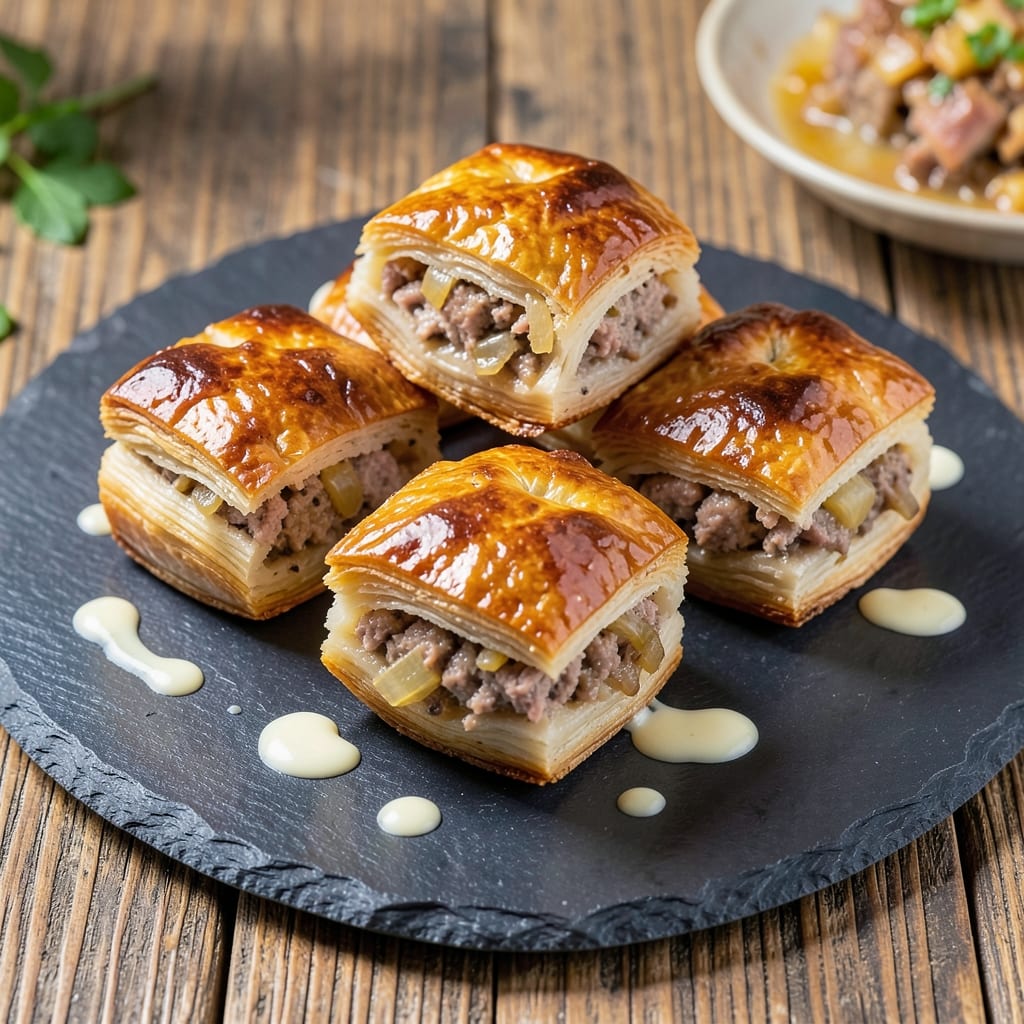
This English mini pork pie recipe delivers the perfect balance of flaky pastry and rich, savory meat filling that tastes like a British pub classic. 🔥 I remember the first time I tasted these at a countryside inn—they were so tender and aromatic, I knew I had to recreate them at home. The secret lies in a well-seasoned pork filling and a suet crust that stays crisp even after baking.
What sets these mini pork pies apart is the technique: blind-baking the pastry ensures a golden, crisp shell, while the filling—a blend of minced pork, onions, and aromatic spices—simmers until tender and deeply flavorful. I’ve perfected this recipe over years of testing, ensuring every bite delivers that satisfying contrast between the buttery crust and rich filling.
The result is a batch of mini pork pies that look impressive yet are simple to make. They’re ideal for appetizers, picnic spreads, or even a cozy family dinner. Serve them warm with a dollop of mustard or horseradish sauce for the full British experience.
Once you try these, you’ll never buy store-bought again—they’re that good. The filling stays moist, the crust stays crisp, and the flavors are pure comfort food. Let’s get baking!
Ingredients for english mini pork pie
Pork, pastry, and spices—this trio makes the perfect British pub classic.
| Ingredient | Amount | Notes |
|---|---|---|
| Ground Pork 🐖 | 1 ½ lb | Lean or regular, minced finely |
| Yellow Onion 🧅 | 1 whole | Finely chopped, medium size |
| Suet Pastry 🥧 | 1 sheet | Store-bought or homemade |
| All-Purpose Flour 🌾 | ½ cup | For dusting and sealing |
| Large Eggs 🥚 | 1 whole | For egg wash |
| Unsalted Butter 🧈 | ¼ cup | Cold, cubed for pastry |
| Salt 🧂 | 1 tsp | Kosher or sea salt |
| Ground Black Pepper 🌶️ | ½ tsp | Freshly ground preferred |
| Ground Nutmeg 🌿 | ¼ tsp | Freshly grated for warmth |
| Ground Cloves 🌶️ | ¼ tsp | Lightly toasted for depth |
| Ground Allspice 🌶️ | ¼ tsp | For aromatic richness |
| Beef Stock 🥄 | ½ cup | Low-sodium preferred |
| Milk 🥛 | 1 tbsp | For pastry tenderness |
| Horseradish Sauce 🍯 | ¼ cup | For serving, optional |
The ground pork is where the magic happens. Look for lean pork at the grocery store's meat counter—they'll often grind it fresh for you if you ask. I grab mine from Whole Foods when I can for the best quality, but the regular supermarket stuff works just fine. The spices are non-negotiable here—Penzeys or the bulk bins at natural food stores give you the freshest, most aromatic options. Toast your whole spices lightly in a dry pan before grinding for an extra depth of flavor. The suet pastry is the star of the crust—store-bought sheets save time, but making your own from scratch gives that authentic flaky texture.
No ground pork? Finely chopped pork shoulder works in a pinch, but it won't be as tender. Short on allspice? Cinnamon and nutmeg together can mimic that warm, slightly sweet note. The beef stock can be swapped for vegetable stock if you're avoiding meat entirely, though the flavor will be subtly different. For the pastry, if you can't find suet pastry, shortcrust pastry with extra butter gets you close. The egg wash is crucial—don't skip it, even if you're in a rush. And if you're feeling fancy, add a pinch of cayenne to the filling for a little kick.
The pastry dough keeps best wrapped in plastic in the fridge for 2 days, while the filling can be prepped ahead and stored for 3 days. Assemble the pies just before baking for the crispiest crust. These reheat beautifully—350°F for 10 minutes brings them back to life. For a party, make a double batch—they disappear fast. Store leftovers in an airtight container for up to 5 days, or freeze for 3 months. The filling freezes especially well, so you can always bake fresh crusts later.
Why You'll Love This Recipe
- I’ll be real: these mini pies are my go-to for gatherings. They’re small enough to pack in a basket for a day out, or big enough to serve a crowd when cut into wedges. (Yes, even on a Tuesday night, they disappear faster than you’d think.)
- One-Bowl Magic: Honestly, the filling comes together in one bowl—no chopping, no fuss. Just brown the pork and onion, mix in the seasonings, then fold in the flour and egg. That suet pastry? It’s pre-rolled and forgiving, so even if my fingers get a little messy, the pies still turn out golden and tender.
- Savory Crunch Perfection: Between us, the crispy pastry edge with that juicy, herby pork filling is ridiculously satisfying. The suet adds a buttery richness that’s not too heavy, and the onions caramelize just enough to make every bite taste like a cozy pub meal—no fancy ingredients, just pure comfort.
- Picnic or Party Ready: I’ll be real: these mini pies are my go-to for gatherings. They’re small enough to pack in a basket for a day out, or big enough to serve a crowd when cut into wedges. (Yes, even on a Tuesday night, they disappear faster than you’d think.)
Step-by-step instructions for English mini pork pies
Here's how to create those iconic, golden-crusted mini pies with tender meat filling.
👨🍳 Step 1: Prepare the Savory Filling
In a large skillet over medium heat, add the 1.5 lb ground pork and cook until it loses its raw color and begins to brown, breaking it up with a wooden spoon. This should take about 5-7 minutes. You'll see the meat release its juices and start to sizzle—this is when all those rich pork flavors begin to develop.
Add the finely chopped yellow onion and cook for another 5 minutes until softened and translucent. Here's where the aromatics get to work—you'll smell that sweet onion caramelizing. Stir in the 0.5 cup beef stock, scraping up any browned bits from the bottom of the pan. These bits are pure flavor, so don't miss this step!
Lower the heat to low and add the 1 tsp salt, 0.5 tsp ground black pepper, 0.25 tsp ground nutmeg, 0.25 tsp ground cloves, and 0.25 tsp ground allspice. Let the mixture simmer gently for 10 minutes until the liquid reduces and the filling thickens slightly. You want it to be moist but not soupy—it should hold its shape when packed into the pastry cups.
🥘 Step 2: Assemble the Mini Pies
Preheat your oven to 425°F. Roll out the 1 sheet suet pastry on a lightly floured surface to about 1/8-inch thickness. Cut into 4-inch circles using a round cutter or glass. You should get about 8-10 circles from one sheet—this makes about 4 pies with two layers each.
Press each circle gently into a mini pie mold or small ramekin, creating a cup shape. Spoon about 2 tablespoons of the pork filling into each pastry cup, mounding it slightly in the center. The filling should be visible through the pastry—this ensures even cooking and that beautiful golden crust.
For the top layer, roll out another sheet of pastry and cut 4-inch circles again. Brush the edges of the filled cups with 1 beaten egg (the 1 whole large egg you have), then place a top circle over each, pressing gently to seal. Use a fork to crimp the edges decoratively—this not only looks pretty but also helps seal the pies for that perfect flaky finish.
🔥 Step 3: Bake to Golden Perfection
Place the assembled mini pies on a parchment-lined baking sheet. Brush the tops with the remaining egg wash for a glossy finish. Bake in the preheated 425°F oven for 20-25 minutes until the pastry is deep golden brown and puffed slightly. The filling should be bubbling gently through the pastry—this is your signal that it's cooking through.
Here's the thing—don't open the oven door during baking. The sudden temperature drop can cause the pies to deflate. If you're worried about doneness, trust the 20-25 minute timeframe and the golden color. When they're done, transfer the pies to a wire rack to cool for 10 minutes. This resting time lets the filling set slightly and makes them easier to handle.
🍽️ Step 4: Serve with Horseradish Sauce
Run a small knife around the edges of each pie to loosen them from the molds. Carefully invert onto a serving plate—you'll want to do this gently to avoid spilling the filling. The pies should hold their shape with a crisp, flaky crust that shatters slightly when you cut into them.
Serve warm with the 0.25 cup horseradish sauce on the side. This classic pairing adds a sharp, tangy contrast to the rich pork filling. For extra flakiness, brush the warm pies with a little melted unsalted butter before serving. Each bite should deliver that perfect combination of crisp pastry, tender meat, and aromatic spices—just like traditional English pub fare.
Pro Tips For Making English Mini Pork Pie
- CHILL THE SUET PASTRY: Suet pastry is stubborn—it cracks when too warm. Pop it in the fridge for 20 minutes before rolling, even if the recipe doesn’t say so. I learned this the hard way when my first batch turned into a pastry disaster. Trust me, it’s not worth the fight.
- SWEAT THE ONIONS LOW: Don’t rush the onions—cook them on medium-low heat until they’re soft and translucent, about 8-10 minutes. Rushing this step makes the filling taste raw and dull. If they stick, add a splash of water and stir it in.
- PACK THE PORK FIRMLY: After mixing the filling, press it into the pastry cases with a spoon—pack it down tight. Loose filling shrinks during baking, leaving sad, empty gaps. A good firm press means every bite stays juicy.
- EGG WASH AFTER BAKING: Brush the tops with beaten egg after baking, not before. The heat sets the wash better, giving you that glossy finish without making the pastry soggy. Skip the pre-bake wash—it’s a rookie move.
Troubleshooting this recipe
Pastry Won't Hold Shape
If your suet pastry cracks or collapses during baking, it’s usually because the dough was too warm or the filling was overstuffed. I’ve found that chilling the pastry for 30 minutes before rolling helps prevent cracking. Also, make sure your filling isn’t too wet—it should hold its shape when packed into the pastry cups. If it’s too soupy, simmer it longer to thicken slightly. 🥧
Filling Too Dry or Grainy
A dry or grainy filling often means the pork wasn’t cooked long enough to render its fat properly. Brown the pork thoroughly for 5-7 minutes until it loses its raw color and releases juices. If your filling still feels dry, add 1-2 tablespoons of beef stock to moisten it. For a smoother texture, pulse the pork briefly in a food processor before cooking—just don’t overdo it, or the filling will turn mushy. 🐖
Pies Deflating in Oven
Deflating pies are usually caused by opening the oven door too early or not sealing the edges properly. Once you’ve placed the pies in the oven, resist the urge to peek! The sudden temperature drop can cause them to collapse. Also, ensure the pastry edges are well-sealed with egg wash and pressed firmly together. If they still deflate, try blind-baking the bottom crusts for 5 minutes before adding the filling. 🔥
Crust Too Pale or Undercooked
A pale crust often means the oven wasn’t hot enough or the pies weren’t baked long enough. Preheat your oven for at least 15 minutes before baking, and use an oven thermometer to confirm it’s hitting 425°F. If your crust still looks pale, extend the baking time by 5 minutes and brush the tops with more egg wash for extra browning. A light spray of water before the final 2 minutes of baking can also help create a glossy finish. 🌟
Filling Leaking Through Pastry
Leaky filling usually means the pastry wasn’t sealed tightly enough or the filling was packed too high. Press the top and bottom crusts together firmly, and use a fork to crimp the edges to create a good seal. If the filling is still bubbling through, reduce the amount slightly—it should be mounded but not overflowing. For extra insurance, chill the assembled pies for 15 minutes before baking to help the pastry set. 💡
Nutrition facts
Frequently asked questions
Can I make these mini pork pies without suet pastry?
While suet pastry is traditional, you can substitute with shortcrust pastry by adding an extra 2 tablespoons of cold butter per cup of flour. The texture will be slightly different but still delicious. For extra flakiness, chill the dough for 1 hour before rolling.
How do I store leftover mini pork pies?
Store them in an airtight container at room temperature for up to 3 days. For longer storage, freeze for 3 months—thaw overnight in the fridge before reheating at 350°F for 10 minutes. The filling freezes especially well, so you can always bake fresh crusts later.
What's the secret to getting that perfect golden crust?
The golden color comes from a combination of egg wash and proper baking. Brush the tops generously with beaten egg before baking, then bake at 425°F until deep golden brown. For extra shine, spray with water in the last 2 minutes of baking. Don't open the oven door during baking—this causes temperature drops that prevent browning.
Can I make these ahead of time?
Yes! Assemble the pies and refrigerate for up to 24 hours before baking. For make-ahead convenience, bake them a day ahead and reheat at 350°F for 10 minutes before serving. The flavors actually improve slightly as they sit, making them perfect for meal prep.
What's the best way to serve these mini pork pies?
Serve them warm with classic British accompaniments like horseradish sauce or Dijon mustard. They're also perfect for picnics, appetizers, or as part of a pub-style platter with pickles and cheese. For extra flair, brush with melted butter before serving. Each bite should deliver that perfect balance of crisp crust and savory filling.