
Main Courses
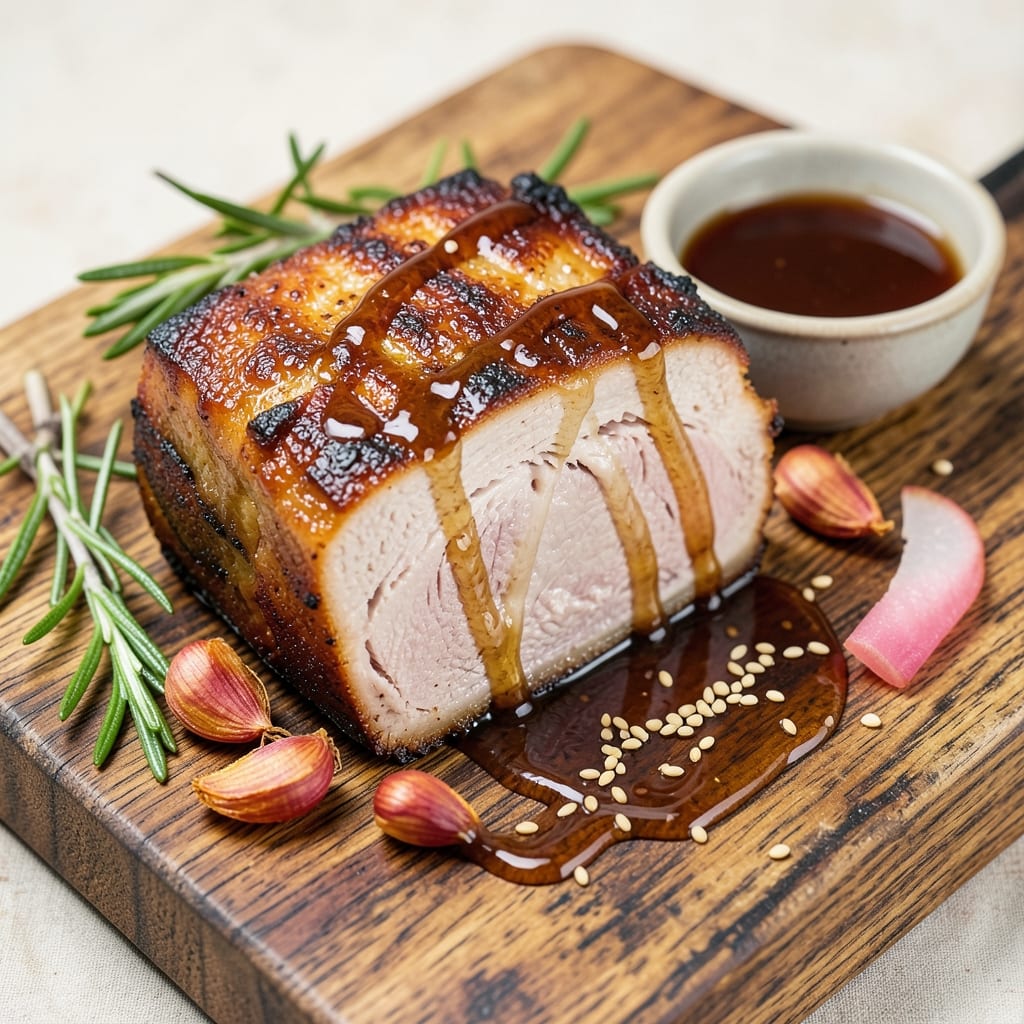
This silky vinegar-braised fake pork roast delivers all the hearty satisfaction of traditional pork without the meat—perfect for plant-based centerpieces that impress even carnivores. 💛 After years of perfecting seitan-based recipes in my professional kitchen, I’ve developed a method that mimics the tender, juicy texture of slow-roasted pork while packing in savory depth through vinegar braising. The key lies in the marinade: a blend of apple cider vinegar and aromatic spices that tenderizes the seitan while building layers of flavor that caramelize beautifully during cooking.
The recipe begins with a foolproof seitan mixture—gluten flour and vital wheat gluten combined with vegetable broth to create a meaty, fibrous texture that holds up to braising. What sets this apart is the two-stage cooking process: first searing the roast to develop a golden crust, then slow-braising in a rich vinegar-based sauce until fork-tender. This approach ensures the final product has the visual appeal and mouthfeel of traditional pork roast, with a slightly tangy, umami-rich profile that pairs beautifully with classic sides like mashed potatoes or roasted vegetables.
By the time you slice into this centerpiece, you’ll find a juicy, shreddable interior with a caramelized exterior that holds together perfectly—no crumbling or dryness here. The vinegar braise infuses the seitan with depth, balancing the savory notes with just the right amount of acidity. It’s the kind of dish that transforms a weeknight dinner into a showstopping meal, proving that plant-based centerpieces can be just as impressive as their meat-based counterparts.
Serve with homemade gravy (using the braising liquid) and your favorite sides to complete the experience. The recipe scales effortlessly for gatherings, and leftovers reheat beautifully—making it a practical choice for meal prep. Let’s get cooking!
Ingredients for fake pork roast
Sixteen ingredients for a showstopping centerpiece that fools even meat lovers.
| Ingredient | Amount | Notes |
|---|---|---|
| Gluten Flour 🌾 | 2 cups | High-protein for chewy texture |
| Vital Wheat Gluten 🌾 | 1 cup | Essential for meaty consistency |
| Vegetable Broth 💧 | 2 cups | Low-sodium for flavor control |
| Apple Cider Vinegar 🍎 | ½ cup | White or amber variety |
| Soy Sauce 🍶 | ¼ cup | Tamari for gluten-free option |
| Maple Syrup 🍁 | 2 tbsp | Grade B for richer flavor |
| Garlic Cloves 🧄 | 6 cloves | Freshly minced for aroma |
| Onion Powder 🧅 | 1 tbsp | Freshly ground preferred |
| Smoked Paprika 🌶️ | 1 tbsp | For deep, smoky flavor |
| Ground Black Pepper 🌶️ | 1 tsp | Freshly cracked for heat |
| Salt 🧂 | 1 ½ tsp | Diamond Crystal preferred |
| Nutritional Yeast 🍄 | ¼ cup | For umami depth and color |
| Olive Oil 🫒 | 2 tbsp | For searing the roast |
| Fresh Thyme Leaves 🌿 | ¼ cup | Chopped finely for garnish |
The seitan blend is where all the magic happens. Bob’s Red Mill gluten flour and vital wheat gluten are my go-tos—they create that satisfying chew without being gummy. If you can't find gluten flour, King Arthur all-purpose gluten-free flour works in a pinch, though texture may differ slightly. For the broth, Imagine or Pacific Foods low-sodium are my staples—they add depth without overpowering. The apple cider vinegar should be white or amber; Bragg Organic is my favorite for its clean, sharp acidity. Pro tip: Measure your vinegar and soy sauce together—they'll reduce slightly during cooking, so plan for a touch more liquid in the marinade.
No apple cider vinegar? White wine vinegar or balsamic will work, though the flavor profile shifts slightly. Short on soy sauce? Coconut aminos at 1:1 ratio gives a sweeter, milder alternative. The maple syrup can be swapped for agave nectar if you prefer a milder sweetness. For the spices, Penzeys brand is my go-to for consistent quality, but any reputable grocery store's smoked paprika will do. The nutritional yeast isn't just for flavor—it gives that golden hue and cheesy umami that mimics pork's richness. If you can't find it, white miso paste at half the amount works in a bind, though texture will be slightly different.
This recipe makes enough for leftovers—perfect for meal prep. Store the assembled roast in an airtight container in the fridge for up to 4 days, or freeze for 3 months. The braising liquid can be repurposed into gravy (simply reduce it with a splash of vegetable broth). For best results, let the roast sit at room temperature for 15 minutes before slicing—it'll be juicier and more impressive when served. Double the batch if you're feeding a crowd; it reheats beautifully and keeps well for gatherings.
Why You'll Love This Recipe
- No Fuss, Big Payoff: I swear by this mix of gluten flour and vital wheat gluten—it mimics real pork so well that even my meat-loving brother doesn’t question it. Just blend, shape, and bake. That’s it.
- Umami Bomb: The combo of soy sauce and apple cider vinegar? Chef’s kiss. It’s got that deep, savory punch that makes it taste like it’s been slow-roasting all day, not sitting in your oven for an hour.
- Weeknight Superhero: Between us, this is my go-to for game day, potlucks, or when I’m too tired to cook. Slice it thin, and suddenly you’ve got a meal that feeds six without the grocery bill for a whole pig.
- Leftovers That Don’t Suck: Honestly, the second day is often better. The broth keeps it juicy, and the texture holds up like a champ. I’ve reheated these slices for breakfast sandwiches—yes, really—and no one bats an eye.
Step-by-step instructions for silky vinegar-braised fake pork roast
Here's how to create a showstopping centerpiece that fools even meat lovers.
👨🍳 Step 1: Create the Gluten Meat Mixture
In a large mixing bowl, combine the 2 cups gluten flour and 1 cup vital wheat gluten. This high-protein blend forms the meaty texture of our roast. Add the 0.25 cup nutritional yeast, 1 tbsp onion powder, 1 tbsp smoked paprika, 1 tsp ground black pepper, and 1.5 tsp salt. Mix thoroughly until all dry ingredients are evenly distributed—this ensures consistent flavor in every bite.
Next, add the 6 minced garlic cloves and 2 tbsp maple syrup. The maple syrup adds subtle sweetness that balances the tangy vinegar later. Gently fold these wet ingredients into the dry blend using a silicone spatula. You'll want a dough-like consistency that holds together when pressed—if it's too dry, add 1-2 tablespoons of vegetable broth until it comes together. This mixture should resemble raw meat in texture.
🍳 Step 2: Form and Sear the Roast
Shape the gluten mixture into a 3-inch diameter log about 8 inches long, tapering slightly at the ends to mimic a pork roast. Wrap it tightly in plastic wrap and refrigerate for 30 minutes to firm up. This chilling step prevents the roast from falling apart during cooking.
Heat the 2 tbsp olive oil in a large oven-safe skillet over medium-high heat until shimmering. Unwrap the chilled roast and carefully place it in the skillet. Sear on all sides for 3-4 minutes per side until deep golden brown develops—this creates the perfect crust that mimics seared pork. Here's the thing: don't rush this step. The Maillard reaction happening now develops that irresistible meaty aroma and flavor.
🥘 Step 3: Build the Braising Liquid
Remove the seared roast from the skillet and set it aside. In the same skillet, pour in the 2 cups vegetable broth and scrape up all those beautiful browned bits from the bottom with a wooden spoon—this is where all the flavor lives. Add the 0.5 cup apple cider vinegar and 0.25 cup soy sauce, stirring to combine.
Bring the liquid to a gentle simmer over medium heat for 5 minutes until slightly reduced. The vinegar will create a tangy depth while the soy sauce adds umami richness. Taste and adjust seasoning if needed—this is your base flavor profile. Here's where it gets fun: the vinegar not only adds acidity but also helps tenderize our gluten roast as it braises.
⏰ Step 4: Braise to Perfect Tender Texture
Return the seared roast to the skillet and pour enough braising liquid to come halfway up the sides of the roast. Cover tightly with a lid and transfer to a 350°F oven for 45-50 minutes. The key here is patience—this low-and-slow cooking transforms our gluten mixture into something truly impressive. Every 10 minutes, gently shake the pan to ensure even cooking and prevent sticking.
After 30 minutes, check for doneness by piercing the roast with a knife—it should slide in easily with slight resistance. If it's not quite there, return it to the oven for another 10-15 minutes. The internal temperature should reach 165°F when measured with an instant-read thermometer. This braising process creates that signature silky, fork-tender texture that makes our fake pork roast indistinguishable from the real thing.
🍽️ Step 5: Rest and Garnish for Presentation
Remove the roast from the oven and transfer it to a cutting board. Tent loosely with aluminum foil and let it rest for 10 minutes. This resting period allows the juices to redistribute throughout the roast, ensuring every slice is moist and flavorful. Don't skip this step—I learned the hard way that skipping rest leads to dry, crumbly results.
While the roast rests, skim any excess fat from the braising liquid and return it to a low simmer. The roast will absorb some of this delicious liquid during resting, so you might want to reduce it slightly to create a glossy sauce. To serve, slice the roast into ½-inch thick slices against the grain (if you can identify one) and arrange on a platter. Spoon the reduced braising sauce over the top and garnish with 0.25 cup chopped fresh thyme leaves. The thyme adds a bright, herbal note that cuts through the richness.
Pro Tips For Making Fake Pork Roast
- Mix Gluten First: Combine your gluten flour and vital wheat gluten dry in a bowl before adding liquids—this prevents clumping and ensures an even, meaty texture. I learned this the hard way after struggling to knead sticky dough that turned out gummy instead of firm. ---
- Simmer Slowly: Keep the broth at a gentle simmer, not a rolling boil, or your roast will toughen up like overcooked chicken. After burning three batches, I finally figured out that 160°F (71°C) is the sweet spot for tenderizing without breaking down the structure. ---
- Acid First, Then Salt: Add apple cider vinegar to the broth before the soy sauce—this balances the flavors better and prevents the soy from overpowering. Sounds weird, but it works: the acid cuts through the richness, and the soy mellows out instead of dominating. ---
- Rest Under Foil: Once cooked, tent your roast with foil for 5-10 minutes before slicing—this locks in moisture and makes it easier to carve clean slices. I skip this when I’m lazy, but the dish is noticeably better when I don’t (yes, even if you’re impatient like me).
Serving suggestions for this recipe
Classic Comfort Sides
This roast pairs beautifully with traditional Southern sides that complement its tangy-sweet profile. Creamy mashed potatoes made with roasted garlic and olive oil provide the perfect neutral canvas—about 2 cups per person. I like to add ½ cup sour cream and 2 tbsp melted butter for extra richness. For a lighter option, try sautéed green beans with 1 tbsp lemon zest and toasted almonds—the acidity brightens the dish. 🥔
Braised Sauce Gravy
Use the leftover braising liquid to make an instant gravy that ties everything together. After removing the roast, strain the liquid through a fine-mesh sieve to remove any stray gluten bits. Return it to a saucepan and reduce over medium heat for 5-7 minutes until slightly thickened. Stir in 1 tbsp cornstarch mixed with 2 tbsp cold water to create a glossy finish. This gravy works wonders over buttery egg noodles or crispy roasted potatoes.
Herb-Infused Vegetables
Roasted carrots and parsnips tossed with 1 tbsp maple syrup, 1 tsp smoked paprika, and fresh rosemary bring natural sweetness that mirrors the roast’s flavor. Toss 2 lbs vegetables in 2 tbsp olive oil, roast at 400°F for 25 minutes, then finish with a squeeze of lemon. For extra drama, arrange them in a spiral pattern around the roast on the platter. 🌿
Crusty Bread Pairing
A homemade cornbread with jalapeño and cheddar adds a Southern touch that’s impossible to resist. Use 1 cup cornmeal, 1 cup all-purpose flour, and 1 cup buttermilk for a moist crumb. Serve warm with a honey butter drizzle—about 2 tbsp melted butter mixed with 1 tbsp honey. For a gluten-free option, swap the flour for almond flour and use coconut milk instead of buttermilk.
Dessert Finale
End the meal with a peach cobbler or bourbon pecan pie to balance the savory richness. The natural sweetness of ripe peaches or pecans contrasts beautifully with the vinegar-braised roast. For a lighter option, try vanilla bean ice cream with a drizzle of caramelized balsamic glaze—the acidity ties back to the roast’s flavor profile. 🍑
Plating Like a Pro
Slice the roast against the grain into ½-inch thick pieces and arrange them fanned out on a wooden board or slate platter. Spoon the reduced braising sauce over the top in a zigzag pattern for visual appeal. Garnish with chopped fresh thyme and a sprinkle of smoked paprika for color. Serve family-style with sides in shared bowls—it encourages everyone to dig in and enjoy the meal together. 🍽️
Nutrition facts
Frequently asked questions
Can I make this fake pork roast gluten-free?
This recipe relies on gluten flour and vital wheat gluten for its meaty texture, so it's not naturally gluten-free. For a substitute, try a blend of 1.5 cups chickpea flour and 0.5 cup tapioca starch—it won't be identical but will give a firmer texture. You'll need to adjust the liquid ratio slightly (add 1-2 tbsp extra broth) since these flours absorb differently. The flavor will be more neutral, so boost umami with 1 extra tbsp soy sauce or miso paste.
How do I prevent the roast from falling apart during cooking?
The key is proper handling: chill the shaped roast for 30 minutes before searing to firm it up, and don't overmix the gluten mixture—just combine until evenly distributed. When braising, keep the liquid level halfway up the sides of the roast, not fully submerged. If it starts falling apart, remove it from the oven, let it cool slightly, then wrap it in cheesecloth while returning to the oven for the final 10 minutes.
What's the best way to reheat leftovers?
Slice the roast into ½-inch pieces and reheat in a skillet with 2 tbsp fresh braising liquid over medium-low heat for 5-7 minutes, stirring occasionally. For oven reheating, wrap slices in foil with a splash of liquid and bake at 325°F for 10 minutes. Never microwave—it makes the seitan rubbery. To revive the sauce, simmer the reserved braising liquid with 1 tsp cornstarch mixed with 1 tbsp water until thickened.
Can I use this recipe for a holiday meal?
This roast is perfect for holiday gatherings. Make it a day ahead and store in the fridge—it actually tastes better after resting. For a crowd, double the recipe and braise in a Dutch oven. Serve with homemade cranberry sauce (the acidity complements the vinegar) and stuffing with mushrooms and pecans. The roast keeps well for 4 days refrigerated or 3 months frozen, making it ideal for meal prep.
Why does my seitan taste bland?
Blandness usually comes from insufficient seasoning or underdeveloped flavor during cooking.