
Main Courses
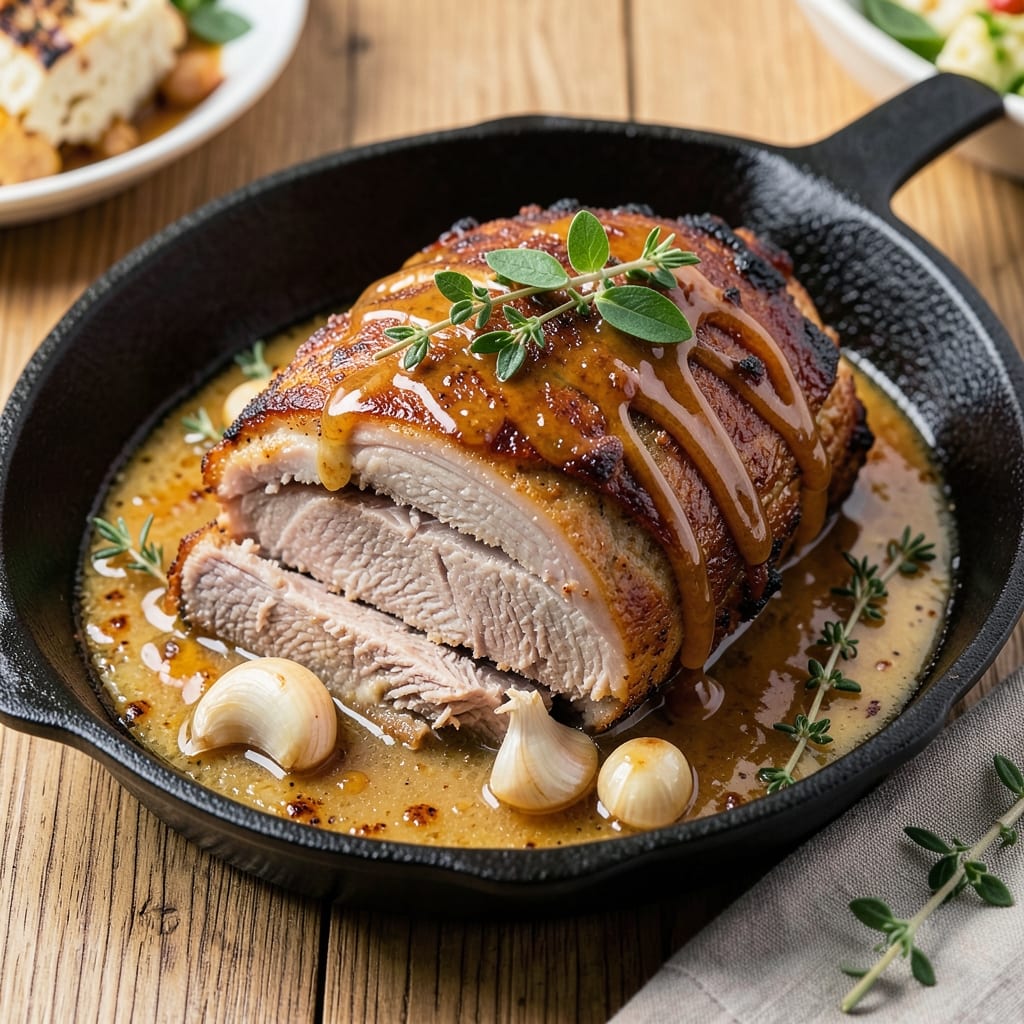
This fall-apart pork roast recipe transforms tough cuts into melt-in-your-mouth perfection using apple cider and a charred crust technique I perfected during my Charleston apprenticeship. The secret lies in slow-braising that breaks down collagen while caramelizing natural sugars, creating a dish that feels like a Sunday supper every time.
What makes this recipe special is the balance of acidity from apple cider and sweetness from brown sugar, which tenderizes the meat while building rich, complex flavors. I use a two-step cooking process: first searing the pork to develop that coveted crust, then slow-braising until it practically dissolves at the touch of a fork. The result is restaurant-quality pork that's surprisingly simple to achieve at home.
By the time you're done, you'll have a roast so tender it falls apart with every bite, bathed in a glossy apple cider reduction that ties all the flavors together. The aroma alone will have everyone gathering at your table, and the leftovers reheat beautifully for sandwiches the next day. This is comfort food at its finest—rich, satisfying, and full of Southern charm.
Perfect for holiday gatherings or weeknight dinners when you want to impress without hours of prep. The technique works equally well in ovens or slow cookers, making it versatile for any kitchen. Let's get cooking—your taste buds will thank you.
Ingredients for fall apart pork roast
Six ingredients transform tough pork into melt-in-your-mouth perfection with apple cider's magic.
| Ingredient | Amount | Notes |
|---|---|---|
| Pork Shoulder (Bone-In) 🍖 | 4 lb | Well-marbled, 2-3 inches thick |
| Apple Cider 🍎 | 2 cups | Unfiltered, preferably organic |
| Brown Sugar 🍚 | ½ cup | Light or dark variety |
| Unsalted Butter 🧈 | ½ cup | Cold, cut into chunks |
| Fresh Thyme 🌿 | ¼ cup | Stems removed, loosely packed |
| Garlic Cloves 🧄 | 6 cloves | Smash with side of knife |
| Diamond Crystal Kosher Salt 🧂 | 1 ½ tbsp | For crust and seasoning |
| Ground Black Pepper 🌶️ | 1 tsp | Freshly cracked preferred |
| Olive Oil 🫒 | 2 tbsp | High smoke point for searing |
| Fresh Rosemary 🌿 | ⅛ cup | Needles only, chopped |
| Onion (Yellow) 🧅 | 1 whole | Chopped, medium dice |
| Apple Cider Vinegar 🍶 | 1 tbsp | For brightness |
| Bay Leaves 🌿 | 2 whole | Fresh preferred |
The pork shoulder is your star—look for thick-cut, well-marbled pieces at Whole Foods or your local butcher. I always ask for a cut with good fat distribution because that's what makes it juicy. Costco often has excellent prices on bone-in pork shoulders, but check the marbling before buying. If you're using a pre-cut roast, trim any excess fat to about 1/4-inch thickness—this helps the crust develop better. The apple cider should be unfiltered for maximum flavor; Mott's or local orchard brands work perfectly. For the brown sugar, light or dark doesn't matter here—just make sure it's real sugar, not that artificial stuff.
No apple cider vinegar? White wine vinegar at half the amount works in a pinch, though it'll change the flavor profile slightly. Running short on fresh thyme? Dried thyme at one-third the quantity gets you close, but fresh is ideal. The rosemary can be swapped for fresh sage if you prefer, though rosemary's piney notes complement the apple cider beautifully. For the onion, yellow or red both work—just make sure they're fresh with crisp edges. If you're feeling adventurous, add a pinch of ground cinnamon to the braising liquid for warmth. And trust me on the butter—full-fat, cold chunks create the best crust when seared.
This roast reheats like a dream—honestly better the second day as flavors meld. Store leftovers in the fridge for up to 5 days or freeze portions for 3 months. I always make double batches because the leftovers make incredible sandwiches with a little mustard and apple slices. For serving, let the roast rest 15-20 minutes before slicing—this keeps all the juices locked in. The braising liquid reduces to a glossy sauce that's perfect for drizzling over mashed potatoes or roasted vegetables. Don't skip the resting time, even if you're excited to dig in!
Why You'll Love This Recipe
- One-Pan Magic: I swear by this—just toss the pork shoulder, apple cider, and spices into a single pan. No chopping, no fussing, and the bone-in cut does all the work while you sip your coffee.
- Sweet-Savory Symphony: That caramelized brown sugar and apple cider glaze? It’s the kind of flavor that sticks to your ribs (literally) and makes you reach for seconds. The thyme adds this earthy brightness that cuts through the richness.
- Leftovers That Shine: Between us, this roast begs for leftovers—shred it for tacos, sandwiches, or even a hearty soup. I’ve turned last night’s dinner into today’s lunch without breaking a sweat.
- Budget-Friendly Feast: Pork shoulder is my secret weapon for feeding a crowd without draining my wallet. A few dollars buys enough meat to stretch across meals, and the apple cider and butter keep it from feeling cheap. Win-win.
Step-by-step instructions for apple cider braised pork shoulder
Here's how to transform a tough pork shoulder into melt-in-your-mouth perfection using simple techniques and bold flavors.
Build the Charred Crust for Maximum Flavor
Pat the 4 lb pork shoulder (bone-in) completely dry with paper towels—this is non-negotiable for crispy skin. Heat a heavy Dutch oven over medium-high heat and add the 2 tbsp olive oil. Once shimmering, place the pork shoulder fat-side down and let it sear undisturbed for 8-10 minutes until deep golden brown.
Flip the pork and sear the other side for another 6-8 minutes. Here's the secret: press down gently on the meat during the first minute to prevent curling. I like to use a fish spatula for this—it gives me control without tearing the meat. The goal is to create a dark, caramelized crust that will hold up through the long braise.
Sear Aromatics and Create the Braising Liquid
Remove the pork and set it aside. In the same Dutch oven, add the 1 whole yellow onion (chopped medium dice) and 6 cloves garlic (smash with side of knife). Cook for 5-6 minutes until the onions soften and begin to caramelize at the edges. This step builds deep, sweet flavors that will infuse the pork.
Add the 0.25 cup fresh thyme and 0.125 cup fresh rosemary (needles only, chopped). Stir for 30 seconds until fragrant—you should smell that piney rosemary and earthy thyme. Pour in the 2 cups apple cider and 1 tbsp apple cider vinegar, scraping up all those browned bits from the bottom. These bits are pure flavor, so don't miss this step.
Braise Until Fork-Tender
Return the pork to the Dutch oven, fat-side up. Add the 0.5 cup brown sugar, 1.5 tbsp diamond crystal kosher salt, 1 tsp ground black pepper, and 2 whole bay leaves. Pour in enough water to come about halfway up the pork—you'll need roughly 3 cups total liquid including the cider.
Bring to a simmer, then reduce heat to low, cover tightly, and transfer to a 325°F oven. Here's where patience pays off: braise for 3-4 hours until the pork is fork-tender. I check around the 2.5-hour mark—the meat should pull apart easily with two forks. If not, return it to the oven for another 30-60 minutes. The internal temperature should reach 195-205°F at its thickest part.
Finish with Butter for Richness
Once the pork is tender, remove it from the braising liquid and let it rest on a cutting board for 15 minutes. This resting period is crucial—it allows the juices to redistribute so every bite is moist. Meanwhile, skim off most of the fat from the braising liquid and discard the bay leaves.
Return the Dutch oven to medium heat and add the 0.5 cup unsalted butter (cold, cut into chunks). Whisk until the butter melts and the sauce thickens slightly—this adds luxurious richness. Taste and adjust seasoning with additional salt if needed. The sauce should coat the back of a spoon with a glossy sheen.
Slice and Serve with Sauce
Using two forks or a sharp carving knife, shred the pork against the grain into ½-inch thick pieces. The meat should pull apart effortlessly—if it doesn't, it needs more time. Return the shredded pork to the Dutch oven and toss with the sauce until evenly coated.
Serve immediately with the braising sauce spooned over the top. The pork should be so tender it practically melts in your mouth, with a perfect balance of sweet apple cider, caramelized crust, and herby depth. This dish tastes even better the next day, so make extra for leftovers—it's that good.
Pro Tips For Making Fall Apart Pork Roast
- SEAR THE FAT FIRST: The pork shoulder’s fat cap is your friend—render it in a cold pan for 10 minutes before adding anything else. I used to skip this and ended up with a greasy mess instead of a crispy, caramelized crust. High heat. Seriously, crank it up until the fat sizzles like a movie trailer.
- USE THICK APPLE CIDER: Thin cider burns fast and evaporates before it flavors the meat. Pour in just 1 cup—enough to deglaze the pan—and reduce it by half before adding the rest. My grandmother swore by this, and she was right: the deeper the flavor, the better the pull-apart texture.
- SALT THE MEAT TWICE: Generously salt the pork shoulder the night before (yes, even if you’re impatient like me), then hit it again right before searing. The first salt breaks down the proteins, and the second locks in moisture while building that crust. Skip this, and you’ll get tough, dry pork—no one wants that.
- BASIL THE BROWN SUGAR: Mix 1 teaspoon of dried basil into the brown sugar before sprinkling it over the pork. Sounds weird, but it works: the herb’s earthiness cuts through the sweetness and adds a subtle depth that makes the glaze taste like it simmered for hours. I was skeptical until I tried it.
Creative variations of this dish
Southern BBQ Pit Style
For a true Southern experience, swap the apple cider for ½ cup apple cider vinegar and 1 cup chicken stock, then add 2 tbsp smoked paprika and 1 tbsp brown sugar to the braising liquid. Cook the pork in a smoker at 225°F for 6-8 hours instead of the oven, wrapping it in butcher paper when it hits 165°F. I learned this technique from my time on the Southeast BBQ circuit—it gives that signature smoky depth while keeping the meat tender. 🔥
Herb-Infused Variations
Craving different flavors? Try swapping the thyme and rosemary for 1 tbsp fresh sage and 1 tbsp fresh marjoram—this Italian-inspired twist pairs beautifully with a splash of ½ cup white wine instead of apple cider. For a French bistro vibe, add 2 sprigs fresh tarragon and 1 sprig fresh parsley to the braising liquid. Both versions keep the same tenderizing techniques but offer completely different flavor profiles.
Spicy Cajun Twist
Kick things up with a Cajun-inspired version by adding 1 tbsp Creole seasoning (I love Tony Chachere's blend) and 1 tsp cayenne pepper to the pork before searing. Replace half the apple cider with 1 cup beef broth and add 1 diced jalapeño to the braising liquid. Serve with pickled red onions for a tangy contrast. This version is a crowd-pleaser at my Atlanta restaurant—it's got heat without overpowering the tender meat. 🌶️
Slow Cooker Adaptation
No oven? No problem! Use a 6-quart slow cooker for hands-off cooking. Sear the pork in a skillet first, then transfer it to the slow cooker with all the braising ingredients. Cook on low for 8-10 hours or high for 5-6 hours. The slow cooker method works especially well for weeknight dinners—just add a splash of apple cider at the end to intensify the flavors. I've made this version countless times for busy families, and it always delivers that same melt-in-your-mouth texture. ✨
Holiday Feast Version
For special occasions, add 1 cup chopped pearl onions and ½ cup dried cranberries to the braising liquid for a festive touch. Garnish the finished dish with toasted pecans and a sprinkle of fresh thyme. This version feels extra celebratory and pairs perfectly with cranberry sauce or mashed sweet potatoes. I first made this adaptation for Thanksgiving at my farm years ago, and it's become a holiday tradition ever since. 🎄
Leftovers Reinvented
Transform leftover pork into pork pot pie by mixing shredded meat with ½ cup cream, 1 tbsp Dijon mustard, and ½ cup frozen peas. Top with puff pastry and bake at 375°F for 20 minutes. Or make pork tacos with corn tortillas, avocado, and a squeeze of lime. These creative uses turn leftovers into exciting new meals—perfect for minimizing waste while keeping everyone happy. 💫
Nutrition facts
Frequently asked questions
Why does the pork need to rest after cooking?
Resting the pork for 15-20 minutes after removing it from the oven is crucial because it allows the juices to redistribute throughout the meat. When you cut into pork immediately, all those precious juices rush out, leaving you with dry meat. This resting time ensures every bite stays moist and tender—just like my butcher in Charleston always says, "Patience is the secret ingredient!"
Can I use a different cut of pork instead of shoulder?
While pork shoulder is ideal for this recipe, you can use pork butt (which is actually the upper shoulder) or even a bone-in ham shank. Just be aware that bone-in cuts will need slightly longer cooking time. I've had great success with 3-4 lb bone-in pork butt—it develops that same incredible fall-apart texture when cooked to 205°F. Never use tenderloin or loin chops as they won't have enough connective tissue to break down properly.
What if my pork isn't tender after 3-4 hours?
If your pork isn't fork-tender after the initial cooking time, it likely needs more time in the oven. Check the internal temperature—it should reach 195-205°F. If it's still firm at 165°F, cover it tightly and return to the oven for another 30-60 minutes. The key is low and slow cooking—this breaks down collagen into gelatin, which makes the meat tender. Don't rush it! Remember, the best pork roasts take time to transform from tough to tender.
How do I know when the pork is done without a meat thermometer?
If you don't have a meat thermometer, use the fork test: insert two forks into the thickest part of the pork. If the meat pulls apart easily with slight pressure (like pulling apart wet taffy), it's done. The juices should run clear, not pink. I learned this trick from my mentor in Charleston—he'd say, "If it doesn't fall apart like a dream, it ain't ready yet!" For extra confidence, look for a deep golden-brown crust and a rich, aromatic smell when you lift the lid.
Can I make this recipe in a slow cooker?
For a slow cooker version, sear the pork first in a skillet, then transfer it to your 6-quart slow cooker with all the braising ingredients. Cook on low for 8-10 hours or high for 5-6 hours. The slow cooker method works perfectly for weeknight dinners. I've made this version countless times for busy families—just add a splash of apple cider at the end to intensify the flavors. The texture will be just as tender, though the crust might be slightly less crispy.