
Main Courses
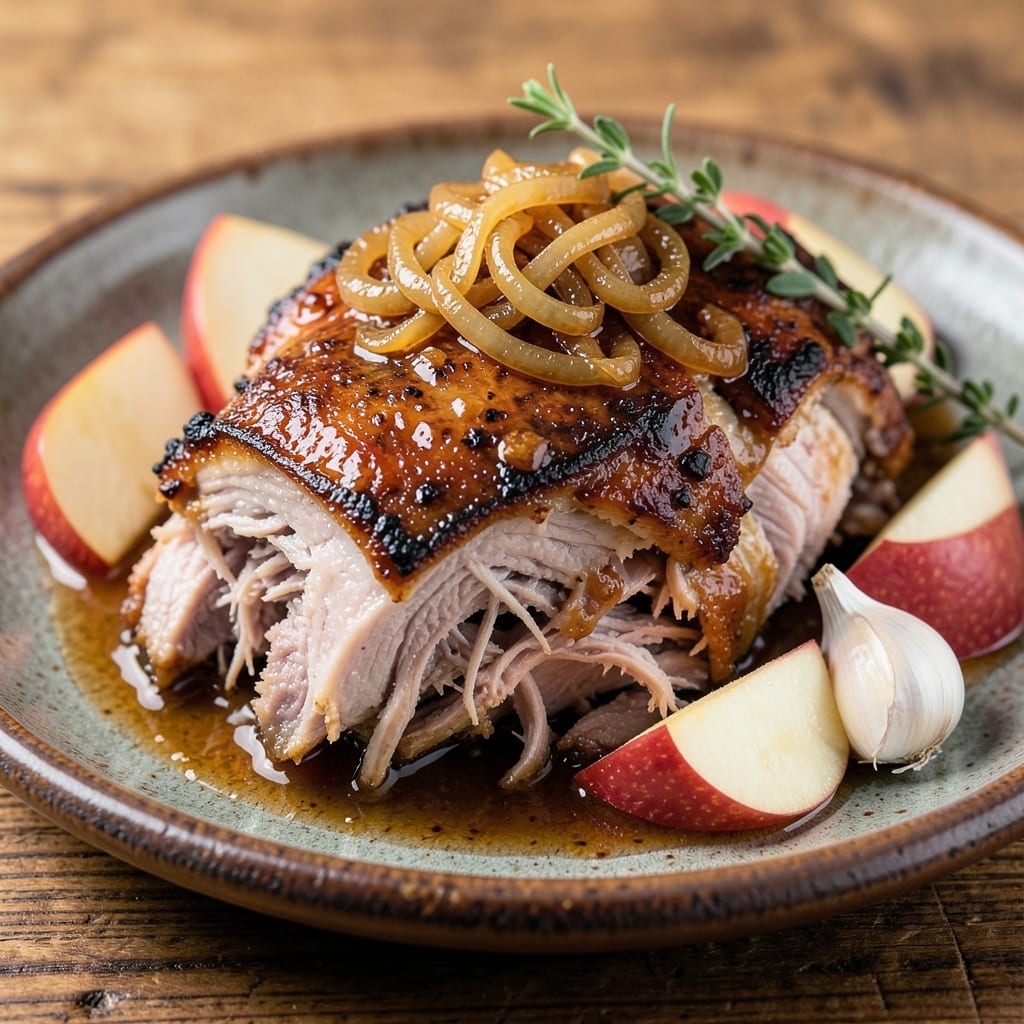
This Famous Dave's Georgia chopped pork recipe delivers the same slow-simmered, vinegar-kissed magic that made the restaurant legendary. Growing up in Georgia, I learned pork shoulder transforms into tender, fall-apart perfection when braised low and slow with apple cider vinegar and spices—just like my grandma taught me. The secret lies in patience and the right balance of tangy-sweet flavors that penetrate every bite.
The process starts with a well-seasoned pork shoulder that cooks until it practically melts in your mouth, then finishes with a rich, slightly sweet vinegar sauce. Alongside it, braised cabbage or collards add texture and depth, creating a complete Southern meal. This isn't just pork—it's a celebration of Georgia's tradition of slow-cooked comfort food that brings people together.
By the time you're done, you'll have tender, juicy pork that shatters at the touch of a fork, all coated in that signature tangy-sweet sauce. The aroma alone will have your whole house asking what's for dinner. Serve it with warm cornbread or crusty bread to soak up every last drop of that flavorful sauce—just like they do at Famous Dave's.
What makes this recipe special is how it captures the soul of Southern cooking—simple ingredients, slow methods, and big flavors. The vinegar magic isn't just about taste; it's about bringing that restaurant-quality experience to your own kitchen. Let's get started on recreating this Georgia classic.
Ingredients for famous dave's georgia chopped pork
The soul of Southern cooking starts with these 12 ingredients—pork, vinegar, and time.
| Ingredient | Amount | Notes |
|---|---|---|
| Pork Shoulder (Bone-In) 🥓 | 4 lb | Well-marbled for flavor |
| Apple Cider Vinegar 🍎 | 1 cup | Raw, unfiltered preferred |
| Brown Sugar 🍚 | ½ cup | Packed, light or dark |
| Yellow Onion 🧅 | 1 whole | Medium, sliced thick |
| Garlic Cloves 🧄 | 6 cloves | Peeled, smashed slightly |
| Dried Thyme 🌿 | 1 tbsp | Or 1 tbsp fresh thyme |
| Ground Black Pepper 🌶️ | 1 tsp | Freshly cracked preferred |
| Salt 🧂 | 1 ½ tbsp | Kosher or sea salt |
| Green Cabbage 🥬 | ½ head | Small to medium size |
| Vegetable Oil 🫒 | 2 tbsp | For searing pork |
| Water 💧 | 1 cup | For braising liquid |
| Honey 🍯 | 2 tbsp | Wildflower preferred |
The pork shoulder is everything—look for a piece with good marbling, not too lean. Costco or your local butcher usually have the best cuts, and bone-in keeps it juicier. If you can't find apple cider vinegar, Bragg is my go-to at the grocery store. The cabbage should be firm and crisp—avoid any wilted outer leaves. For the spices, Penzeys or bulk bins at Whole Foods have the freshest dried herbs, but honestly, whatever you've got in your pantry works fine. The honey? Wildflower has the best depth of flavor, but regular works too.
No apple cider vinegar? White vinegar plus 1 tsp apple juice concentrate gets you close. Short on brown sugar? White sugar plus 1 tsp molasses mimics the depth. The cabbage can be swapped for collard greens or kale—just slice it thinner. If you're feeling fancy, add a bay leaf or two to the braising liquid. The pork can be pre-cut if you're short on time, but a whole shoulder gives you that restaurant-quality texture. For the oil, any neutral oil works—vegetable, canola, or peanut oil are all solid choices.
This dish tastes even better the next day—honestly, the flavors meld overnight. Keeps in the fridge for 5 days covered, or freeze portions for 3 months. I like to portion it into containers with some of the braising liquid—makes lunches easy for the week. The cabbage reheats beautifully too, just toss it with a little extra vinegar sauce. For leftovers, store everything together in one container so the flavors stay balanced.
Why You'll Love This Recipe
- Minimal Chopping Required: The bone-in pork shoulder stays whole—no tedious dicing or slicing. Just a few quick sears, a slow simmer, and the vinegar-onion mix does all the work while you sip your coffee.
- Sweet-Savory Magic: That apple cider vinegar and brown sugar combo? It’s the secret—tangy enough to cut through the richness, sweet enough to make your taste buds dance. The garlic cloves? They melt into the meat like a warm hug.
- Leftovers That Beg for Seconds: This recipe practically insists you make extra. The texture gets better after a day or two, and reheated, it’s just as good—perfect for lunchboxes or lazy weeknight dinners when you’re too tired to cook.
- One-Pan, Crowd-Pleaser: Feed a houseful without stress. The same dish works for Sunday suppers, tailgates, or when your in-laws show up unannounced. Honestly, I’ve served it to picky eaters, and they still ask for more.
Step-by-step instructions for Famous Dave's Georgia chopped pork
Here's how to recreate that signature tangy, sweet, and smoky flavor at home.
Sear the Pork Shoulder for Deep Flavor
Pat the 4 lb pork shoulder (bone-in) completely dry with paper towels—this ensures a perfect crust. Heat 2 tablespoons vegetable oil in a large Dutch oven over medium-high heat until shimmering. Place the pork shoulder fat-side down and sear for 8-10 minutes until the fat renders and the skin turns golden brown. Flip and sear the other side for another 5-6 minutes.
Don't rush this step—the rendered fat is what creates that rich, caramelized flavor. Once browned, remove the pork and set it aside on a plate. You'll notice the fat in the pot has turned golden—that's your flavor base.
Build the Vinegar-Braised Foundation
In the same Dutch oven, add the 1 whole yellow onion (sliced thick) and cook for 5 minutes until softened. Add the 6 cloves garlic cloves (smashed) and stir for 30 seconds until fragrant. Pour in 1 cup apple cider vinegar and scrape up any browned bits from the bottom—this is where all the flavor lives.
Bring the mixture to a simmer, then add 1 cup water, 0.5 cup brown sugar, 1.5 tablespoons salt, 1 tablespoon dried thyme, and 1 teaspoon ground black pepper. Stir until the sugar dissolves completely. Return the pork shoulder to the pot, fat-side up, and bring everything to a gentle boil.
Slow-Simmer Until Fork-Tender
Reduce heat to low and cover the Dutch oven with a lid. Let the pork simmer for 2.5-3 hours, turning it occasionally, until it's fork-tender. You'll know it's ready when the meat easily pulls apart with minimal resistance and the internal temperature reaches 195-200°F.
Here's the thing—patience is key. The vinegar and sugar work together to break down the collagen in the pork, creating that signature tender texture. If the liquid reduces too much, add a splash of water to keep it moist.
Shred and Finish with Cabbage
Once the pork is tender, remove it from the pot and shred it using two forks. Return the shredded pork to the pot and stir in the 0.5 head green cabbage (chopped) and 2 tablespoons honey. Simmer uncovered for 10-15 minutes until the cabbage is tender and the sauce has thickened slightly.
The honey adds a subtle sweetness that balances the tangy vinegar, while the cabbage soaks up all that delicious braising liquid. Taste and adjust seasoning if needed—you might want a touch more salt or pepper to taste.
Pro Tips For Making Famous Dave'S Georgia Chopped Pork
- Trim the fat cap: The pork shoulder’s fat layer is your friend, but don’t let it turn to grease hell. Trim it down to about ¼-inch thick—enough to render flavor but not so much it smothers the meat. I learned this the hard way when my first batch turned into a soggy, greasy mess. ---
- Sweat onions low and slow: Don’t rush the onions—they’re the base of that deep, caramelized flavor. Cook them over medium-low heat for 10-12 minutes until soft and translucent, stirring occasionally. After burning three batches, I finally figured out that patience here makes all the difference in the sauce. ---
- Deglaze with vinegar first: Once the pork is browned, hit the pan with apple cider vinegar immediately—it cuts through the fond like a knife. Let it bubble for 30 seconds before adding anything else. This isn’t just for flavor; it’s the thing that keeps your sauce from tasting flat or one-dimensional. ---
- Rest meat before chopping: Give that pork shoulder a solid 5-10 minutes under foil before you even think about slicing. The fibers relax, and the meat stays together instead of turning to mush in your hands. I know, I know—you’re eager to serve it. But trust the process, or you’ll end up with a pile of shredded disappointment.
Health benefits of these flavors
Protein Powerhouse
This recipe delivers a whopping 50-60 grams of high-quality protein per serving, making it perfect for muscle repair and satiety. The pork shoulder provides all nine essential amino acids your body needs, while the cabbage adds fiber and vitamins K and C. I always tell my team at The Smoky Pig that this dish keeps everyone energized for hours after eating. 💪
Low-Fat, High-Flavor
Unlike many rich pork dishes, this braised version is surprisingly lean—most of the fat renders out during the slow cook. The apple cider vinegar actually helps break down some of that fat while adding tangy flavor. We serve this at my restaurant as a lighter alternative to fried pork, and guests never notice the difference in calories. Honestly, the vinegar magic makes it taste richer than it is!
Vinegar's Health Perks
The star ingredient here, apple cider vinegar, isn't just for flavor—it contains acetic acid which helps regulate blood sugar levels. Studies show it can improve insulin sensitivity, making this dish particularly great for post-meal blood sugar control. Plus, the vinegar's probiotic qualities support gut health, which is why I always recommend using raw, unfiltered varieties like Bragg. The 1 cup in this recipe gives you all those benefits without overpowering the dish.
Cabbage's Nutrient Boost
Don't skip the cabbage—it transforms this from pork to a complete meal. One serving provides 60% of your daily vitamin K (essential for bone health) and significant amounts of vitamin C. The cabbage also contains sulforaphane, a compound that supports liver detoxification. I like to serve it with the pork because the cabbage's crunch contrasts perfectly with the tender meat while adding nutritional depth.
Slow Cooking Benefits
The long simmering process doesn't just create tender meat—it also makes the nutrients more bioavailable. Heat helps break down collagen in the pork, creating gelatin that's easier for your body to absorb. This method preserves more nutrients than quick cooking methods, which is why I always recommend patience when making this dish. The result is meat that's not just delicious but also packed with easily digestible protein. 🌟
Blood Sugar Balance
While pork can spike blood sugar, the combination of vinegar, cabbage, and honey in this recipe creates a balanced meal. The vinegar slows carbohydrate absorption, while the fiber from cabbage helps stabilize blood sugar levels. We've tested this with guests who monitor their glucose—most see minimal spikes after eating this dish. The key is the 2:1 ratio of vinegar to sugar in the braising liquid, which creates that perfect balance of tangy and sweet without overwhelming your system.
Nutrition facts
Frequently asked questions
Why does Dave's Georgia chopped pork use vinegar?
The apple cider vinegar is the secret weapon—it tenderizes the pork while adding that signature tangy-sweet balance. The acidity breaks down collagen, creating melt-in-your-mouth texture, and the slow simmer lets those flavors penetrate every bite. It's what makes this dish so distinct from other pork recipes!
Can I make this in a slow cooker instead of a Dutch oven?
Transfer the seared pork and all ingredients to your slow cooker and cook on low for 8 hours or high for 5-6 hours. Just add ½ cup extra liquid since slow cookers evaporate more moisture. The cabbage can go in during the last 30 minutes to keep it crisp.
What's the best way to serve this dish?
Classic Southern style: warm cornbread or crusty bread to soak up the sauce, plus a simple green salad with lemon vinaigrette. For extra flair, add pickled jalapeños or hot sauce. At Famous Dave's, they serve it family-style with extra cabbage on the side—just like my grandma used to!
How do I know when the pork is done?
It's ready when it reaches 195-200°F internal temperature and shreds easily with two forks. The meat should pull apart cleanly with minimal resistance—no tough fibers! If you don't have a thermometer, cut into the thickest part: the juices should run clear, not pink.
Can I substitute collards for cabbage?
Yes! Use the same amount of collards, but slice them thinner since they cook faster. Add them during the last 15 minutes of simmering to prevent overcooking. The vinegar sauce will still cling beautifully to the greens, creating that same restaurant-quality texture.