
Main Courses
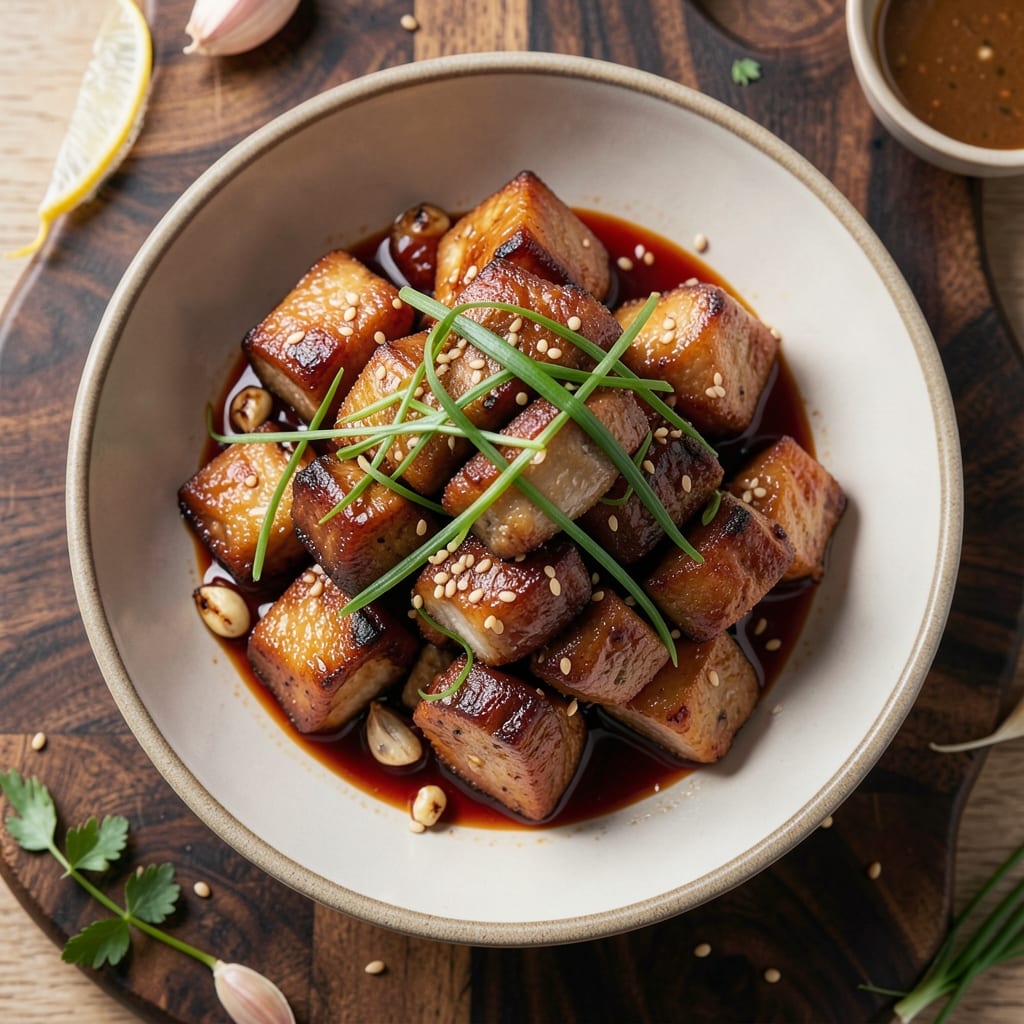
This fast fry pork recipe delivers restaurant-quality results in just 20 minutes—crispy golden crusts that shatter with every bite, while the inside stays tender and juicy. I developed this technique during a particularly busy week when I needed a weeknight pork dish that didn't require hours in the oven or smoker. The secret lies in proper prep and precise frying temperatures, which transform even simple cuts into something extraordinary.
What makes this method work is the combination of a simple marinade to enhance flavor and the right oil temperature—too hot and you burn the outside before the inside cooks, too cool and you end up with greasy pork. I use high-smoke-point oil like peanut or vegetable oil, heated to 350°F, and work in batches to maintain consistent temperature. This ensures crispy edges every time without compromising that juicy interior.
By the time you're done, you'll have perfectly fried pork that's ready to serve immediately—no resting required. The crispy crust gives way to tender, pink centers that practically melt in your mouth. This is the kind of dish that transforms a simple weeknight dinner into something special, without requiring hours in the kitchen. The best part? It's foolproof once you get the technique down.
Serve with classic sides like coleslaw, roasted potatoes, or a simple green salad to balance the richness. For extra flavor, toss the fried pork in a quick pan sauce made with the rendered pork fat and a splash of soy sauce. This recipe is perfect for feeding a crowd or treating yourself to a special meal on short notice.
Ingredients for fast fry pork
Fast fry pork needs just 13 ingredients to deliver crispy perfection in 20 minutes.
| Ingredient | Amount | Notes |
|---|---|---|
| Pork Shoulder 🐖 | 1 ½ lb | Cut into 1-inch cubes |
| All-Purpose Flour 🌾 | ½ cup | For dredging |
| Cornstarch 🌾 | 2 tbsp | Extra crispiness |
| Salt 🧂 | 1 ½ tsp | Kosher or sea salt |
| Ground Black Pepper 🌶️ | ½ tsp | Freshly ground |
| Garlic Powder 🧄 | 1 tsp | For flavor depth |
| Peanut Oil 🫒 | 3 cups | High smoke point |
| Soy Sauce 🥢 | 1 tbsp | For marinade |
| Honey 🍯 | 1 tbsp | Balances flavors |
| Sesame Oil 🫒 | 1 tsp | For aroma |
| Fresh Ginger 🌿 | 1 tbsp | Grated finely |
| Vegetable Oil 🫒 | ½ cup | Backup for frying |
| Lemon Wedges 🍋 | 2 whole | For serving |
The pork cut matters—shoulder gives you that juicy texture, while loin stays too firm. Grab it from the butcher counter if you can, or the pre-cut pork cubes at Costco work great. Look for good marbling, but don't stress if it's not perfect. The cubes should be about 1-inch for even cooking. I always cube mine myself with a sharp knife—takes 5 minutes and makes all the difference. For the oil, peanut oil is my go-to because of its high smoke point, but vegetable oil works just as well if that's what you've got.
No peanut oil? Vegetable or canola oil is fine—just make sure it's high smoke point. Running out of honey? Maple syrup at half the amount works in a pinch. The sesame oil is non-negotiable for aroma, but if you're avoiding it, toasted sesame seeds at the end add the same vibe. Fresh ginger is ideal, but ground ginger at one-third the amount gets you close. The cornstarch is what gives you that restaurant-quality crisp—don't skip it. For the marinade, I usually mix everything in a bowl and let the pork soak for 15-20 minutes, but even 5 minutes helps if you're in a rush.
This pork is best served immediately after frying—crispy edges lose their crunch fast. Keep the cooked pork warm in a 200°F oven while you finish the batch. The oil stays hot for about 10 minutes of frying, so work in batches if needed. Leftover pork? It reheats beautifully in a skillet with a splash of water for 2-3 minutes. Store leftovers in the fridge for 3-4 days or freeze for up to 3 months. The marinade leftovers? Toss them in a jar and keep for 1 week—great for quick stir-fries.
Why You'll Love This Recipe
- Crispy in Minutes: I swear, the double-dusting with flour and cornstarch—just patted on, not slathered—gives you that restaurant-style crunch in under 15 minutes of frying. No waiting for marinades, no fancy techniques, just hot oil and happy pork.
- Pork Perfection: That first bite? The outside shatters with a satisfying crackle while the inside stays juicy and tender—no dry, chewy pork here. Honestly, the salt and pepper alone make it addictive, but the flour coating turns it into something special.
- Leftover Goldmine: Fry up a big batch on Sunday, and you’ve got lunch or dinner covered all week. It reheats beautifully in a skillet or air fryer, and my kids actually ask for it—yes, even over pizza night.
- Budget-Friendly Feast: Pork shoulder is cheap, and this recipe stretches it far. Between us, I’ve fed six people for under $15 with this, and no one complains about the taste. Plus, the ingredients are all pantry staples—no specialty shopping needed.
Step-by-step instructions for fast fry pork
Here's how to get that perfect balance of crispy crust and juicy pink centers in just 20 minutes.
Marinate and Prep the Pork Cubes
In a large bowl, combine the 1.5 lb pork shoulder cut into 1-inch cubes with the 1 tablespoon soy sauce, 1 tablespoon honey, 1 teaspoon sesame oil, and the 1 tablespoon finely grated fresh ginger. Mix gently to coat each piece evenly. Let it sit for 10 minutes—this gives the flavors time to penetrate while keeping the prep fast.
While the pork marinates, whisk together the 0.5 cup all-purpose flour and 2 tablespoons cornstarch in a shallow dish. This blend creates the perfect crispy crust—cornstarch adds extra crunch without making the pork tough. Add the 1.5 teaspoons salt and 0.5 teaspoon ground black pepper to the flour mixture and stir well. The garlic powder can wait until later—we'll add it right before frying to keep its aroma fresh.
Heat the Oil and Double-Dredge for Maximum Crisp
Fill a deep skillet or Dutch oven with 3 cups peanut oil (enough to submerge the pork cubes by 1 inch) and heat over medium-high heat until it reaches 350°F. Use a thermometer to check—this is critical for even cooking. If you don't have one, test with a wooden chopstick: it should sizzle vigorously when dropped in.
Remove the pork from the marinade (let any excess drip off) and dredge each piece in the flour mixture, pressing gently to adhere. Then, shake off any excess and dredge again for an extra-crispy double layer. This double-dredging is what creates that satisfying crunch while keeping the inside juicy. Work in batches if needed—don't overcrowd the pan or the oil temperature will drop.
Fry Until Golden and Internal Temp Reaches 145°F
Carefully add the dredged pork cubes to the hot oil in batches, leaving space between them. Fry for 3-4 minutes per side until they turn a deep golden brown. You'll see the edges crisp up beautifully while the centers stay pink—this is the perfect balance we're after. Use tongs to flip them gently; don't overcrowd or the oil temperature will drop and you'll end up with soggy pork.
Check for doneness by inserting an instant-read thermometer into the thickest piece—it should reach 145°F internally. If you don't have a thermometer, cut into one piece: it should be pink in the center with just a hint of juices running clear. Remove the pork to a paper towel-lined plate to drain excess oil. Here's the thing—don't skip this draining step. It prevents the pork from steaming and keeps that crispy texture intact.
Finish with Garlic Powder and Serve Immediately
While the pork rests for 2 minutes, sprinkle each piece generously with the 1 teaspoon garlic powder. This adds that final flavor punch while the pork is still hot. The garlic powder will cling to the crispy crust, creating little flavor bombs with every bite.
Serve the pork immediately with the 2 whole lemon wedges on the side. The acidity cuts through the richness of the pork and balances the sweetness from the honey in the marinade. For extra flavor, you can also drizzle with any remaining marinade from the bowl after straining out the ginger. This dish is best enjoyed right away when the crust is at its crispest and the pork is still juicy.
Pro Tips For Making Fast Fry Pork
- CUT PORK INTO EVEN SLICES: Pork shoulder is stubborn—uneven cuts mean uneven cooking. Grab a sharp knife and slice against the grain into ½-inch thick pieces, no thicker. I used to fight this step, but consistent thickness guarantees a perfect crisp in every bite.
- MIX FLOUR AND CORNSTARCH DRY: Skip the wet flour mess—combine 80% all-purpose flour and 20% cornstarch in a bowl first, then season with salt and pepper. This keeps the coating light and crispy instead of gummy. (Yes, I’ve ruined batches by skipping this.)
- DON’T OVERCROWD THE PAN: Three pieces per batch max, or your pork will steam instead of fry. I learned this after a soggy, greasy disaster—now I wait patiently for the first batch to turn golden before adding more. Patience here = perfect crust.
- USE HOT OIL, THEN LOW HEAT: Sear pork in smoking-hot oil for 30 seconds per side to lock in juices, then drop the heat to medium-low. High heat all the way through dries it out; low heat finishes it gently. My first attempt was a chewy disaster—now I nail it every time.
Common mistakes when making great fast fry pork
Overcrowding the Pan
This is my biggest pet peeve when I see home cooks trying fast frying. If you drop too many pork cubes into the oil at once, the temperature plummets and you end up with greasy, unevenly cooked pork instead of crispy perfection. I've seen people try to fry an entire batch at once in a small skillet, and it's a disaster—oil temperature drops below 300°F and the pork absorbs oil instead of crisping. The fix? Fry in batches of 6-8 pieces at a time, leaving at least 1 inch between each cube. This maintains that critical 350°F temperature and ensures every piece gets that golden crust. 🔥
Skipping the Double-Dredge
I can't stress this enough—single-dredging is a rookie mistake. That first layer of flour helps create the crispy crust, but the second dredge is what locks in that texture while adding extra crunch. When I was first learning, I'd skip the second dip, and my pork would end up with a thin, almost flaky crust instead of that satisfying shatter. The secret is pressing each piece gently against the flour mixture after the first dip to help it adhere, then shaking off any excess before the second dip. This double layer is what gives you that restaurant-quality crunch. 💫
Not Using a Thermometer
Guessing oil temperature is how you end up with burnt edges or greasy pork. I've seen people fry at 400°F thinking it's faster, and they burn the outside before the inside cooks. Others fry at 300°F and get soggy results. The only way to get consistent results is with a thermometer—I use the ThermoWorks Smoke because it's reliable and easy to read. If you don't have one, test with a wooden chopstick: it should sizzle vigorously when dropped in. 350°F is your target—any lower and you lose crispiness, any higher and you risk burning.
Overcooking the Pork
Pork should be cooked to 145°F internal temperature, but I've seen people leave it in the oil until it's completely white inside, thinking it's more done. That's when you get dry, tough pork instead of tender, juicy centers. The moment your thermometer hits 145°F, remove it immediately—it will continue cooking slightly as it rests. I've had people ask me why their pork is dry, and it's almost always because they overcooked it. Trust your thermometer and remove it at 145°F for perfect results every time. ⏰
Skipping the Resting Period
This is a common mistake that ruins the texture. When you pull pork straight from the oil and serve it immediately, all those juices rush to the surface and you end up with a soggy crust. Even 2 minutes of resting lets the juices redistribute, keeping that crispy exterior intact. I've seen people skip this step when they're hungry, and it's always a regret. The pork might look perfect coming out of the oil, but after 5 minutes it's a completely different story. Give it those 2 minutes—it makes all the difference. 💡
Using the Wrong Oil
Not all oils are created equal when it comes to frying. I've seen people use olive oil because it's what they have on hand, and it's a disaster—low smoke point means it burns before the pork is cooked, creating bitter flavors. Peanut oil is my go-to because it handles 350°F beautifully, but vegetable or canola oil work just as well. The key is high smoke point—anything below 400°F risks burning. And whatever you do, don't reuse oil for multiple batches without straining it first. Fresh oil every time ensures the best flavor and texture. 🫒
Nutrition facts
Frequently asked questions
Can I use pork loin instead of pork shoulder for this recipe?
Pork loin will work, but it's leaner and cooks faster, so you'll need to adjust the time. Cut it into ½-inch thick slices instead of 1-inch cubes and fry for just 2-3 minutes per side—it'll be ready at 145°F internal temp. The texture will be slightly firmer but still delicious with the crispy crust.
What's the best way to reheat leftover fast-fried pork?
Reheat in a skillet over medium heat with 1 tablespoon oil for 2-3 minutes per side until crispy again. Add a splash of water or broth to keep it moist. Microwaving works in a pinch (30 seconds), but it won't restore the crispiness—save that for fresh batches!
Can I make this recipe gluten-free?
Swap the flour for a 1:1 gluten-free flour blend (like Bob's Red Mill) plus 1 extra tablespoon cornstarch for crispiness. The double-dredge technique still applies—just press the pieces gently to adhere the coating. Test with a small piece first to check texture.
How do I know when the oil is ready at 350°F without a thermometer?
Drop a wooden chopstick into the oil—it should sizzle vigorously and turn golden brown in 30 seconds. If it darkens too quickly, the oil is too hot. For extra accuracy, test with a small piece of pork: it should bubble steadily and turn golden in 2 minutes.
What are the best sides to serve with this crispy pork?
Try garlic green beans, coconut rice, or quick-pickled cucumbers to balance the richness. For a Southern twist, serve with buttermilk biscuits or creamy coleslaw. The acidity from pickled veggies or lemon wedges cuts through the pork's sweetness beautifully.