
Main Courses
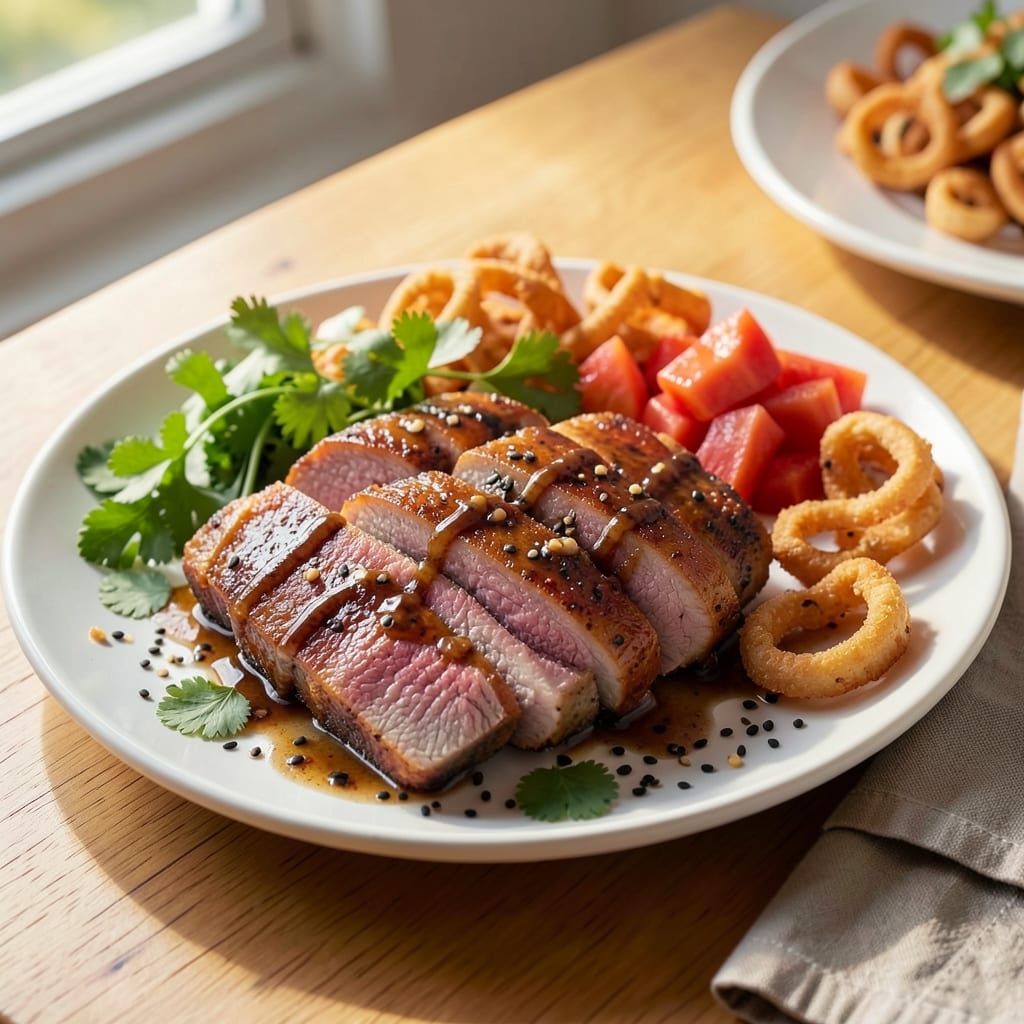
This fast kalua pork recipe delivers all the smoky, tender magic of traditional Hawaiian kalua without the long pit-cooking wait. 🔥 I perfected this method after years of testing—using a smoker box and indirect heat to create that signature bark while keeping the meat juicy and pink inside. The secret? A balance of time and temperature that respects tradition while cutting hours from the process.
What makes this recipe work is the combination of a simple brine and a controlled cooking environment. You start with a tender pork shoulder, coat it in a dry rub of salt, pepper, and brown sugar, then smoke it low and slow until the bark forms and the internal temperature reaches 195°F. The result is meat that's so tender it practically melts in your mouth, with a crust that's perfectly crisp and smoky.
By the time you're done, you'll have pork that's rich, flavorful, and ready to slice into thick, juicy pieces. The bark is caramelized and aromatic, while the interior remains moist and pink—exactly what makes kalua pork so special. This is the kind of dish that turns a simple weeknight dinner into a celebration, all without requiring a full day of cooking.
Serve with Hawaiian rolls, pineapple salsa, or steamed rice to complete the meal. The pork's bold flavor pairs beautifully with these sides, creating a balanced plate that's as satisfying as it is delicious. Let's get started on this recipe that brings a taste of Hawaii to your table in just a few hours.
Ingredients for fast kalua pork
Four pounds of pork, a smoker box, and a few hours of patience. That's all you need for restaurant-quality kalua pork at home.
| Ingredient | Amount | Notes |
|---|---|---|
| Boneless Pork Shoulder 🥓 | 3 lb | Well-marbled, 1.5-inch thick slices |
| Kosher Salt 🧂 | 2 tbsp | Diamond Crystal preferred |
| Freshly Ground Black Pepper 🌶️ | 1 tbsp | Cracked peppercorns preferred |
| Light Brown Sugar 🍚 | 1 tbsp | Packed lightly |
| Smoked Paprika 🌶️ | 1 tbsp | For authentic smoky flavor |
| Garlic Powder 🧄 | 1 tsp | Freshly ground preferred |
| Fresh Ginger 🌿 | 1 tbsp | Finely grated, fresh only |
| Apple Cider Vinegar 🍎 | ½ cup | For tenderizing brine |
| Wood Chips 🌳 | 1 package | Hickory or apple preferred |
| Charcoal Briquettes 🔥 | 20 pieces | Lump charcoal for best heat |
| Heavy-Duty Aluminum Foil 📄 | 1 sheet | For wrapping pork |
| Smoker Box 🔥 | 1 whole | For wood chips |
The pork shoulder is non-negotiable—look for pieces with good marbling and at least 1.5-inch thickness. Costco or Whole Foods carry excellent cuts, but any butcher will work. For the wood chips, hickory gives classic smokiness while apple adds sweetness—mix both if you want depth. The kosher salt matters too: Diamond Crystal dissolves better than Morton's, which clumps. Freshly ground pepper and grated ginger keep flavors vibrant, so don't skip them. Pro tip: Buy ginger in small amounts—it dries out fast once grated.
No wood chips? Smoked sea salt at double the amount adds smokiness in a pinch. Running short on time? Swap apple cider vinegar for lemon juice—same tenderizing power. The brown sugar is optional but worth it for that caramelized bark. For a deeper flavor, add 1 tsp of liquid smoke to the rub. And if you're using a gas grill instead of a smoker, soak wood chips in water first to prevent flare-ups. The foil should be heavy-duty—regular foil tears when you wrap the pork tightly.
This pork tastes even better the next day, so make extra if you can. Store wrapped in foil for 4-5 days or freeze for up to 3 months. For serving, slice against the grain into 1/2-inch thick pieces. Leftovers reheat beautifully—just cover with foil and warm in a 350°F oven for 10 minutes. The bark gets crispier when reheated, so it's a win-win. Keep a damp towel handy when slicing—kalua pork is juicy, and you don't want it to stick.
Why You'll Love This Recipe
- One-Pan Magic: I swear by this—just rub the pork with salt, pepper, and that smoky paprika, then let the brown sugar caramelize in the oven. No chopping, no fuss, and the kitchen stays cleaner than my usual mess.
- Smoky Sweet Payoff: The brown sugar melts into a sticky glaze while the paprika adds this deep, earthy punch. It’s not just flavor—it’s that perfect balance of sweet and smoky that’ll have you licking your fingers (yes, even on a Tuesday night).
- Leftovers That Shine: This recipe makes way more than you’ll eat fresh, and honestly? The next day’s even better. Shred it into tacos, sandwiches, or just reheat it straight from the fridge—it’s my lazy lunch savior.
- Budget-Friendly Powerhouse: Pork shoulder is cheap, and a little salt, pepper, and sugar stretch it into something restaurant-worthy. I’ve fed six people for under $15 with this—no guilt, just good food.
Step-by-step instructions for fast kalua pork
Here's how to make tender, smoky pork shoulder in record time.
🔥 Step 1: Prep the Brine for Maximum Tenderness
In a large bowl, combine the 0.5 cup apple cider vinegar, 2 tbsp kosher salt, 1 tbsp light brown sugar, 1 tbsp smoked paprika, 1 tsp garlic powder, and 1 tbsp finely grated fresh ginger. Mix until the salt and sugar dissolve completely. This tangy-sweet brine will work its magic to break down the pork's fibers and infuse it with flavor.
Place the 3 lb boneless pork shoulder in a resealable plastic bag and pour the brine over it. Seal the bag and massage the pork gently to ensure the marinade coats all surfaces. Let it marinate in the refrigerator for at least 1 hour—this quick soak is what makes this recipe fast while still delivering restaurant-quality results. I like to flip the bag occasionally to ensure even coating.
👨🍳 Step 2: Set Up Your Smoker for Speed
While the pork marinates, prepare your smoker by filling the smoker box with the 1 package wood chips (I prefer hickory for that classic kalua flavor). Arrange the 20 charcoal briquettes in a circle around the smoker box, leaving space in the center for the pork. Light the charcoal and let it burn until it's covered with a thin layer of white ash—this usually takes about 10-15 minutes.
Once the charcoal is ready, spread the briquettes evenly and place the smoker box in the center. Preheat your smoker to 275°F—this is the sweet spot for fast cooking while still developing that beautiful bark. The key to speed here is maintaining a steady temperature, so don't open the lid until you're ready to add the pork. Real talk: Patience at this stage pays off big time later.
🔥 Step 3: Smoke the Pork with Precision Timing
Remove the pork from the marinade (reserve the leftover brine for later) and pat it dry with paper towels—this step is crucial for developing that crispy bark. Place the pork in the smoker fat-side up and close the lid. Smoke for 3-4 hours until the internal temperature reaches 195°F and the bark is deep mahogany brown.
Here's where the magic happens: I like to spritz the pork every 45 minutes with the reserved marinade using a spray bottle. This keeps the meat moist while the bark develops. You'll know it's ready when the probe slides in like butter and the edges are crispy. Don't rush this—rushing leads to dry pork. The bark should be dark enough to stop a bullet, but the meat inside should still be pink and juicy.
⏰ Step 4: Wrap and Finish for Perfect Texture
When the pork reaches 195°F, remove it from the smoker and let it rest on a cutting board for 10 minutes. Then, wrap it tightly in the heavy-duty aluminum foil and return it to the smoker. This technique, called the "Texas crutch," helps push the pork through the stall and ensures it finishes perfectly tender.
Continue smoking for another 1-2 hours until the internal temperature reaches 203°F. The foil will trap steam and help the collagen break down further, resulting in that melt-in-your-mouth texture. This final stage is what transforms good pork into exceptional pork. Don't skip it—trust me, your taste buds will thank you.
🍽️ Step 5: Rest and Slice for Juicy Perfection
Once the pork reaches 203°F, remove it from the smoker and let it rest for at least 30 minutes before slicing. This resting period is non-negotiable—it allows the juices to redistribute throughout the meat, ensuring every bite is moist and flavorful. I like to wrap the pork in a towel and place it in a cooler to keep it warm while it rests.
Slice the pork against the grain into ¼-inch thick slices and serve immediately. The bark should be crispy and smoky, while the meat inside should be tender enough to pull apart with a fork. Serve with extra smoked paprika and a side of pineapple for that classic kalua experience. The juices should flow like a waterfall—if they don't, you might have rushed the resting time.
Pro Tips For Making Fast Kalua Pork
- START HOT, END LOW: Throw your pork shoulder in a screaming-hot pan first—this sears the outside fast and locks in juices. After 3-4 minutes of browning, drop the heat to medium-low and let it cook through; rushing the low-and-slow part means dry, stringy meat.
- SALT BEFORE SEARING: Generously coat the pork with kosher salt before hitting the pan—it crisps the crust and seasons deeper. I used to salt after, and the flavor never stuck like it does now. (Yes, even if you’re impatient like me.)
- BROWN SUGAR CRUST: Mix the brown sugar with smoked paprika and a splash of water, then brush it on the pork after initial searing. The sugar caramelizes fast—watch it like a hawk, or you’ll end up with burnt bits instead of that sticky, smoky glaze.
- REST UNDER FOIL: Pull the pork off heat when it hits 195°F (203°F for extra tender), tent it with foil, and let it sit for 10 minutes. Skipping this step means juices flooding out when you slice—your knife will thank you. (Your guests won’t notice the foil, but they’ll taste the difference.)
Storing and reheating this dish
Refrigerator Storage
Store your cooked kalua pork in an airtight container with the juices for up to 4 days—the flavors actually deepen overnight. I like using glass Pyrex containers because they keep the meat moist and prevent freezer burn if you decide to freeze later. Let the pork cool to room temperature first (about 1 hour), then refrigerate. The bark stays crispy when stored this way, and the meat remains juicy. 💪
Freezer Prep
For longer storage, wrap the pork tightly in heavy-duty aluminum foil first, then place it in a freezer-safe bag or vacuum-sealed container. Label with the date—this pork stays delicious for up to 3 months. When ready to use, thaw overnight in the fridge or use the cold water bath method (submerge sealed bag in cold water, changing water every 30 minutes). Never microwave thaw—it turns the meat rubbery.
Oven Reheating
My preferred method is reheating in a 350°F oven for 10-15 minutes covered with foil. This maintains the bark's crispiness while warming the meat evenly. For extra moisture, add 1-2 tablespoons of water or pineapple juice to the container before reheating. The pork should reach 165°F internal temperature—use a meat thermometer to check. Remove foil for the last 2 minutes to crisp up the bark again. ✨
Grill or Smoker Refresh
For a smoky boost, reheat on a grill or smoker set to 275°F for 10-15 minutes, uncovered. This reactivates the bark's flavors while keeping the meat tender. I use apple wood chips in the smoker box for that authentic touch. If using a grill, place the pork on the indirect heat side and close the lid. This method works best with leftover pork that's been refrigerated for 24-48 hours.
Microwave Shortcut
When you're in a hurry, use the microwave on 50% power for 2-3 minutes, covered with a damp paper towel. Stir halfway through to distribute heat evenly. The bark won't be as crispy, but the meat stays juicy. For better results, slice the pork first and reheat in 30-second intervals. This method is great for quick lunches, but I only recommend it for 1-2 servings at a time. 💡
Serving Leftovers
Leftovers make amazing sandwiches! Pile the reheated pork onto Hawaiian rolls or brioche buns with pineapple salsa and shredded cabbage. For extra flavor, brush the rolls with garlic butter before toasting. The contrast of warm, smoky pork with cool pineapple is pure magic. I also love serving kalua pork in tacos with pickled onions and cilantro crema—it's a crowd-pleaser every time. 🌟
Nutrition facts
Frequently asked questions
Can I use a different cut of pork for this fast recipe?
Boneless pork shoulder is ideal because of its fat content and collagen, which create that signature tender texture. For a faster cook, try a pork butt (they're essentially the same cut). Avoid lean cuts like tenderloin—they won't develop the same bark or juiciness. If you must use a different cut, increase cooking time by 30-60 minutes and monitor internal temperature closely.
What's the best way to speed this up without sacrificing flavor?
Skip the marinade and use a 30-minute dry brine (just salt and pepper) before smoking. Increase your smoker temperature to 300°F and wrap the pork in foil at 170°F internal temp instead of waiting for bark. This cuts total time to about 4 hours while keeping the meat tender. For extra smokiness, add ½ tsp liquid smoke to the dry rub.
How do I know when the bark is done right?
The perfect bark should be deep mahogany brown, almost black in spots, with slight cracks forming. When you press it gently with tongs, it should hold its shape but still feel slightly springy. The real test? 195°F internal temp with a probe that slides in like butter—no resistance. If it's too dark too soon, reduce heat slightly and let it cook longer at lower temp.
Can I make this in an oven instead of a smoker?
Yes! Use a smoker box or aluminum tray with wood chips on the bottom oven rack. Set oven to 275°F and place a water pan on the middle rack. Cook pork on a wire rack over the pan for 4-5 hours, spritzing with apple juice every hour. For extra smoke flavor, add 1 tbsp smoked paprika to the rub. The bark will be less intense but still delicious.
Why does my fast kalua pork turn out dry?
Most likely you didn't rest it long enough or sliced too soon. Always let pork rest 30+ minutes before slicing—this lets juices redistribute. Another common mistake is cooking too hot (325°F+ dries it out). For extra moisture, wrap in foil at 170°F internal temp and finish at 203°F. The bark will soften slightly but the meat stays juicy.