
Main Courses
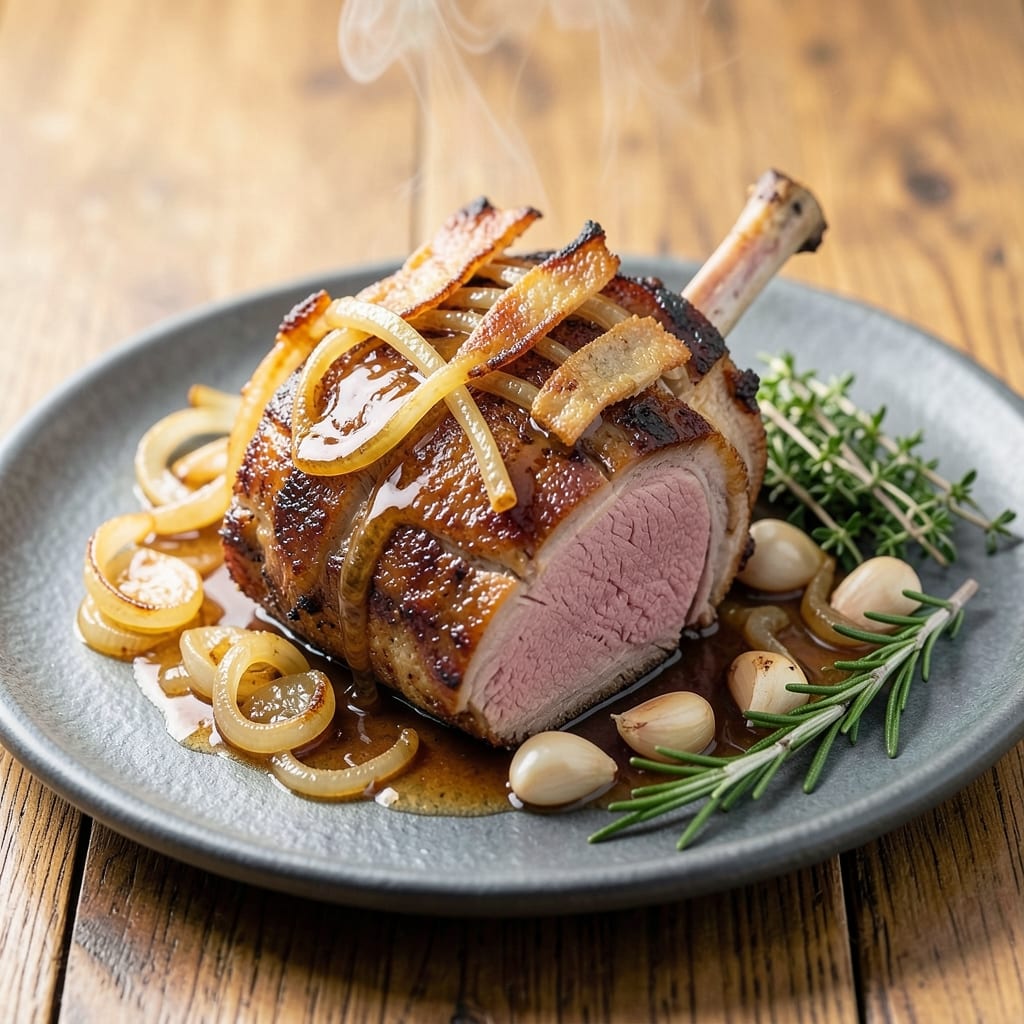
This fast pork shoulder recipe delivers restaurant-quality results in under 3 hours—no overnight braising required. 🔥 The secret lies in a high-heat sear followed by apple cider braising, which transforms tough meat into melt-in-your-mouth perfection with a crispy, caramelized bark. I developed this method after years of perfecting slow-cooked pork, but with a time-saving twist that still delivers deep flavor and texture.
The process starts with a 360-degree sear in a cast-iron skillet, locking in juices before transferring to the oven. Apple cider replaces traditional braising liquid, adding natural sweetness and complexity without overpowering the pork. While most recipes demand 8+ hours, this method achieves tender, juicy meat with just 2 hours of active cooking—ideal for weeknight dinners or weekend gatherings when time is limited.
What you'll end up with is pork shoulder that's crispy on the outside and fall-apart tender on the inside, with a rich, caramelized glaze from the reduced apple cider. The bark is so satisfyingly crispy it'll have everyone asking for seconds, while the meat inside pulls apart effortlessly. This is the kind of dish that elevates a simple weeknight meal into something special without requiring all day in the kitchen.
Serve with classic sides like roasted potatoes, caramelized onions, or a fresh apple slaw to complement the dish's natural sweetness. The leftovers reheat beautifully, making this the perfect make-ahead meal for busy schedules. Let's get cooking!
Ingredients for fast pork shoulder
Pantry staples meet premium cuts for restaurant-worthy pork shoulder in record time.
| Ingredient | Amount | Notes |
|---|---|---|
| Pork Shoulder (Bone-In) 🐖 | 3 lb | 2-inch thick cut, trimmed of excess fat |
| Apple Cider 🍎 | 2 cups | Unfiltered preferred for depth |
| Yellow Onion 🧅 | 1 whole | Chopped into 1-inch pieces |
| Garlic Cloves 🧄 | 6 cloves | Smashed for intense flavor |
| Fresh Thyme 🌿 | 2 sprigs | Stems removed, leaves only |
| Fresh Rosemary 🌿 | 1 sprig | Whole sprig for infusing |
| Kosher Salt 🧂 | 2 tbsp | Diamond Crystal preferred |
| Black Peppercorns 🌶️ | 1 tbsp | Freshly cracked |
| Olive Oil 🫒 | ½ cup | High smoke point preferred |
| Brown Sugar 🍚 | 2 tbsp | Light or dark, packed |
| Apple Cider Vinegar 🍶 | 1 tbsp | For acid balance |
| Fresh Sage Leaves 🌿 | ¼ cup | Chopped, for garnish |
| Cornstarch 🌾 | 1 tbsp | For crispy bark finish |
The pork shoulder is non-negotiable here—look for a 2-inch thick cut with good marbling for tenderness. Most butchers will trim it for you, but if you're doing it yourself, remove fat in thin slices to avoid rendering during searing. For the best results, source from a reputable butcher or specialty grocer like Whole Foods or D'Artagnan—their cuts consistently deliver better texture. If you're using a pre-cut shoulder from the grocery store, check for even thickness (within 0.5 inches) to ensure uniform cooking. The apple cider should be unfiltered for maximum depth of flavor; brands like Woodchuck or Angry Orchard work perfectly, but any quality cider will do.
No fresh thyme or rosemary? Dried works at one-third the amount, but fresh is ideal for that aromatic punch. Running short on brown sugar? Substitute honey or maple syrup at equal measure, though the color will differ slightly. The cornstarch slurry is crucial for that crispy bark—don't skip it. For a deeper flavor profile, add 1 tsp smoked paprika to the cornstarch mix. If you're prepping ahead, the apple cider mixture can be made 1 day in advance and stored in the fridge. The onion and garlic can be prepped the night before and kept in an airtight container in the fridge, saving you 10 minutes of chopping on cooking day.
This dish reheats beautifully—350°F for 15-20 minutes covered with foil to restore moisture. For long-term storage, wrap tightly in butcher paper and refrigerate for up to 5 days or freeze for 3 months. The crispy bark will soften slightly but can be restored by broiling for 2-3 minutes at the end. Portion into individual servings before freezing for easy reheating. Leftovers make incredible sandwiches the next day—just pile high with caramelized onions and a smear of Dijon mustard. The apple cider braising liquid reduces to a syrupy glaze; reserve 1 cup for basting or deglazing your skillet for a quick pan sauce.
Why You'll Love This Recipe
- One-Pan Magic: Honestly, I swear by this—just toss the pork shoulder, chopped onion, and garlic into a single pot with apple cider, add thyme sprigs, and let it slow down. No cutting boards, no extra dishes, just done. The bone-in cut even renders its own juices, so you’re not left with dry meat.
- Apple Cider Magic: Between us, that tangy cider is the secret weapon. It caramelizes into a glossy, slightly sweet glaze that clings to every bite, while the thyme adds this earthy depth. It’s the kind of flavor that makes people ask, “What’s in this?”—and then they’ll want the recipe.
- Leftovers That Shine: I make this on Sundays because the pork gets better the next day—tender enough to shred with a fork, still packed with flavor. Toss it into tacos, sandwiches, or even a quick stir-fry. My kids groan when I pull it out, but they always eat it first.
- Budget-Friendly Feast: A bone-in pork shoulder stretches across three meals without breaking the bank. The apple cider and onions cost pennies, and the thyme lasts forever if you dry it. It’s the kind of dish that makes me feel like I’m serving something special, even when I’m just feeding the family.
Step-by-step instructions for apple cider braised pork shoulder
Here's how to transform tough pork shoulder into tender, crispy-edged perfection in under 6 hours.
🔥 Step 1: Sear the Pork Shoulder for Deep Flavor
Heat a Dutch oven over medium-high heat until a drop of water sizzles instantly. Add 0.5 cup olive oil and let it shimmer for 1 minute. Pat the 3 lb pork shoulder completely dry with paper towels—this is critical for crispy bark. Season both sides generously with 2 tbsp kosher salt and 1 tbsp freshly cracked black peppercorns.
Sear the pork shoulder for 8-10 minutes per side until deeply browned. I press down gently on the meat during the first minute to prevent curling and ensure even contact with the pan. This browning creates the Maillard reaction that builds complex flavors. Once golden brown, transfer the pork to a plate and set aside—don't wipe out the pan yet.
🍳 Step 2: Build the Apple Cider Braising Liquid
In the same Dutch oven, add the 1 whole yellow onion chopped into 1-inch pieces and the 6 smashed garlic cloves. Cook for 3-4 minutes until softened and just beginning to color. Add the 2 sprigs fresh thyme and 1 sprig fresh rosemary (whole sprigs for infusing flavor).
Pour in the 2 cups apple cider and scrape up all the browned bits from the bottom of the pan with a wooden spoon. This deglazing captures all that concentrated flavor. Add the 2 tbsp brown sugar and 1 tbsp apple cider vinegar, then bring to a simmer. The liquid should smell richly aromatic with notes of caramel and spice.
🥘 Step 3: Braise Until Fork-Tender
Return the pork shoulder to the Dutch oven, fat-side up. The liquid should come about halfway up the meat. Cover tightly with a lid and transfer to a 300°F oven. Braise for 4-5 hours until the meat is fork-tender and the internal temperature reaches 195-203°F.
Here's the thing—don't peek or lift the lid during cooking. Every time you open it, you add 15-20 minutes to your cooking time. The pork is done when it pulls apart easily with two forks and the juices run clear. The skin should be tender but still holding its shape—this indicates perfect doneness.
🔪 Step 4: Create the Crispy Bark Finish
Remove the pork shoulder from the braising liquid and place it on a wire rack set over a baking sheet. Let it rest for 10 minutes to firm up slightly. Meanwhile, transfer the braising liquid to a saucepan and simmer over medium-high heat until reduced by half.
In a small bowl, whisk together the 1 tbsp cornstarch with 2 tablespoons of the reduced braising liquid to create a slurry. Stir this back into the saucepan and simmer for another 2-3 minutes until thickened to a glaze-like consistency. Pour this glaze over the rested pork shoulder and return it to the oven for 10 minutes at 425°F to create that coveted crispy bark.
🍽️ Step 5: Rest and Serve with Garnish
Remove the pork shoulder from the oven and let it rest for 15 minutes before slicing. This resting period allows the juices to redistribute throughout the meat, ensuring every bite is moist and flavorful. The exterior should be crispy while the interior remains tender and juicy.
Garnish with the 0.25 cup chopped fresh sage leaves just before serving. The pork should slice easily and have a rich, caramelized crust that gives way to tender, moist meat. Serve with the reduced apple cider braising sauce spooned over the top and alongside roasted vegetables or crusty bread to soak up every last drop.
Pro Tips For Making Fast Pork Shoulder
- SEAR THE SHOULDER FIRST: Skip the slow start—hit that pork shoulder with a screaming-hot pan for 3-4 minutes per side before adding anything. I used to add the cider too soon, and the onions just steamed instead of caramelizing. High heat builds flavor fast.
- CHOP ONIONS THIN AND SMALL: Dice those yellow onions into ¼-inch pieces—they’ll cook down faster and blend right into the cider instead of sitting like sad, watery chunks. I learned this the hard way when my first batch had a weird texture. (Yes, even if you’re impatient like me.)
- DON’T SKIP THE THYME SPRINKLE: Tuck fresh thyme sprigs into the meat before searing—let them crisp slightly for aroma. After burning three batches where I added it late, I realized the herb’s oil needs time to render. A few minutes early makes a real difference.
- USE A SPLASH OF CIDER EARLY: Deglaze that pan with ¼ cup apple cider right after searing—it lifts all the browned bits before onions go in. I was skeptical until I tried it: the sauce thickens faster, and the pork stays juicier. (Your future self will thank you.)
Best sauces and condiments for this fast pork shoulder
Apple Cider Glaze
This dish's signature sauce comes from reducing the apple cider braising liquid until it becomes a thick, caramelized glaze. Simmer the liquid until it reduces by half, then whisk in 1 tbsp cornstarch mixed with 2 tbsp of the reduced liquid to create a glossy finish. The glaze should coat the back of a spoon and have a syrupy consistency. Drizzle generously over the pork before serving, or use it as a dipping sauce. 🍎
Spicy Brown Sugar Mustard
For a kick of heat, mix 2 tbsp Dijon mustard, 1 tbsp apple cider vinegar, 1 tbsp brown sugar, and ½ tsp cayenne pepper into the reduced braising liquid. This tangy, slightly spicy sauce cuts through the richness of the pork beautifully. I love serving this on the side for guests who enjoy a little heat. The mustard adds depth while the cayenne wakes up your palate between bites.
Caramelized Onion Topping
Cook 2 cups thinly sliced yellow onions in 1 tbsp olive oil over low heat for 45-60 minutes until deep golden brown and sweet. Sprinkle with ½ tsp salt and ½ tsp black pepper while still warm. These onions add a sweet, jammy contrast to the savory pork. Pile them generously on top of each serving for a restaurant-quality presentation. 🧅
Fresh Herb Butter
Mix ½ cup softened butter with 2 tbsp chopped fresh sage, 1 tbsp chopped fresh thyme, 1 tsp minced garlic, and ½ tsp salt. Dollop this fragrant butter on top of each serving or serve it on the side for spreading. The herb butter adds a fresh, aromatic finish that brightens the rich pork flavors. It's especially nice when served alongside roasted potatoes or crusty bread.
Apple Cider BBQ Sauce
Blend 1 cup reduced apple cider braising liquid with ¼ cup ketchup, 2 tbsp apple cider vinegar, 1 tbsp brown sugar, 1 tsp smoked paprika, and ½ tsp black pepper until smooth. Simmer for 10 minutes to thicken. This sauce has a perfect balance of sweet, tangy, and smoky flavors that complement the pork beautifully. It's ideal for those who prefer a thicker sauce to drizzle over their meat.
Nutrition facts
Frequently asked questions
Can I use a pressure cooker to make this pork shoulder faster?
A pressure cooker (like an Instant Pot) cuts active cooking time to just 90 minutes. Sear the pork first, then cook on high pressure for 60 minutes with the apple cider mixture. Release pressure naturally, then broil for 5 minutes to crisp the bark. The meat will be just as tender but ready in half the time!
What's the best way to check if the pork shoulder is done?
Use a meat thermometer to check for 203°F internal temperature—this ensures perfect tenderness. The meat should also pull apart easily with two forks. If you don't have a thermometer, cut into the thickest part: if it's fork-tender with clear juices, it's ready. Never rely on time alone!
Can I substitute apple cider with something else?
Yes! For a similar depth of flavor, use 2 cups chicken or beef stock with 1 tbsp apple cider vinegar and 1 tbsp brown sugar. Or try 1 cup apple juice + 1 cup water for a lighter option. The vinegar and sugar help replicate the apple cider's balance of sweetness and acidity.
Why does my pork shoulder turn out dry?
Most likely, you didn't rest the meat long enough after cooking. Always let it rest for 15 minutes before slicing—this allows juices to redistribute. Also, check your cooking temperature: if it exceeds 325°F, the meat may dry out. The apple cider braising liquid should come halfway up the pork to keep it moist.
How far ahead can I prep this recipe?
You can prep everything 1 day ahead! Make the apple cider braising mixture and store it in the fridge. Sear the pork and refrigerate it uncovered overnight—this helps develop even more flavor. On cooking day, just braise as directed. The pork reheats beautifully for 2-3 days in the fridge or 3 months in the freezer.