
Main Courses
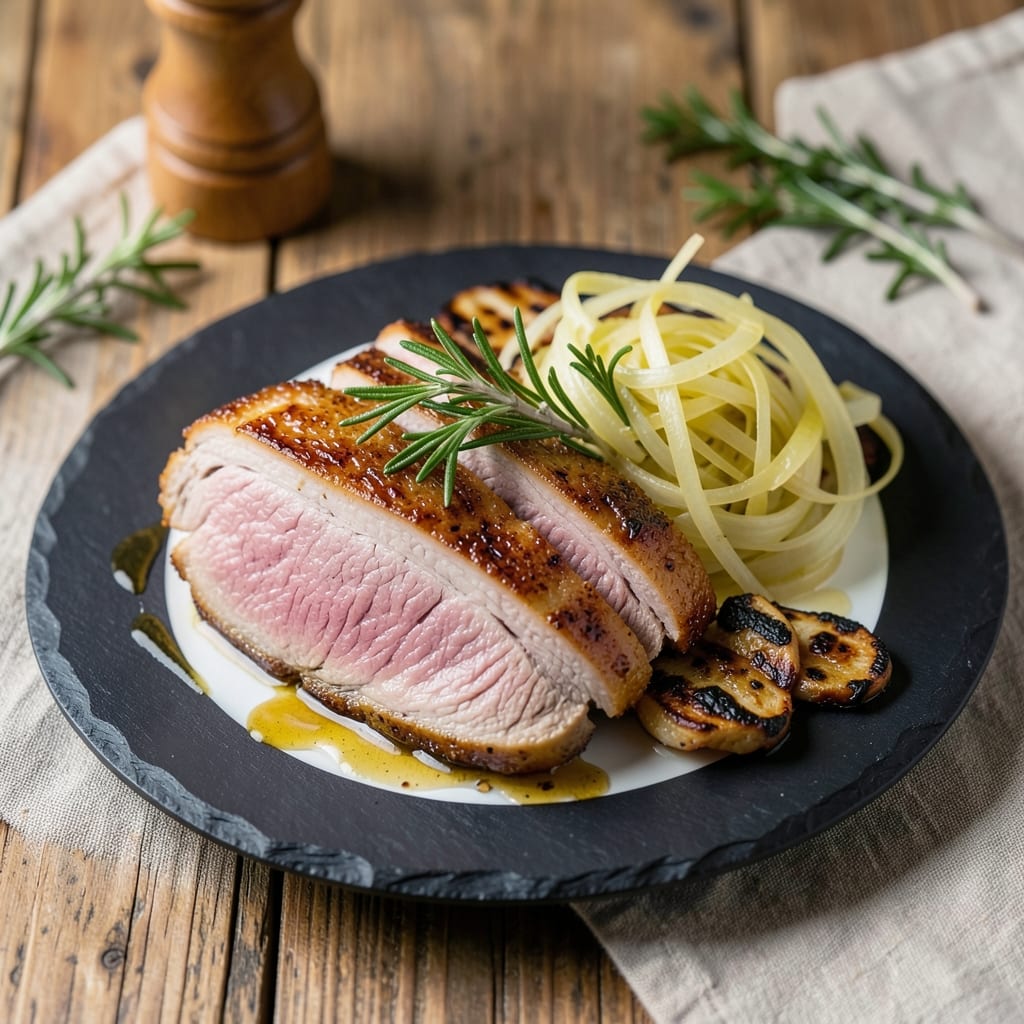
This fennel pork belly recipe delivers the perfect balance of crispy bark and silky pink centers, elevated by anise-infused fennel. After years of perfecting the technique at The Smoky Pig, I'm sharing how to achieve that coveted contrast—where the skin crackles with flavor and the meat melts in your mouth. The fennel's natural licorice notes complement the pork's richness, creating a dish that feels both rustic and refined.
The secret lies in the slow roasting method, which transforms tough pork belly into tender, flavorful slices while rendering the fat into golden, crackling layers. We'll start with a simple brine to ensure moisture, then sear the pork to develop that essential crispy exterior. Fennel bulbs roasted alongside the pork infuse the dish with aromatic depth, while their crisp fronds add a touch of elegance when plating.
What you'll end up with is a showstopping main course that's rich in both flavor and texture—crispy edges that shatter with every bite, tender meat that practically dissolves, and a fennel-infused sauce that ties it all together. This technique works equally well for special occasions or weeknight dinners, proving that restaurant-quality results are always within reach.
Perfect for holiday feasts or impressing guests, this recipe scales beautifully while maintaining its balance of textures. The fennel's natural sweetness cuts through the pork's richness, creating a harmonious flavor profile that's both comforting and sophisticated. Let's get cooking—your taste buds will thank you.
Ingredients for fennel pork belly
The perfect harmony of crispy pork belly and aromatic fennel begins with these carefully selected ingredients.
| Ingredient | Amount | Notes |
|---|---|---|
| Pork Belly 🐖 | 2 lb | Skin-on, with fat cap intact |
| Fresh Fennel Bulbs 🌿 | 2 whole | Trimmed, fronds reserved for garnish |
| Extra-Virgin Olive Oil 🫒 | ½ cup | For high-heat searing |
| Kosher Salt 🧂 | ¾ cup | Diamond Crystal preferred |
| Black Peppercorns 🌶️ | 1 tbsp | Freshly cracked |
| Fresh Rosemary 🌿 | ½ oz | Needles only, finely chopped |
| Fresh Thyme 🌿 | ¼ oz | Leaves only, finely chopped |
| Garlic Cloves 🧄 | 6 cloves | Smashed, not minced |
| Anise Seeds 🌶️ | 1 tbsp | Lightly toasted |
| Dry White Wine 🍷 | ½ cup | Sauvignon Blanc preferred |
| Chicken Stock 💧 | 1 cup | Homemade or high-quality |
| Honey 🍯 | 1 tbsp | For glaze balance |
| Fresh Lemon Juice 🍋 | 1 tbsp | Bright, not bottled |
The pork belly is the star here, and thick-cut, skin-on pieces are non-negotiable for that coveted crackling bark. Look for high-quality cuts from specialty butchers—they'll often have the perfect balance of fat and meat. The fennel should be firm with a vibrant green frond; avoid any with soft spots. Fresh herbs and anise seeds are essential for that restaurant-quality depth—Whole Foods or local farmers markets typically carry the best quality. Pre-toast your anise seeds in a dry pan for 30 seconds to release their aromatic oils before adding to the brine.
No fresh fennel? Substitute with equal parts celery and carrot, though the flavor won't be identical. Short on white wine? Dry vermouth or even apple cider vinegar works in a pinch—just add a pinch more salt to balance. The honey can be swapped for maple syrup or agave nectar, though honey's floral notes complement the anise beautifully. For a deeper fennel flavor, infuse the olive oil with fennel seeds before using—simmer 1 tbsp fennel seeds in 0.5 cup oil for 10 minutes, then strain. The chicken stock should be homemade if possible—store-bought versions often lack depth.
Pork belly keeps best in the coldest part of your fridge for 3-4 days before cooking. Fresh fennel stays crisp for 5-7 days when wrapped in damp paper towels and sealed in a bag. The rendered pork fat can be stored in a sealed jar in the fridge for up to 3 months—use it for future roasting or sautéing. For make-ahead convenience, prep the brine and marinade 24 hours ahead—the flavors meld beautifully overnight. The finished dish reheats well in a 350°F oven for 10-15 minutes, though it's best served fresh from the oven.
Why You'll Love This Recipe
- One-Pan Magic: I swear by this—just slice the fennel, score the pork belly, and toss it all on a sheet pan. No chopping boards, no mess, no stress. The fennel caramelizes right alongside the pork, and honestly? That’s my kind of cooking.
- Crispy-Creamy Dream: That crackling pork belly with its tender center? Yes. But the fennel—sweet, anise-kissed, and slightly charred—takes it over the top. The olive oil and salt work their magic while you nap, and the peppercorns add this bright, tiny kick that makes every bite unforgettable.
- Weeknight or Weekend: Between us, this dish works for everything. A lazy Sunday brunch? Check. A dinner party where you want to look like you tried? Double check. Even my picky teen clears his plate—(yes, even on a Tuesday night).
- Leftovers That Don’t Suck: Most pork belly leftovers are sad. Not this. The fennel keeps its crunch, the pork stays rich, and I’ve reheated slices straight from the fridge for sandwiches or salads for days. Budget-friendly? Absolutely. Waste-free? Even better.
Step-by-step instructions for fennel pork belly with anise-infused crispy bark
Mastering this dish delivers restaurant-quality texture—crispy bark with tender pink centers.
Prepare the Pork Belly for Maximum Crisp
Begin by scoring the pork belly in a diamond pattern through the fat cap using a sharp chef's knife, being careful not to cut into the meat. This creates pathways for the anise-infused oil to penetrate while allowing the fat to render evenly. Pat the belly completely dry with paper towels—this is critical for crispy bark. Place the scored side up on a wire rack set over a baking sheet.
In a small bowl, combine the anise seeds with the 0.5 cup extra-virgin olive oil. Lightly toast the anise seeds in a dry skillet over medium heat for 1 minute until fragrant, then immediately pour the hot oil over them. Let this mixture cool to room temperature, then generously brush it over the scored pork belly, working it into the cuts. This infusion will carry through the cooking process, adding depth to every bite.
Create the Fennel-Anise Rub and Season Generously
Trim the fennel bulbs by removing the tough outer layers and fronds, reserving the fronds for garnish. Finely chop the fennel bulbs and combine them with the 0.75 cup kosher salt, 1 tablespoon freshly cracked black peppercorns, 0.5 ounce finely chopped fresh rosemary, and 0.25 ounce finely chopped fresh thyme in a food processor. Pulse until you achieve a coarse, even texture that will cling to the pork belly.
Spread the fennel-anise rub evenly over the pork belly, pressing it firmly into all the scored areas and the surface. The rub should adhere well—this ensures maximum flavor penetration during the cooking process. Place the seasoned pork belly on a plate, cover with plastic wrap, and refrigerate for at least 2 hours, or preferably overnight. This step is essential for developing deep flavor and creating that coveted crispy exterior.
Render the Fat and Develop Crispy Bark
Preheat your oven to 250°F. Place the pork belly fat-side up on a rack in a roasting pan. Insert a meat thermometer into the thickest part of the meat. Roast for 4 hours, or until the internal temperature reaches 160°F. This low-and-slow approach allows the fat to render slowly, creating a self-basting effect that develops the crispy bark.
After 4 hours, increase the oven temperature to 425°F. Continue roasting for an additional 30-45 minutes, until the skin is deep golden brown and the fat has rendered into crispy lardons. The pork belly should still have a slight give when pressed—this indicates it's ready for the final stage. The high heat at this point is what transforms the rendered fat into that coveted crispy bark we're after.
Braise for Tender Perfection and Glaze
Remove the pork belly from the oven and place it in a large Dutch oven. Add the 6 smashed garlic cloves, 0.5 cup dry white wine, 1 cup chicken stock, 1 tablespoon honey, and 1 tablespoon fresh lemon juice. The wine and stock should come about halfway up the sides of the pork belly. Return the Dutch oven to the oven and braise for 1.5 hours at 325°F, covered, until the pork belly is fork-tender.
After braising, remove the pork belly from the Dutch oven and let it rest for 15 minutes. The braising liquid should be reduced and flavorful—this is your glaze. Skim off any excess fat, then strain the liquid through a fine-mesh sieve into a saucepan. Simmer over medium heat until it thickens slightly, about 5-7 minutes. This glaze will elevate your dish from good to exceptional.
Rest, Slice, and Serve with Garnish
Once rested, slice the pork belly against the grain into ½-inch thick slices. The meat should be silky pink in the center with a crispy, golden bark on the edges. Arrange the slices on a warm serving platter and spoon the fennel-anise glaze generously over the top. Garnish with the reserved fennel fronds for a touch of elegance and freshness.
Serve immediately with the crispy lardons scattered around the plate. Each bite should deliver a perfect balance of textures—crispy bark giving way to tender, flavorful meat. The anise and fennel notes will linger on the palate, making this dish truly memorable. The glaze should coat the meat beautifully, adding a touch of sweetness that complements the savory pork belly perfectly.
Pro Tips For Making Fennel Pork Belly
- CRANK THE HEAT FIRST: I learned this the hard way—starting low with pork belly just means waiting longer for that crispy crust. Get your pan screaming hot (medium-high to high) before adding the pork, then immediately lower to medium. The initial sear locks in flavor and keeps the belly from steaming instead of browning.
- SLICE FENNEL THINLY, ANGLED: Thick fennel slices turn mushy; thin, angled ones caramelize beautifully. Cut the bulb horizontally into ¼-inch slices, then angle the knife at 45 degrees for maximum surface area. Toss them in olive oil and salt right after slicing so they don’t oxidize while you work.
- SALT THE BELLY 24 HOURS EARLY: Skimping on salt time means bland, rubbery pork. Generously coat the belly with kosher salt (about 1½ teaspoons per pound) and let it sit uncovered in the fridge overnight. The salt breaks down the proteins, and the crust will be worth the wait—trust me, I’ve rushed it.
- USE THE FENNEL FRONDS TOO: Sounds weird, but it works: finely chop the feathery fennel fronds and sprinkle them over the pork belly during the last 10 minutes of cooking. They add a bright, anise-like aroma that cuts through the richness—no extra shopping needed, just use what’s already in your veggie drawer.
Serving suggestions for this fennel pork belly
Crispy Lardon Garnish
The rendered pork fat from your belly transforms into delicate, crispy lardons that add texture and flavor. After roasting, carefully remove the crispy fat pieces with tongs and arrange them artistically around the plate. I like to fan them out like confetti, creating visual interest while letting diners pick up crispy bits with each bite. 🥮
Fennel Frond Garnish
Save those vibrant green fennel fronds—they're not just for looks! Tuck a few fronds between slices of pork belly or scatter them across the plate. Their bright color contrasts beautifully with the golden pork, while their slight anise flavor ties the dish together. For extra flair, lightly blanch fronds in boiling water for 10 seconds, then plunge into ice water to maintain their crispness.
Roasted Fennel Slices
Slice the cooked fennel bulbs into ¼-inch thick rounds and arrange them alongside the pork. Their caramelized edges add sweetness that balances the richness. I often brush them with a little extra glaze before serving. For presentation, create a circular pattern with fennel slices around the pork, mimicking a rustic centerpiece. 🌟
Glaze Drizzle Technique
Don't just spoon the glaze over the pork—use a squeeze bottle or pastry bag with a fine tip to create elegant drizzle patterns. I like to make zigzag lines across the plate, then dot with small pools of glaze. This technique makes the dish look restaurant-worthy while ensuring every bite gets that sweet-savory coating. Keep a small bowl of glaze on the table for guests to add more if desired.
Contrast with Greens
A simple side of arugula or baby spinach adds freshness that cuts through the richness. Toss with a light vinaigrette of 1 tbsp lemon juice, 2 tbsp olive oil, and a pinch of salt. Arrange the greens in a loose circle around the plate, letting their bright color pop against the golden pork. This visual contrast makes the dish feel complete while balancing flavors. ✨
Wine Pairing Platter
For a special presentation, serve with small bowls of complementary accompaniments: a drizzle of honey, crumbled blue cheese, and toasted walnuts. Arrange these in a triangle around the main plate. The honey enhances the glaze's sweetness, the blue cheese adds tangy contrast, and the walnuts provide crunch. This setup feels luxurious while keeping the focus on your perfectly cooked pork belly.
Nutrition facts
Frequently asked questions
Why does the recipe call for scoring the pork belly?
Scoring the pork belly in a diamond pattern creates channels that allow the anise-infused oil to penetrate deeper while letting the fat render more evenly. This technique also helps develop that coveted crispy bark by creating more surface area for browning. Without scoring, you'd miss out on maximum flavor infusion and texture contrast.
Can I substitute fresh fennel with something else?
Yes, but the flavor will differ. For a similar anise profile, use 1 tbsp fennel seeds (toasted and ground) mixed into your rub. As a vegetable substitute, combine 1 cup celery and 1 cup carrot, finely chopped, to mimic fennel's texture. The dish will still be delicious, just with a slightly different aromatic character.
How do I know when the pork belly is done?
Use a meat thermometer for precision - the pork belly is done when it reaches 160°F internally after the initial 4-hour roast. During the final crisping phase, look for deep golden brown skin that's crisp to the touch. The meat should still have a slight give when pressed - it will firm up as it rests. Never rely on color alone!
What's the best way to reheat leftovers?
For best results, reheat sliced pork belly in a 350°F oven for 10-15 minutes on a wire rack, covered loosely with foil. This maintains the crispiness better than microwave methods. The glaze can be reheated separately in a small saucepan over low heat. Store leftovers in an airtight container for up to 3 days in the fridge.
Can I make this recipe in a slow cooker?
While possible, the texture won't be identical. For a slow cooker version, score and season the pork belly, then cook on low for 8-10 hours with 1 cup broth, ½ cup wine, and herbs. The bark won't crisp as dramatically, but you'll get tender meat. To achieve crispiness, finish in a 425°F oven for 20-30 minutes after slow cooking. The fennel should be roasted separately.