
Main Courses
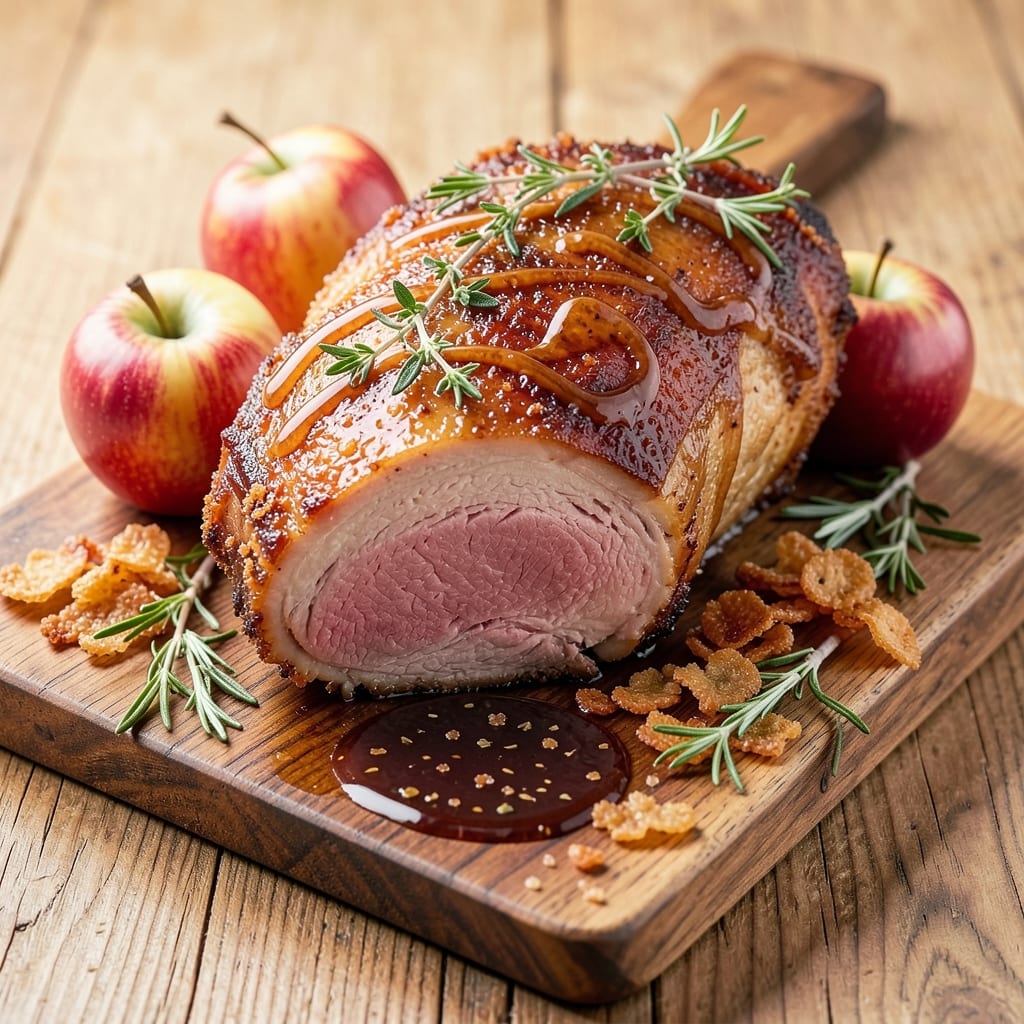
This festive pork roast recipe transforms a simple cut into the centerpiece of any holiday table—juicy, tender, and wrapped in a caramelized apple-cider glaze that smells like autumn. I perfected this method after years of roasting heritage pork for family gatherings, where the difference between good and extraordinary lies in the slow cook and the glaze. The secret? A dry brine overnight and basting with cider that reduces into a sticky, fragrant crust.
What sets this apart is the balance of technique and simplicity. You’ll start with a bone-in pork shoulder, dry-brined to lock in moisture, then roasted low and slow until the internal temperature hits 203°F—that’s the magic number for fall-off-the-bone tenderness. The apple-cider glaze, simmered with spices and butter, caramelizes beautifully, adding sweetness that cuts through the richness of the meat. Every bite delivers that perfect harmony of savory, sweet, and smoky.
By the time you serve it, your roast will be golden and glistening, with a crisp exterior that gives way to meat so tender it practically melts. The glaze clings to each slice, creating a sauce that doubles as a drizzle for mashed potatoes or roasted vegetables. This isn’t just dinner—it’s the kind of meal that makes guests linger, savoring every last bite. Pair it with seasonal sides and you’ve got a feast worthy of any celebration.
Whether you’re hosting Thanksgiving, a family dinner, or just craving a showstopper, this recipe delivers restaurant-quality results with minimal fuss. The dry-brine method ensures juiciness without extra effort, and the glaze can be prepped ahead, so you’re not stuck in the kitchen when guests arrive. Let’s get to the good stuff—here’s how to make it.
Ingredients for festive pork roast
Six pounds of heritage pork, two cups of cider, and spices that smell like Thanksgiving morning.
| Ingredient | Amount | Notes |
|---|---|---|
| Bone-In Pork Shoulder 🐖 | 6 lb | Heritage pork preferred, dry-brined overnight |
| Apple Cider 🍎 | 2 cups | Unfiltered, preferably organic |
| Unsalted Butter 🧈 | ½ cup | Cold, cubed for glaze |
| Brown Sugar 🍚 | ½ cup | Packed, light or dark |
| Fresh Thyme 🌿 | ¼ cup | Stems removed, chopped |
| Fresh Rosemary 🌿 | ⅛ cup | Stems removed, chopped |
| Garlic Cloves 🧄 | 6 cloves | Smashed, skin on |
| Kosher Salt 🧂 | 1 ½ tbsp | Diamond Crystal preferred |
| Freshly Ground Black Pepper 🌶️ | 1 tsp | Coarsely cracked |
| Granulated Sugar 🍚 | ¼ cup | For glaze balance |
| Apple Cider Vinegar 🍎 | 1 tbsp | For glaze tang |
| Olive Oil 🫒 | 2 tbsp | For basting |
| Fresh Sage Leaves 🌿 | ⅛ cup | Chopped, for garnish |
The pork shoulder is everything here. Heritage pork has more marbling, but any bone-in shoulder works—just ask your butcher for the fattest cut they have. Costco and Whole Foods usually carry heritage pork in the fall. If you can't find it, regular pork shoulder still delivers, but the texture won't be quite as luxurious. Dry-brining overnight is non-negotiable—it's what makes this fall-apart tender. I use Diamond Crystal kosher salt because it dissolves better, but any kosher salt works. The cider? Unfiltered and organic if you can find it—the sediment adds depth to the glaze. If not, regular cider still works, but it won't be quite as complex.
No apple cider? Substitute with a mix of apple juice and a splash of vinegar—it won't be identical, but it'll get you close. Fresh herbs are ideal, but dried thyme and rosemary at half the amount work in a pinch. The butter in the glaze is crucial—don't use margarine or vegan butter, it won't caramelize the same way. If you're short on time, you can make the glaze ahead and reheat it before basting. The sugar amounts are balanced—too much brown sugar makes it cloying, but too little and the glaze won't stick. Trust me on keeping it as written.
This roast reheats beautifully—350°F for 20 minutes covered with foil. The glaze thickens as it cools, so thin it with a splash of water if needed. Store leftovers in the fridge for 4-5 days or freeze for 3 months. I always make a double batch of glaze—half for basting, half to serve on the side. The pork keeps its moisture for days, so it's perfect for meal prep. Just slice it thin and reheat with a drizzle of extra glaze.
Why You'll Love This Recipe
- One-Pan Magic: The bone-in pork shoulder practically cooks itself while you sip your coffee. Just sear, add the apple cider and thyme, then let the oven do the work—no flipping, no fussing, just melt-in-your-mouth results.
- Apple Cider Magic: That tangy-sweet glaze from the reduced apple cider and brown sugar? It caramelizes into a glossy, sticky crust that’ll make your whole house smell like a fall market. Honestly, the first time I tasted it, I nearly licked the pan.
- Leftovers Heaven: This roast is so forgiving—it tastes even better the next day, especially when shredded into sandwiches or tossed with mashed potatoes. I’ve fed a crowd of six with one roast and still had enough for lunches.
- Budget Crowd-Pleaser: A bone-in pork shoulder stretches further than any boneless cut, and the ingredients won’t break the bank. Between us, this is how I feed my family’s soccer team gatherings without crying over grocery receipts.
Step-by-step instructions for apple-cider glazed pork roast
This method delivers melt-in-your-mouth tenderness with crisp edges and a glossy glaze.
Preheat and Prepare the Pork Shoulder
Preheat your oven to 300°F—this low-and-slow temperature is key for tenderizing the pork. Pat the 6 lb bone-in pork shoulder completely dry with paper towels, then rub it generously with 2 tbsp olive oil to help the seasoning stick and create a golden crust.
In a small bowl, combine 1.5 tbsp kosher salt, 1 tsp freshly ground black pepper, 0.25 cup chopped fresh thyme, and 0.125 cup chopped fresh rosemary. Press the herb mixture firmly into the pork, working it into the crevices and under the skin. Let the seasoned pork rest at room temperature for 30 minutes—this ensures even cooking and better flavor penetration.
Sear for Crispy Skin and Flavor
Heat a large oven-safe skillet or Dutch oven over medium-high heat. Place the pork shoulder fat-side down and sear for 8-10 minutes until the skin is deeply golden and crispy. You'll see the fat begin to render, which will baste the meat as it cooks. Flip the pork and sear the other side for another 5-7 minutes until golden brown.
Here's the thing—don't rush this step. The crispy skin is what makes this roast special. If it starts to brown too quickly, reduce the heat slightly to prevent burning. Once seared, transfer the skillet to the preheated oven and roast uncovered for 3 hours. This slow cook time breaks down the collagen for that fall-off-the-bone texture.
Prepare the Apple-Cider Glaze
While the pork roasts, prepare the glaze by combining 2 cups apple cider, 0.5 cup brown sugar, 0.25 cup granulated sugar, 1 tbsp apple cider vinegar, and the 6 smashed garlic cloves in a saucepan. Bring to a simmer over medium heat and cook for 10 minutes until reduced by half and slightly thickened.
Remove from heat and stir in the 0.5 cup cold unsalted butter, cubed, until melted and incorporated. The glaze should be glossy and syrupy—this is what will caramelize beautifully on the pork. Taste and adjust seasoning with more salt or vinegar if needed. Keep the glaze warm while you finish cooking the pork.
Glaze and Finish for Crispy Perfection
After 3 hours of roasting, check the internal temperature of the pork—it should read 195-200°F in the thickest part. If it's not quite there, return it to the oven for another 30-60 minutes. Once tender, remove the pork from the oven and increase the heat to 425°F.
Brush the warm glaze generously over the pork, then return it to the oven for 10-15 minutes to caramelize the glaze and crisp the skin. Watch closely—the glaze will bubble and darken quickly. When it's deeply amber and the pork is sizzling, remove it from the oven and let it rest for 15 minutes before carving. This resting time is crucial for juiciness.
Garnish and Serve
Slice the pork against the grain into ½-inch thick pieces. Garnish each serving with the remaining 0.125 cup chopped fresh sage leaves and drizzle with any remaining glaze from the pan. The contrast of crispy edges, tender meat, and sweet-tangy glaze makes this roast perfect for holiday tables.
Serve immediately with roasted root vegetables or a simple green salad. The leftovers reheat beautifully—just warm them in the oven with a splash of apple cider to keep everything moist. This roast is the centerpiece your guests will rave about!
Pro Tips For Making Festive Pork Roast
- CRANK THE OVEN TO 425°F: Start your pork shoulder screaming hot—this isn’t a slow-and-low race. The initial sear locks in flavor and caramelizes the brown sugar faster, so the crust forms in 20 minutes instead of 40. (Yes, even if you’re impatient like me.)
- SALT THE PORK 24 HOURS EARLY: This isn’t optional. The bone-in shoulder needs time for the salt to work its magic into the thickest parts. Pat it dry first, then coat it generously—about 1.5 teaspoons of kosher salt per pound—and let it sit uncovered in the fridge. (Your future self will thank you.)
- DON’T DROWN THE PAN: When you deglaze with apple cider, resist the urge to add too much. The pan should sizzle, not simmer—just splash in enough to loosen the browned bits, then scrape with a wooden spoon. Too much liquid = watery sauce. (I learned this the hard way after three soggy attempts.)
- STICK THE THYME IN THE BONE: Tuck fresh thyme sprigs into the bone cavity before roasting—this infuses the meat directly with aroma as it cooks. A few sprigs on top won’t cut it; you want that herbal punch deep inside. (Sounds weird, but it works.)
Storing and reheating this dish
Refrigerator Storage
Store your cooked pork roast in an airtight container with a splash of apple cider to keep it moist. I use glass Pyrex containers with tight-sealing lids—they preserve flavor better than plastic. Keep it refrigerated at 40°F or below for up to 5 days, though the glaze actually improves overnight as flavors meld. The meat stays juicy and the glaze thickens slightly, making it perfect for quick reheating. 🌟
Freezer Prep Tips
For long-term storage, slice the pork into ½-inch thick portions before freezing. Place slices in a single layer on a tray, then transfer to a freezer bag with all air removed—this prevents freezer burn. Label with the date and freeze for up to 3 months. When ready to eat, thaw overnight in the fridge and reheat gently. I always make extra glaze to reheat alongside the meat for that same restaurant-quality finish. ❄️
Oven Reheating
My preferred method is reheating in the oven at 350°F for 20-25 minutes, covered loosely with foil. This keeps the meat tender and the glaze glossy. Add 2 tbsp apple cider to the pan to prevent drying out. For crispy edges, uncover for the last 5 minutes of reheating. The pork should reach 165°F internal temperature—use a meat thermometer to check. This method preserves all the flavors from your original cook. 🔥
Microwave Shortcut
For quick meals, use the microwave at 50% power for 2-3 minutes per serving, covered with a damp paper towel. Stir halfway through to distribute heat evenly. Add 1 tbsp apple cider to the plate to keep the meat moist. While not as crispy as oven reheating, it’s perfect for busy weeknights. Just avoid microwaving in bulk—it can make the meat rubbery. 💡
Glaze Refresh
The glaze thickens when refrigerated, so thin it with 1-2 tbsp water before reheating. I often reheat leftover glaze separately in a small saucepan over low heat until warm and syrupy. Drizzle it over reheated pork or use it as a sauce for mashed potatoes. The glaze’s sweet-tangy balance makes it versatile—don’t let it go to waste! The flavors only get better with time. 🍎
Serving Leftovers
Transform leftover pork into pork sandwiches with crusty bread, pork fried rice, or pork tacos with pickled onions. The glaze adds a sweet contrast to savory dishes. I also love using shredded pork in stuffed sweet potatoes or breakfast hash with potatoes and eggs. Get creative—there’s no wrong way to enjoy this versatile roast. Your guests will never guess it’s leftovers! 🥪
Nutrition facts
Frequently asked questions about your festive pork roast
Can I use a different cut of pork instead of a bone-in shoulder?
Yes, but with adjustments! A pork loin will cook faster (20-25 minutes per pound at 325°F) and won't be as tender. For best results, use a bone-in ham (about 8-10 lbs) and reduce the cooking time to 2.5 hours at 300°F before glazing. The bone helps retain moisture, just like the shoulder.
How do I know when the pork is fully cooked?
Use a meat thermometer—the internal temperature should reach 203°F in the thickest part of the shoulder (or 195°F for ham). The meat should pull away from the bone easily when tested with tongs. Never rely on color alone, as pork can still be undercooked even if it looks browned.
What if I don't have apple cider? Can I substitute?
Use apple juice + 1 tbsp vinegar (white or apple cider vinegar) for tang, or dry white wine for depth. For a non-alcoholic option, try cranberry juice mixed with 1 tbsp honey. The glaze will still caramelize beautifully, though the flavor profile will differ slightly.
Can I make this roast in a slow cooker?
Yes, but with modifications. Sear the pork first, then cook on low for 8 hours or high for 5 hours in the slow cooker. Transfer to a baking sheet, glaze, and finish under a broiler for 5-7 minutes to crisp the skin. The slow cooker method works well for hands-off prep, though the skin won't be as crispy as oven-roasted.
Why does my pork turn out dry?
Overcooking is the #1 cause! Always use a thermometer and remove the pork when it hits 203°F. Let it rest for 15-20 minutes before slicing—this redistributes juices. If you're short on time, try the reverse sear method: Roast at 250°F until 195°F internal, then sear in a hot pan for a crispy crust.