
Sauces & Condiments
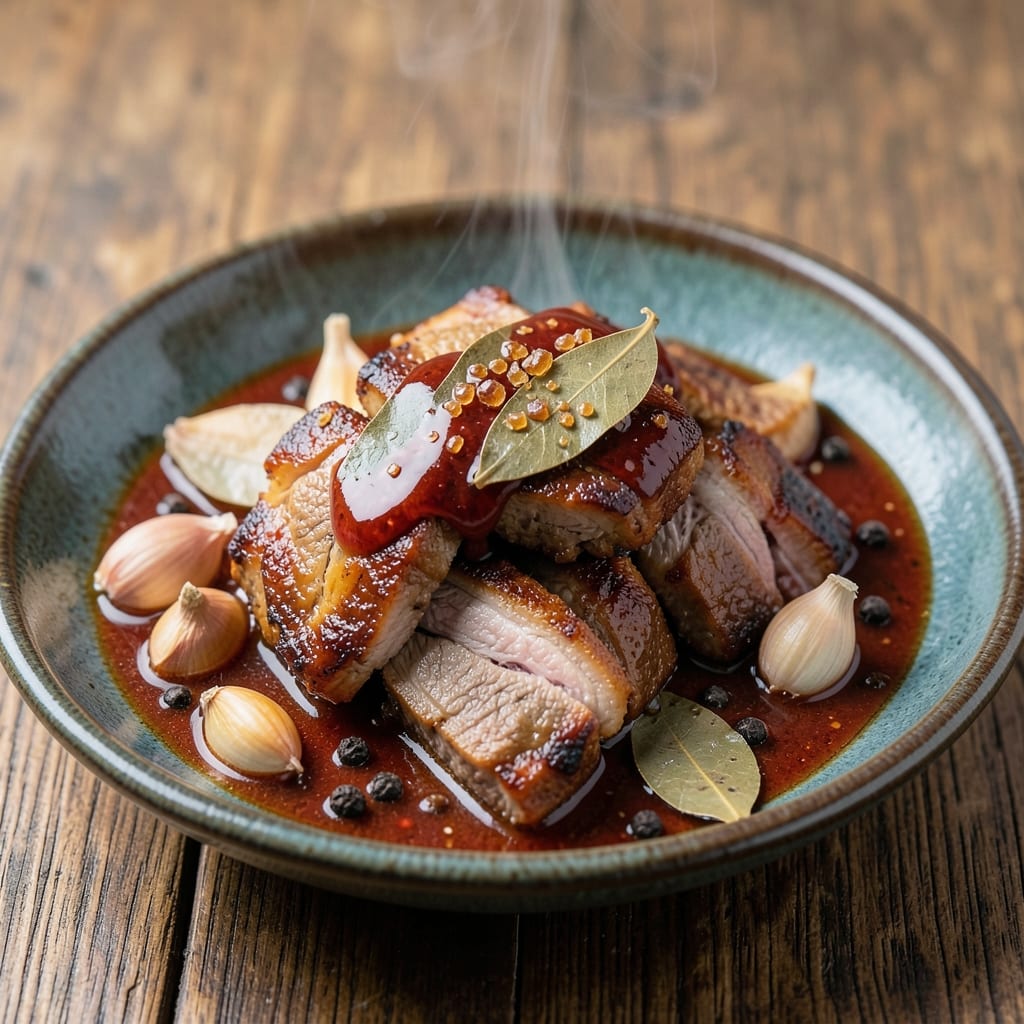
Filipino pork adobo sauce transforms simple ingredients into a tangy, caramelized masterpiece—perfect for marinating meats or drizzling over rice. The balance of vinegar, soy sauce, and garlic creates a complex flavor that deepens as it simmers, delivering restaurant-quality results in just 30 minutes. This sauce is the backbone of Filipino cuisine, where acidity and umami dance together in perfect harmony.
The secret lies in the reduction process, where the sauce thickens into a glossy, sticky consistency that clings to every bite. Unlike many sauces that rely on heavy cream or butter, adobo sauce gets its richness from the natural caramelization of garlic and the depth of soy sauce. The vinegar not only tenderizes meat but also adds a bright tang that cuts through the richness.
What makes this sauce truly versatile is its ability to elevate any dish—whether you're marinating pork chops, basting grilled chicken, or serving it as a dip for spring rolls. The flavor profile is bold yet balanced, with a perfect harmony of sweet, salty, and tangy notes. Once you taste homemade adobo sauce, store-bought versions will never measure up.
Store any leftovers in an airtight container in the refrigerator for up to one week, where the flavors continue to develop and deepen. For a richer texture, let the sauce reduce even longer on the stove, creating a thicker glaze that's ideal for brushing onto meats. This sauce is a game-changer for anyone looking to add authentic Filipino flavor to their cooking.
Ingredients for filipino pork adobo sauce
Nine simple ingredients transform into a bold, sticky sauce that's the heart of Filipino cooking.
| Ingredient | Amount | Notes |
|---|---|---|
| Cane Vinegar 🍶 | 1 cup | White vinegar works too |
| Soy Sauce 🥢 | ½ cup | Dark or light preferred |
| Garlic Cloves 🧄 | 8 cloves | Peeled and smashed for depth |
| Brown Sugar 🍚 | ¼ cup | Light or dark variety |
| Ground Black Pepper 🌶️ | 1 tsp | Freshly cracked preferred |
| Bay Leaves 🌿 | 2 whole | For aromatic depth |
| Ground Cinnamon 🍃 | ½ tsp | Optional for warmth |
| Whole Star Anise 🌟 | 2 pieces | For subtle licorice note |
| Olive Oil 🫒 | 2 tbsp | For deglazing |
The vinegar is non-negotiable here—Filipino cane vinegar gives that authentic tang, but white vinegar works in a pinch. Asian grocery stores carry cane vinegar in bottles, but if you're at a regular supermarket, grab the cheapest white vinegar you can find. The garlic? Don't skimp—the more you use, the deeper the flavor. I always buy garlic by the head from the bulk bins at Whole Foods or Trader Joe's—it keeps forever and you can peel it as you go. The soy sauce should be the good stuff, not the saltwater kind. Lee Kum Kee or Kikkoman are solid choices, but any quality soy sauce will do.
No cane vinegar? Apple cider vinegar is your next best bet—it's fruitier but still tangy. Short on garlic? Garlic powder at half the amount gets you close, but trust me, fresh is better. The spices—cinnamon, star anise—are optional but add layers. Penzeys has great whole spices if you want to splurge, but the regular grocery store stuff works fine. If you're making this for a crowd, double the spices—they're cheap and add serious depth. The brown sugar is what caramelizes and gives that glossy finish, so don't skip it. If you're out, honey or maple syrup works in a bind (but it won't caramelize the same way).
This sauce gets better with time—3 days in the fridge is ideal if you can wait. The flavors meld and deepen like magic. Store it in a glass jar with a tight seal, and it'll keep for up to 2 weeks in the fridge. Freeze any extras in ice cube trays for perfect single-use portions. The longer you reduce it, the thicker and richer it gets—don't rush it. A quick tip: if the sauce gets too thick while reducing, just add a splash of water or vinegar to loosen it up.
Why You'll Love This Recipe
- Pantry Magic: I swear by this sauce—no fancy ingredients, just what’s already lurking in my cupboard. That tangy cane vinegar and soy sauce combo? It’s the secret sauce that turns plain pork into something unforgettable with zero effort.
- Umami Bomb: The garlic and black pepper hit different—crispy edges on the pork, deep savory notes from the soy, and that brown sugar caramelizing at the end. It’s the kind of flavor that makes you reach for seconds without even thinking.
- Budget Hero: Five ingredients, one pot, and it costs me less than takeout. The vinegar cuts through the richness of the pork, the sugar balances it out, and I’m left with a sauce that feels fancy but costs next to nothing. My wallet thanks me every time.
Step-by-step instructions for Filipino pork adobo sauce
This vibrant sauce builds rich caramel depth in just 30 minutes—perfect for tenderizing pork or drizzling over rice.
Bloom the Aromatics in Olive Oil
Heat the 2 tablespoons olive oil in a medium saucepan over medium heat until shimmering. Add the 8 cloves garlic cloves (peeled and smashed), 2 whole bay leaves, and 2 pieces whole star anise. Cook for 2 minutes until the garlic releases its golden aroma—this is where the sauce's complexity begins.
Watch closely: the garlic should sizzle gently without browning. If it darkens too quickly, reduce heat to medium-low. These aromatics form the flavor base, so don't rush this step. The star anise will infuse subtle licorice notes, while the bay leaves add earthy depth that balances the acidity.
Add Vinegar and Soy Sauce for Tangy Foundation
Pour in the 1 cup cane vinegar and 0.5 cup soy sauce all at once. Stir vigorously and bring to a gentle boil over high heat. Immediately reduce heat to medium-high and let it simmer uncovered for 5-7 minutes until the liquid reduces by about one-third and becomes syrupy.
This reduction is critical—it concentrates the flavors and creates that signature adobo caramel. You'll notice the sauce darken and thicken slightly, but don't walk away. Stir occasionally to prevent sticking, and taste occasionally to monitor the balance between tangy and salty. The vinegar's sharpness should mellow into a bright acidity.
Sweeten and Spice for Balanced Depth
Add the 0.25 cup brown sugar, 1 teaspoon ground black pepper, and 0.5 teaspoon ground cinnamon. Stir well to dissolve the sugar completely, then return to a simmer for 3-5 minutes until the mixture thickens to a glossy consistency that coats the back of a spoon.
Here's where the sauce transforms: the sugar caramelizes with the vinegar, creating that irresistible sweet-savory balance. The cinnamon adds warmth while the pepper brings a subtle heat. Taste and adjust—if it needs more tang, add a splash of vinegar; if it's too sharp, a pinch more sugar helps. The cinnamon is optional but recommended for that authentic Filipino touch.
Strain and Finish for Silky Texture
Remove from heat and strain the sauce through a fine-mesh sieve into a clean bowl, pressing gently on the solids to extract all the flavor. Discard the aromatics—they've done their job. Taste the strained sauce and adjust seasoning if needed, adding a bit more vinegar for brightness or soy sauce for saltiness.
This final straining step ensures a smooth, restaurant-quality sauce without any gritty bits. The texture should be velvety, clinging to the back of a spoon. For immediate use, drizzle over steamed rice or grilled pork. For longer storage, transfer to an airtight container and refrigerate for up to 2 weeks, or freeze for 3 months. The flavors only deepen over time!
Pro Tips For Making Filipino Pork Adobo Sauce
- Bloom the Garlic First: Toss your minced garlic into the pot with the vinegar and let it sit for 5 minutes—yes, even if you’re eager to add the pork. I learned this the hard way: skipping this step means your garlic burns before the flavors meld, leaving you with bitter bits instead of that sweet, aromatic punch. ---
- Simmer Slow and Low: After the initial boil, drop the heat to a gentle simmer and cover the pot. Too much heat = fast evaporation, which concentrates the vinegar into harsh acidity. Let it cook uncovered only in the last 10 minutes to thicken the sauce properly—this is where the magic happens. ---
- Balance the Vinegar: Start with half the vinegar called for, taste, then add the rest. Cane vinegar varies in strength, and if you dump it all in at once, you’ll regret it. Brown sugar and soy sauce are your fixers—adjust them after tasting, not before. ---
- Skip the Pre-Cooked Pork: Raw pork in adobo sauce? Absolutely. The acid and heat tenderize it perfectly, and you avoid the greasy, overcooked texture of pre-braised meat. Just make sure your cuts are thin enough—1-inch chunks max—or they’ll turn tough.
Flavor customization for this recipe
Spicy Kick
For a fiery twist, add 1-2 teaspoons of chili flakes or ½ teaspoon cayenne pepper during the final simmer. If you love heat, I recommend Penzeys Mad Dog Chili Powder—it adds smoky depth alongside the spice. Start with ½ teaspoon, taste, then adjust. This works especially well when serving with grilled pork skewers or spring rolls. 🌶️
Smoky Depth
Swap ½ cup soy sauce for ½ cup soy sauce + 1 tablespoon smoked paprika to add a campfire-like richness. For extra smokiness, add 1 teaspoon liquid smoke (like La Choy) at the end—just a drop or two makes a huge difference. This variation pairs perfectly with slow-cooked pork shoulder or grilled chicken thighs.
Sweet & Tangy
Boost the sweetness by adding 2 tablespoons honey or 1 tablespoon pineapple juice during the final reduction. The natural acidity in pineapple juice enhances the tang, while honey adds a floral note. I love this version drizzled over sticky rice or used as a glaze for roasted pork belly. 🍯
Herb-Infused
Brighten the sauce with 2 tablespoons chopped cilantro or 1 tablespoon lemongrass paste (found in Asian markets) during the last 5 minutes of simmering. Fresh herbs like Thai basil or mint add a refreshing contrast to the bold flavors. This works beautifully with grilled shrimp or as a dipping sauce for vegetable spring rolls.
Creamy Finish
For a luxurious twist, stir in 1 tablespoon coconut milk or 2 teaspoons heavy cream at the very end. This softens the acidity and adds a velvety texture—perfect for drizzling over steamed jasmine rice or baked fish. Just be sure to add it off the heat to prevent curdling. 🥥
Nutrition facts
Frequently asked questions
Can I use white vinegar instead of cane vinegar?
Yes, white vinegar works perfectly as a substitute! While cane vinegar gives that authentic Filipino depth, white vinegar still delivers the bright tang needed for the sauce. For extra flavor, add ½ teaspoon sugar to mimic the slight sweetness of cane vinegar. The texture and acidity will be very similar—just slightly less complex.
How long can I store homemade adobo sauce?
Store your sauce in an airtight container in the refrigerator for up to 2 weeks. The flavors actually improve over time, becoming richer and more balanced. For longer storage, freeze in ice cube trays for perfect single-use portions. When reheating, warm gently on the stove—no boiling needed to preserve the texture.
What's the best way to use leftover adobo sauce?
This versatile sauce works wonders! Use it as a marinade for chicken or pork, drizzle over rice, or serve as a dip for spring rolls. For extra richness, reduce it further on the stove until syrupy—perfect for glazing grilled meats. The sauce also freezes beautifully, making it ideal for meal prep.
Can I make adobo sauce without sugar?
If you're avoiding sugar, simply omit the brown sugar and increase the vinegar by 1 tablespoon to maintain balance. The sauce will be more tart but still delicious. For a natural sweetener alternative, try 1 tablespoon honey or ½ teaspoon maple syrup—just remember these will caramelize differently.
Why does my adobo sauce look thin?
If your sauce is too thin, simply simmer it uncovered for 5-10 more minutes to reduce the liquid. For a quicker fix, mix 1 tablespoon cornstarch with 2 tablespoons water, stir into the sauce, and simmer until thickened. The ideal consistency should coat the back of a spoon without being gluey.