
Side Dishes
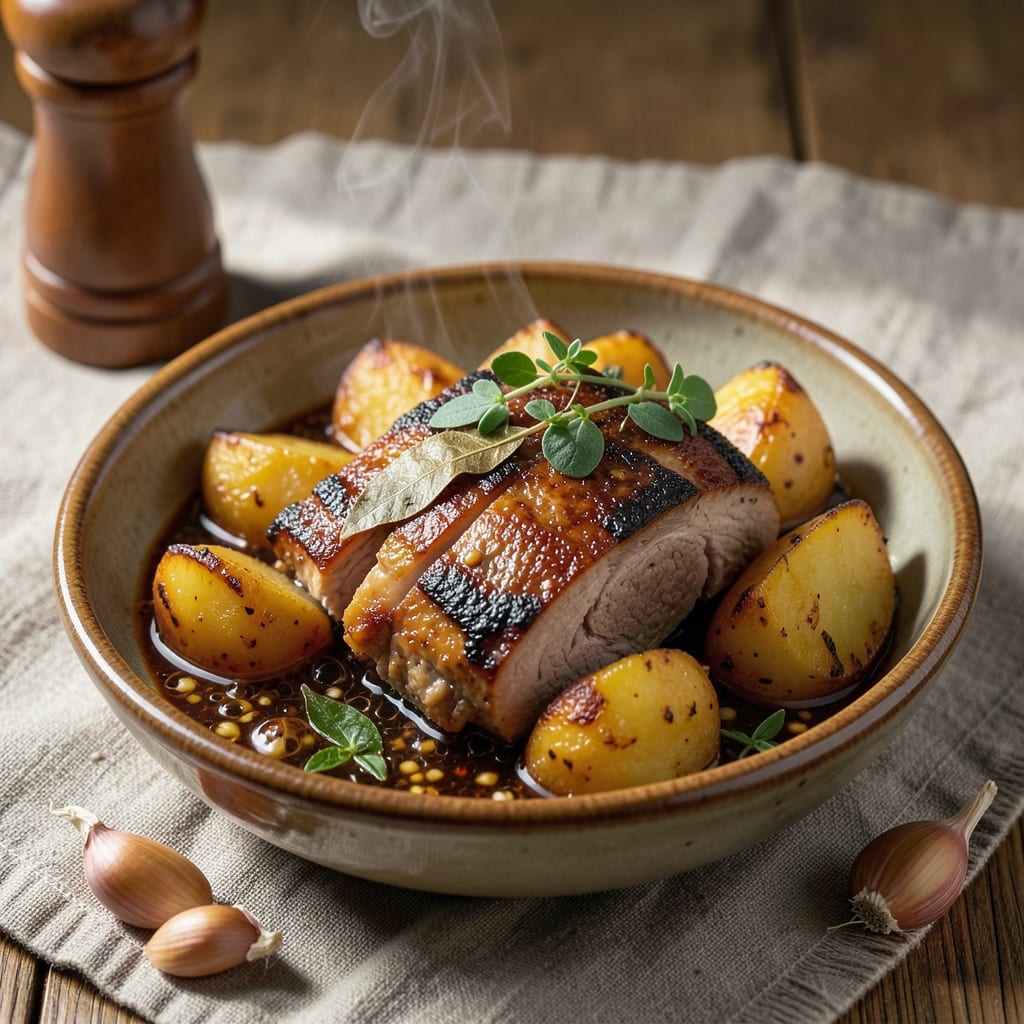
This Filipino pork adobo with potato recipe delivers the perfect marriage of crispy edges and silky meat that's been simmering in vinegar and soy sauce for hours. The secret lies in the balance—tangy, savory, and just slightly sweet—where tender pork and hearty potatoes absorb the rich, caramelized sauce. I first tasted this dish in Manila, where it became a staple at family gatherings, and it's since become a go-to for me whenever I crave bold, comforting flavors that transport me back to those memories.
The beauty of this dish is in its simplicity: just a few pantry staples—soy sauce, vinegar, garlic, and bay leaves—transform tough cuts of pork into melt-in-your-mouth perfection. The potatoes, boiled until tender and then simmered in the adobo sauce, soak up all the flavor, becoming a hearty accompaniment rather than just a side. Whether you're using a pressure cooker for speed or the stovetop for traditional slow cooking, the result is the same: a dish that's as satisfying as it is flavorful.
What makes this recipe truly special is how the crispy edges on the pork develop as the sauce reduces, creating a textural contrast that's impossible to resist. The sauce itself is a symphony of flavors—bright from the vinegar, deep from the soy, and aromatic from the garlic and bay leaves. It's the kind of dish that tastes even better the next day, as the flavors meld and deepen, making it perfect for meal prep or feeding a crowd.
Serve this pork adobo with steamed rice to soak up every last drop of that rich, tangy sauce. The combination of crispy pork, tender potatoes, and fluffy rice creates a meal that's both hearty and deeply satisfying—exactly what you need when you're craving something that feels like home. Let's get cooking!
Ingredients for filipino pork adobo with potato
Six core ingredients transform tough pork and potatoes into crispy-edged, tangy perfection.
| Ingredient | Amount | Notes |
|---|---|---|
| Pork Shoulder 🍖 | 3 lb | Cut into 2-inch chunks, bone-in preferred |
| Russet Potatoes 🥔 | 3 lb | Cut into 2-inch chunks, peeled or unpeeled |
| Cane Vinegar 🍶 | 1 cup | White or apple cider vinegar works too |
| Soy Sauce 🥄 | ½ cup | Light or dark soy sauce preferred |
| Garlic Cloves 🧄 | 8 cloves | Minced or crushed for best flavor |
| Bay Leaves 🍃 | 4 whole | Fresh or dried, remove before serving |
| Sugar 🍚 | ¼ cup | Brown sugar for deeper flavor |
| Black Peppercorns 🌶️ | 1 tsp | Crushed for even distribution |
| Olive Oil 🫒 | 2 tbsp | For crispy edges, high smoke point |
| Salt 🧂 | 1 ½ tsp | Kosher salt for seasoning |
| Ground Black Pepper 🌶️ | ½ tsp | Freshly ground for best flavor |
The pork shoulder is the star—bone-in cuts stay juicier, but boneless works too. Look for good marbling at Costco or Whole Foods—the fat renders beautifully during cooking. Russet potatoes are ideal (they hold up to boiling), but Yukon Golds work too. For vinegar, Filipino cane vinegar is traditional, but white vinegar or apple cider vinegar are solid substitutes. The soy sauce? Light soy for brightness, dark soy for depth—I keep both on hand. Fresh garlic and bay leaves make all the difference, so don't skimp here.
No cane vinegar? White vinegar or apple cider vinegar work perfectly—they're what most home cooks use. Swapping soy sauces? Light soy for tangier flavor, dark soy for richer color. If you're avoiding sugar, reduce the vinegar by 2 tbsp and add 1 tbsp honey instead. The pork chunks should be consistent—2 inches max—so they cook evenly. Potatoes can be baby potatoes if you prefer, but they'll take longer to cook. For extra crispy edges, toss the pork in 1 tbsp cornstarch before browning.
This dish tastes even better the next day—flavors meld and deepen. Store in an airtight container for 5 days in the fridge or freeze for 3 months. I portion mine into containers with rice—one container per meal—so lunches are ready to grab. The sauce thickens as it cools, so add a splash of water if it seems too thick when reheating. Serve with steamed rice to soak up every last drop of that tangy, caramelized goodness.
Why You'll Love This Recipe
- One-Pot Magic: I swear by this recipe because it’s literally one pan, one pot. Toss the pork shoulder and potatoes in there with the vinegar and soy, then let it simmer—no chopping boards to wash, no extra dishes. That garlic? Just smash it with the side of a knife—no mincing required.
- Tangy-Savory Balance: The vinegar cuts through the richness of the pork, while the soy sauce adds depth, and those crispy potatoes? They soak up all the flavor like little flavor sponges. It’s not sweet, not too sour—just right, with that perfect bite that makes you reach for seconds.
- Leftovers That Don’t Suck: Between us, this dish begs to be made in bulk. The flavors only get better the next day, and it reheats like a dream—no drying out, no weird textures. I’ve had it cold in a sandwich, reheated with rice, even thrown into fried rice later in the week. Zero waste, all win.
- Budget Meal for Busy Nights: Pork shoulder is cheap, potatoes are cheap, and you’re using pantry staples. Honestly, I’ve fed four people for under $15 with this, and they’ve never complained. Plus, the prep takes less time than ordering takeout, and it’s way healthier. My go-to when I’m tired but still want something that tastes like it took hours.
Step-by-step instructions for Filipino pork adobo with potato
Here's how to transform simple ingredients into tender pork and crispy potatoes with that signature tangy-sweet adobo flavor.
Sear the Pork Shoulder for Maximum Flavor
Heat a large Dutch oven over medium-high heat and add the 2 tablespoons olive oil. Working in batches, add the 3 lb pork shoulder cut into 2-inch chunks and sear for 3-4 minutes per side until deeply browned. This step builds deep flavor through the Maillard reaction—don't skip it.
As you sear, sprinkle the pork with 1 teaspoon salt and ½ teaspoon ground black pepper to season while it cooks. Once all pork is browned, transfer it to a plate and set aside. You'll notice the pork releases its juices—this is good, as the fat will baste the meat during cooking.
Build the Adobo Base with Aromatics
In the same Dutch oven, reduce heat to medium and add the 8 cloves garlic cloves (minced or crushed) and 1 teaspoon black peppercorns. Cook for 1-2 minutes until fragrant—you'll smell that irresistible garlic aroma filling your kitchen. Be careful not to burn the garlic; it should just turn golden.
Add the 3 lb russet potatoes cut into 2-inch chunks and toss to coat in the garlic and peppercorns. Cook for another 3-4 minutes until the potatoes begin to soften slightly. This step ensures the potatoes absorb all those wonderful aromatics before the braising begins.
Create the Signature Tangy-Sweet Sauce
Pour in the 1 cup cane vinegar and ½ cup soy sauce, scraping up any browned bits from the bottom of the pot. These bits are packed with flavor—don't miss them! Add the ¼ cup sugar and stir until dissolved. The mixture will bubble vigorously as the vinegar heats up.
Return the seared pork to the pot along with the 4 whole bay leaves. Bring everything to a gentle simmer over low heat. Here's the thing—you want the liquid to bubble softly, not boil hard, which could make the pork tough. The potatoes should be mostly submerged in the sauce.
Braise Until Fork-Tender with Crispy Edges
Cover the pot and simmer for 1 hour to 1 hour 15 minutes, stirring occasionally, until the pork becomes fork-tender and pulls apart easily. The potatoes should be soft inside with slightly crispy edges from the vinegar braising. If the sauce reduces too much and the pork starts to look dry, add ¼ cup water to keep it moist.
I know it seems like a long time, but patience is key here. The pork needs this slow cooking to become truly tender while the potatoes absorb all that delicious adobo flavor. The sauce should thicken slightly as it simmers, creating that perfect balance of tangy, sweet, and savory.
Finish and Serve with Perfect Texture
Once the pork is tender, remove the bay leaves. Taste the sauce and adjust seasoning if needed—add more soy sauce for saltiness, vinegar for tang, or sugar for sweetness. The sauce should coat the back of a spoon with a glossy sheen.
Let the adobo rest for 5-10 minutes before serving. This resting time allows the juices to redistribute throughout the pork and potatoes, ensuring every bite is moist and flavorful. Serve hot with steamed rice to soak up all that delicious sauce—you'll love how the crispy potato edges contrast with the silky pork.
Pro Tips For Making Filipino Pork Adobo With Potato
- Sear the Pork First: Hit the pork shoulder with high, dry heat until it’s deep golden—no need to cook it all the way through. I used to skip this, and the adobo just tasted flat. A quick 3-4 minutes per side in a screaming-hot pan builds flavor that soaks into the meat later. ---
- Cut Potatoes Evenly: Russets break easily, so slice them into 1-inch chunks before adding them to the pot. Uneven pieces mean some cook mushy while others stay raw. (Yes, even if you’re impatient like me—trust the process.) ---
- Balance Vinegar and Soy: Start with equal parts cane vinegar and soy sauce (e.g., ½ cup each), then taste. Too tangy? Add a splash of water. Too salty? A pinch of sugar or a splash of vinegar fixes it. I learned this the hard way—adjust as you go. ---
- Simmer, Don’t Boil: Keep the liquid at a gentle bubble, not a rolling boil. High heat turns the potatoes to mush and makes the pork tough. A low simmer (just small bubbles) keeps everything tender—about 1.5 hours for pork, 20-25 minutes for potatoes.
Common mistakes when making perfect results
Overcooking the Pork
One of the biggest mistakes I see is letting the pork cook too long, which turns it dry and stringy instead of tender. The pork should be fork-tender after 1 hour to 1 hour 15 minutes of simmering—if it's falling apart easily, it's ready. I've ruined a few batches by walking away and forgetting about it, so set a timer or check it every 15 minutes after the hour mark. 🌡️
Skipping the Sear
Some people rush the searing step, thinking it's optional, but that's a huge flavor mistake. Those 3-4 minutes per side of browning create the Maillard reaction, which builds deep, caramelized flavor. If you skip it, your adobo will taste flat. I've learned this the hard way—once, I used pre-cooked pork and the dish lacked that rich, savory depth.
Using the Wrong Vinegar
Not all vinegars are created equal. While white vinegar or apple cider vinegar work in a pinch, they lack the complexity of Filipino cane vinegar. Cane vinegar has a sweeter, more nuanced tang that balances the soy sauce perfectly. If you can't find it, use balsamic vinegar instead—it adds depth that regular vinegar can't match. Trust me, your taste buds will notice the difference.
Ignoring the Potato Texture
The potatoes should be tender inside with slightly crispy edges from the vinegar braising. If you overcook them, they'll turn mushy and lose their texture. Start checking them after 45 minutes of simmering—they should be soft but still hold their shape. I once served mushy potatoes and had to promise my family a second batch. 🥔
Not Adjusting the Sauce
Taste your sauce before serving! The balance of tangy, sweet, and savory should be harmonious. If it's too sour, add a pinch of sugar or a splash of soy sauce. If it's too salty, dilute with water or a bit more vinegar. I always taste as I go—it's the only way to get that perfect adobo flavor every time.
Using Bone-In Pork Without Planning
Bone-in pork is fantastic for flavor, but it takes longer to cook. If you use it, plan for an extra 30 minutes of simmering. The bones add richness, but they also require patience. I've had to pull pork off the heat early when using boneless cuts, so adjust your cooking time based on what you're using. Always check for doneness with a fork or meat thermometer (203°F for pork shoulder).
Nutrition facts
Frequently asked questions
Can I substitute chicken or beef for the pork in this recipe?
You can absolutely try chicken or beef, but cooking times and techniques will differ. Chicken thighs work well (reduce cooking time to 45-50 minutes) as they cook faster than pork. For beef chuck roast, increase simmering time to 2-2.5 hours until fork-tender. The key is to maintain the same low-and-slow approach to let the meat absorb all that delicious adobo flavor.
How do I make this recipe in an Instant Pot for faster cooking?
For an Instant Pot version, sear the pork first (same method), then add all ingredients except bay leaves. Cook on high pressure for 35 minutes, then quick-release. Add bay leaves and simmer on low heat for 10 minutes before serving. The potatoes may need 10-15 minutes extra if they're not fully tender after pressure cooking.
Why does my adobo sauce sometimes turn out too thin or too thick?
The sauce thickness depends on cooking time and liquid reduction. For a thicker sauce, simmer uncovered for 10-15 minutes at the end. If it's too thin, reduce heat and cook longer (the vinegar will evaporate). Pro tip: Skim excess fat from the surface during cooking - it prevents proper thickening. The ideal sauce should coat the back of a spoon with a glossy sheen.
Can I prepare this dish ahead of time for meal prep?
This dish actually tastes better the next day as flavors deepen! Store in an airtight container in the fridge for up to 5 days or freeze for 3 months. Reheat gently on the stove with a splash of water to restore moisture. I portion mine into containers with rice - perfect for grab-and-go lunches. The sauce will thicken further when reheated, so add water as needed.
What are some good side dishes to serve with pork adobo?
Steamed white rice is the classic pairing, but you can also serve it with: garlic fried rice, sautéed string beans, or coconut rice. For a heartier meal, add garlic roasted eggplant or sautéed cabbage with onions. The crispy potato edges in this recipe make it satisfying on its own, but these sides add great texture contrast.