
Sauces & Condiments
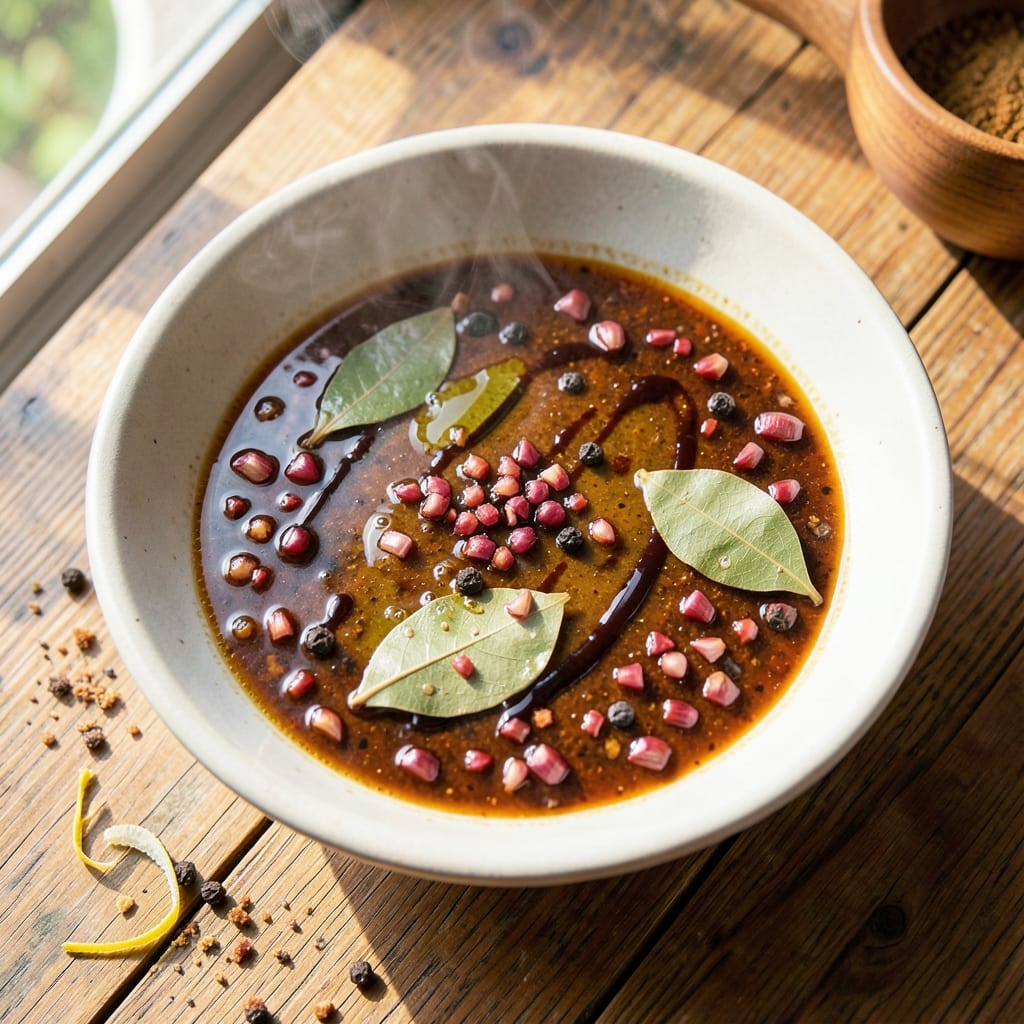
This Filipino pork barbecue marinade recipe transforms simple pork into tender, caramelized perfection with just 30 minutes of prep. The secret lies in balancing tangy vinegar, rich soy sauce, and aromatic garlic—classic Filipino flavors that create a sticky, flavorful crust when grilled. I developed this marinade after years of experimenting with regional techniques, and it never fails to deliver restaurant-quality results at home.
The marinade's magic comes from its acid-base balance: vinegar tenderizes the meat while soy sauce adds depth, and garlic brings that unmistakable Filipino aroma. Ready in just 30 minutes, this marinade works equally well for grilled pork skewers, roasted pork belly, or even pulled pork. The caramelized crust forms beautifully on the grill or in the oven, locking in juices for maximum flavor.
What makes this marinade special is its versatility—use it as-is for classic Filipino flavors or add pineapple juice for a tropical twist. The ingredients are simple but powerful: soy sauce, vinegar, garlic, and a touch of sugar to enhance the caramelization. Store it in the fridge for up to 5 days, making it perfect for meal prep or batch cooking.
For best results, let the pork marinate for at least 30 minutes (or overnight for deeper flavor), then grill or roast until the edges are crispy and caramelized. The marinade's acidity ensures tender meat, while the soy and garlic create layers of umami and aromatic complexity. This is the marinade I reach for whenever I want that authentic Filipino BBQ flavor—simple, effective, and impossible to resist.
Ingredients for filipino pork barbecue marinade
Eight ingredients, Filipino soul—this marinade turns pork into irresistible caramelized perfection.
| Ingredient | Amount | Notes |
|---|---|---|
| Cane Vinegar 🍶 | ½ cup | White vinegar works in pinch |
| Light Soy Sauce 🥢 | ½ cup | Filipino brands preferred |
| Brown Sugar 🍚 | ¼ cup | Packed firmly for caramelization |
| Garlic Cloves 🧄 | 6 cloves | Peeled, roughly chopped |
| Ground Black Pepper 🌶️ | 1 tsp | Freshly cracked for heat |
| Bay Leaves 🌿 | 2 whole | Dried, crushed lightly |
| Ginger Root 🧅 | 1 tbsp | Freshly grated, zesty |
| Olive Oil 🫒 | 1 tbsp | For emulsification |
The soy sauce and vinegar are non-negotiable for that authentic Filipino tang. Filipino brands like Silver Swan or Datu Puti make all the difference, but any quality light soy will work. Brown sugar isn't just for sweetness—it's what creates that signature caramelized crust when grilled. Costco or Asian markets usually carry the best sugar for this. Fresh garlic and ginger are essential (dried won't cut it), but if you're in a bind, jarred minced garlic works in a pinch—just add an extra clove. The olive oil helps the marinade cling to the meat, so don't skip it.
No cane vinegar? Apple cider vinegar is the closest substitute—just add a pinch of sugar to balance the flavor. Light soy sauce unavailable? Dark soy sauce at half the amount gives depth but won't tenderize like light. Running low on brown sugar? White sugar plus 1 tsp molasses mimics the caramelization. The bay leaves add subtle earthiness—omit if you're sensitive to their flavor, but trust me, they're worth it. For extra tropical notes, add 1 tbsp pineapple juice (fresh or canned).
This marinade keeps beautifully in the fridge for 5 days—perfect for meal prep. For longer storage, freeze in ice cube trays, then transfer to a bag for up to 3 months. The flavors actually deepen overnight, so marinate pork for at least 30 minutes (or overnight for restaurant-quality results). Double the batch—you'll want leftovers for future grilling sessions. The caramelized crust forms best on the grill, but a broiler works too if you're indoors.
Why You'll Love This Recipe
- Here’s the thing: this marinade doesn’t just make the pork taste amazing—it makes leftovers taste almost as good. The vinegar keeps things fresh, and the sugar prevents drying out, so I can meal prep a whole batch of marinated pork and still have it taste like it was just cooked. Budget-friendly? Absolutely. Time-saving? Even more so.
- Five-Ingredient Magic: I swear, this marinade is the kind of recipe that makes me feel like a hero—no fancy prep, just dump-and-stir. The cane vinegar cuts through the richness while the brown sugar caramelizes into something irresistible, and honestly? I’ve made it wrong three times (too much vinegar, once) but still ended up with pork that disappeared faster than my willpower.
- Sweet-Savory Balance: That first bite? Pure satisfaction. The garlic cloves mellow into a warm, aromatic punch, while the soy sauce and brown sugar create this perfect tug-of-war between salty, sweet, and tangy. It’s the kind of flavor that turns a simple grilled pork chop into something you’d order at a restaurant—if you had the patience to wait.
- Weeknight or Party: Between us, this marinade is my secret weapon for both lazy Tuesdays and Sunday gatherings. Toss it on pork chops for a quick dinner, or use it on skewers for a crowd—same marinade, totally different vibes. My kids even ask for it on their school lunches (yes, I pack it in a small container).
Step-by-step instructions for Filipino pork barbecue marinade
This marinade builds flavor through caramelization and emulsification—simple steps for maximum depth.
Combine Wet Ingredients for Emulsification
In a medium mixing bowl, whisk together the 0.5 cup cane vinegar and 0.5 cup light soy sauce until fully blended. The acidity of the vinegar will begin breaking down proteins immediately, which is why we start with these two ingredients. Add the 1 tbsp olive oil and whisk vigorously for 30 seconds—you'll see the mixture transform from separate strands into a smooth, slightly glossy emulsion.
This emulsification step is crucial. The olive oil helps bind the marinade to the pork later, preventing it from drying out during grilling. If the mixture looks too thick, add 1 tablespoon water to help it flow smoothly. The emulsified base forms the foundation for the caramelized depth we're building.
Add Sugar and Aromatics for Caramelization
In a small saucepan over medium-low heat, combine the 0.25 cup packed brown sugar, 6 cloves roughly chopped garlic, 1 tbsp freshly grated ginger root, and 2 crushed bay leaves. Stir constantly for 5-7 minutes until the sugar dissolves and begins to turn a deep amber color. You're looking for a syrupy consistency that coats the back of a spoon—this is where the magic happens.
The brown sugar isn't just sweetness; it's the caramelization that creates that signature Filipino BBQ richness. If the mixture starts to bubble vigorously, reduce the heat slightly. The garlic and ginger should be soft but still identifiable—we don't want them cooking down completely. Remove from heat and let cool for 5 minutes before combining with the other ingredients.
Incorporate Spices and Final Emulsification
Return to your mixing bowl with the emulsified vinegar-soy base. Pour in the warm caramelized sugar mixture and whisk vigorously for 1 full minute. The heat from the caramel will help the emulsion stabilize further. Sprinkle in the 1 tsp freshly cracked black pepper and whisk until fully incorporated.
Here's where the flavors meld completely. The pepper adds a subtle heat that cuts through the sweetness, while the bay leaves contribute earthy depth. Taste the marinade at this stage—it should be tangy, salty, sweet, and aromatic all at once. If it needs adjusting, add another ½ teaspoon soy sauce for saltiness or ½ teaspoon vinegar for acidity to balance the flavors.
Rest Before Using for Maximum Penetration
Transfer the completed marinade to an airtight container and let it rest at room temperature for 15-30 minutes. This resting period allows all the flavors to fully integrate and the emulsification to stabilize. The marinade will thicken slightly as it cools, which is perfect for clinging to pork during grilling.
For best results, marinate pork for at least 4 hours (overnight is ideal) in the refrigerator. The acidity in the vinegar will tenderize the meat while the caramelized sugar creates that signature sticky, glossy exterior when grilled. Don't skip this step—the longer the marinate, the deeper the flavor penetration.
Pro Tips For Making Filipino Pork Barbecue Marinade
- MINCE THAT GARLIC: I used to crush garlic cloves with the flat of my knife—big mistake. For this marinade, finely mince it (or pulse in a food processor) so it dissolves completely into the vinegar and sugar. You’ll taste the garlic in every bite, not just in pockets where it didn’t break down.
- LET THE MARINADE WORK: Don’t rush it. The cane vinegar and soy sauce need at least 4 hours to tenderize the pork—overnight is even better. I learned this the hard way after serving under-marinated slices that tasted sharp and uneven. Patience here makes all the difference.
- BALANCE THE SWEETNESS: Brown sugar can overpower if you’re not careful. Start with 2 tablespoons per pound of pork, then taste the marinade before adding more. The vinegar and soy sauce will mellow the sweetness, but you want it to complement, not dominate. Trust your tongue—this isn’t a science experiment.
- SKIP THE PEPPER AT FIRST: Save the ground black pepper for the last 30 minutes of marinating. It burns easily in vinegar and can make the pork taste bitter if left too long. Add it just before cooking so it adds heat without overpowering the sweet-savory base.
Dietary considerations for filipino pork barbecue marinade
Gluten-Free Adaptation
For gluten-free pork barbecue, simply swap the light soy sauce for tamari—it has the same umami punch without gluten. I use San-J brand tamari because it’s fermented longer, giving deeper flavor. The rest of the marinade stays identical, so you won’t sacrifice any of that signature caramelized crust. Just be sure to check labels, as some vinegars contain trace gluten from processing. 💫
Low-Sodium Option
If you're watching sodium, reduce the soy sauce to 0.25 cup and add 0.25 cup coconut aminos for a milder, less salty base. I’ve found Annie Chun’s coconut aminos works perfectly—it’s naturally lower in sodium but still delivers that savory depth. Balance the flavor with an extra ½ teaspoon black pepper to compensate for the reduced saltiness. The caramelization will still form beautifully.
Dairy-Free & Vegan-Friendly
This marinade is already naturally dairy-free and vegan, but if you’re using it for tofu or seitan, add 1 tablespoon aquafaba (chickpea brine) to help the marinade cling better. For extra richness, stir in 1 teaspoon miso paste—I love Miso Master brand—after the caramelization step. The umami boost makes it irresistible, even without meat. The marinade’s acidity works just as well for plant-based proteins.
Pescatarian Twist
While this marinade is pork-focused, it’s fantastic for shrimp or salmon too! Just cut the marinating time to 30-60 minutes max—seafood cooks faster and can absorb too much acidity. For shrimp, I add 1 tablespoon lime juice to brighten the flavors. The caramelized crust forms beautifully on grilled shrimp skewers, giving them a sweet-savory glaze that’s impossible to resist. 🌟
Allergy-Friendly Notes
This marinade is nut-free, egg-free, and shellfish-free, making it safe for most common allergies. However, always double-check your soy sauce (some contain wheat) and vinegar (some are processed in facilities with nuts). For extra caution, use certified gluten-free tamari and apple cider vinegar as substitutes. The marinade’s simplicity means fewer potential allergens, but awareness is key when sharing with guests.
Nutrition facts
Frequently asked questions
Can I use this marinade for other meats besides pork?
This marinade works beautifully with chicken thighs or beef cuts like flank steak. For seafood, use it on shrimp or salmon but reduce marinating time to 30-60 minutes to prevent over-tenderizing. The caramelized crust forms especially well on grilled shrimp skewers—just add 1 tablespoon lime juice for brightness.
How long can I store leftover marinade?
Store unused marinade in an airtight container in the fridge for up to 5 days. For longer storage, freeze in ice cube trays and transfer to a bag for 3 months. The flavors actually deepen when refrigerated, making it perfect for meal prep. Just remember: never reuse marinade that's touched raw meat without boiling it first for 5 minutes to kill bacteria.
What's the secret to getting that perfect caramelized crust?
The brown sugar is key—it caramelizes beautifully when grilled, creating that signature sticky crust. For best results, grill over medium-high heat and baste frequently with leftover marinade. The olive oil in the marinade helps bind everything together. Pro tip: Pat the pork dry before grilling to ensure maximum caramelization.
Can I make this marinade without brown sugar?
You can substitute with white sugar plus 1 tsp molasses for caramelization, or use honey (though it won't caramelize as dramatically). For a sugar-free version, reduce the sugar to 1 tbsp and add 1 tbsp apple cider vinegar extra to maintain acidity. The crust will be less glossy but still flavorful.
Why does my marinade look too thick?
This is normal as it cools—it should thicken slightly but remain pourable. If it's too thick, whisk in 1-2 tbsp water to restore consistency. For extra cling, add 1 tsp cornstarch mixed with 1 tbsp water and whisk until dissolved. The marinade should coat the back of a spoon but still flow freely.