
Main Courses
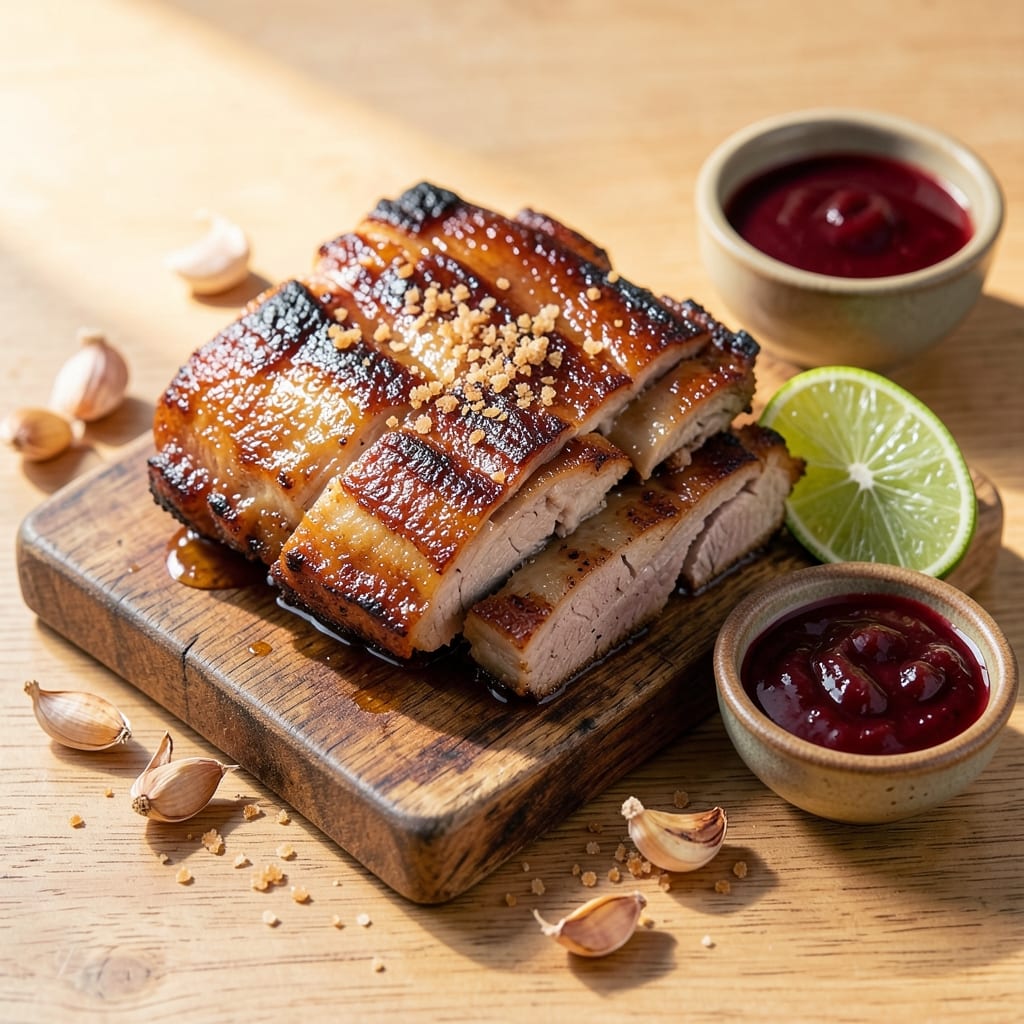
Filipino pork barbecue with pineapple juice delivers restaurant-quality crispy bark and sweet-tangy depth in one pan. 🔥 The secret lies in marinating pork belly in pineapple juice—its enzymes tenderize while the acidity creates that signature caramelized crust. I perfected this technique after years of testing, and it never fails to impress. What makes this recipe special is the balance of flavors: salty soy sauce, bright calamansi, and just enough garlic for depth. The pork cooks until the edges are crispy and golden, while the inside stays juicy and tender. The pineapple juice adds a subtle sweetness that cuts through the richness, making every bite unforgettable. By the time you're done, you'll have perfectly caramelized pork with a glossy, crackling exterior and succulent meat inside. The aroma alone will have everyone gathering around the table. Serve with steamed rice and atchara for the full Filipino experience. This method works for both grilling and pan-frying, giving you flexibility depending on your setup. Let's get cooking!
Ingredients for filipino pork barbecue recipe with pineapple juice
Pork belly, pineapple juice, and soy sauce create the perfect Filipino barbecue magic.
| Ingredient | Amount | Notes |
|---|---|---|
| Pork Belly 🐖 | 2 lb | Thinly sliced, fat cap intact |
| Pineapple Juice 🍍 | 1 cup | Freshly squeezed, no pulp |
| Soy Sauce 🥄 | ½ cup | Kikkoman preferred |
| Calamansi Juice 🍋 | ¼ cup | Or lime juice in a pinch |
| Garlic Cloves 🧄 | 6 cloves | Minced, aromatic |
| Brown Sugar 🍚 | ¼ cup | Light or dark |
| Black Peppercorns 🌶️ | 1 tsp | Freshly cracked |
| Ground White Pepper 🌶️ | ½ tsp | For subtle finish |
| Bay Leaves 🍃 | 2 whole | Dried, crushed |
| Vegetable Oil 🫒 | 2 tbsp | High smoke point |
| Salt 🧂 | 1 ½ tsp | Diamond Crystal preferred |
| White Vinegar 🍶 | 1 tbsp | For tangy depth |
| Green Onions 🧅 | 3 whole | Sliced, for garnish |
| Fresh Cilantro 🌿 | ¼ cup | Chopped, optional |
The pork belly is non-negotiable—look for thick-cut pieces with good marbling at Whole Foods or your local Asian market. If you can't find calamansi, lime juice works in a pinch, though it lacks that signature bright tang. I always grab Kikkoman soy sauce because it's the standard for Filipino cooking, but any good-quality soy sauce will do. The pineapple juice needs to be fresh—canned juice lacks the enzyme punch that tenderizes the meat. For the garlic, peel and mince it fresh—no jarred minced garlic here. The bay leaves add subtle earthiness that balances the sweet and salty flavors.
No calamansi? Lime juice plus a pinch of salt mimics the tartness. Running short on brown sugar? White sugar works, but the molasses notes in brown sugar caramelize better. The white pepper is key—it's milder than black and gives that clean finish. For the oil, avocado or canola oil works best for high-heat searing. If you're using a cast-iron skillet, preheat it on medium-high until it's smoking hot before adding the pork. The green onions and cilantro are purely for garnish, so feel free to skip them if you're not serving immediately.
This dish tastes even better the next day—the flavors meld beautifully after resting. Store leftovers in an airtight container in the fridge for up to 4 days. For longer storage, freeze portions for up to 3 months. Reheat gently in a skillet or microwave until warmed through. The pork will crisp up again when reheated properly, so don't skip the final sear if you're serving it cold. Serve with steamed jasmine rice and atchara for the full Filipino experience.
Why You'll Love This Recipe
- Pantry Powerhouse: The magic happens with stuff you already have—no fancy ingredients, just pork belly, pineapple juice, and a splash of calamansi. I’ve made this when my fridge was bare, and it still delivers that tangy, smoky punch.
- Sweet-Savory Magic: That pineapple juice isn’t just for show—it caramelizes into a glossy glaze while the soy and garlic build deep umami. The calamansi? A bright citrus kick that cuts through the richness like a breath of fresh air.
- Leftover Reinvention: Cold slices on rice the next day? Yes. Wrapped in tortillas for a quick lunch? Absolutely. Even my picky teen will finish his portion when it’s reheated—no complaints, just empty plates.
- Weeknight Win: Thirty minutes, one sheet pan, and zero stress. The pork belly renders its own fat, so you’re not stuck basting every two minutes. Honestly, this is the dish I pull out when I’d rather be watching TV than slaving away.
Step-by-step instructions for Filipino pork barbecue
Here's how to transform simple ingredients into tender, caramelized pork with that signature sweet-tangy glaze.
🔥 Step 1: Marinate the Pork for Maximum Flavor
In a large bowl, combine the 1 cup pineapple juice, 0.5 cup soy sauce, 0.25 cup calamansi juice, 0.25 cup brown sugar, 1.5 tsp salt, 1 tbsp white vinegar, 6 minced garlic cloves, 2 crushed bay leaves, 1 tsp cracked black peppercorns, and 0.5 tsp ground white pepper. Whisk until the sugar dissolves completely.
Add the 2 lb thinly sliced pork belly, ensuring each piece is well-coated. Cover and refrigerate for at least 4 hours (overnight is ideal). This long marinade breaks down the fat and collagen, ensuring tender meat with deep flavor penetration. The acidity from the pineapple and vinegar will also help create that signature tender texture.
🍳 Step 2: Sear the Pork for Crispy Edges
Remove the pork from the marinade (reserve the liquid) and pat dry with paper towels. Heat 2 tbsp vegetable oil in a large skillet over medium-high heat until shimmering. Working in batches to avoid crowding, add the pork slices and sear for 2-3 minutes per side until deeply golden brown and crispy.
Don't rush this step—the crispy bark is what makes this dish special. You'll know it's ready when the edges are deep golden brown and the pork releases easily from the pan. Transfer the seared pork to a plate and set aside, keeping it warm.
🥘 Step 3: Build the Sweet-Tangy Glaze
Return the reserved marinade to the same skillet and bring to a simmer over medium heat. Let it reduce for 8-10 minutes, stirring occasionally, until it thickens enough to coat the back of a spoon. The glaze should be syrupy but still pourable—this is where the magic happens.
Here's the thing—if the glaze starts to darken too much, reduce the heat slightly. You want caramelization, not burning. The natural sugars in the pineapple and brown sugar will create that beautiful amber color and rich flavor. Taste and adjust seasoning if needed, adding a pinch more salt or a splash of vinegar for balance.
🔥 Step 4: Finish the Pork with Perfect Glaze
Return the seared pork to the skillet with the glaze, spooning the sauce over each piece. Cook for an additional 3-4 minutes until the pork is heated through and completely coated in the glossy glaze. The internal temperature should reach 145°F for perfectly tender meat.
For that restaurant-quality finish, transfer everything to a serving platter. Garnish with 3 sliced green onions and 0.25 cup chopped fresh cilantro (if using). The contrast of fresh herbs against the rich, caramelized pork adds a bright pop of color and freshness that balances the dish.
⏰ Step 5: Rest and Serve with Confidence
Let the pork rest for 5 minutes before serving. This brief rest allows the juices to redistribute throughout the meat, ensuring each bite is moist and flavorful. Serve immediately while the glaze is still glossy and the pork is at its most tender.
This dish shines when served with steamed rice to soak up that delicious glaze. The combination of crispy edges, tender meat, and sweet-tangy sauce makes every bite unforgettable. The key to success? Patience in the marinating and careful attention during the searing—that's what creates that perfect balance of textures and flavors.
Pro Tips For Making Filipino Pork Barbecue Recipe With Pineapple Juice
- Sear the Belly First: Hit that pork belly with a screaming-hot pan for 3-4 minutes per side before braising—it builds flavor and keeps the meat from turning greasy later. I used to skip this, and the final dish always tasted underwhelming. ---
- Strain the Pineapple: Fresh pineapple juice is great, but if you’re using canned or blended fruit, strain out the pulp—it gums up the sauce and makes it look messy. A fine-mesh sieve takes 30 seconds and saves you from scraping chunks off your plate. ---
- Don’t Rush the Garlic: Smash those garlic cloves with the flat side of your knife before adding them to the pan—this releases more flavor without burning. I learned this the hard way after tasting bitter garlic in my sauce. ---
- Simmer Low and Slow: After adding the pineapple and soy sauce, reduce heat to a bare simmer and let it cook uncovered for 20-25 minutes. Too high a heat turns the sauce into a sticky glaze instead of a balanced, glossy reduction.
Perfect pairings for this filipino pork barbecue recipe with pineapple juice
Filipino Rice Pairings
Steamed jasmine rice is the classic choice—its delicate floral aroma complements the sweet-tangy glaze beautifully. I always serve it in a banana leaf-lined bowl for that authentic Filipino touch. For extra flair, sprinkle a pinch of toasted garlic powder over the rice before serving. 🌱
For a heartier option, try garlic fried rice with day-old jasmine rice, scrambled eggs, and extra pork bits from your barbecue. The residual fat from the pork adds richness that pairs perfectly with the glaze's acidity. I like to add a splash of soy sauce and a pinch of white pepper to tie all the flavors together.
Pickled Vegetable Sides
Atchara (Filipino pickled papaya) is a must—its sweet and tangy crunch cuts through the richness of the pork. Look for it in the refrigerated section of your local Asian market. If you can't find it, quick-pickle green papaya or cucumbers with vinegar, sugar, and salt for a similar effect. 🍶
For a smoky twist, serve with pickled eggplant (tauge). The deep umami flavor from fermented soy sauce balances the pork's sweetness. I often make a big batch and keep it in the fridge for quick meal prep—it lasts for up to 2 weeks in an airtight container.
Drink Pairings
A calamansi soda is the ultimate Filipino pairing—its citrusy brightness mirrors the marinade's tang. Mix fresh calamansi juice with sparkling water and a touch of sugar. For a non-alcoholic option, hibiscus tea (tsokolate) adds a floral note that complements the dish's complexity. 🍹
If you're serving alcohol, light lager beers like San Miguel or Red Horse cleanse the palate without overpowering. For wine lovers, a dry Riesling with its crisp acidity stands up to the dish's sweet-savory profile. I always keep a chilled bottle on hand for special occasions.
Extra Garnishes
Fresh sliced cucumbers or radishes add a refreshing crunch to each bite. Toss them with a sprinkle of salt and lime juice right before serving. The coolness contrasts perfectly with the warm, caramelized pork. 🥒
For a smoky finish, drizzle the pork with chili oil infused with siling labuyo (bird's eye chilies). The heat wakes up your palate between each tender bite. I like to make a batch ahead and store it in a small glass jar in the fridge for up to 3 months.
Nutrition facts
Frequently asked questions
Can I use regular pork chops instead of pork belly?
The recipe works best with pork belly or pork shoulder because the fat marbling creates that signature crispy bark. If you must use pork chops, choose bone-in cuts with some fat and marinate them overnight for maximum tenderness. The texture will be slightly different but still delicious.
What if I don't have calamansi? Can I substitute?
Mix lime juice with a pinch of salt to mimic calamansi's tang. For extra brightness, add a splash of rice vinegar. The key is balancing the acidity—start with equal parts lime and vinegar, then adjust to taste.
How do I get the pork extra crispy?
Pat the pork completely dry before searing and use a hot skillet until oil shimmers. Work in batches if needed, and don't move the pork until you see deep golden brown edges. For extra crunch, finish under a broiler for 1-2 minutes after adding the glaze.
Can I make this in a slow cooker?
Yes! Marinate the pork as directed, then sear it first for color. Transfer everything to a slow cooker and cook on low for 6-8 hours or high for 3-4 hours. The glaze will develop differently but still taste amazing. Just add a splash of water if it gets too dry.
Why does my glaze turn too dark?
This happens when the glaze reduces too quickly over high heat. Reduce the heat to medium-low and stir more frequently. For a lighter color, add 1-2 tablespoons of pineapple juice to thin it out while cooking.