
Main Courses
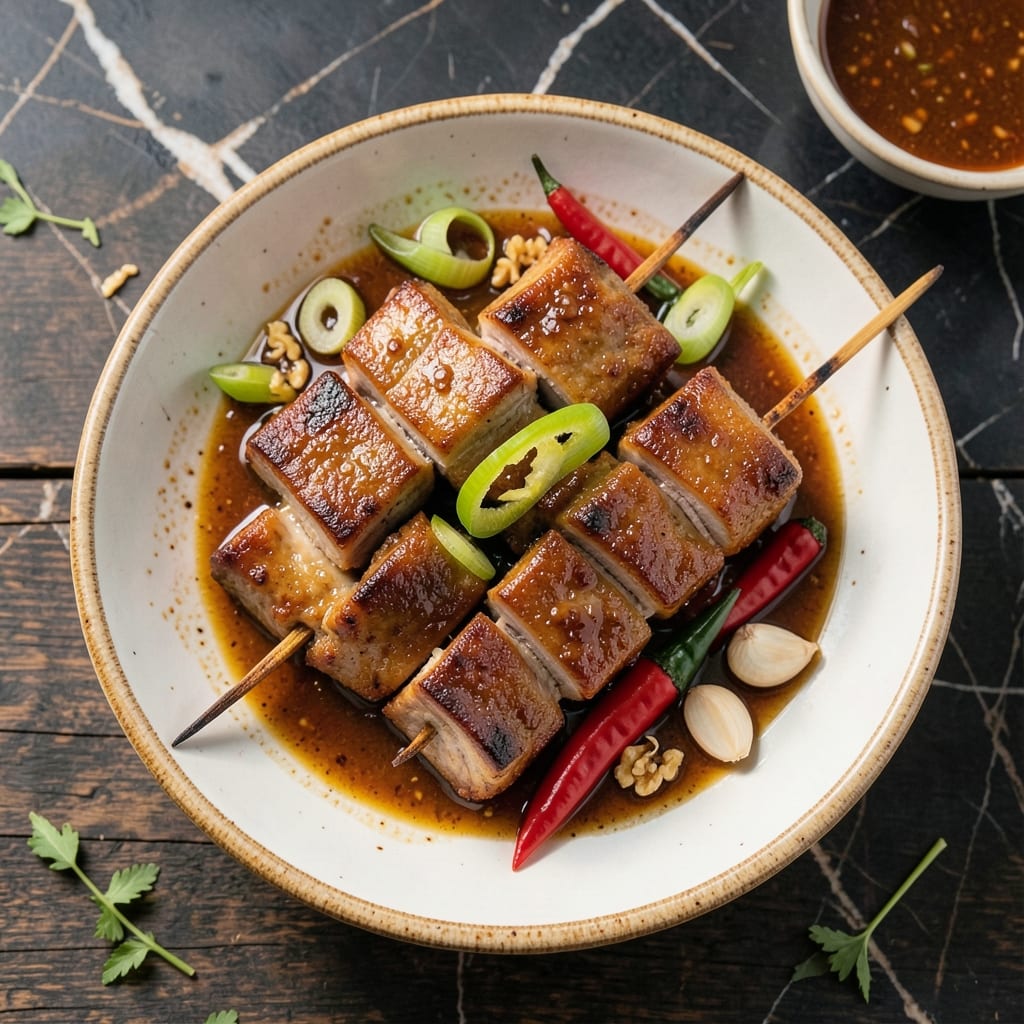
This Filipino pork barbecue stick recipe transforms simple pork into finger-licking skewers with a perfect balance of smoky char and tangy vinegar. The secret lies in the marinade—garlic, soy sauce, and calamansi (or lime) create a bright, savory foundation that tenderizes the meat while building deep flavor. I first discovered this technique at a fiesta in Manila, where the aroma of sizzling skewers over charcoal drew crowds like nothing else.
The magic happens in the marinating—pork shoulder gets transformed into melt-in-your-mouth bites when left to soak for at least 4 hours (overnight is even better). Skewering the meat with banana leaves or even soaking wooden sticks in water prevents burning, while grilling over medium-high heat creates those coveted grill marks. The vinegar in the marinade not only tenderizes but also gives the finished skewers that signature tangy kick that pairs perfectly with the smoky char.
What you'll end up with is restaurant-quality pork barbecue sticks that are juicy, flavorful, and just crisp enough at the edges. Serve them with atchara (pickled papaya), banana ketchup for dipping, and steamed rice to soak up every last bit of that delicious marinade. This dish is perfect for gatherings—whether you're hosting a fiesta-style party or just craving a taste of the Philippines.
The beauty of this recipe is its versatility. You can grill them over charcoal, broil them in the oven, or even cook them on a stovetop grill pan if you're short on time. The key is patience—letting the flavors meld during marinating and cooking slowly over heat ensures that each bite is packed with that perfect balance of smoky, tangy, and savory notes. Let's get cooking!
Ingredients for filipino pork barbecue stick
Simple ingredients that pack a fiesta-worthy punch—just pork, tangy marinade, and smoky grill magic.
| Ingredient | Amount | Notes |
|---|---|---|
| Pork Shoulder 🥩 | 2 lb | Bone-in for flavor, cut into 1-inch cubes |
| Soy Sauce 🍶 | ½ cup | Regular or light soy, not low-sodium |
| Calamansi Juice 🍋 | ¼ cup | Or substitute lime juice (1:1 ratio) |
| Garlic Cloves 🧄 | 8 cloves | Minced or finely chopped |
| White Vinegar 💧 | ¼ cup | White or cane vinegar for tang |
| Brown Sugar 🍚 | ¼ cup | Light or dark brown sugar |
| Black Peppercorns 🌶️ | 1 tsp | Freshly ground for best flavor |
| Ground Coriander 🌿 | ½ tsp | Or use whole coriander seeds ground |
| Wooden Skewers 🪵 | 12 whole | Soaked in water for 30 minutes |
| Banana Leaves 🍃 | 2 pieces | Optional, for wrapping skewers |
| Olive Oil 🫒 | 1 tbsp | For brushing skewers |
| Salt 🧂 | 1 ½ tsp | Kosher or sea salt |
Pork shoulder is non-negotiable here—bone-in cuts stay juicier and soak up marinade better. Grab pre-cut pork shoulder from the butcher section or Costco for the best value. If you can't find calamansi (that bright Filipino citrus), lime juice works perfectly—just double the amount. The garlic should be freshly minced (no pre-minced jars), and Asian markets often carry whole coriander seeds if you want to grind them fresh. For banana leaves, check the Latin or Asian grocery section—they sell them dried, which you can briefly toast to soften before wrapping.
No soy sauce? Coconut aminos or even extra Worcestershire sauce (check for vinegar-free versions) can substitute in a pinch. Running low on vinegar? Lemon juice at half the amount gives a similar tang. The brown sugar can be swapped for white sugar or coconut sugar, but brown adds that caramelized depth. For extra smokiness, add 1 tsp smoked paprika to the marinade. If you're short on time, marinate for at least 2 hours—just know overnight is ideal for maximum tenderness. And trust me, soaking those wooden skewers prevents burning and makes them easier to handle.
Marinated pork keeps 3-4 days in the fridge, but use within 2 days for best texture. The banana leaves? Store them in a cool, dry place—they last months. Grilled skewers reheat beautifully: broil for 3-4 minutes or warm in a skillet with a splash of water over medium heat. Freeze uncooked skewers (with marinade) for up to 3 months—thaw overnight in the fridge before grilling. These taste even better the next day as flavors meld, so double the batch for leftovers.
Why You'll Love This Recipe
- No-Fuss Marination: Honestly, this takes five minutes—just toss the pork shoulder in soy sauce, calamansi juice, and crushed garlic. No fancy techniques, no waiting around. I’ve made it while chatting with friends, and it still turns out tender and packed with flavor.
- Tangy-Sweet Magic: That calamansi juice—it’s the secret weapon. Sharp, bright, and just a little sweet from the vinegar, it cuts through the richness of the pork like a citrusy hug. The garlic? Oh, it’s there, but not overpowering. It’s the kind of balance that makes you reach for seconds without thinking.
- Party Ready: Between us, this is my go-to for gatherings. Skewer it, grill it, and boom—you’ve got a dish that looks impressive but doesn’t require a PhD in cooking. My daughter’s friends always ask for the recipe, and I just smile and say, “It’s easier than it looks.”
- Budget-Friendly Leftovers: Pork shoulder is cheap, and this marinade stretches it far. I make a big batch, grill it all, and still have enough for lunch the next day. No sad, dry meat here—it stays juicy, and the flavors only get better as it sits. Plus, it reheats like a dream.
Step-by-step instructions for Filipino pork barbecue sticks
Here's how to transform humble pork shoulder into smoky, tangy skewers with perfect char and juicy centers.
Marinate the Pork Shoulder for Maximum Flavor
In a large bowl, combine the 2 lb pork shoulder cut into 1-inch cubes, the 0.5 cup soy sauce, 0.25 cup calamansi juice, 0.25 cup white vinegar, 0.25 cup brown sugar, 1 tsp freshly ground black peppercorns, 0.5 tsp ground coriander, and 1.5 tsp salt. The acidity from the vinegar and calamansi will tenderize the meat while the soy sauce and sugar create that signature caramelized crust.
Mix everything thoroughly with your hands, making sure every piece of pork absorbs the marinade. I like to press the marinade into the meat to ensure even flavor distribution. Cover the bowl with plastic wrap and refrigerate for at least 4 hours—overnight is even better if you can wait. The longer it marinates, the more tender and flavorful your skewers will be.
Prepare the Skewers and Assemble the Pork
Soak the 12 wooden skewers in water for 30 minutes to prevent them from burning on the grill. While they soak, remove the pork from the refrigerator and let it sit at room temperature for 20 minutes. This ensures even cooking and prevents cold spots in your skewers.
Thread 2-3 pieces of marinated pork onto each skewer, alternating directions so the meat cooks evenly. If using the 2 pieces of banana leaves, wrap each skewer individually and secure with a small piece of kitchen twine. This step isn't mandatory but adds an authentic touch and helps keep the pork moist during grilling.
Grill to Perfect Char and Juicy Centers
Preheat your grill to medium-high heat (375-400°F). Brush the grates with 1 tbsp olive oil to prevent sticking. Place the skewers on the grill and cook for 8-10 minutes, turning occasionally, until the pork develops deep grill marks and begins to brown.
Here's the thing—you want that beautiful char on the outside, but you don't want to overcook the pork. After the initial searing, reduce the heat to medium and continue grilling for another 10-12 minutes, turning frequently. The pork is done when it reaches an internal temperature of 145°F and pulls away from the skewer with slight resistance. For extra tenderness, you can also baste the skewers with any leftover marinade during the last few minutes of grilling.
Rest and Serve with Confidence
Transfer the skewers to a plate and let them rest for 5 minutes before serving. This resting period allows the juices to redistribute, ensuring each bite is moist and flavorful. If you wrapped them in banana leaves, gently remove the leaves before serving to showcase that gorgeous charred exterior.
Serve the pork barbecue sticks immediately while they're still sizzling hot. The combination of smoky grill marks, tender pork, and that tangy-sweet marinade makes these skewers irresistible. Pair them with steamed rice and a simple green salad for a complete Filipino feast. The secret to great barbecue sticks is patience—don't rush the marinating or the grilling, and you'll be rewarded with restaurant-quality results every time.
Pro Tips For Making Filipino Pork Barbecue Stick
- Marinate Overnight: I learned this the hard way—rushing the marinade means the pork stays bland and chewy. At least 8 hours (overnight is ideal) lets the soy sauce, vinegar, and calamansi juice tenderize the meat and develop that signature sticky, tangy flavor. Trust me, the difference is night and day. ---
- Slice Against the Grain: Thin, even slices are key, but cutting against the pork shoulder’s muscle fibers makes each bite melt in your mouth. Use a sharp knife and angle it diagonally—no need to go too thin, just consistent. Thick slices? They’ll fight you when grilling. ---
- Preheat Skewers First: Cold metal skewers steal heat from your grill or pan, slowing cooking and making the pork dry out faster. Toss them in the oven or over a flame for 2–3 minutes before threading on the pork. Your grill will thank you, and so will your stick’s caramelized crust. ---
- Deglaze with Vinegar: That leftover marinade in your pan isn’t trash—it’s flavor. After cooking the pork, splash in the remaining white vinegar and calamansi juice, let it bubble for 30 seconds, then drizzle it over the finished sticks. It cuts through the richness and keeps the sauce bright, not dull.
Wine and beer pairings for this dish
Filipino Red Wine
For these tangy, smoky skewers, a medium-bodied Filipino red wine like Tayuman Red Blend or Petron Red is perfect. These wines have bright acidity that cuts through the richness of the pork while complementing the vinegar and soy notes in the marinade. If you can't find Filipino wine, a Spanish Garnacha or Italian Sangiovese offers similar fruit-forward qualities with a touch of earthiness. 🍷
Crisp White Pairing
A dry white wine like Pinot Grigio or Vermentino balances the dish beautifully. The crisp acidity refreshes your palate between each smoky, tangy bite. For something more local, try a Filipino white wine like Lambayec Red (yes, it's technically red but has white wine characteristics) or a Sauvignon Blanc from New Zealand. The citrus notes in these wines mirror the calamansi in the marinade.
Local Beer Options
Filipino beers like San Miguel Light or Red Horse are fantastic choices—they're crisp and refreshing without overpowering the dish. For a craft option, try a Filipino IPA like Brewmasters IPA or a Belgian Witbier for its citrusy, peppery notes that complement the coriander and black pepper in the marinade. Avoid heavy stouts or dark lagers that might clash with the bright flavors.
Non-Alcoholic Pairings
For a non-alcoholic option, calamansi soda (Filipino lime soda) is a perfect match—its citrusy tang echoes the marinade. Alternatively, a sparkling ginger beer with a squeeze of lime adds a refreshing contrast. For something more substantial, try Filipino iced tea (like Barong Barong)—its floral notes complement the pork beautifully. 💧
Regional Filipino Pairings
In the Philippines, these skewers are often served with atchara (pickled papaya) for a sweet-tangy contrast. The banana ketchup (a Filipino staple) is another must—its caramelized sweetness balances the smoky pork perfectly. For a complete meal, pair with steamed rice and a simple garlic salad to round out the flavors. This combo is what you'd find at any fiesta or street food stall.
Nutrition facts
Frequently asked questions
Can I use chicken or beef instead of pork for this recipe?
This marinade works beautifully with chicken thighs (bone-in for juiciness) or beef sirloin. For chicken, reduce marinating time to 2-3 hours since it cooks faster. Beef should marinate 4-6 hours and grill at medium heat to avoid overcooking. The key is adjusting cook times—chicken needs 12-15 minutes total, beef 15-18 minutes.
Why does the recipe call for banana leaves? Can I skip them?
Banana leaves add an authentic touch and help keep the pork moist during grilling, but they're optional! If skipping, simply grill the skewers uncovered. For extra flavor, wrap each skewer in aluminum foil during the last 5 minutes of cooking to prevent drying. The marinade's moisture will still work, but banana leaves create that signature fiesta presentation.
How do I prevent the wooden skewers from burning?
Soak skewers in water for 30 minutes before using—this prevents them from catching fire. For extra protection, brush them lightly with olive oil after soaking. If you notice burning, move skewers to a cooler part of the grill or reduce heat to medium-low. Metal skewers are another option, though they lack the rustic charm.
Can I make this recipe in an oven or stovetop grill pan?
Yes! For oven-broiling, preheat to 400°F and cook skewers 8-10 minutes on each side. For a stovetop grill pan, heat on medium-high and cook 6-8 minutes per side, adding a splash of water to create steam. The key is maintaining high heat for that signature char—just watch closely to avoid overcooking.
What's the best way to reheat leftover pork barbecue sticks?
Reheat in a skillet with 1 tbsp water over medium heat for 2-3 minutes to restore moisture. For oven reheating, broil at 400°F for 3-4 minutes**. Avoid microwaving—it makes the meat rubbery. Pro tip: Skewers taste even better the next day as flavors meld!