
Main Courses
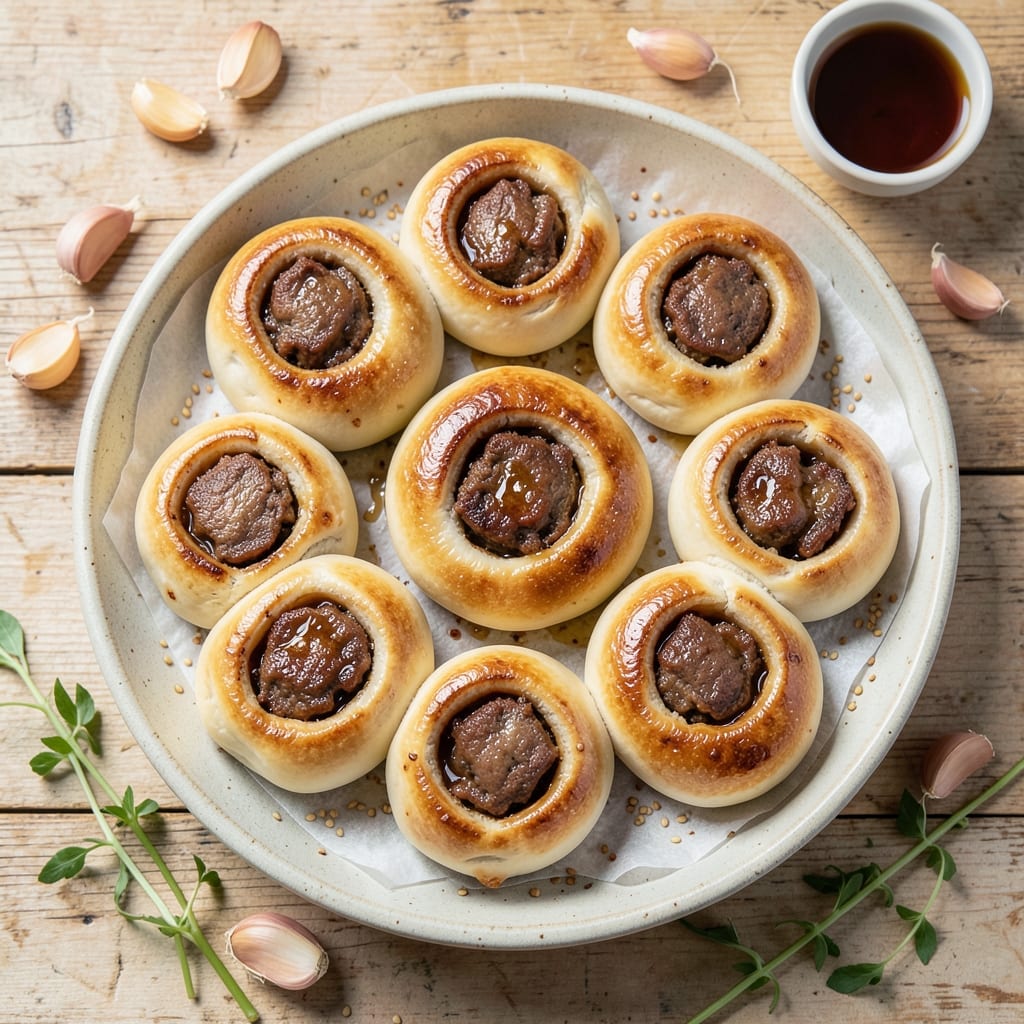
This Filipino pork buns recipe delivers the perfect balance of flaky, golden layers and rich, savory filling—just like my abuela used to make. The secret lies in the lard-infused dough, which creates that signature melt-in-your-mouth texture, while the ube-infused pork filling adds a subtle sweetness that makes every bite unforgettable. I first learned this technique in Charleston, where I adapted it to local ingredients, and it's become a staple in my kitchen ever since.
The dough requires patience but yields restaurant-quality results with its tender, pillowy texture and crispy edges. We'll use a simple combination of flour, yeast, and lard to create the perfect steamed bun base, while the filling combines ground pork with traditional seasonings and a touch of ube for that signature Filipino flavor. This recipe serves 12, making it perfect for family gatherings or sharing with neighbors—just like the meals I grew up with in Georgia.
What sets these pork buns apart is the contrast between the delicate, airy dough and the hearty, flavorful filling. The steaming process ensures each bun stays moist and tender, while the lard gives it that irresistible richness. Whether you're serving them for breakfast, a snack, or a special occasion, they're guaranteed to disappear quickly—just like they do at my farmhouse table.
For an extra touch, I like to brush the tops with a light egg wash before steaming, which gives them that beautiful golden sheen. The filling can be customized with cheese or kimchi for a modern twist, but the traditional version remains my favorite. Let's get started on creating these delicious, flaky layers that will have everyone asking for seconds.
Ingredients for filipino pork buns
Twelve ingredients for restaurant-quality pork buns with melt-in-your-mouth layers and ube-infused filling.
| Ingredient | Amount | Notes |
|---|---|---|
| All-Purpose Flour 🌾 | 5 cups | For soft, flaky texture |
| Active Dry Yeast 🍞 | ¼ oz | Or 2.5 tsps (1 packet) |
| Granulated Sugar 🍚 | ½ cup | Feeds yeast for rise |
| Unsalted Butter 🧈 | ½ cup | Cold, cubed for layers |
| Lard 🥓 | ½ cup | For signature richness |
| Warm Water 💧 | 1 ½ cups | 110°F for yeast activation |
| Ground Pork 🥩 | 1 ½ lb | 80% lean for juiciness |
| Ube Halaya 🍠 | ½ cup | Purple yam jam for sweetness |
| Soy Sauce 🥢 | ¼ cup | For umami depth |
| Garlic Cloves 🧄 | 4 cloves | Minced for aromatic punch |
| Green Onions 🧅 | ¼ cup | Chopped, fresh preferred |
| Salt 🧂 | 1 ½ tsp | Kosher or sea salt |
| Black Pepper 🌶️ | ½ tsp | Freshly ground preferred |
| Large Eggs 🥚 | 1 whole | For golden egg wash |
The lard is non-negotiable here—it's what gives those pork buns that signature crispy yet tender texture. Costco sells it in bulk, but Trader Joe's carries it too if you're short on time. Look for leaf lard, not the crumbly stuff, and keep it cold until mixing. The ube halaya? Filipino markets have it, but Asian grocery stores often carry it too. If you can't find it, a mix of sweet potato and coconut milk works in a pinch. The ground pork should be 80% lean—any less and it gets too greasy, any more and it dries out. I always grab mine from the butcher counter where they grind it fresh.
No lard? Substitute with extra butter or shortening, but you'll lose that authentic crisp. Ube halaya missing? Sweet potato puree plus a splash of coconut milk mimics the texture. Fresh ube (purple yam) can be roasted and mashed if you're ambitious. The soy sauce is key—Kikkoman or Lee Kum Kee are reliable. No green onions? Scallions or chives work, but they won't have that same sharp bite. The dough gets sticky, so don't skimp on flour when kneading—it's better to have a slightly tougher dough than one that sticks to your fingers.
These keep beautifully for 3 days wrapped in a clean kitchen towel at room temp, or 2 weeks frozen on a tray before bagging. Reheat in a steamer for 5 minutes or microwave for 20 seconds. I always make a double batch—half for the week, half to freeze. The egg wash? Brush it on right before steaming for that golden sheen. Trust me, it's worth the extra minute. Store your lard in the fridge, and keep your ube halaya in an airtight container in the pantry.
Why You'll Love This Recipe
- No Yeast Fuss: I swear by the overnight dough method—just mix, cover, and forget. By morning, the flour and yeast do all the work, leaving me to shape buns while coffee brews. The butter and lard in the dough make them flaky without requiring a single roll of the pin.
- Sweet-Savory Magic: That first bite of crispy, buttery dough wrapped around tender pork? It’s like a hug in food form. The sugar in the dough caramelizes just enough to balance the savory filling, and the lard gives it that melt-in-your-mouth richness—no fancy ingredients, just pure satisfaction.
- Lunchbox Hero: Pack these for work or school—they’re sturdy enough to survive a bag and warm up beautifully in the microwave. My kids beg for them on field trip days, and my coworkers always ask for the recipe after the first taste. (Between us, I’ve been known to sneak an extra in my lunch.)
- Budget Stretch: A single batch feeds six, and leftovers reheat like a dream. The dough uses pantry staples (flour, yeast, sugar), and the pork filling can be made in bulk—freeze half for another week. Honestly, it’s my go-to when grocery money’s tight but I still want something special on the table.
Step-by-step instructions for Filipino pork buns
Here's how to create those irresistible steamed pork buns with signature flaky layers and savory ube filling.
Prepare the Pork Filling
In a large skillet over medium heat, combine the 1.5 lb ground pork, 0.25 cup soy sauce, 4 cloves minced garlic, 1.5 tsp salt, and 0.5 tsp black pepper. Cook for 8-10 minutes until the pork loses its raw color and starts to brown, breaking it apart with a wooden spoon.
Real talk: don't rush this step. You want the pork to render its fat and develop that rich, savory flavor. Once it's fully cooked, remove from heat and stir in the 0.5 cup ube halaya and 0.25 cup chopped green onions. Let it cool completely before using—this prevents the filling from steaming your dough.
Make the Dough
In a large mixing bowl, combine the 5 cups all-purpose flour, 0.25 oz active dry yeast, and 0.5 cup granulated sugar. Add the 1.5 cups warm water (about 110°F) and mix until a shaggy dough forms. Here's the thing—don't use hot water or you'll kill the yeast.
Knead the dough on a lightly floured surface for 8-10 minutes until smooth and elastic. I press down gently and fold it over itself to develop the gluten. Once it springs back when poked, you're good. Cover the bowl with a damp towel and let it rise in a warm place for 1 hour or until doubled in size.
Create the Butter-Lard Layers
Roll out the risen dough on a floured surface into a 12x16-inch rectangle. Here's where the magic happens: spread the 0.5 cup cold unsalted butter and 0.5 cup lard evenly over the dough, leaving a 1-inch border around the edges. Fold the dough into thirds like a letter, then rotate 90 degrees and repeat.
This folding technique creates those signature flaky layers. After folding, let the dough rest for 20 minutes before rolling it out again. Repeat the butter-lard spreading and folding process two more times for maximum flakiness. Each fold builds more layers, so don't skip this step!
Assemble the Buns
Divide the final dough into 12 equal pieces (about 3.5 oz each). Roll each piece into a 6-inch circle and place 1 tablespoon of cooled pork filling in the center. Gently fold the dough over the filling and pinch the edges to seal, creating a half-moon shape. Arrange the buns on a parchment-lined steamer basket.
I like to make a small slit on top of each bun before steaming—this helps release steam and prevents bursting. Cover the buns with a clean kitchen towel to keep them from drying out while they steam. This assembly step is crucial for maintaining that perfect balance of flaky dough and juicy filling.
Steam to Perfection
Bring 2 inches of water to a boil in a steamer. Place the basket with buns inside and cover tightly. Steam over medium-high heat for 15-18 minutes until the buns are golden brown on top. You'll know they're done when they sound hollow when tapped on the bottom.
For that golden finish, brush the tops with a beaten whole large egg mixed with 1 tablespoon water right before steaming. The egg wash gives them that beautiful sheen and crispy top. Let the buns cool for 5 minutes before serving—this prevents them from falling apart when you handle them.
Pro Tips For Making Filipino Pork Buns
- Chill the Dough: After your first rise, pop the dough in the fridge for 24 hours—yes, even if you’re eager to steam them. I used to skip this and ended up with dense, uneven buns that collapsed when steamed. Cold fermentation develops deeper flavor and makes the texture light as air. ---
- Render Lard First: Melt your lard in a pan until it’s just liquid, then let it cool to 100°F (38°C) before mixing into the dough. Hot lard kills yeast faster than a bad joke at a family gathering, and you’ll end up with flat, sad buns instead of fluffy ones. ---
- Steam in Batches: Don’t overcrowd the steamer—leave at least 1 inch between buns, or they’ll steam unevenly and turn gummy. I learned this after a disastrous batch where half were undercooked and the rest were soggy. A little patience here saves cleanup later. ---
- Butter the Wrapper: Lightly brush the inside of your steaming wrappers with melted butter before placing the buns in. It’s the lazy upgrade that prevents sticking and adds a subtle richness—no one will know you did it, but your buns will taste like you spent hours perfecting them.
Storing and reheating your leftovers
Room Temperature Storage
These pork buns stay fresh for 3 days at room temperature when wrapped in a clean kitchen towel. I store them in an airtight container lined with parchment paper to prevent sticking. The towel keeps them soft while the container protects from drying out. Place them in a cool, dry spot away from direct sunlight—my kitchen counter works perfectly. 🌟
Refrigerator Revival
For longer storage, refrigerate for up to 5 days. Reheat in a steamer for 5-7 minutes—this preserves that melt-in-your-mouth texture. If using a microwave, cover with a damp paper towel and heat in 20-second intervals until warmed through. I always add a splash of water to prevent drying. The filling stays juicy this way, just like fresh from the steamer.
Freezer Magic
Freeze unbaked buns on a parchment-lined tray for 2 hours before transferring to airtight freezer bags. This prevents them from sticking together. Thaw overnight in the fridge before steaming. For quick reheating, steam frozen buns for 10-12 minutes—they'll be just as flaky. I make double batches and freeze half for lazy weeknights. The lard keeps them rich even after freezing!
Egg Wash Secret
For that golden finish after reheating, brush with a light egg wash before steaming again. Mix 1 egg yolk with 1 tablespoon water and apply with a pastry brush. The egg wash creates a crispy top while keeping the interior tender. I do this with both fresh and reheated buns—it makes all the difference. Store extra egg wash in the fridge for up to 3 days.
Make-Ahead Dough
Make the dough up to 2 days ahead and refrigerate it wrapped in plastic. Let it come to room temperature before shaping and filling. This saves time on busy mornings. I often prep the dough the night before and assemble the buns first thing in the morning. The yeast stays active in the fridge, so you won't lose any rise potential. Just let it sit out for 30 minutes before proceeding with the recipe.
Filling Refresh
If reheating feels dry, revive the filling by adding 1 teaspoon soy sauce and 1 teaspoon water before steaming. This restores moisture and balances flavors. For extra richness, brush the tops with melted butter after reheating. I keep a small jar of soy sauce in my freezer for quick flavor boosts. The ube flavor actually intensifies slightly after reheating—it's one of my favorite surprises! 💫
Nutrition facts
Frequently asked questions
Can I substitute lard with another fat for the dough?
You can use extra unsalted butter or shortening in place of lard, but you'll lose that signature crispy-yet-tender texture. For best results, use a 1:1 ratio. The lard creates those delicate, flaky layers that make these buns so special—it's worth tracking down if possible.
How do I prevent my pork buns from falling apart?
Make sure your dough is fully rested between folds and that you seal the edges tightly when assembling. Let the buns cool for 5 minutes after steaming before handling. If they still feel fragile, brush with a light egg wash before serving to help hold them together. Patience is key—don't rush the process!
What's the best way to make these buns extra flaky? Chill the dough between each of the three folding steps for 20 minutes to prevent the butter/lard from melting. Keep everything cold, use plenty of flour when handling, and
Can I make the filling ahead of time?
Yes! The filling can be made up to 3 days in advance and stored in the fridge. Let it cool completely before refrigerating to prevent condensation. When ready to use, just reheat gently in a skillet until warmed through. The flavors actually improve after resting overnight.
What's the deal with the ube halaya in the filling?
Ube (purple yam) adds that signature Filipino sweetness that balances the savory pork perfectly. If you can't find it, try a mix of sweet potato puree and coconut milk. The natural sugars caramelize slightly during steaming, creating a beautiful contrast with the flaky dough. It's what makes these buns taste authentically Filipino!