
Main Courses
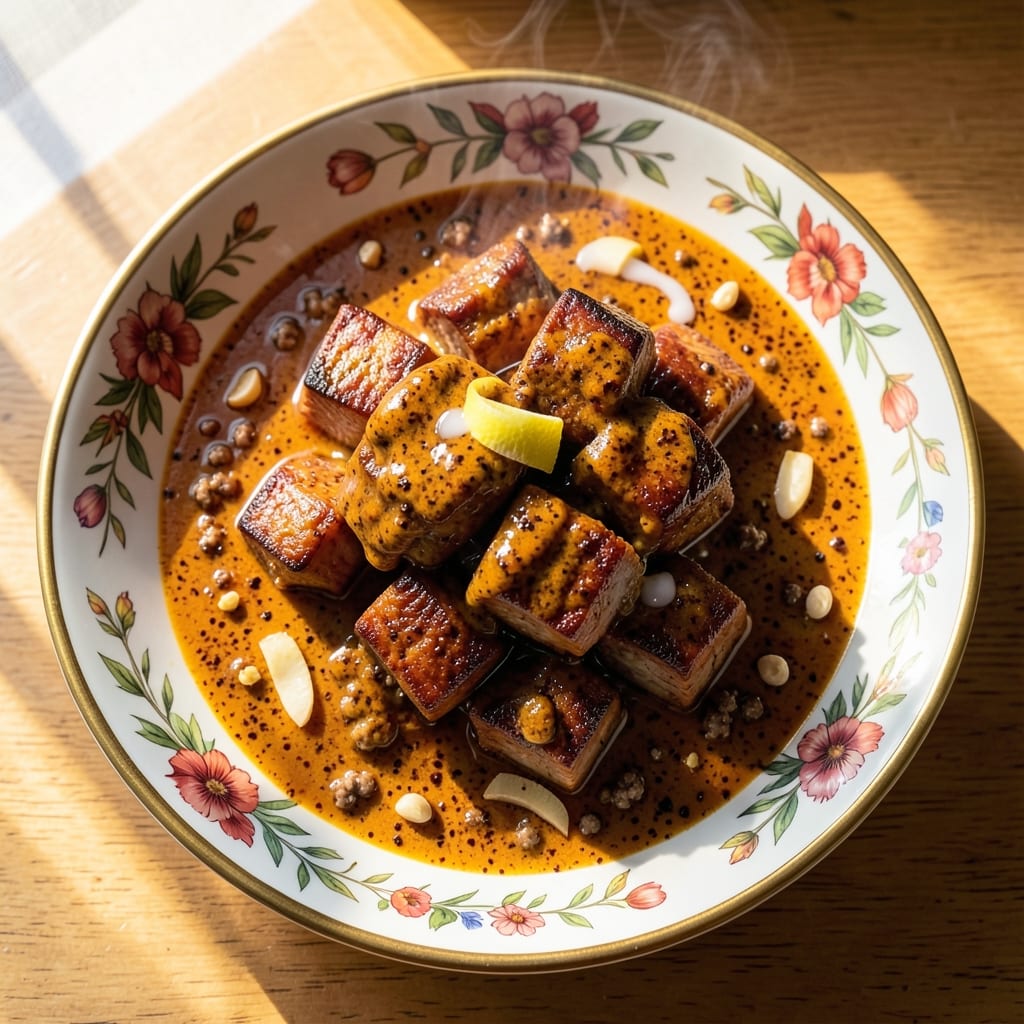
This Filipino pork curry recipe transforms humble pork into rich, silky perfection with just 15 minutes of active prep. The secret lies in marinating the meat with vinegar and annatto, creating a tender texture and vibrant color that sets it apart from traditional curries. I first discovered this technique while studying Southeast Asian cuisine, and it became an instant favorite for its balance of tangy, sweet, and savory flavors.
The dish begins with a fragrant base of garlic, ginger, and curry powder sautéed until aromatic, then simmered in coconut milk until velvety. What makes this recipe special is the slow cooking process—it develops deep, complex flavors without requiring constant attention. The pork becomes fork-tender while absorbing the rich, slightly sweet sauce, creating a dish that's both comforting and sophisticated.
By the time you serve it, you'll have a restaurant-quality curry with melt-in-your-mouth pork pieces swimming in a glossy, spiced coconut sauce. The annatto adds a beautiful golden hue, while the vinegar infusion keeps the flavors bright and vibrant. This is the kind of dish that pairs perfectly with steamed jasmine rice or crusty bread, making it ideal for family dinners or special occasions.
One of my favorite things about this recipe is its versatility—it works equally well as a weeknight meal or a showstopping centerpiece. The marinating step can be done ahead of time, and the curry tastes even better the next day as the flavors meld further. Let's create this dish that brings the warmth of Filipino home cooking to your table.
Ingredients for filipino pork curry
Pork shoulder, vinegar, and annatto create the vibrant heart of this Filipino curry.
| Ingredient | Amount | Notes |
|---|---|---|
| Pork Shoulder 🥩 | 1 ½ lb | Cut into 1.5-inch cubes |
| White Vinegar 🍶 | ½ cup | For marinating pork |
| Annatto Seeds 🌶️ | 1 tsp | Ground into powder |
| Garlic Cloves 🧄 | 6 cloves | Minced for marinade |
| Fresh Ginger 🌿 | 2 tbsp | Grated, fresh preferred |
| Curry Powder 🌶️ | 2 tbsp | Mild or medium blend |
| Coconut Milk 🥥 | 13 ½ oz | Full-fat canned preferred |
| Tomato Paste 🍅 | 2 tbsp | Smooth, no sugar added |
| Sugar 🍯 | 1 tbsp | White or brown |
| Salt 🧂 | 1 ½ tsp | Kosher or sea salt |
| Black Pepper 🌶️ | ½ tsp | Freshly ground |
| Bay Leaves 🍃 | 2 whole | Fresh or dried |
| Jasmine Rice 🍚 | 1 ½ cups | Uncooked, for serving |
| Green Onions 🧅 | 4 whole | Sliced, for garnish |
| Vegetable Oil 🫒 | 2 tbsp | For searing pork |
The pork shoulder is your secret weapon here—look for well-marbled cuts at the butcher counter or the meat department. Filipino markets often carry pre-cut pork shoulder, but if you're at a regular grocery store, grab the bone-in version for extra flavor. The vinegar does double duty: tenderizing the meat and brightening the sauce. Can't find annatto seeds? Annatto powder works just as well—it's the key to that signature golden color. For the curry powder, Badia or Gourmet Garden brands are my go-tos, but any mild blend will do. The coconut milk should be full-fat for that creamy texture—Thai Kitchen or Aroy-D cans are reliable choices.
No annatto? Turmeric at half the amount gives you color, though it won't be quite the same hue. Short on vinegar? Lime juice works in a pinch, but you'll lose some of that tangy depth. The tomato paste can be that squeeze tube from Trader Joe's—it's perfect for small amounts and lasts forever. Want to make this veggie? Swap pork for extra-firm tofu or chickpeas. The ginger should be fresh if possible, but ground ginger at half the amount works if that's all you've got. For the rice, jasmine is ideal, but basmati or long-grain white will work too.
Marinate the pork overnight for maximum tenderness—it keeps 3 days in the fridge before cooking. The curry sauce reheats beautifully—tastes even better the next day as flavors meld. Store leftovers in the fridge for up to 5 days or freeze for 3 months. I always double the batch because it disappears fast. Garnish with fresh green onions just before serving—they add a bright pop of color and freshness.
Why You'll Love This Recipe
- No Chopping Needed: The pork shoulder is forgiving—even if it’s not perfectly cubed, it still turns out tender. I just slice it thick, toss it in the pot, and let the vinegar and annatto work their magic while I prep the rest.
- Taste That Stays With You: That bright, tangy kick from the white vinegar and annatto seeds? It’s addictive. The garlic and ginger melt into the pork, giving it a depth that’s rich but never heavy—like a hug in a bowl.
- Leftovers That Beg for More: This curry only gets better the next day. The flavors meld into something even richer, and it reheats like a dream. I’ve brought it to potlucks, and people always ask for the recipe—no exaggeration.
- Budget-Friendly Feast: Pork shoulder is cheap, and a little goes a long way. A single batch feeds four, and the spices cost pennies. Honestly, it’s the kind of meal that makes you question why you ever order takeout.
Step-by-step instructions for Filipino pork curry
Let's create this rich, vinegar-infused curry with tender pork and aromatic spices.
Marinate the Pork for Maximum Flavor
In a large bowl, combine the 1.5 lb pork shoulder cut into 1.5-inch cubes, the 0.5 cup white vinegar, 1 tsp ground annatto seeds, 1.5 tsp salt, and 0.5 tsp black pepper. The vinegar will begin breaking down the meat fibers right away, making it incredibly tender. Mix well until every piece is coated, then cover and refrigerate for at least 4 hours—overnight is even better if you can plan ahead.
This marinating step is crucial. The acidity from the vinegar doesn't just tenderize—it also helps develop that signature tangy depth that makes this curry so special. The annatto seeds will infuse the meat with their distinctive reddish hue and earthy flavor, giving your dish that authentic Filipino touch.
Sear the Pork for Deep Flavor
Remove the pork from the marinade (reserve the marinade) and pat it dry with paper towels. Heat 2 tbsp vegetable oil in a large, heavy-bottomed pot over medium-high heat until shimmering. Working in batches if needed, add the pork cubes and sear for 3-4 minutes per side until they develop a deep golden-brown crust. This step is all about building flavor through the Maillard reaction—don't rush it.
Once all the pork is seared, remove it from the pot and set it aside. You'll notice the bottom of the pot has developed some beautiful browned bits—this is called the fond, and it's packed with flavor. We'll scrape it up in the next step, so don't wipe it out. The pork should be firm to the touch but still juicy inside.
Build the Curry Base with Aromatics
Return the pot to medium heat and add the reserved marinade. Bring it to a simmer and let it reduce by half, about 5-7 minutes, scraping up those browned bits from the bottom with a wooden spoon. This deglazing step captures all the flavor we just created. Then, stir in the 6 minced garlic cloves, 2 tbsp grated fresh ginger, 2 tbsp curry powder, 2 tbsp tomato paste, 1 tbsp sugar, and 2 whole bay leaves. Cook for 3-4 minutes until the raw garlic smell disappears and the spices are fragrant.
Here's the thing—the spices should be cooking gently but actively. You'll smell the aromatics releasing their oils, which is when you know you're on the right track. The tomato paste will darken slightly, adding another layer of depth to the sauce. This is the foundation of your curry, so take your time with this step.
Simmer the Pork in Coconut Milk
Pour in the 13.5 oz coconut milk and stir to combine. Return the pork to the pot and bring everything to a gentle simmer. Cover and cook on low heat for 1.5 to 2 hours, stirring occasionally, until the pork is fork-tender and easily pulls apart. The sauce should thicken slightly as it simmers, creating a silky consistency that coats the pork beautifully.
This long, slow cooking process is key to achieving that melt-in-your-mouth texture. You'll know it's ready when the pork fibers separate easily with a fork and the sauce has thickened to a velvety consistency. If the sauce reduces too much before the pork is tender, you can add a splash of water or coconut milk to maintain the right balance.
Finish and Serve with Jasmine Rice
Once the pork is perfectly tender, discard the bay leaves. Taste the sauce and adjust the seasoning if needed—you might want to add a bit more salt or a splash of vinegar to balance the flavors. Stir in the 4 sliced green onions and let them warm through for 1-2 minutes. Serve the curry hot over 1.5 cups cooked jasmine rice, letting each person ladle the pork and sauce over their portion.
This dish tastes even better the next day as the flavors continue to meld. The combination of the vinegar's tang, the annatto's earthiness, and the coconut milk's creaminess creates a complex, satisfying flavor profile that's perfect with steamed rice. Don't forget to garnish with extra green onions if you like—it adds a fresh contrast to the rich curry.
Pro Tips For Making Filipino Pork Curry
- Sear the Pork Hard: Don’t just brown the pork shoulder—get it deep golden, almost crusty. I used to rush this, and the curry lost that rich depth. Hit medium-high heat, let it sit undisturbed for 3-4 minutes per side until the fat renders and the meat releases that caramelized aroma.
- Toast Annatto Seeds First: Dry-toast the annatto seeds in a separate pan for 30 seconds before grinding them into the oil. This brings out their nutty aroma and prevents the oil from turning bitter too fast. (Yes, even if you’re impatient like me—just don’t burn them.)
- Acidify the Vinegar: Mix the white vinegar with a splash of water (about 1:1 ratio) before adding it to the pot. This slows down the cooking process just enough to let the pork absorb the tang without curdling the annatto’s natural oils. Trust me, the texture stays smoother.
- Low-Simmer, Don’t Boil: After adding the vinegar and ginger-garlic paste, reduce to the lowest heat that keeps tiny bubbles breaking the surface. Boiling will turn the curry watery and wash away the annatto’s color. I learned this the hard way—my first batch looked like mud.
Storing and reheating this dish
Refrigerator Storage
Let your curry cool completely before transferring to airtight containers—I swear by glass Pyrex with snap-on lids for best results. Store in the fridge at 40°F or below for up to 5 days, though I've found the flavors actually deepen overnight as the spices meld. The vinegar infusion keeps the sauce vibrant, so you won't lose that signature tang. 🌱
Freezer Preservation
For longer storage, portion into freezer-safe containers or heavy-duty bags, leaving 1 inch headspace for expansion. This curry freezes beautifully for up to 3 months—the coconut milk prevents freezer burn. When ready to reheat, thaw overnight in the fridge before warming. I've tested this with Thai Kitchen coconut milk cans and found they maintain texture perfectly after freezing.
Reheating Methods
My preferred method is stovetop: transfer curry to a pot with 2 tbsp water or coconut milk, then heat on medium-low for 10-15 minutes, stirring occasionally. For microwave reheating, use 50% power in 2-minute intervals, stirring between each, until reaching 165°F. The sauce may thicken slightly—just add a splash of water or coconut milk to restore consistency. 🔥
Texture Restoration
If your pork becomes dry after reheating, don't panic! Simply add 1-2 tbsp coconut milk and simmer for 3-5 minutes to restore moisture. The annatto-infused pork absorbs flavors differently after reheating, so taste and adjust with white vinegar (½ tsp at a time) to maintain that perfect tang. I've found this works especially well with Aroy-D coconut milk—it blends seamlessly.
Serving Leftovers
This curry makes an amazing next-day meal—just reheat and serve over freshly steamed jasmine rice. For extra freshness, garnish with sliced green onions and a sprinkle of toasted sesame seeds. The flavors actually improve as the vinegar and spices continue to meld. I often double the batch because it disappears faster than you'd think! 🍚
Freezer-to-Stove Tips
When reheating from frozen, add ¼ cup extra coconut milk to prevent separation. Simmer uncovered on low heat for 20-25 minutes, stirring occasionally, until the sauce returns to its velvety consistency. The pork will be just as tender as when you first made it. This method works perfectly with heritage pork cuts—the collagen breaks down beautifully during the initial cooking and reheating process. 🥩
Nutrition facts
Frequently asked questions
Can I substitute chicken for pork in this recipe?
Chicken thighs work beautifully—they stay juicy during the long simmer. Use 1.5 lbs boneless thighs cut into 1.5-inch pieces and reduce the marinating time to 2 hours (chicken marinates faster than pork). The curry sauce will still coat them perfectly, though the texture will be slightly different. For extra tenderness, add 1 tbsp cornstarch to the marinade.
What makes this curry different from Indian or Thai curries?
Three key elements set it apart: white vinegar for tangy brightness, annatto seeds for golden color, and a longer simmer time that develops complex flavors. Filipino curries often use less coconut milk (this recipe uses 13.5 oz) and more tomato paste for depth, creating a lighter, more aromatic sauce than Indian versions. The pork's tenderness comes from the vinegar marinade rather than yogurt or tamarind.
How can I make this dish spicier?
Add 1-2 tbsp chopped siling labuyo (Filipino chili) when sautéing the aromatics, or stir in ½ tsp cayenne pepper with the curry powder. For heat control, toast 1 tsp whole black peppercorns until fragrant, then grind them into the sauce. Remember: Filipino curries often balance heat with sweetness, so add ½ tsp sugar if you increase spice levels. Start with 1 tbsp chili and adjust to taste.
Can I make this curry in an Instant Pot?
Yes! Sear the pork in a skillet first, then transfer to the Instant Pot with all ingredients. Cook on high pressure for 25 minutes, then quick-release. The sauce may be thinner—reduce it uncovered on medium heat for 5-7 minutes until desired consistency. For extra richness, add 1 tbsp coconut cream at the end. The pork will be just as tender, though the texture will be slightly different from stovetop.
What's the best way to serve this curry?
Pair it with steamed jasmine rice to soak up the sauce, or serve with garlic fried rice for extra texture. For a complete meal, add sautéed bok choy or steamed eggplant on the side. Garnish with crispy fried shallots or toasted sesame seeds for crunch. In the Philippines, it's often served with lumpia (spring rolls) or pancit (stir-fried noodles)** for a full spread.