
Main Courses
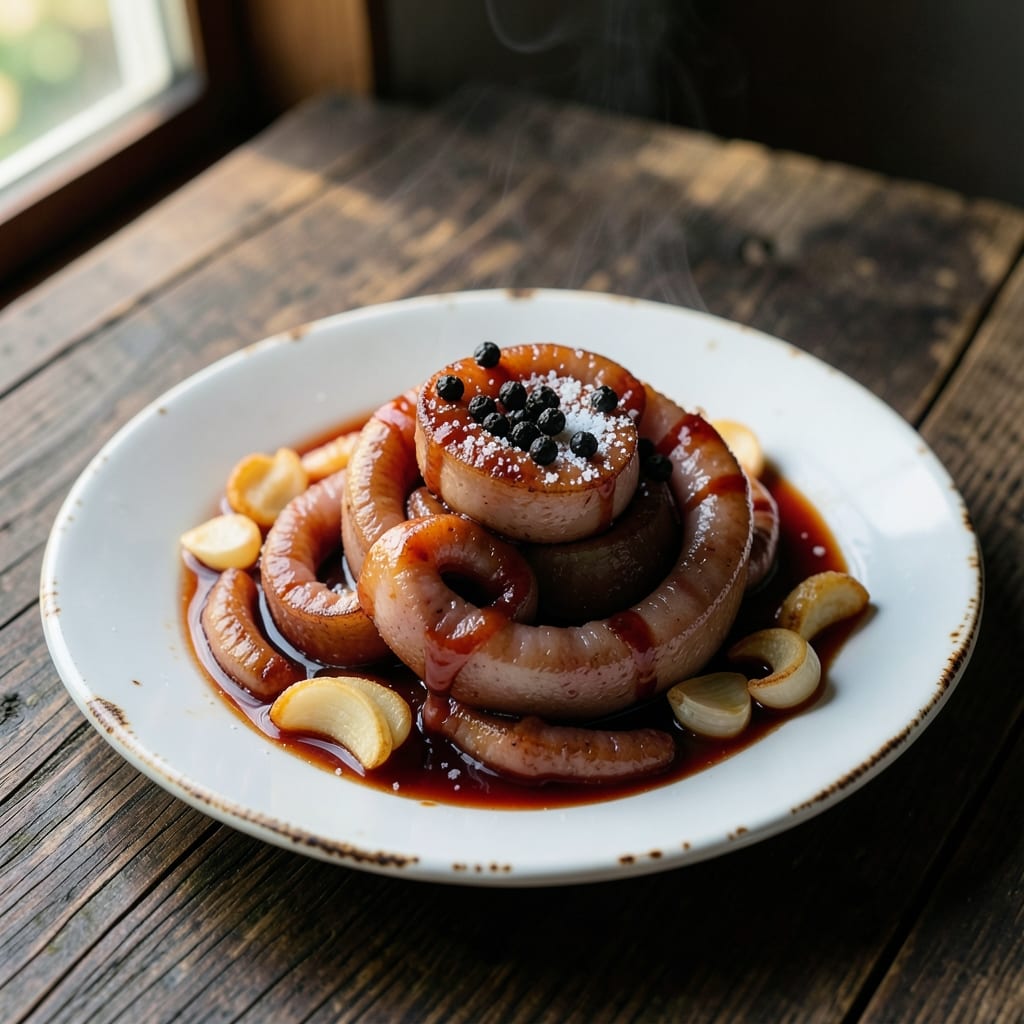
This Filipino pork intestine recipe delivers the signature chewiness and savory depth that makes it a beloved comfort dish across the Philippines. The vinegar braise transforms tough intestines into tender, aromatic bites that practically melt in your mouth with each bite. As someone who's spent years perfecting pork preparations, I can tell you this method ensures every piece is perfectly tender while retaining that satisfying texture.
The key to authentic Filipino pork intestine lies in the preparation process—properly cleaning and boiling the intestines removes impurities while preserving their natural flavor. After frying until golden, the vinegar and garlic-soy sauce braise creates that signature tangy, umami-rich profile that defines the dish. This isn't just about cooking pork—it's about capturing the soul of Filipino home cooking in every bite.
What you'll end up with is a dish that's rich in both flavor and tradition, where each forkful offers a perfect balance of chewy texture and savory depth. The vinegar brightens the natural richness of the pork, while the garlic and soy create complex layers of flavor that build with every bite. This is comfort food at its finest—simple ingredients transformed through careful technique into something truly special.
Serve with steamed rice and a side of fresh calamansi slices for that authentic Filipino dining experience. The acidity of the citrus cuts through the richness, creating a perfect balance of flavors that makes every bite satisfying. This recipe brings the heart of Filipino home cooking to your table—where every meal feels like coming home.
Ingredients for filipino pork intestine
Authentic Filipino flavors start with these carefully selected ingredients for tender, vinegar-kissed pork intestine.
| Ingredient | Amount | Notes |
|---|---|---|
| Pork Intestines (Chitterlings) 🥩 | 2 lb | Cleaned, soaked overnight, pre-boiled |
| White Vinegar 💧 | 1 cup | Distilled preferred for tang |
| Garlic Cloves 🧄 | 10 cloves | Minced, peeled |
| Soy Sauce 🍶 | ½ cup | Dark soy for color depth |
| Sugar 🍚 | 2 tbsp | White granulated |
| Black Peppercorns 🌶️ | 1 tsp | Crushed, not ground |
| Bay Leaves 🍃 | 2 whole | Dried, standard size |
| Vegetable Oil 🫒 | ½ cup | High smoke point |
| Green Onions 🧅 | 4 whole | White and green parts |
| Calamansi or Lemon Juice 🍋 | 2 tbsp | Freshly squeezed |
| Salt 🧂 | 1 ½ tsp | Diamond Crystal preferred |
| Ground White Pepper 🌶️ | ½ tsp | Freshly ground |
| Steamed White Rice 🍚 | 3 cups | Long-grain, cooked |
The pork intestines are the foundation—fresh, cleaned chitterlings from a trusted butcher are essential. Look for Filipino markets or specialty Asian grocers like 99 Ranch or H Mart for the best quality, as they often carry pre-cleaned versions. If you must clean them yourself, soak for 12-24 hours in salted water to remove impurities, then boil for 10 minutes before frying. The vinegar should be distilled white vinegar—it delivers the bright tang that defines this dish. For garlic, Filipino markets often sell pre-minced garlic in jars, but fresh minced is superior. The soy sauce makes or breaks the depth—dark soy sauce adds that signature caramelized color.
No white vinegar? Canola vinegar or apple cider vinegar work in a pinch, though the flavor will differ slightly. Running short on dark soy sauce? Regular soy sauce plus a pinch of sugar replicates the depth, though the color will be lighter. Fresh garlic unavailable? Garlic powder at half the amount suffices, but it lacks the aromatic complexity. The sugar balances the acidity—brown sugar adds a subtle caramel note if you prefer. For the pepper, crushed black peppercorns impart more texture than pre-ground. If you can't find calamansi, lemon juice works, though it lacks the unique citrus brightness. The green onions add freshness—use scallions if that's what you have, but the white parts are key for flavor.
Prep the intestines the day before if possible—they need time to soak and clean properly. Store them in the fridge in a sealed container with vinegar-soaked towels to keep them fresh. The braised intestines keep for 3-4 days in the fridge, though they taste best within 24 hours of cooking. For longer storage, freeze in airtight containers for up to 3 months. Reheat gently in the braising liquid to maintain tenderness. Serve immediately with steamed rice—long-grain jasmine rice is traditional, but any white rice works. The dish reheats beautifully, so double the batch for leftovers.
Why You'll Love This Recipe
- Pantry-to-Table Speed: The vinegar soak does all the heavy lifting—just rinse, simmer, and serve. No fancy prep, no waiting hours like some recipes demand.
- Umami Bomb: That garlic-soy-sugar combo? It turns tough chitterlings into something tender, crispy-edged, and ridiculously flavorful. The vinegar cuts through the richness just enough to keep it balanced.
- Weeknight Crowd-Feeder: Doubles easily, reheats like a dream, and still tastes fresh the next day. Perfect for game nights or when your partner’s "just grabbing takeout" turns into "we’re feeding the neighborhood."
- Budget Hero: Pork intestines are cheap, and this recipe stretches them far. I’ve made a full meal for four people for under $10—plus, leftovers reheat better than most takeout. (Yes, even on a Tuesday night.)
Step-by-step instructions for vinegar-braised pork intestines
Transform tough chitterlings into tender, flavorful bites through precise braising and aromatic seasoning.
Prepare the Pork Intestines for Cooking
Begin by rinsing the 2 lb pork intestines (chitterlings) thoroughly under cold water to remove any remaining impurities. Using a sharp knife, trim off any excess fat or connective tissue while being careful not to puncture the casing. This preparation ensures the intestines cook evenly and absorb flavors properly.
In a large stockpot, combine the intestines with the 1 cup white vinegar, 1.5 tsp salt, and 2 whole bay leaves. Bring to a boil over medium-high heat, then immediately reduce to a simmer. Cover and cook for 30 minutes, stirring occasionally, until the intestines are tender when pierced with a fork. This initial braising step removes any remaining blood and toughens the texture slightly for better flavor absorption later.
Build the Aromatic Base
While the intestines simmer, heat the 0.5 cup vegetable oil in a separate deep skillet over medium heat. Add the 10 minced garlic cloves and 1 tsp crushed black peppercorns, cooking for 2-3 minutes until the garlic turns golden and fragrant. This step develops the foundation of your dish's complex flavor profile.
Add the 4 whole green onions, sliced into 1-inch pieces, and cook for another 1 minute until softened but still vibrant. Remove the skillet from heat and set aside. The aromatics should now carry a deep, savory scent that will infuse the braised intestines.
Braise the Intestines with Soy and Sweetness
Drain the cooked intestines, reserving the braising liquid, and transfer them to a clean pot. Add the sautéed aromatics along with the 0.5 cup soy sauce and 2 tbsp sugar. The sugar will help balance the acidity of the vinegar while enhancing the umami depth from the soy sauce.
Pour in just enough of the reserved braising liquid to cover the intestines by about 1 inch. Return to medium-low heat and simmer uncovered for 45-60 minutes, stirring occasionally, until the liquid reduces by half and the intestines are fork-tender with a glossy sheen. The cooking time may vary slightly depending on the initial preparation of the intestines, so check for tenderness rather than relying strictly on time.
Finish with Tangy Brightness
Once the intestines are tender, stir in the 2 tbsp calamansi or lemon juice and 0.5 tsp ground white pepper. Simmer for an additional 5 minutes to allow the citrus to brighten the flavors and the white pepper to add subtle warmth. The dish should now have a perfect balance of tangy, sweet, and savory notes.
Remove from heat and let the intestines rest in the braising liquid for 10 minutes. This resting period allows the flavors to meld completely and the texture to set properly. The intestines should be fork-tender with a satisfying chew, not rubbery or tough.
Serve Over Steamed Rice
Transfer the intestines and their braising sauce to a serving platter. Spoon the 3 cups steamed white rice onto individual plates and arrange the intestines over the rice. The rice will soak up the remaining braising liquid, creating a flavorful bed for each bite.
Garnish with the remaining sliced green onions for color and freshness. Serve immediately while the intestines are warm and the rice is still slightly moist. This dish delivers a perfect balance of textures and flavors, with the vinegar-braised intestines offering a satisfying chew against the soft rice.
Pro Tips For Making Filipino Pork Intestine
- SOAK IN VINEGAR FIRST: Filipino pork intestines need a good 30-minute soak in white vinegar before cooking—don’t skip this. It breaks down the natural sliminess and makes them absorb the garlic-soy-sugar sauce better later. (Yes, even if you’re in a hurry, this step actually saves you from dealing with a mushy, flavorless mess.)
- CUT GARLIC THIN, NOT MINCED: Slice those garlic cloves paper-thin instead of mincing them. They’ll caramelize faster in the vinegar-soy mixture and give the dish that deep, sweet garlic punch without turning bitter. I learned this the hard way—over-minced garlic burns and ruins the whole dish.
- DON’T BOIL DRY: Pork intestines release a ton of liquid when cooking, but if the pot’s too crowded, they’ll steam instead of brown. Start with a single layer in the pan, then add more once they’ve seared slightly. Crowding turns them soggy, and nobody wants that.
- USE LESS SOY SAUCE: Filipino recipes often call for a lot of soy sauce, but too much makes the dish taste flat. Start with 2 tablespoons per pound of intestines—you can always add more later. The sugar in the mix balances the salt, so don’t overdo it. (Trust me, your taste buds will notice.)
Dietary considerations for this dish
Vegetarian Adaptations
While pork intestine is a traditional protein in this dish, you can create a satisfying vegetarian version using king oyster mushrooms or shitake mushrooms as a substitute. Clean and slice the mushrooms into similar-sized pieces as the intestines, then follow the same braising process. The mushrooms absorb the vinegar and soy sauce beautifully, offering a meaty texture. For extra umami, add 1 tbsp soy sauce to the initial simmering liquid. 🌱
Gluten-Free Options
This recipe is naturally gluten-free if you use tamari instead of regular soy sauce. Tamari provides the same savory depth without the wheat content. I recommend San-J brand tamari, which is widely available in health food stores. Just swap the 0.5 cup soy sauce for an equal amount of tamari. Double-check all other ingredients (like vinegar and spices) to ensure they're certified gluten-free if needed. ✨
Low-Sodium Considerations
For a lower-sodium version, reduce the soy sauce to 0.25 cup and replace the remaining 0.25 cup with low-sodium chicken broth. This maintains flavor while cutting the sodium content significantly. You can also omit the added salt in the initial boiling step and use Diamond Crystal salt (which contains less sodium per teaspoon) for seasoning. Taste as you go and adjust gradually. 💡
Spice Level Control
If you prefer less heat, simply omit the crushed black peppercorns in the aromatic base. For mild heat, use ½ tsp crushed black peppercorns instead of the full 1 tsp. If you enjoy spice, add ½ tsp chili flakes to the braising liquid during the final 5 minutes of cooking. I find that a little heat enhances the dish's complexity without overpowering the vinegar and soy flavors. 🌶️
Allergen Awareness
This recipe contains soy (from soy sauce) and may come into contact with shellfish if prepared in shared kitchens. Always check your soy sauce label for potential cross-contamination warnings. For nut allergies, ensure all ingredients are processed in nut-free facilities. When purchasing pork intestines, verify with your butcher that they're processed in a facility free from common allergens if needed. Safety first! 🛡️
Keto-Friendly Adjustments
To make this dish keto-friendly, replace the 3 cups steamed white rice with cauliflower rice cooked until tender. The vinegar-braised intestines remain rich in protein and fat, making them naturally keto-compatible. Just ensure your soy sauce is gluten-free (like tamari) to avoid carbs. Keep the sugar at 2 tbsp—it's minimal enough for most keto diets, but you could reduce it further if needed. 🥦
Nutrition facts
Frequently asked questions
Why do Filipino pork intestines need to be soaked overnight?
The overnight soak in salted water removes impurities, blood, and tough membranes that would otherwise make the intestines rubbery. This step is crucial for achieving the signature tender yet chewy texture. Think of it as a natural marinade that prepares the protein for perfect flavor absorption during cooking.
Can I substitute pork intestines with other offal?
While pork intestines are traditional, you could try beef intestines or chicken gizzards in a pinch. The cooking method remains similar, but beef will be slightly tougher and require longer braising. Chicken gizzards cook faster but lack the same satisfying chew. For best results, stick with pork intestines—they're designed for this specific texture.
How do I know when the intestines are properly cooked?
They should be fork-tender with a slight resistance (not mushy) and a glossy sheen from the braising liquid. When pierced, they should yield easily but still hold their shape. Overcooking turns them rubbery, while undercooking leaves them chewy and unappetizing. The 45-60 minute simmer time is a guideline—always check for doneness.
What's the best way to store leftovers?
Store in an airtight container with the braising liquid to maintain moisture. Leftovers keep for 3-4 days in the fridge or 3 months in the freezer. Reheat gently in the braising liquid over low heat—microwaving makes them rubbery. The texture won't be as perfect as fresh, but the flavor remains excellent.
Is there a quicker way to prepare the intestines?
For a faster version, buy pre-cleaned intestines from Filipino markets and reduce the initial boiling time to 15 minutes. Skip the overnight soak by using vinegar-soaked towels for 2 hours instead. The texture will be slightly less tender, but the flavor profile remains authentic. Time-saving comes at the expense of perfect texture.