
Sauces & Condiments
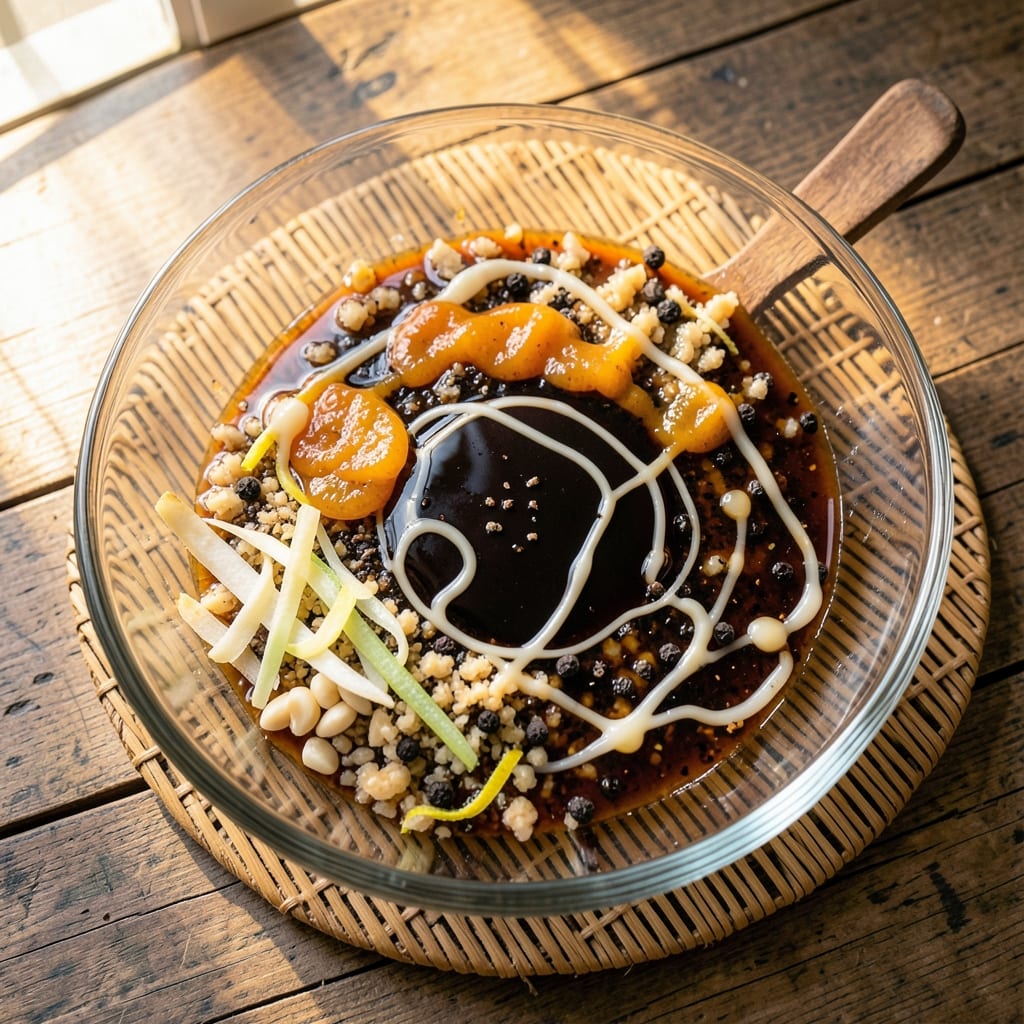
This Filipino pork marinade recipe transforms ordinary pork into finger-licking, restaurant-quality grilled perfection with just a few simple ingredients. The secret lies in the balance of tangy vinegar, savory soy sauce, and aromatic spices that penetrate deep into the meat, creating layers of umami flavor that stick with every bite. I developed this marinade after years of perfecting Filipino-style grilled pork, and it's the foundation of my go-to recipe for lechon kawali or crispy grilled pork skewers.
The marinade works its magic through a 30-minute minimum soak, though I recommend marinating for up to 4 hours if you have the time. This allows the vinegar to tenderize while the soy sauce and spices infuse the meat completely. The result is pork that's impossibly tender on the inside with a caramelized, flavorful crust on the outside. What makes this marinade truly special is its versatility—it works equally well for pork chops, tenderloin, or even pork belly.
What you'll end up with is a marinade that's simple to make but packed with complex flavor—bright from the vinegar, deep from the soy, and aromatic from the garlic, ginger, and black pepper. The calamansi (or substitute lime juice) adds that signature Filipino tang that makes this marinade stand out. Store any leftovers in the refrigerator for up to 5 days, making it perfect for meal prep or batch cooking.
This marinade is the game-changer that will elevate your pork dishes from good to unforgettable. Whether you're grilling, pan-frying, or even slow-cooking, this perfect blend of ingredients ensures your pork will be the star of the meal. Let's get started!
Ingredients for filipino pork marinade
Nine ingredients blend into this umami-packed marinade that transforms pork into restaurant-quality grilled perfection.
| Ingredient | Amount | Notes |
|---|---|---|
| White Vinegar 🍋 | ½ cup | Distilled or apple cider preferred |
| Soy Sauce 🥢 | ½ cup | Regular or light soy works |
| Garlic Cloves 🧄 | 6 cloves | Minced for even distribution |
| Fresh Ginger 🌿 | 2 tbsp | Grated, not powdered |
| Calamansi Juice 🍋 | ¼ cup | Or substitute lime juice |
| Black Peppercorns 🌶️ | 1 tsp | Crushed, not ground |
| Brown Sugar 🍬 | 2 tbsp | Light or dark variety |
| Ground Black Pepper 🌶️ | ½ tsp | Freshly ground preferred |
| Salt 🧂 | 1 tsp | Kosher or sea salt |
The vinegar is non-negotiable—it tenderizes the meat and adds that signature tang. Filipino markets carry calamansi, but Trader Joe's lime juice works in a pinch. Fresh ginger and garlic are key for aroma, so avoid powdered substitutes. I always grab extra ginger because it keeps for weeks in the freezer. For the soy sauce, Kikkoman or Lee Kum Kee are my go-tos—they balance sweet and salty perfectly.
No calamansi? Lime or lemon juice adds brightness, though it won't be identical. Powdered ginger or garlic? Use half the amount—they lack the depth. Brown sugar can be swapped for white, but it won't caramelize as beautifully. The peppercorns should be crushed (not ground) for texture. For a deeper umami kick, add 1 tbsp fish sauce—just know it's not vegetarian. This marinade works on chicken too, though pork is ideal.
Marinade keeps for 5 days in the fridge, so make extra. Store in an airtight container, and shake before each use. The flavors meld beautifully overnight, making it perfect for meal prep. Freeze for up to 3 months—just thaw in the fridge before using. Pork marinated for 4+ hours develops the most flavor, but even 30 minutes makes a noticeable difference.
Why You'll Love This Recipe
- Pantry Magic: I swear by this marinade because it uses stuff I already have—no last-minute grocery runs. White vinegar and soy sauce do the heavy lifting while garlic and ginger add depth, and calamansi juice (or lime in a pinch) keeps it bright. Honestly? It’s the kind of recipe that makes me feel like a pro without extra effort.
- Tangy Crispy Perfection: The moment that crispy, caramelized edge meets the tender inside? That’s the magic. The vinegar and soy sauce create this addictive sweet-savory crust, while the garlic and ginger seep into the pork like a flavor hug. (Yes, even on a Tuesday night.)
- Double-Duty Marinade: Marinate pork chops for dinner, then use the leftover sauce to glaze roasted veggies or stir-fry rice the next day. It’s my secret weapon for turning simple meals into something special—no extra shopping, no extra work. Between us, this is the marinade that actually gets used up.
- Budget-Friendly Flex: A little goes a long way, and this marinade stretches across multiple meals without breaking the bank. The pork stays juicy and packed with flavor, but the real win? The leftovers taste just as good reheated as they do fresh. Not the prettiest, but the taste makes up for it every time.
Step-by-step instructions for Filipino pork marinade
This marinade transforms simple pork into restaurant-quality grilled perfection—tangy, savory, and packed with depth.
Prepare the Aromatics
In a small bowl, finely mince the 6 cloves garlic cloves using a chef's knife or microplane. I like to press the garlic through a garlic press for even distribution—this ensures every bite of pork gets that punchy, aromatic punch. In a separate bowl, grate the 2 tablespoons fresh ginger using a fine grater or microplane. The goal is to create a paste-like consistency that will cling beautifully to the pork.
Real talk: Fresh ginger and garlic are non-negotiable here. Powdered versions lack the bright, zesty complexity that makes this marinade shine. Set these aside—they'll form the flavor foundation of your marinade.
Combine Wet Ingredients
In a medium mixing bowl, whisk together the 0.5 cup white vinegar, 0.5 cup soy sauce, 0.25 cup calamansi juice, and 2 tablespoons brown sugar until the sugar dissolves completely. The mixture will look like a rich, amber-colored syrup. I use a fork for this step—it helps break up any sugar crystals that might resist dissolving.
Here's the thing—calamansi juice is the secret weapon. Its tart, citrusy brightness cuts through the richness of the soy and vinegar, creating that perfect balance. If you can't find calamansi, lime juice works in a pinch, but you'll lose some of that signature Filipino tang.
Add Spices and Salt
Crush the 1 teaspoon black peppercorns using a mortar and pestle or roll them in a clean kitchen towel and press with the bottom of a heavy pan. This releases their essential oils without turning them into powder. Add the crushed peppercorns, 0.5 teaspoon ground black pepper, and 1 teaspoon salt to the wet mixture. Stir well to combine—you want these spices evenly distributed throughout the marinade.
Don't skip the crushing step. Whole peppercorns release their flavor more gradually, creating layers of spice that develop as the pork marinates. The salt and brown sugar will dissolve completely, creating a smooth, cohesive marinade with just the right amount of heat and sweetness.
Incorporate Aromatics and Mix Thoroughly
Add the minced garlic and grated ginger to the bowl and stir vigorously with a silicone spatula. The marinade should take on a vibrant, aromatic appearance with visible flecks of garlic and ginger. Let the mixture sit for 5 minutes at room temperature—this allows the flavors to meld together before you apply it to the pork.
This marinade works best when applied fresh. The acidity from the vinegar and calamansi will begin tenderizing the pork immediately, so don't marinate for more than 4-6 hours in the refrigerator. Any longer, and the acid can start breaking down the meat fibers too much, making it mushy when cooked.
Apply to Pork and Marinate
Pat the pork cuts dry with paper towels—this helps the marinade adhere better and promotes a better sear. Place the pork in a resealable plastic bag or shallow dish and pour the marinade over it. Using your hands, massage the marinade into the pork, making sure every surface is coated. Seal the bag or cover the dish and refrigerate for at least 2 hours, or up to 4 hours for maximum flavor penetration.
For best results, turn the pork occasionally during marinating. This ensures even exposure to the marinade and prevents any one area from becoming overly saturated. When you're ready to cook, the pork should smell intensely aromatic with notes of garlic, ginger, and vinegar—this is your cue that it's ready for the grill or pan.
Pro Tips For Making Filipino Pork Marinade
- Mince Ginger Like You Mean It: I used to be lazy and just grate ginger with the skin on—big mistake. Peel it first, then use the flat side of your knife to smash it into a paste before mincing. This releases more flavor and avoids that grainy texture that ruins the marinade’s smoothness.
- Marinate Overnight, Not Just Hours: The vinegar and calamansi need time to tenderize the pork properly. If you’re short on time, at least 4 hours will help, but overnight (8+ hours) is where the magic happens. I learned this after serving tough pork—now I set it before bed.
- Balance the Vinegar with Sugar: Too much vinegar makes the pork dry. Add 1 tablespoon of brown sugar or honey to the marinade to mellow the acidity. It’s a simple fix that keeps the meat juicy while still giving that tangy Filipino flavor.
- Use Calamansi Juice Freshly Squeezed: Bottled calamansi juice lacks the bright acidity of fresh. If you can’t find calamansi, substitute with a mix of lemon and lime juice—but add a pinch of salt to mimic the saltiness. Fresh is worth the effort.
Common mistakes when making perfect results
Over-Marinating
The biggest mistake I see is marinating pork for too long. While this marinade is packed with acid from vinegar and calamansi, marinating for more than 4-6 hours can turn your tender pork into something mushy. The acid breaks down muscle fibers, and after that window, you'll end up with meat that falls apart when cooked. I've ruined perfectly good pork this way—trust me, it's not pretty. 🌶️
Skipping the Rest
After marinating, many people rush to cook the pork immediately. But letting it rest for 15-30 minutes at room temperature before cooking allows the marinade to fully penetrate the meat. This extra step makes a noticeable difference in flavor distribution. I always give mine a good 20 minutes—it's worth the wait.
Using Powdered Spices
Freshly crushed peppercorns and ground spices make all the difference. Powdered ginger or garlic lacks the bright, aromatic punch that fresh ingredients provide. I once used powdered ginger in a hurry and noticed the flavor was flat compared to the fresh version. When it comes to this marinade, fresh is non-negotiable for that authentic Filipino depth.
Not Patting Dry
Wet pork doesn't sear well, and that's a problem because a good sear is what gives this dish its signature crust. Always pat your pork dry with paper towels before applying the marinade. I
Ignoring the Vinegar
Some people try to skip the vinegar or use less because they're worried about the taste. But vinegar is what tenderizes the meat and adds that signature tang. If you reduce it, you'll lose both the texture benefit and the bright acidity that balances the soy sauce. I've tested this marinade without vinegar, and it just doesn't have the same depth of flavor.
Uneven Coating
When applying the marinade, many people just pour it over the pork without ensuring complete coverage. For best results, use your hands to massage the marinade into every crevice of the meat. I always make sure the marinade gets into any pockets or thick areas—this ensures even flavor distribution throughout the entire cut. A little extra effort here makes a big difference in the final result.
Nutrition facts
Frequently asked questions
Can I use this marinade for other meats besides pork?
While this marinade was designed for pork, it works beautifully with chicken and even beef. The acidity and spices help tenderize and flavor any meat. For chicken, reduce the marinating time to 1-2 hours to prevent over-tenderizing. Beef can handle the full 4-hour marinade for maximum flavor.
What if I can't find calamansi juice?
No problem! Use lime or lemon juice instead—it will give you that bright, tangy flavor. For best results, use the same amount (0.25 cup) and let the marinade sit for 10 minutes before using. The flavor won't be identical, but it will still taste amazing.
How long can I keep leftover marinade?
Store any unused marinade in an airtight container in the fridge for up to 5 days. For longer storage, freeze it for 3 months. When using frozen marinade, thaw it in the fridge overnight. Never refreeze thawed marinade after cooking.
Can I make this marinade without vinegar?
I don't recommend it—the vinegar is crucial for both tenderizing the meat and balancing the flavors. If you're avoiding vinegar, try adding 1 extra tablespoon of calamansi/lime juice and 1 extra teaspoon of sugar to compensate, but the texture won't be the same.
What's the best way to cook pork marinated with this?
This marinade works perfectly for grilling, pan-searing, or even slow-roasting. For best results, grill over medium-high heat for 3-4 minutes per side (for 1-inch thick cuts) until internal temp reaches 145°F. For pan-searing, cook in a hot skillet with oil until golden brown on both sides.