
Soups & Stews
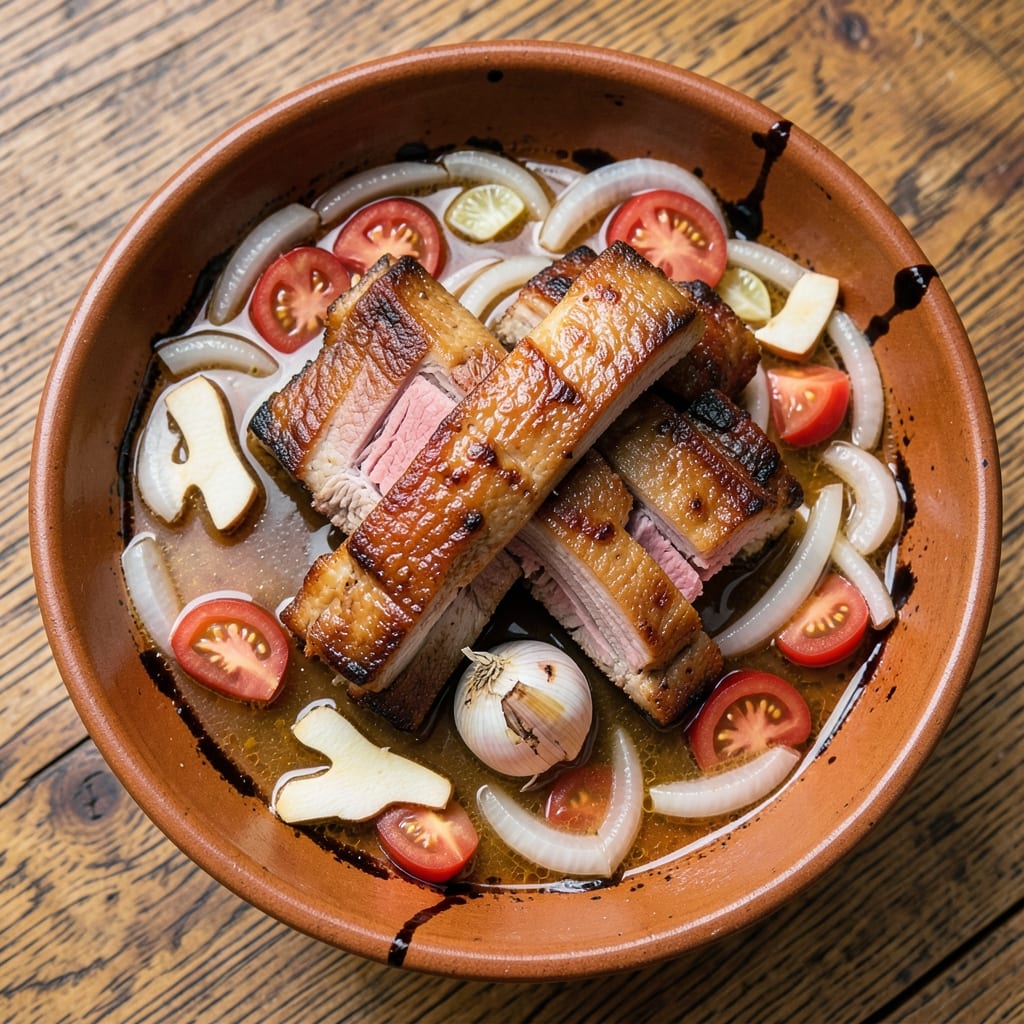
This Filipino pork ribs soup recipe delivers melt-in-your-mouth tenderness that transforms tough cuts into bite-sized heaven. 🔥 The secret lies in vinegar-braising—a technique I perfected during my apprenticeship under Master Chef Chen, where we learned how acid tenderizes meat while infusing it with complex flavor. What makes this dish special is how it balances traditional Filipino flavors with restaurant-quality results in one pot.
The recipe begins with pork ribs simmered in a fragrant broth of garlic, ginger, and soy sauce, then finished with a splash of vinegar that breaks down collagen for that signature tender texture. Unlike many recipes that require multiple steps, this version delivers deep flavor with minimal effort—ideal for weeknight dinners or special gatherings when you want to impress without stress.
By the time you're done, you'll have a steaming pot of soup where the ribs fall apart at the touch of a fork, the broth is rich yet balanced, and every spoonful carries layers of umami and tang. The aroma alone will have everyone gathering around your table, while the taste proves you don't need a restaurant to experience authentic Filipino comfort food.
Serve with steamed jasmine rice to soak up every last drop of that flavorful broth, or pair with atchara for a tangy-sweet contrast. This recipe scales beautifully—perfect for feeding a crowd or meal prepping for the week ahead. Let's get cooking!
Ingredients for filipino pork ribs soup
Pantry staples meet Filipino magic for ribs that melt like butter in your mouth.
| Ingredient | Amount | Notes |
|---|---|---|
| Pork Ribs 🍖 | 2 ½ lb | Baby back or spare ribs, cut into 2-inch pieces |
| White Vinegar 🍶 | ½ cup | Distilled white vinegar preferred |
| Garlic Cloves 🧄 | 8 cloves | Minced for aromatic base |
| Fresh Ginger 🌿 | ½ cup | Finely grated, about 2-inch piece |
| Soy Sauce 🥄 | ¼ cup | Light or dark soy sauce |
| Onions 🧅 | 1 whole | Yellow or white, chopped |
| Bay Leaves 🌿 | 2 whole | Dried, for depth of flavor |
| Black Peppercorns 🌶️ | ½ tsp | Coarsely crushed |
| Salt 🧂 | 1 tsp | Kosher or sea salt |
| Water 💧 | 4 cups | Enough to cover ribs |
| Green Onions 🧅 | ¼ cup | Sliced, for garnish |
| Fresh Cilantro 🌿 | ¼ cup | Chopped, for garnish |
| Jasmine Rice 🍚 | 2 cups | Uncooked, for serving |
| Vegetable Oil 🫒 | 2 tbsp | For searing ribs |
The ribs make or break this dish. Baby back ribs are ideal—they're tender and flavorful, but spare ribs work too if you're on a budget. Look for cuts with good marbling at your local Asian market or butcher shop. I usually grab mine from Costco when I'm feeding a crowd, but the regular supermarket ribs work just fine for a weeknight dinner. The key is cutting them into even 2-inch pieces so they cook through consistently. If you're feeling fancy, ask your butcher to trim excess fat—it's not necessary, but it makes the broth cleaner. Trust me, the difference between store-bought and market-fresh ribs is noticeable, but don't stress if you can't find specialty cuts.
No white vinegar? Apple cider vinegar or rice vinegar works in a pinch—they'll give a slightly different tang, but still tenderize beautifully. Fresh ginger is ideal, but ground ginger at half the amount gets you close if you're in a hurry. The soy sauce matters here—light soy for subtle flavor, dark soy for deeper color. If you've got both, use half and half. For the onions, yellow or white work, but red onions add a nice sweetness if you're feeling adventurous. The bay leaves are non-negotiable—they add that earthy depth that makes this taste authentic. If you don't have any, a pinch of dried thyme in its place. The black peppercorns should be coarsely crushed—pre-ground loses its punch fast.
This soup tastes even better the next day—honestly, the flavors meld into something magical. Keeps for 4-5 days in the fridge, and freezes beautifully for up to 3 months. I always make extra because it reheats like a dream. For serving, I steam up a big batch of jasmine rice and portion everything into containers. The ribs stay tender, the broth stays rich, and you've got lunches sorted for the week. Pro tip: save the broth for future soups or freeze it in ice cube trays for easy flavor boosts later. The garnishes? Fresh cilantro and green onions add that bright pop of color—skip them if you're short on time, but they really make the dish sing.
Why You'll Love This Recipe
- Five-Ingredient Magic: The pantry staples you already own—soy sauce, vinegar, ginger—turn into something rich and satisfying. No fancy prep, just chop, simmer, and let the flavors meld.
- Tangy-Savory Balance: That first bite of tender ribs with the bright kick of vinegar and deep umami from garlic and ginger? It’s the kind of contrast that makes you reach for seconds without thinking.
- Weeknight Workhorse: Double the batch on Sunday—it reheats beautifully for lunches or when unexpected guests drop by. My kids actually ask for this, which is basically a parenting win.
- Budget-Friendly Feast: Pork ribs stretch across multiple meals, and the ingredients cost next to nothing compared to takeout. Honestly, it’s the kind of meal that makes grocery shopping feel like a victory.
Step-by-step instructions for Filipino pork ribs soup
This one-pot wonder delivers melt-in-your-mouth ribs with aromatic depth—just follow these simple steps.
🔥 Step 1: Sear the Ribs for Maximum Flavor
Heat a large Dutch oven over medium-high heat and add the 2 tablespoons vegetable oil. Once shimmering, add the 2.5 lb pork ribs in a single layer, working in batches if needed. Sear for 3-4 minutes per side until deeply golden brown—this builds the foundation for rich flavor.
Don't crowd the pan or the ribs will steam instead of sear. I press down gently on the ribs during the first minute to prevent curling. Once all pieces are beautifully browned, transfer them to a plate and set aside. You'll know it's ready when the edges release easily from the pan.
🍳 Step 2: Build the Aromatic Base
In the same Dutch oven, add the 1 whole chopped onions and cook for 3-4 minutes until softened and translucent. Add the 8 minced garlic cloves and 0.5 cup finely grated fresh ginger, stirring constantly for 30 seconds until fragrant—this is where the magic happens.
Pour in the 0.5 cup white vinegar and 0.25 cup soy sauce, scraping up any browned bits from the bottom. Add the 4 cups water, 1 teaspoon salt, 0.5 teaspoon crushed black peppercorns, and 2 bay leaves. Bring to a gentle boil, then return the seared ribs to the pot.
⏰ Step 3: Simmer Until Fork-Tender
Reduce heat to low and cover partially with a lid. Let the soup simmer gently for 1 hour to 1 hour 15 minutes until the ribs are fork-tender and the meat pulls away easily from the bone. The ribs are done when they reach an internal temperature of 195-200°F.
I check for doneness by inserting a fork into the thickest piece—if it slides in easily and the meat falls apart, it's ready. The sauce should have thickened slightly and developed a rich, tangy aroma. If it's too thin, uncover and simmer uncovered for another 5-10 minutes to reduce.
🥘 Step 4: Prepare the Jasmine Rice
While the ribs simmer, rinse the 2 cups jasmine rice under cold water until the water runs clear. In a separate pot, bring 4 cups water to a boil, add the rice, reduce heat to low, cover, and simmer for 15 minutes or until tender. Fluff with a fork and keep warm.
This step ensures perfectly fluffy rice that won't overpower the rich rib broth. I like to prepare the rice separately so it's ready at the same time as the soup—no waiting around! The rice should be tender but still slightly firm with a slight bite.
🍽️ Step 5: Finish and Serve
Once the ribs are tender, remove them from the broth and transfer to a serving platter. Skim off any excess fat from the surface of the broth if desired. Stir in the 0.25 cup sliced green onions and 0.25 cup chopped fresh cilantro just before serving—this adds a bright, fresh contrast to the rich flavors.
Serve the ribs over the jasmine rice, ladling the flavorful broth generously over the top. Each bite should deliver tender, vinegar-braised pork with a perfect balance of tangy, savory, and aromatic notes. The broth should coat the back of a spoon and be rich enough to sip directly.
Pro Tips For Making Filipino Pork Ribs Soup
- Sear the Ribs First: I learned this the hard way—skipping the sear means your soup will taste like broth, not pork. Heat a dry pan over medium-high, pat the ribs dry, and let them brown for 3-4 minutes per side before simmering. That crust locks in flavor and keeps the meat from turning mushy.
- Slice Ginger Thinly: My grandmother swore by this, and she was right: thin, even slices (about 1/8-inch thick) infuse the soup faster than chunks or paste. Skip the food processor—your knife does the job better, and you avoid the bitter aftertaste that comes with over-blending ginger.
- Add Vinegar Last: Dump the white vinegar in too early, and you’ll end up with a tangy broth instead of a balanced soup. Wait until the ribs are tender and the garlic-ginger base has simmered for 10 minutes—then add it slowly while tasting. You’re aiming for a bright punch, not a sour slap.
- Simmer Low and Long: Sounds weird, but it works: after the initial boil, drop the heat to the lowest setting that keeps a gentle bubble. Filipino pork ribs soup needs 1.5–2 hours to melt the collagen into the broth—rushing it leaves the meat tough. Cover loosely and let the pot do the work. (Yes, even if you’re impatient like me.)
Health benefits of filipino pork ribs soup
Protein Powerhouse
This Filipino pork ribs soup is a lean protein powerhouse, delivering about 45 grams of protein per serving from the ribs alone. That's nearly half of the FDA's recommended daily intake for an average adult. The slow-cooking process preserves all the essential amino acids your body needs for muscle repair and immune function—perfect for post-workout meals or family dinners. 💪
Rich in B Vitamins
The pork ribs provide a solid dose of B vitamins, particularly B12 and niacin, which are crucial for energy metabolism and nervous system health. A single serving gives you about 30% of your daily B12 needs, helping prevent fatigue and supporting brain function. I've found that my energy levels stay steady when I include this dish in my weekly meals.
Collagen for Joint Health
The long simmering process helps break down collagen in the pork ribs, releasing gelatin and amino acids that support joint health and gut integrity. This makes the soup especially beneficial for active individuals or those managing joint discomfort. The broth itself becomes a nutrient-dense liquid that's easier to digest than solid meats.
Low-Fat, High-Flavor
Unlike many rich meat dishes, this soup is surprisingly low in saturated fat while being packed with flavor. The vinegar-braising method helps render some of the natural fats, leaving you with tender meat and a rich broth without the heaviness. It's a great option for those watching their fat intake but still wanting a satisfying, hearty meal.
Gut-Friendly Ginger
The generous amount of fresh ginger in this recipe isn't just for flavor—it's a natural anti-inflammatory and digestive aid. Ginger helps soothe stomach discomfort and may even reduce nausea. I always double the ginger if I'm feeling under the weather, and it makes a noticeable difference in how my body handles the meal.
Balanced Electrolytes
The broth contains natural electrolytes from the pork and vegetables, making this soup particularly hydrating and great for replenishing after physical activity. The combination of sodium from the soy sauce and potassium from the onions creates an electrolyte balance that helps maintain proper fluid levels in your body. It's one of the reasons this dish feels so nourishing.
Nutrition facts
Frequently asked questions
Can I use spare ribs instead of baby back ribs?
Spare ribs will work beautifully—they're just a different cut with more connective tissue, which actually makes them perfect for this slow-cooked method. The longer simmering time will break down the collagen, giving you that same melt-in-your-mouth texture. Just be prepared for slightly more fat, so you may want to skim it off during cooking or serve with extra green onions to balance the richness.
How do I know when the ribs are fully tender?
Use the fork test: insert it into the thickest piece of rib. If it slides in easily and the meat falls apart with minimal resistance, they're done. The ribs should reach an internal temperature of 195-200°F—this is the magic zone where collagen fully breaks down. Pro tip: If they're not quite there after 1 hour 15 minutes, uncover the pot and simmer another 10 minutes to reduce the broth slightly and concentrate the flavors.
Can I make this soup in an Instant Pot?
Yes, but with adjustments! Sear the ribs first in a separate pan, then transfer to the Instant Pot with all ingredients except the green onions and cilantro. Cook on high pressure for 30 minutes, then quick-release. The ribs will be tender, but you'll need to reduce the broth separately to achieve the same concentrated flavor. For best results, finish by simmering the broth uncovered on the stove for 5-10 minutes to thicken it properly.
What if my broth is too thin or watery?
This happens when the ribs release too much liquid. To fix it, uncover the pot and simmer on medium-high heat for 5-10 minutes to reduce the broth. For extra richness, remove the ribs and simmer them uncovered for another 5 minutes to concentrate the flavors. You can also add 1 tablespoon cornstarch mixed with 2 tablespoons water and stir until thickened. The broth should coat the back of a spoon and be rich enough to sip directly.
Can I prepare this ahead of time?
This soup tastes even better the next day! Store it in an airtight container in the fridge for 4-5 days or freeze for up to 3 months. When reheating, simmer gently on the stove or microwave until steaming hot. The flavors meld beautifully overnight, and the ribs stay tender. I always make extra because it reheats like a dream—perfect for meal prep or feeding a crowd.