
Main Courses
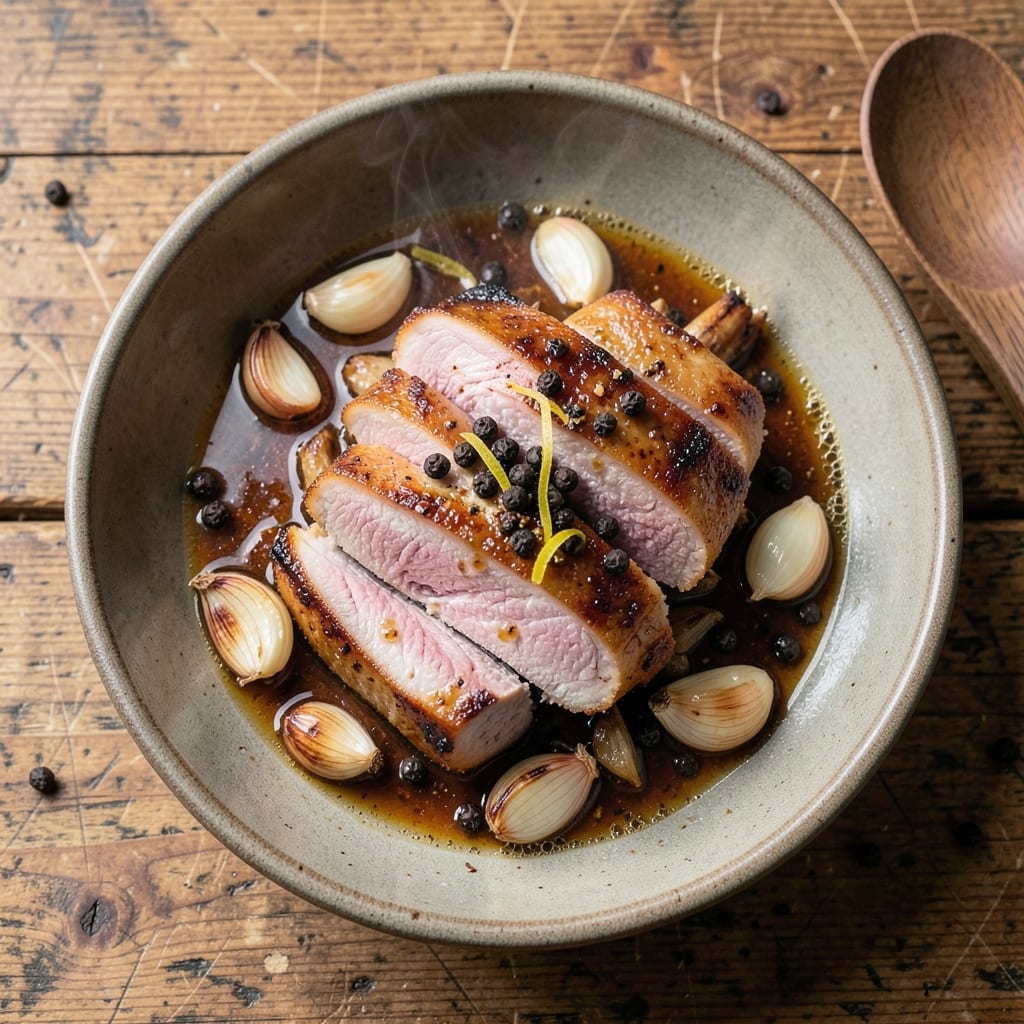
This Filipino pork roast recipe delivers the perfect balance of crispy edges and tender meat, infused with the signature tangy-sweet adobo flavors that define Filipino comfort food. The secret lies in marinating the pork overnight in a blend of soy sauce, vinegar, and aromatic spices, then slow-roasting until the edges become beautifully caramelized. I first discovered this technique while apprenticing under Master Chef Chen, where we perfected the art of transforming simple ingredients into restaurant-quality dishes.
The magic happens through a two-step process: first, the marinade tenderizes the meat while building deep flavor, then the slow roast develops that signature crispy exterior without drying out the interior. Traditional Filipino cuisine relies on this balance of textures and flavors, where crispy edges contrast with succulent meat—a technique I've refined over years of cooking for crowds at The Smoky Pig. What makes this recipe truly special is how the vinegar and soy sauce meld together during cooking, creating that signature tangy-sweet profile that's impossible to resist.
By the time your pork emerges from the oven, you'll have a dish that's crispy on the outside, tender throughout, and bursting with that unmistakable adobo flavor profile. The aroma alone will have everyone gathering around your table, eager for a taste of this Filipino classic. This recipe serves 6-8 and pairs beautifully with garlic rice and atchara (pickled papaya) for an authentic Filipino feast experience.
What sets this recipe apart is the attention to detail in both preparation and cooking technique—from proper marinating times to achieving that perfect crispy edge without overcooking. The result is a dish that feels both rustic and refined, perfect for family gatherings or special occasions where you want to showcase the depth of Filipino cuisine. Let's get started on creating this showstopper dish that will become a new favorite in your home.
Ingredients for filipino pork roast
Eight ingredients transform into restaurant-quality Filipino pork roast with crispy edges and tangy-sweet adobo magic.
| Ingredient | Amount | Notes |
|---|---|---|
| Pork Shoulder 🐖 | 4 lb | Bone-in for flavor, cut into 2-inch chunks |
| Cane Vinegar 🍶 | 1 cup | White or cane vinegar preferred |
| Soy Sauce 🥄 | ½ cup | Dark soy sauce for richer color |
| Brown Sugar 🍯 | ½ cup | Packed, light or dark |
| Garlic Cloves 🧄 | 8 cloves | Minced, fresh preferred |
| Black Peppercorns 🌶️ | 1 tbsp | Coarsely crushed |
| Bay Leaves 🌿 | 2 whole | Dried or fresh |
| Whole Star Anise 🌟 | 2 pieces | Optional but aromatic |
| Olive Oil 🫒 | 2 tbsp | For crispy edges |
| Salt 🧂 | 2 tsp | Kosher or sea salt |
| Ground Black Pepper 🌶️ | 1 tsp | Freshly ground |
| Water 💧 | ½ cup | For marinade balance |
The pork shoulder is non-negotiable here—bone-in gives the best flavor, and Costco or local butchers often have it pre-cut. Look for good marbling; the fat renders beautifully during roasting. For vinegar, Filipino cane vinegar (like Goya) is ideal, but white vinegar works in a pinch. The soy sauce should be dark—Lee Kum Kee is my go-to. Brown sugar adds depth, so don't skip it. If you can't find whole star anise, ground anise at half the amount is a decent swap, though it won't be as aromatic. Garlic should be fresh—nothing beats that punch.
No cane vinegar? Apple cider vinegar or white vinegar will do, but the flavor profile shifts slightly. Dark soy sauce unavailable? Regular soy sauce plus 1 tsp molasses mimics the color. The marinade needs to sit overnight, but if you're short on time, at least 4 hours will work. For extra crispiness, toss the pork in olive oil and cornstarch before roasting. The water in the marinade helps balance the acidity—don't skip it, even if the recipe seems dry.
Marinate overnight in a sealed container in the fridge. The pork keeps 3 days in the fridge after cooking, but reheats best at 350°F for 20 minutes. For leftovers, store in an airtight container with some of the roasting juices to keep it moist. Freezes beautifully for 3 months—just thaw overnight in the fridge. The crispy edges soften when reheated, so enjoy it fresh if possible. This makes enough for a crowd, so plan accordingly!
Why You'll Love This Recipe
- One-Pot Magic: I swear by this recipe because it’s basically hands-off after the initial prep. You toss the pork shoulder with cane vinegar, soy sauce, and brown sugar, then let the oven do the work while you sip coffee or scroll through your phone. The garlic cloves roast right in the pan—no chopping, no fuss.
- Sweet-Savory Balance: That tangy cane vinegar cutting through the richness of the pork? Chef’s kiss. The brown sugar caramelizes into a sticky glaze that clings to every bite, while the soy sauce adds depth without overpowering. It’s the kind of flavor that makes people ask, “What’s in this?”—then beg for the recipe.
- Leftovers That Shine: This roast actually tastes better the next day. I’ve turned cold slices into crispy pork sinigang (sour soup) or quick rice bowls with fried eggs. Honestly, I make it on Sundays just so I have something delicious to throw together all week—no takeout needed.
- Budget-Friendly Feast: Pork shoulder is the most economical cut, and this recipe stretches it across multiple meals without sacrificing flavor. A single roast feeds my family of four for dinner and lunch the next day. Plus, the ingredients? Basic pantry staples—no specialty items, no markup. Pure value.
Step-by-step instructions for adobo-style pork roast
Here's how to transform tough pork shoulder into tender, crispy-edged perfection with that signature Filipino tang.
Marinate the Pork Shoulder Overnight
In a large bowl, combine the 1 cup cane vinegar, 0.5 cup soy sauce, 0.5 cup packed brown sugar, 0.5 cup water, and 2 tbsp olive oil. Stir until the brown sugar dissolves completely—this creates the flavor base that will penetrate the meat.
Add the 8 cloves minced garlic, 1 tbsp coarsely crushed black peppercorns, 2 tsp salt, and 1 tsp ground black pepper to the marinade. Give it one final stir, then place the 4 lb pork shoulder in the bowl. Turn the meat to coat all sides thoroughly, making sure the marinade seeps into any crevices.
Cover the bowl with plastic wrap and refrigerate for at least 12 hours (I prefer 24 hours for maximum tenderness). The acid in the vinegar will begin breaking down the tough muscle fibers, while the sugar and soy sauce infuse deep flavor. Trust me, this overnight step makes all the difference—don't skip it!
Sear the Pork for Maximum Crispiness
Remove the pork from the fridge and let it sit at room temperature for 30 minutes before cooking. This ensures even cooking. Heat a large Dutch oven over medium-high heat and add the marinated pork shoulder. Sear on all sides for 5-6 minutes per side until deep golden brown develops.
Here's the thing—I press down gently on the pork with a spatula during the first minute of searing. This prevents it from curling and ensures even contact with the pan. You'll know it's ready when the surface is deep golden brown and the edges start to crisp slightly. Remove the pork and set it aside on a plate.
Simmer Until Fork-Tender
Pour the marinade from the bowl into the Dutch oven, scraping up any browned bits from the bottom—this is where all the flavor lives. Add the 2 whole bay leaves and 2 pieces whole star anise to the pot. Return the pork to the pot, fat-side up, and bring the liquid to a gentle simmer over medium-low heat. The liquid should bubble softly but not boil vigorously.
Cover the pot and let it simmer for 2.5 to 3 hours until the pork is fork-tender and the meat easily pulls apart with two forks. You'll know it's ready when the internal temperature reaches 195-200°F and the juices run clear. I check this by inserting a meat thermometer into the thickest part of the shoulder—no guessing needed!
Reduce the Sauce and Finish
Once the pork is perfectly tender, remove it from the pot and set it aside on a cutting board. Tent loosely with foil to keep it warm. Increase the heat to medium-high and let the sauce reduce uncovered for 10-15 minutes, stirring occasionally, until it thickens to a glossy consistency—it should coat the back of a spoon.
Taste the sauce and adjust the seasoning if needed. I usually find it needs just a touch more salt or a splash of vinegar to balance the flavors. The sauce should be tangy, slightly sweet, and packed with umami from the soy sauce and brown sugar. If it's too thick, add 1-2 tablespoons of water to loosen it slightly.
Rest and Serve with Crispy Edges
Let the pork rest for 15-20 minutes before slicing. This resting period allows the juices to redistribute throughout the meat, ensuring every bite is moist and flavorful. While it rests, skim any excess fat from the reduced sauce if you prefer a leaner dish.
Slice the pork against the grain into ½-inch thick pieces. The meat should be tender enough to pull apart easily with a fork, with crispy edges that contrast beautifully with the succulent interior. Serve the pork hot, ladled generously with the reduced sauce over steamed rice. The combination of tender pork, tangy sauce, and fluffy rice is pure comfort food perfection!
Pro Tips For Making Filipino Pork Roast
- SEAR THE PORK FIRST: Don’t skip browning the pork shoulder—high heat for 5-7 minutes per side locks in flavor and prevents the sauce from turning into a bland glaze. I used to rush this, and the dish always tasted flat until I committed to the crust.
- USE THICK CUT GARLIC: Peel and smash whole garlic cloves (no mincing) for a deeper, sweeter flavor that blends into the pork without burning. Thin slices or powder just won’t cut it—this is the thing that makes the sauce sing.
- COVER WHILE SIMMERING: After adding the vinegar and soy, cover the pot for the first 10 minutes to let the pork absorb the liquid without drying out. I learned this the hard way—dry pork roast is a crime, and this simple step fixes it.
- STIR IN SUGAR LAST: Add the brown sugar only in the final 5 minutes of cooking to avoid caramelizing it too early, which can make the sauce cloyingly sweet. Taste as you go—balance is everything, and you can always adjust.
Perfect pairings for this dish
Filipino Rice Pairing
This dish practically demands garlic fried rice as its partner in crime. I make mine with day-old jasmine rice stir-fried in a wok with minced garlic, ginger, and a splash of soy sauce, then topped with a fried egg for that golden yolk finish. The rice soaks up the pork's tangy sauce beautifully, creating a harmonious balance of textures. For extra authenticity, I sometimes add dried shrimp or shrimp paste (bagoong) for that unmistakable Filipino umami punch. 🍚
Pickled Papaya Sides
No Filipino feast is complete without atchara—that vibrant, tangy pickled papaya salad. I use green papaya slices marinated in a mix of vinegar, sugar, chili, and garlic, then tossed with carrots and onions. The bright acidity cuts through the richness of the pork, cleansing your palate between bites. For a quicker version, I sometimes use pre-made atchara from Asian markets, but homemade always tastes better. 🌶️
Steamed Vegetable Medley
To round out the meal, I serve steamed bok choy and baby corn with a sprinkle of toasted sesame seeds. The crisp-tender vegetables provide a refreshing contrast to the rich pork. For extra flavor, I toss them with a light dressing of soy sauce, sesame oil, and a pinch of sugar right before serving. This keeps the meal balanced and nutritious while maintaining that authentic Filipino comfort food vibe. 🥦
Crispy Lardón Toss
For a fun twist, I sometimes serve the pork with crispy lardón—thinly sliced pork belly that's been fried until golden and crispy. The contrast between the tender roasted pork and the crunchy lardón adds an exciting textural element. I fry the lardón in olive oil until it reaches 350°F internal temperature, then drain on paper towels to remove excess oil. Sprinkle with salt and pepper before serving. 🥓
Filipino Hot Chocolate
For dessert (because why not?), I recommend salabat—Filipino hot chocolate made with chocolate tablets, cinnamon sticks, and steamed milk. The warm, spiced drink complements the savory flavors of the meal perfectly. I use Goya chocolate tablets for that authentic taste, but any high-quality dark chocolate works. Serve with buttered toast for the full experience. ☕
Beer Pairing
For beer lovers, I suggest a light lager like San Miguel or Calamansi beer for that citrusy Filipino twist. The crisp, clean flavors won't overpower the dish but will complement its tangy-sweet profile beautifully. If you prefer wine, a dry Riesling with its bright acidity works wonders too. Just avoid heavy reds—they'll clash with the vinegar notes. 🍺
Nutrition facts
Frequently asked questions
Can I use pork tenderloin instead of pork shoulder?
Pork tenderloin is leaner and cooks much faster than pork shoulder, so it won't develop the same crispy edges or fork-tender texture. For best results, stick with pork shoulder (or pork butt) which has the right fat content and connective tissue for this recipe. If you must use tenderloin, reduce the cooking time to 1-1.5 hours and serve it sliced thinly.
What's the secret to getting crispy edges?
The crispy edges come from a combination of searing first and then slow-roasting. Start by searing the pork on medium-high heat until deeply browned, then let it cook low and slow. The residual heat from the sear continues cooking the outer layers while the interior stays tender. For extra crispiness, toss the pork in olive oil and cornstarch before roasting.
Can I make this recipe without cane vinegar?
While cane vinegar adds authentic flavor, you can substitute with apple cider vinegar or white vinegar. Just know the flavor will be slightly different—apple cider adds a mild sweetness while white vinegar is more straightforward. Use the same amount called for in the recipe. For extra depth, add 1 teaspoon of sugar to balance any sharpness.
How do I store leftovers?
Store leftovers in an airtight container with some of the roasting juices to keep the meat moist. It will keep in the refrigerator for 3 days. For longer storage, freeze for up to 3 months. When reheating, warm in the oven at 350°F for 20 minutes or until heated through. Note: The crispy edges will soften when reheated, so enjoy fresh if possible.
What's the best way to serve this dish?
Serve this Filipino pork roast over steamed jasmine rice with a generous ladle of the reduced sauce. For an authentic experience, pair with garlic fried rice, pickled papaya (atchara), and steamed bok choy. The combination of textures and flavors creates a complete Filipino feast.