
Main Courses
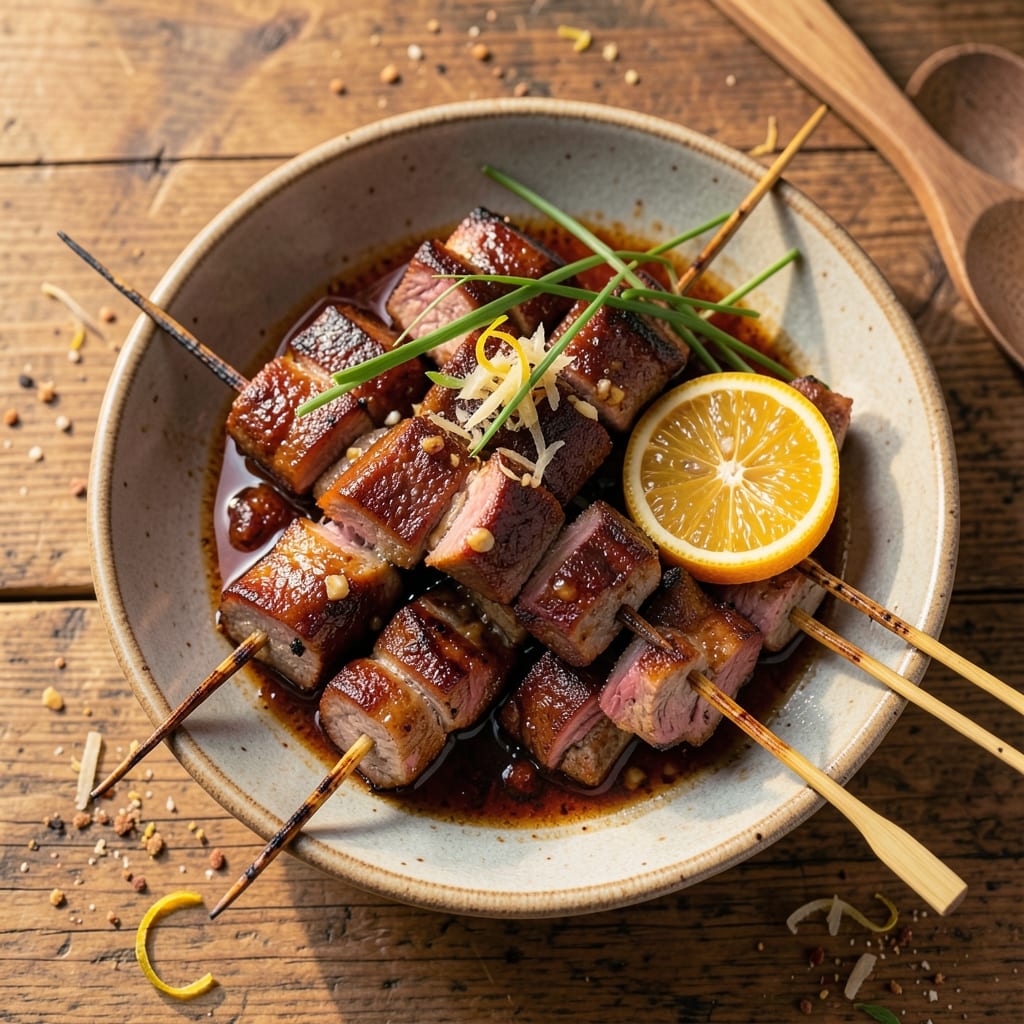
This Filipino pork satay recipe delivers restaurant-quality skewers with crispy edges and a sweet-tangy vinegar glaze that's impossible to resist. After years of perfecting satay techniques—from marinating to charcoal grilling—I've cracked the code for achieving that signature caramelized crust while keeping the pork juicy inside. The secret lies in the marinade's balance of calamansi, vinegar, and lemongrass, which tenderizes the meat while building layers of flavor.
The process starts with thinly sliced pork shoulder, marinated for at least 4 hours (overnight is even better) to let the acids and aromatics work their magic. Traditional Filipino satay uses bamboo skewers, but if you don't have them, soak wooden skewers in water for 30 minutes to prevent burning. Grilling over charcoal creates those coveted crispy edges while keeping the center tender—a technique I've refined through countless backyard cookouts and competitive BBQ events.
What makes this recipe truly special is the sweet vinegar glaze, brushed on just before serving. It adds a glossy sheen and balances the smoky charred flavors with a touch of sweetness that's uniquely Filipino. Serve with a side of peanut sauce, cucumber slices, and steamed jasmine rice for the full experience. The aroma alone will have everyone gathering around your grill, and the first bite delivers that perfect combination of textures and flavors.
This dish isn't just about the cooking—it's about the experience. The sizzle of the skewers on the grill, the way the vinegar glaze bubbles as it hits the heat, and the way the crispy edges give way to tender pork. It's the kind of meal that transforms a simple backyard gathering into a celebration. Let's get cooking—your taste buds will thank you.
Ingredients for filipino pork satay
Pantry staples meet Asian market finds for these unforgettable crispy-edged skewers.
| Ingredient | Amount | Notes |
|---|---|---|
| Pork Shoulder 🥩 | 1 ½ lb | Thinly sliced against grain |
| Bamboo Skewers 🔥 | 16 whole | Or soaked wooden skewers |
| Calamansi Juice 🍋 | ½ cup | Or lime juice in a pinch |
| White Vinegar 💧 | ¼ cup | Distilled preferred |
| Brown Sugar 🍚 | ½ cup | Packed, light brown preferred |
| Fresh Lemongrass 🌿 | 1 stalk | Bruised and cut into 2-inch pieces |
| Fresh Ginger 🌶️ | 2 tbsp | Grated, fresh preferred |
| Garlic Cloves 🧄 | 6 cloves | Minced for marinade |
| Fish Sauce 🍶 | 1 tbsp | Red Boat preferred |
| Olive Oil 🫒 | 2 tbsp | For marinade and grilling |
| Salt 🧂 | 1 tsp | Kosher or sea salt |
| Black Pepper 🌶️ | ½ tsp | Freshly ground |
| Sweet Vinegar Glaze 🍯 | ½ cup | For brushing before serving |
The pork shoulder is non-negotiable here—look for well-marbled cuts at the butcher counter or Costco for the best value. Thinly slicing against the grain ensures tender bites, and I always ask for 1/4-inch thick slices when ordering. For calamansi, your local Asian market will have it fresh, but lime juice works in a bind—just add a pinch of salt to mimic the tartness. Fresh ginger and lemongrass are worth hunting down—they make all the difference. Trader Joe's usually carries them, and if you grab extra, they'll last for weeks in the freezer.
No bamboo skewers? Soak wooden skewers in water for 30 minutes to prevent burning. Fish sauce is essential—Red Boat is the gold standard, but any good-quality brand works. Want to skip it? Soy sauce plus a pinch of sugar gets you close. The sweet vinegar glaze can be made ahead—just mix 1/4 cup brown sugar, 2 tbsp white vinegar, and 1 tsp soy sauce. For extra crispiness, brush the skewers with a little olive oil before grilling. The marinade keeps for 3 days in the fridge, but the pork tastes best when marinated overnight.
Marinated pork stays fresh for 2 days in the fridge, but it's best grilled fresh. If prepping ahead, freeze the marinated pork on a tray first, then transfer to a bag for easy grilling later. The glaze reheats beautifully—simply warm it gently. Leftover skewers? Slice and serve in wraps or toss with rice for a quick meal. The aroma alone will have your whole neighborhood gathering around the grill.
Why You'll Love This Recipe
- Skewers in Minutes: I swear by this trick—soaking the bamboo sticks in water for 20 minutes means no last-minute splinters or burning. The pork shoulder stays juicy even after grilling, and the calamansi-vinegar marinade does all the work while you sip your coffee.
- Tangy-Sweet Magic: Between us, that combo of brown sugar and calamansi juice? It’s the secret weapon. The acidity cuts through the richness of the pork while the caramelized edges make every bite irresistible—like a mini explosion of umami and brightness.
- Party-Ready Flexibility: Grill them for a backyard barbecue or broil them for a weeknight dinner. The leftovers? Perfect for lunchboxes or a quick stir-fry the next day. Honestly, I’ve even turned them into a cold salad with cucumbers and peanuts—zero waste, all flavor.
- Budget-Friendly Crowd-Pleaser: Pork shoulder stretches far, and bamboo skewers are cheaper than you’d think. The marinade costs pennies but packs a punch, and you’ll have enough for seconds (or thirds). My college friends still ask for this recipe—proof it’s a solid, reliable winner.
Step-by-step instructions for Filipino pork satay
Here's how to achieve those signature crispy edges and sweet-tangy glaze every time.
Marinate the Pork with Aromatic Flavors
In a large bowl, combine the 1.5 lb pork shoulder sliced against the grain with the 0.5 cup calamansi juice, 0.25 cup white vinegar, 0.5 cup brown sugar, 2 tbsp fresh ginger (grated), 6 cloves garlic (minced), 1 tbsp fish sauce, 2 tbsp olive oil, 1 tsp salt, and 0.5 tsp black pepper. The calamansi juice will give that signature Filipino tang, while the brown sugar and vinegar create a perfect balance of sweet and sour.
Use your hands to massage the marinade into the pork, ensuring every piece is coated. Add the 1 stalk fresh lemongrass (bruised and cut into 2-inch pieces) to the marinade. Cover the bowl and refrigerate for at least 4 hours, or preferably overnight. This long marinating time is crucial—it tenderizes the pork and infuses it with deep, complex flavors. If you're short on time, marinate for at least 2 hours, but the longer it sits, the better the result.
Skewer the Pork and Prep for Grilling
Soak the 16 whole bamboo skewers in water for 30 minutes if they're not pre-soaked. This prevents them from burning on the grill. Thread the marinated pork onto the skewers, leaving a small gap between each piece to allow the marinade to flow freely. I like to arrange the pork in a single layer on each skewer for even cooking.
Let the skewered pork sit at room temperature for 20-30 minutes before grilling. This ensures even cooking and prevents the meat from drying out. While the pork comes to room temperature, preheat your grill to medium-high heat (about 375°F). If you're using a charcoal grill, wait until the coals are covered with a thin layer of white ash. For gas grills, preheat for 10-15 minutes until the grates are hot. The goal is to create those signature crispy edges, so high heat is essential.
Grill Until Caramelized and Tender
Place the skewered pork on the grill and cook for 8-10 minutes, turning occasionally, until the pork is deep golden brown and slightly charred in spots. You'll know it's ready when the edges are crispy and the meat is tender enough to pull apart easily with a fork. Avoid overcrowding the grill—leave space between skewers for even heat circulation. If the skewers start to burn before the pork is done, move them to a cooler part of the grill.
While the pork grills, keep the 0.5 cup sweet vinegar glaze nearby. This glaze is what makes these satay truly special—it adds a glossy finish and enhances the sweet-tangy flavor. Once the pork is cooked to your liking, brush each skewer generously with the glaze. The glaze will caramelize quickly on the grill, creating a beautiful sheen. Serve immediately while the pork is still sizzling hot and the glaze is glossy.
Rest and Serve with Crispy Perfection
Transfer the grilled pork satay to a serving platter and let it rest for 5 minutes. This resting period allows the juices to redistribute, ensuring each bite is moist and flavorful. The crispy edges will stay intact, and the glaze will set slightly, making it easier to serve without drips.
Serve the pork satay with your favorite dipping sauce, such as a peanut sauce or a spicy chili dip. The combination of crispy pork, sweet-tangy glaze, and rich dipping sauce makes this dish a crowd-pleaser. For an authentic Filipino touch, pair it with steamed jasmine rice and a simple green salad. Enjoy the smoky, caramelized flavors of this homemade satay—it's worth every minute of marinating and grilling!
Pro Tips For Making Filipino Pork Satay
- MARINATE OVERNIGHT: I learned this the hard way—rushing the marinade means the calamansi and vinegar won’t penetrate the pork shoulder properly. At least 8 hours (overnight is ideal) lets the acid and sugar work their magic, breaking down the meat and infusing every bite with that tangy-sweet flavor.
- SOAK BAMBOO SKEWERS: Skip the dry skewers—soak them in water for 30 minutes first. Bamboo absorbs moisture like a sponge, and dry ones will burn before the pork cooks through. Trust me, you don’t want charred sticks ruining your satay.
- USE PORK SHOULDER, NOT LOIN: I was skeptical until I tried it—pork shoulder is the star here. It stays juicy even after grilling, while leaner cuts like loin turn dry and tough. Cut it against the grain for tender bites that practically melt.
- GRILL IN BATCHES: Crowding the skewers? Bad move. Cook them in small batches over medium-high heat to avoid steaming the pork instead of searing it. You want a caramelized crust, not soggy meat—give them space to breathe.
Flavor customization for filipino pork satay
Sweet Heat Twist
For a spicier kick, add 1 tbsp sambal oelek or 2 tbsp finely chopped chili flakes to the marinade. I love using Bird's Eye chilies (fresh or dried) for authentic heat—start with 2-3 chilies and adjust to taste. The vinegar and sugar in the marinade balance the heat beautifully, creating a complex flavor profile. Remember, Filipino cuisine loves bold spices, so don't be shy with the chili! 🌶️
Citrus Zest Boost
Brighten the marinade with 1 tbsp freshly grated lime zest or 1 tbsp orange zest for a refreshing twist. The citrus oils infuse the pork with a vibrant aroma and add a subtle brightness that cuts through the richness. I often use Yuzu zest if I can find it at my local Asian market—it's a game-changer for depth. Add the zest just before marinating to preserve its freshness.
Smoky Charcoal Infusion
Take your satay to the next level by adding 1 tbsp toasted sesame oil to the marinade and finishing with a sprinkle of smoked sea salt before grilling. The nutty, toasty notes complement the pork perfectly. For extra smokiness, grill over binchotan charcoal (traditional Japanese charcoal) if you have access to it—it adds a delicate, aromatic smoke that's hard to replicate with standard charcoal. 🔥
Caramelized Onion Glaze
Swap the sweet vinegar glaze for a caramelized onion glaze by sautéing 1 cup thinly sliced onions in 1 tbsp butter until deep golden brown. Stir in 1 tbsp soy sauce and 1 tsp honey before brushing on the skewers. This adds a rich, sweet depth that pairs wonderfully with the smoky pork. The onions caramelize beautifully on the grill, creating a glossy, sticky finish.
Herbaceous Freshness
Finish your satay with a sprinkle of fresh Thai basil or cilantro just before serving. The bright, herbaceous notes provide a refreshing contrast to the rich, smoky pork. I like to add 1 tbsp chopped cilantro to the marinade as well for an extra layer of flavor. For a more intense aroma, gently bruise the herbs before chopping to release their essential oils. This is a trick I learned from my time in Charleston—herbs make all the difference in balancing bold flavors. ✨
Spiced Peanut Glaze
For a nutty, crunchy variation, brush the skewers with a peanut glaze made from ½ cup smooth peanut butter, 2 tbsp soy sauce, 1 tbsp honey, and 1 tsp sriracha. Warm the mixture gently until smooth, then brush it on the skewers just before serving. The peanut glaze adds a creamy, savory-sweet contrast to the crispy pork. This version is a crowd-pleaser at my farm—everyone reaches for seconds! 🥜
Nutrition facts
Frequently asked questions
Can I use chicken or beef instead of pork for this recipe?
This marinade works beautifully with chicken thighs (bone-in for extra flavor) or beef sirloin. For chicken, slice 1/4-inch thick and marinate for at least 3 hours—it cooks faster than pork. Beef requires 6-8 hours of marinating for maximum tenderness. Adjust grill time: chicken (6-8 minutes) and beef (10-12 minutes) per side.
What if I don't have bamboo skewers?
No problem! Soak wooden skewers in water for 30 minutes first to prevent burning. For extra stability, use metal skewers (great for indoor grilling). Avoid overcrowding—leave 1-inch gaps between pieces so the marinade can caramelize properly. Pro tip: Thread lemongrass stalks onto some skewers for aroma infusion!
How do I make the marinade without calamansi?
Combine 1/4 cup lime juice + 1/4 cup rice vinegar + 1 tsp sugar to mimic calamansi's tangy-sweet balance. For extra depth, add 1 tbsp palm sugar or 1 tsp pandan extract (found in Asian markets). The key is maintaining the acid-to-sugar ratio—this marinade thrives on that contrast!
Can I grill this indoors?
Yes! Use a cast-iron skillet on medium-high heat with 1 tbsp oil to mimic grill marks. Cook 2-3 minutes per side until edges crisp. For smokiness, add 1 tsp smoked paprika to the marinade. Keep a lid on low heat nearby to maintain residual heat while brushing with glaze.
What's the best way to reheat leftover satay?
Reheat in a skillet over medium heat with 1 tbsp water for 2-3 minutes to restore crispiness. Avoid microwaving—it makes edges soggy. For extra flavor, brush with 1 tsp honey + 1 tsp soy sauce before reheating. Store cooked satay in the fridge for up to 3 days or freeze for 1 month (thaw overnight).