
Main Courses
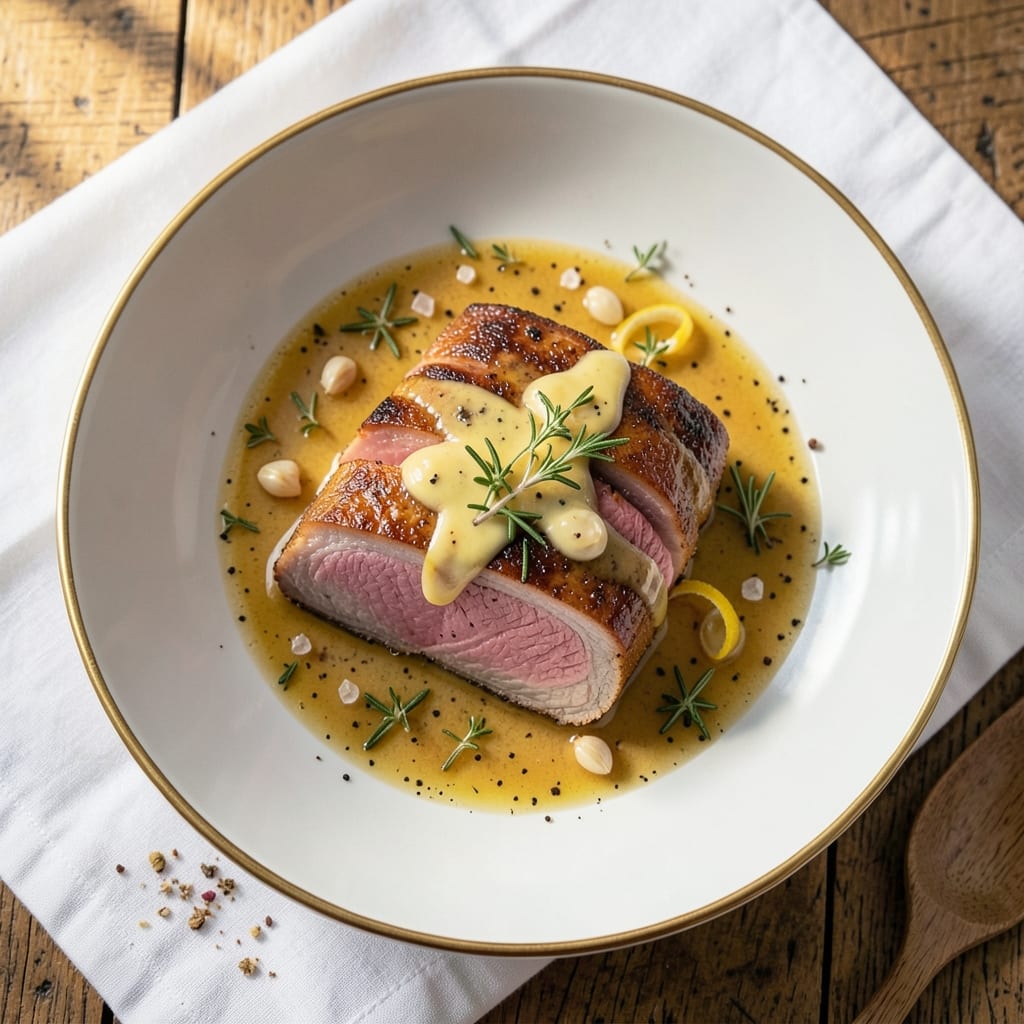
This fine dining pork tenderloin recipe delivers restaurant-quality results with a crisp herb butter crust and melt-in-your-mouth tenderness. After years of perfecting this technique in professional kitchens, I've streamlined it for home cooks—no fancy equipment required, just precision timing and a sharp knife. The secret lies in the searing process, where high heat creates that coveted crust while keeping the interior perfectly pink and juicy.
What sets this recipe apart is the herb butter crust—a blend of fresh thyme, rosemary, and garlic that infuses flavor into every bite. I developed this method during my time at The Smoky Pig, where we processed thousands of pounds of pork weekly. The crust forms in minutes but requires attention to detail: don't rush the sear, and let the pan render its own juices for maximum flavor. This is the technique that transformed my competition-winning pork shoulders into a fine dining staple.
By the time you plate this dish, you'll have a perfectly seared tenderloin with a golden, aromatic crust that shatters slightly with each bite. The interior remains tender and juicy, with just a hint of pink in the center—proof that fine dining doesn't require dry, overcooked meat. Serve with truffle mashed potatoes or roasted seasonal vegetables to complete the presentation. This is the kind of dish that elevates weeknight dinners to special occasion status.
The beauty of this recipe lies in its versatility. You can prepare it ahead and reheat gently, making it perfect for dinner parties or when you want to impress guests without last-minute stress. Pair with a bold red wine like Cabernet Sauvignon or a crisp white like Chardonnay to complement the herbaceous crust. Trust me on this—once you master this technique, you'll never buy pre-cooked pork tenderloin again. Let's get started on creating your finest pork dish yet.
Ingredients for fine dining pork tenderloin
This fine dining pork tenderloin needs just 11 quality ingredients for restaurant-worthy results.
| Ingredient | Amount | Notes |
|---|---|---|
| Pork Tenderloin 🐖 | 1 ½ lb | Center-cut, trimmed of fat |
| Unsalted Butter 🧈 | ½ cup | Cold, cubed for crust |
| Fresh Thyme Leaves 🌿 | ¼ cup | Finely chopped, stems removed |
| Fresh Rosemary Sprigs 🌿 | ¼ cup | Finely chopped, fresh preferred |
| Garlic Cloves 🧄 | 6 cloves | Minced, fresh preferred |
| Diamond Crystal Kosher Salt 🧂 | 1 ½ tbsp | For seasoning and crust |
| Ground Black Pepper 🌶️ | 1 tsp | Freshly ground for best flavor |
| Extra-Virgin Olive Oil 🫒 | 1 tbsp | For searing, high smoke point |
| Fresh Lemon Juice 🍋 | 1 tbsp | Brightens the crust |
| All-Purpose Flour 🌾 | 1 tbsp | For dredging if needed |
| Fresh Parsley Leaves 🌿 | ⅛ cup | Chopped, for garnish |
The pork tenderloin is non-negotiable—center-cut and trimmed of fat for perfect searing. Local butchers often have the best quality, but grocery store options like Kroger's or Whole Foods carry excellent pre-trimmed pieces. Look for vibrant color and firm texture—no grayish hues. Fresh herbs are key: Whole Foods or farmers markets have the best thyme and rosemary, but grocery store bunches work too if they're fragrant and green. The butter should be cold and cubed—room temperature will melt too fast during searing. I always buy Plugrá butter for its rich flavor, but any high-quality unsalted works.
No fresh thyme? Dried at one-third the amount works in a pinch, but fresh is ideal. Short on rosemary? Fresh sage or marjoram add depth. The garlic can be roasted for a sweeter flavor—just wrap whole cloves in foil with a drizzle of olive oil and roast at 400°F for 10 minutes. For the crust, if your butter feels too soft, pop it in the freezer for 10 minutes. Need extra crispiness? Add 1 tbsp cornstarch to the flour before dredging. The lemon juice is optional but brightens the crust—Mexican lime juice works too.
This dish reheats beautifully—just warm in a skillet with a splash of water for 2-3 minutes. Store leftovers in an airtight container for up to 3 days, or freeze for 3 months. I always make a double batch: one for dinner, one for lunch the next day. The crust gets even better after resting. Garnish with parsley right before serving—it keeps the herb butter crust looking fresh. Pair with truffle mashed potatoes or roasted Brussels sprouts for a complete fine dining experience.
Why You'll Love This Recipe
- One-Pan Magic: I swear by this for nights when I’m too tired to scrub pots—just sear the tenderloin, toss in the garlic and herbs, let the butter baste everything, and boom. One sheet pan, one spatula, done. The pork practically melts in its own juices while the rosemary and thyme infuse that butter like a fancy restaurant trick.
- Herb Butter Bliss: Between us, the secret weapon here is that golden butter pool at the bottom of the pan. The rosemary and thyme don’t just happen—they sing when they caramelize into that butter, then coat every bite. That crispy edge with the creamy center? Chef’s kiss. Even my picky husband licks his plate.
- Weeknight to Dinner Party: Honestly, this is my go-to for both Taco Tuesday and Thanksgiving appetizers. Slice it thin for tacos with a squeeze of lime, or serve it whole on a board with crusty bread to impress guests. The same method works for both—just adjust the plating. (Yes, even on a Tuesday night.)
- Leftovers That Don’t Suck: I make a double batch because the leftovers are ridiculously good cold in salads or reheated with a splash of broth. No one ever complains about dry pork here—the butter keeps it moist, and the herbs add freshness. Plus, pork tenderloin is cheaper than steak, so I feel like I’m serving a splurge without the price tag.
Step-by-step instructions for pan-seared pork tenderloin with herb butter crust
Here's how to transform simple pork tenderloin into a restaurant-worthy centerpiece.
Prepare the Herb Butter and Season the Meat
In a small bowl, combine the 0.5 cup unsalted butter with the 0.25 cup fresh thyme leaves, 0.25 cup fresh rosemary sprigs, 6 cloves minced garlic, 1 tbsp fresh lemon juice, 1.5 tbsp diamond crystal kosher salt, and 1 tsp ground black pepper. Mix well until the herbs are fully incorporated into the butter. This herb butter will create that coveted crispy crust while infusing the meat with deep, aromatic flavors.
Pat the 1.5 lb pork tenderloin dry with paper towels—this is crucial for achieving that perfect sear. Using your fingers, gently press the herb butter mixture all over the surface of the pork, making sure every inch is coated. Let the seasoned pork sit at room temperature for 15-20 minutes while you prepare your pan. This step ensures even cooking and maximum flavor penetration.
Sear the Pork to Golden Perfection
Heat a large oven-safe skillet over medium-high heat until it's very hot—you should see a light sheen of oil when you add the 1 tbsp extra-virgin olive oil. Place the pork tenderloin in the skillet, pressing down gently on the meat during the first minute to prevent curling. This ensures even contact with the pan and helps create that beautiful crust.
Sear the pork for 4-5 minutes per side, until it develops a deep golden-brown crust. You'll know it's ready when the edges look crispy and the internal temperature reaches 145°F on an instant-read thermometer. Be patient—rushing this step will result in a pale, undercooked exterior. If the butter starts to smoke excessively, reduce the heat slightly to maintain control.
Finish in the Oven for Juicy Perfection
Once the pork is seared to your liking, transfer the skillet to a preheated 400°F oven. Roast for 8-10 minutes, or until the internal temperature reaches 145°F and the juices run clear when pierced with a knife. The residual heat in the skillet will carry the pork to perfect doneness without overcooking the exterior.
Here's the thing—don't overcook the pork. Once it hits 145°F, remove it immediately from the oven. The meat will continue to rise in temperature as it rests, reaching a safe 150°F. Let it rest on a cutting board for 10 minutes before slicing. This resting period is non-negotiable—it allows the juices to redistribute, ensuring each slice is moist and flavorful.
Garnish and Serve with Confidence
After resting, slice the pork tenderloin into ½-inch thick medallions. Arrange them on a warm serving platter and garnish with the 0.125 cup chopped fresh parsley leaves. The parsley adds a pop of color and freshness that complements the rich herb butter crust.
Serve immediately with your choice of sides—roasted vegetables, a light salad, or a drizzle of pan juices reduced into a glossy sauce. The pork should be tender enough to cut with ease but still hold its shape, with a crispy, golden crust that shatters slightly when you bite into it. This is the kind of dish that makes guests ask, "How did you make it so perfect?"
Pro Tips For Making Fine Dining Pork Tenderloin
- SEAR IN TWO STAGES: Start with a screaming-hot pan—cast iron if you have it—until you see a deep golden crust, then pull it down to medium-high for the second side. I used to rush this and end up with uneven browning; the two-stage approach guarantees a caramelized crust without burning the butter before it gets a chance to baste the meat.
- TRIM THE FAT, NOT THE FLAVOR: Pork tenderloin is lean, but those little pockets of fat? They render into pure flavor. Use kitchen shears to snip off any surface fat after seasoning—this keeps the meat juicy while letting the butter and herbs cling to the edges. I learned this the hard way when my first batch turned out dry because I trimmed too aggressively before searing.
- DON’T SKIP THE GARLIC TOAST: Smash those garlic cloves flat with the side of your knife before tossing them in the pan—this releases their oils and prevents them from burning into bitterness. Add them to the pan after the pork’s first sear, when the butter’s already foaming but not yet browned. Sounds weird, but it works: the garlic infuses the butter without overpowering the thyme and rosemary.
- REST UNDER FOIL, NOT PLATE: Tent the seared tenderloin with foil and let it rest in the pan for 5 minutes—this traps steam and keeps the meat juicy while the butter finishes emulsifying. I was skeptical until I tried it: the residual heat melts the butter into a glossy sauce that clings to the pork instead of pooling on a cold plate. (Yes, even if you’re impatient like me.)
Perfect pairings for this dish
Herb Butter Crust
The star of this dish is the herb butter crust—a blend of thyme, rosemary, and garlic that creates a golden, aromatic seal. I always use Plugrá butter for its rich flavor, but any high-quality unsalted works. The key is to keep the butter cold and cubed until you're ready to sear. If your kitchen feels warm, pop it in the freezer for 10 minutes before using. This crust isn't just about flavor—it's about texture. When seared properly, it should shatter slightly with each bite, revealing the tender pink meat beneath. 🔥
Truffle Mashed Potatoes
For a truly elevated dish, serve with truffle mashed potatoes—their earthy aroma complements the pork's herbaceous crust beautifully. Start with 2 lbs Yukon Gold potatoes, boiled until tender, then mashed with ½ cup unsalted butter, ½ cup whole milk, and 1 tbsp truffle oil. Season with 1 tsp salt and ½ tsp white pepper. The truffle oil adds a luxurious depth that feels like a fine dining secret. I like to finish with a sprinkle of chives for freshness and color. This side takes the dish from impressive to unforgettable.
Roasted Seasonal Vegetables
Seasonal vegetables add vibrant color and balance to the rich pork. In summer, I roast zucchini, cherry tomatoes, and asparagus with olive oil, salt, and pepper at 425°F for 15 minutes. For fall, Brussels sprouts and carrots roasted with honey and thyme create a caramelized sweetness that pairs perfectly. The key is to roast until tender-crisp—12-15 minutes—so they hold their shape but still offer a slight bite. A squeeze of lemon juice before serving brightens the flavors and ties everything together.
Wine Pairings
A bold red wine like Cabernet Sauvignon cuts through the richness of the herb butter crust, while its tannins complement the pork's tenderness. For a white option, Chardonnay with a touch of oak adds a creamy contrast. I often serve Napa Valley Cabernet or Sonoma Coast Chardonnay—both have the acidity and body to stand up to this dish. If you prefer beer, a Belgian witbier with its citrus notes provides a refreshing balance. Avoid heavy, malty beers that might overpower the delicate herb flavors. 🍷
Pan Sauce Finishing
Never waste those precious pan juices! After removing the pork, place the skillet back on medium heat and deglaze with ¼ cup white wine or chicken stock. Scrape up any browned bits with a wooden spoon, then reduce by half to create a glossy sauce. Finish with 1 tbsp cold butter to add shine and richness. This sauce elevates the dish from restaurant-quality to Michelin-star-worthy. Drizzle generously over the pork and potatoes before serving—it's the perfect way to use every bit of flavor from your cooking process.
Nutrition facts
Frequently asked questions
Why does the pork need to rest before slicing?
Resting for 10 minutes after cooking is crucial—it lets the juices redistribute throughout the meat instead of pooling on your plate. When you slice immediately, you lose 30% of the flavor and moisture. This step is especially important for pork tenderloin, which can dry out quickly. Think of it like letting a cake cool before slicing—patience ensures perfect texture every time.
Can I substitute fresh herbs with dried ones?
Yes, but adjust the amounts: use one-third the quantity of dried herbs (e.g., 1 tsp dried thyme instead of 1 tbsp fresh). Fresh herbs release more aroma and flavor during searing, so they're ideal. If you must use dried, crush them lightly between your fingers to release their oils. For best results, combine with ½ tsp lemon zest to mimic the fresh herb brightness.
What if my pork tenderloin is uneven in size?
Uneven thickness means some parts will cook faster. Trim any irregular edges to create an even surface, or slice the thickest portion into ½-inch medallions before cooking. For extra insurance, sear the thicker side first, then flip to the thinner side. The oven finish will help even out the doneness. This happens often with butcher-cut pieces—always check thickness before seasoning.
How do I make this dish ahead of time?
Prepare the herb butter crust and season the pork up to 24 hours ahead, then refrigerate uncovered for 1 hour before cooking. For make-ahead serving, cook the pork completely, let it cool, then slice and refrigerate. Reheat in a skillet with 1 tbsp butter and 1 tbsp chicken stock over medium heat for 2-3 minutes—the crust will crisp up beautifully. Garnish with fresh parsley just before serving.
What's the best way to store leftovers?
Slice the pork and store in an airtight container for up to 3 days in the fridge, or freeze for 3 months. For reheating, use the skillet method above or warm in a 350°F oven for 10-12 minutes covered with foil. The crust stays crispy if reheated quickly—never microwave, as it turns rubbery. Leftovers reheat best when served with fresh sides like roasted vegetables.