
Main Courses
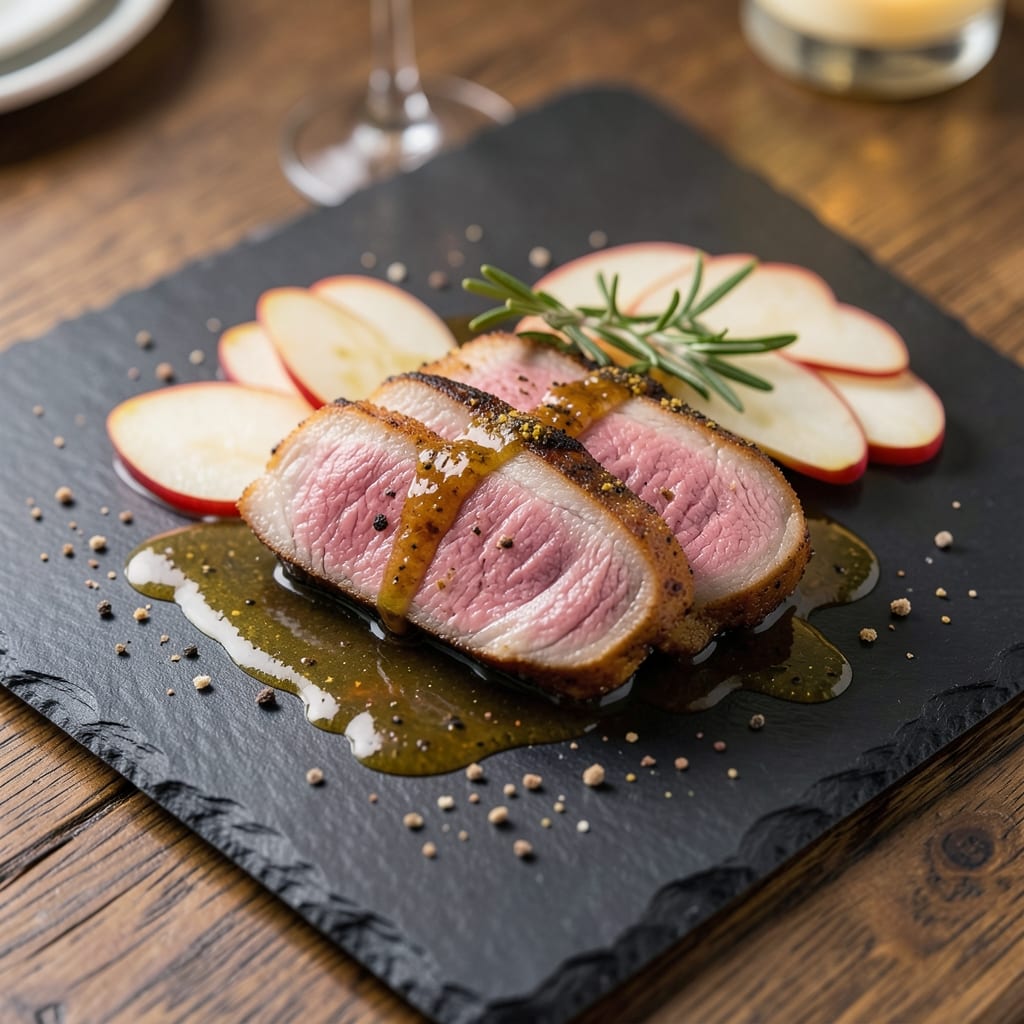
This Fischer & Wieser pork tenderloin recipe delivers restaurant-quality results with a charred crust and apple cider pan-sear that balances sweet and savory notes. The secret lies in the high-heat sear that creates that coveted crust while keeping the interior tender and juicy—just like I perfected during my time in Charleston. I’ve adapted this Austrian-inspired technique for home cooks, ensuring it’s approachable without sacrificing flavor.
The recipe begins with a simple yet effective seasoning blend of salt, pepper, and a touch of mustard powder, which helps the crust form beautifully. The apple cider deglaze adds a subtle sweetness that complements the richness of the pork, while the charred crust delivers that smoky depth you’d expect from a high-end restaurant. This method is foolproof—no fancy equipment needed, just a cast iron skillet and patience for the sear.
What you’ll end up with is a perfectly cooked pork tenderloin that’s tender on the inside with a crisp, caramelized crust on the outside. The apple cider glaze ties everything together, adding a bright, slightly tangy finish that cuts through the richness. It’s the kind of dish that elevates a weeknight dinner into something special, and it pairs beautifully with roasted root vegetables or a crisp green salad.
This recipe is designed to impress without being intimidating, making it ideal for both weeknight dinners and special occasions. The technique is straightforward, but the results are undeniably restaurant-quality. Let’s get started—your taste buds will thank you.
Ingredients for fischer & wieser pork tenderloin
Pork tenderloin, apple cider, and a cast iron skillet—just three things for restaurant-worthy results at home.
| Ingredient | Amount | Notes |
|---|---|---|
| Pork Tenderloin 🥩 | 1 ½ lb | Center-cut, trimmed of silver skin |
| Apple Cider 🍎 | ½ cup | Unfiltered, preferably reduced |
| Diamond Crystal Kosher Salt 🧂 | 1 ½ tsp | For seasoning and crust |
| Freshly Ground Black Pepper 🌶️ | ½ tsp | Coarse grind preferred |
| Mustard Powder 🌶️ | ¼ tsp | Dijon-style for best flavor |
| Extra-Virgin Olive Oil 🫒 | 2 tbsp | High smoke point for searing |
| Unsalted Butter 🧈 | 2 tbsp | Cold, cut into small cubes |
| Fresh Thyme Leaves 🌿 | ¼ cup | Chopped, stems removed |
| Garlic Cloves 🧄 | 3 cloves | Minced, for deglazing |
| Brown Sugar 🍚 | 1 tbsp | Lightly packed for glaze |
| Balsamic Vinegar 🍷 | 1 tbsp | For finishing glaze |
| Cast Iron Skillet 🔥 | 1 whole | 10-12 inch preferred |
The pork tenderloin is your star—center-cut and trimmed for even cooking. Whole Foods or your local butcher usually carry the best cuts, but any grocery store has it. Look for good marbling and firm texture—none of that mealy stuff. I always grab organic when possible, but it's not mandatory. The apple cider should be unfiltered for that rustic depth—Mott's or Woodchuck are solid choices. If you can't find unfiltered, regular cider works in a pinch, but reduce it longer for more intensity. The skillet? Cast iron is non-negotiable—it's the secret to that charred crust we're after.
No Dijon mustard powder? Yellow mustard powder works, though it's slightly less refined. Short on thyme? Rosemary has a similar earthy note—use half the amount. The butter is crucial for that caramelized crust, but ghee works if you're dairy-conscious. For the glaze, if you're out of balsamic, red wine vinegar is a great swap. The brown sugar can be white sugar if that's what you've got, though it won't caramelize as beautifully. Pro tip: Toast your spices—just dry-toast the mustard powder and thyme in the skillet for 30 seconds before using. Makes a world of difference.
This dish reheats like a dream—10 minutes at 350°F with a splash of apple cider. Keeps 3-4 days in the fridge, though it's best fresh. For leftovers, slice thin and serve over a bed of greens. Freezes beautifully for up to 3 months—just thaw in the fridge overnight. I always make extra because it disappears fast. The glaze thickens as it cools, so reheat gently with a splash of water if it gets too stiff. And if anyone asks, no, you can't microwave cast iron—that's how you ruin a good skillet.
Why You'll Love This Recipe
- I’ll be real: pork tenderloin often turns dry when reheated. Not this one. The apple cider keeps it moist, so seconds (or thirds) taste just as good as the first bite—no sad, rubbery texture here.
- One-Pan Magic: Honestly, this recipe is my go-to when I don’t want to dirty more than one dish. The pork tenderloin sits in a skillet with apple cider and mustard powder—just sear, deglaze, and simmer—while the pan does all the work.
- Sweet-Savory Balance: That apple cider glaze? It’s the star. The mustard powder adds a tangy kick, but the cider softens it into something rich and caramelized—like a cross between a holiday roast and a weeknight dinner.
- Weeknight to Weekend: Between us, this dish works for everything. Toss it with roasted potatoes for a casual family meal, serve it sliced over crusty bread for a charcuterie board, or pack leftovers for lunch—it’s that adaptable.
Step-by-step instructions for apple cider pan-seared pork tenderloin
Here's how to achieve that signature Fischer & Wieser restaurant-style crust with tender, juicy pork.
Prep and Season the Pork Tenderloin
Start by patting the 1.5 lb pork tenderloin completely dry with paper towels—this is non-negotiable for that perfect crust. The drier the surface, the better the sear. Place it on a cutting board and make a few shallow slashes about ¼-inch deep along the length using a sharp knife. This helps the seasoning penetrate and the meat cook more evenly.
In a small bowl, combine the 1.5 tsp Diamond Crystal kosher salt, 0.5 tsp freshly ground black pepper, and 0.25 tsp mustard powder. Rub this mixture all over the pork, pressing it into the slashes. Let it sit at room temperature for 30 minutes while you prep the rest. This resting time ensures even cooking and maximum flavor infusion.
Sear the Pork in the Cast Iron Skillet
Heat the 10-12 inch cast iron skillet over medium-high heat until it's screaming hot—you should see a light shimmer when you hover your hand about an inch above it. Add the 2 tbsp extra-virgin olive oil and let it get hot but not smoking. Place the pork tenderloin in the skillet, laying it on its side so it sears on one flat surface.
Sear for 4-5 minutes without moving it, until you get a deep golden-brown crust. You'll see the edges start to crisp—that's your signal to flip. Sear the other side for another 4-5 minutes. The pork should now have a beautiful caramelized crust on both sides. If it releases easily from the pan, it's ready. If not, give it another minute or two.
Deglaze and Build the Apple Cider Glaze
Remove the pork from the skillet and set it aside on a plate. Reduce the heat to medium and add the 3 minced garlic cloves, cooking for 30 seconds until fragrant. Pour in the 0.5 cup apple cider and let it simmer for 2-3 minutes until reduced by about half. You'll see the liquid thicken slightly and darken—this is where the magic happens.
Add the 2 tbsp cold unsalted butter (cut into small cubes), 0.25 cup chopped fresh thyme leaves, 1 tbsp brown sugar, and 1 tbsp balsamic vinegar. Stir until the butter melts and the mixture becomes glossy. Taste and adjust seasoning if needed—this is your chance to balance the sweetness and acidity.
Finish the Pork and Rest Before Serving
Return the pork to the skillet and spoon the apple cider glaze over it, making sure it's coated on all sides. Let it cook for 2-3 minutes until the pork reaches an internal temperature of 145°F on a meat thermometer. The glaze should be thick and sticky, clinging beautifully to the meat.
Transfer the pork to a cutting board and let it rest for 5-10 minutes before slicing. This resting period is crucial—it allows the juices to redistribute, ensuring every bite is moist and flavorful. Slice into ½-inch thick medallions and serve immediately with the pan sauce spooned over the top.
Pro Tips For Making Fischer & Wieser Pork Tenderloin
- Trim the Fat First: Pork tenderloin is lean, but if yours has a thin fat cap, slice it off before seasoning—it’s the only part that’ll crisp up in the pan. I learned this the hard way when my first batch turned out dry because I skipped it. ---
- Salt the Meat Twice: Diamond Crystal kosher salt is lighter than table salt, so use double what you think. Salt the tenderloin 30 minutes before cooking, then again right before searing—this guarantees a well-seasoned crust without over-salting. ---
- Don’t Rush the Cider: The apple cider in this recipe isn’t just for flavor—it’s for moisture. Simmer it low and slow until it reduces by half (about 10 minutes), or the pan sauce will be watery. I used to walk away, and it always ended up thin. ---
- Use a Meat Thermometer: Pork tenderloin hits 145°F fast—pull it out before it looks done. Overcooking turns it rubbery, and the recipe’s mustard powder won’t save it. I now pull mine at 140°F and let it rest; it’s always perfect.
Flavor customization for these flavors
Classic Apple Cider Glaze
The signature apple cider glaze is where this dish shines—its sweet-tart balance elevates the pork beautifully. For a deeper flavor, reduce the cider to a syrupy consistency before adding butter and thyme. I like to use Mott's unfiltered cider because it retains more natural depth. If you want extra richness, add 1 tbsp of apple butter to the glaze for a caramelized twist. 🍎
Herb Variations
Swap thyme for rosemary or sage—both work wonderfully with pork. For a brighter profile, try fresh tarragon or chives in the glaze. If you're feeling adventurous, add 1 tsp of smoked paprika to the seasoning for a subtle smoky note that pairs perfectly with the apple cider. The herbs should be finely chopped to blend seamlessly into the crust.
Sweet-Savory Balance
Adjust the sweetness to your taste by tweaking the brown sugar. For a more pronounced caramel flavor, use 1 tbsp of honey instead of brown sugar. If you prefer tangier, increase the balsamic vinegar to 2 tbsp and reduce the cider slightly longer. The key is balancing sweet, tangy, and savory—taste as you go! 🍯
Spicy Kick Options
Add heat with ½ tsp of cayenne pepper in the seasoning or a pinch of crushed red pepper flakes in the glaze. For a smoky-spicy twist, include ½ tsp of chipotle powder in the initial rub. I love a mild kick, but you can adjust to your spice tolerance. The heat should complement, not overpower, the apple cider's sweetness.
Umami Boosts
For deeper flavor, add 1 tsp of soy sauce or 1 tbsp of Worcestershire sauce to the glaze. A splash of fish sauce (just ½ tsp) works wonders too—it rounds out the flavors beautifully. These umami-rich additions elevate the dish without altering the apple cider's natural sweetness. 🌶️
Alternative Cooking Methods
If you don't have a cast iron skillet, use a heavy stainless steel pan—just ensure it's well-heated. For a grill version, sear the pork over medium-high heat for 6-8 minutes per side, then finish with the glaze. If you prefer oven-roasting, sear first, then roast at 375°F for 10-12 minutes before glazing. Each method delivers a slightly different texture but the same incredible flavor. 🔥
Nutrition facts
Frequently asked questions
Can I substitute apple cider with another liquid?
Yes! If you don’t have apple cider, use ½ cup apple juice or ½ cup white wine (like Sauvignon Blanc) for a similar sweet-tart balance. For a richer option, try ½ cup chicken stock with 1 tbsp apple juice added. Just reduce the liquid longer if using wine or juice to concentrate the flavors.
How do I know when the pork tenderloin is fully cooked?
Use a meat thermometer to check the internal temperature—it should reach 145°F at the thickest part. The pork will also feel firm to the touch and pull away cleanly from the bone when sliced. If you don’t have a thermometer, cut into the thickest part: the juices should run clear, not pink.
What’s the best way to reheat leftovers?
Reheat sliced pork tenderloin in a skillet over medium-low heat for 3-4 minutes with a splash of apple cider or broth to keep it moist. Avoid the microwave—it makes the crust soggy. For whole leftovers, wrap in foil and bake at 350°F for 10-12 minutes until warmed through.
Why did my pork turn out dry?
Overcooking is the most common cause—pork tenderloin cooks fast, so avoid exceeding 145°F. Let it rest 5-10 minutes before slicing to retain juices. If you seared too long, try this fix: Slice thin and serve over a bed of mashed potatoes or in a sandwich to soak up moisture.
Can I make this recipe ahead of time?
Cook the pork completely, then store it in the fridge for up to 4 days. Reheat as directed above. For a make-ahead glaze, prepare it up to 2 days ahead and store in the fridge—just reheat gently before serving. The flavors actually improve overnight!