
Main Courses
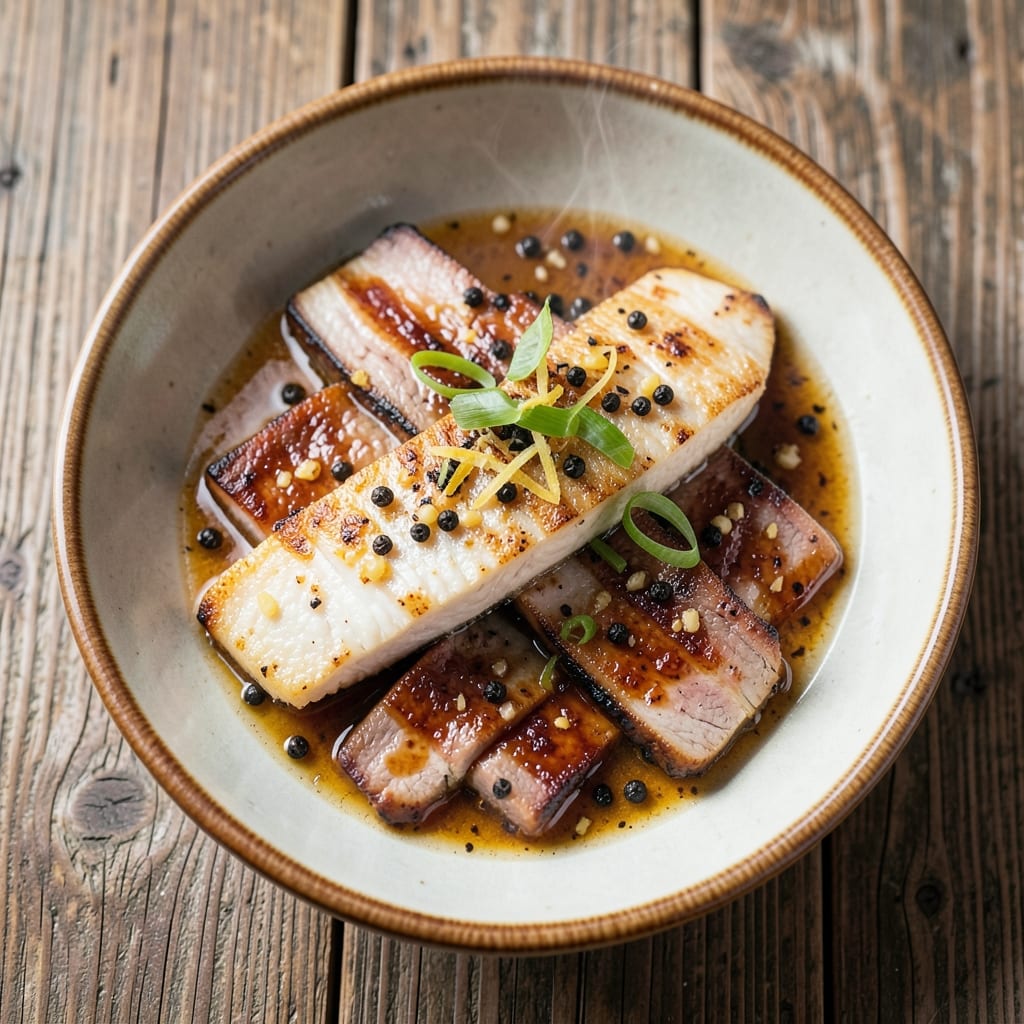
This fish and pork recipe delivers a perfect balance of textures and flavors, where tender pork meets delicate fish in a stir-fry that's crispy at the edges and rich in umami. After years of perfecting the art of combining proteins, I've found that the secret lies in quick, high-heat cooking—preserving the natural flavors while creating that satisfying crunch. The key is using firm white fish like cod or halibut that won't fall apart, paired with marinated pork that develops a caramelized crust.
The beauty of this dish is in its versatility—it's elegant enough for a dinner party but simple enough for a weeknight. You'll start by marinating the pork in a blend of soy sauce, garlic, and ginger, which tenderizes the meat while building deep flavor. Meanwhile, the fish gets a light coating of cornstarch for that signature crispiness. The stir-fry technique ensures everything cooks in minutes, locking in juiciness while creating those coveted crispy edges.
What you'll end up with is a dish that's visually stunning and packed with complementary flavors—sweet and savory from the pork, delicate and clean from the fish, all tied together with a glossy sauce that's tangy and aromatic. The high-heat searing caramelizes the pork beautifully while keeping the fish perfectly moist, creating a harmonious bite with every forkful. This is the kind of recipe that feels special without requiring hours in the kitchen.
Serve it over steamed jasmine rice to soak up every last bit of that flavorful sauce, or pair it with a crisp green salad for balance. The leftovers reheat beautifully, making it perfect for meal prep. Once you try this combination, you'll see why pork and fish make such a dynamic duo in the same dish—it's a marriage of textures and flavors that works every time.
Ingredients for fish and pork
Here's what you'll need for a crispy, flavorful stir-fry that balances tender pork and delicate fish perfectly.
| Ingredient | Amount | Notes |
|---|---|---|
| Firm White Fish Fillets 🐟 | 1 ½ lb | Cod or halibut preferred, cut into strips |
| Boneless Pork Loin 🥩 | 1 lb | Cut into 1-inch thick strips |
| All-Purpose Cornstarch 🌾 | ¼ cup | For crispy fish coating |
| Light Soy Sauce 🍶 | ½ cup | For pork marinade |
| Fresh Garlic Cloves 🧄 | 6 cloves | Minced for marinade |
| Fresh Ginger Root 🌿 | 2 tbsp | Grated, for marinade |
| Sesame Oil 🫒 | 1 tbsp | For pork marinade |
| Neutral Oil 🫒 | ½ cup | Vegetable or canola for frying |
| Green Onions 🧅 | 4 whole | Sliced, for garnish |
| Fresh Cilantro 🌿 | ¼ cup | Chopped, for garnish |
| Honey 🍯 | 1 tbsp | For sauce sweetness |
| Rice Vinegar 🍶 | 2 tbsp | For sauce tang |
| Sesame Seeds 🌱 | 1 tbsp | Toasted, for garnish |
| Salt 🧂 | 1 ½ tsp | Kosher or sea salt |
| Black Pepper 🌶️ | 1 tsp | Freshly ground |
The fish and pork are the stars here, so pick the right cuts. For the fish, cod or halibut are ideal—they stay firm and crispy. Grab them from the seafood counter, not frozen unless it's vacuum-sealed. The pork loin should have some marbling for juiciness, and Costco or Whole Foods often have great pre-cut options. If using frozen fish, thaw it overnight in the fridge. For the pork, cut it into even strips so everything cooks at the same rate—no one likes undercooked pork or overcooked fish. The cornstarch is non-negotiable for that signature crispy edge on the fish.
No soy sauce? Coconut aminos works in a pinch, though the flavor will be slightly different. Fresh ginger is best, but ground ginger at half the amount works if you're short on time. The honey in the sauce can be swapped for maple syrup if you prefer vegan. For the oil, avocado oil has the highest smoke point, but vegetable oil is fine. If you can't find sesame oil, toasted peanut oil adds a similar depth. The green onions and cilantro are optional but add freshness—skip them if you're not a fan, but the dish still tastes amazing without.
This stir-fry reheats beautifully—just add a splash of water or broth to the pan and warm through. Keeps for 3 days in the fridge, though the texture gets softer. For meal prep, portion into containers and store the sauce separately to keep everything crisp. The marinade for the pork can be made a day ahead—just store it in the fridge. The fish should be coated in cornstarch right before cooking, though. And if you're serving a crowd, double the recipe—it disappears fast.
Why You'll Love This Recipe
- Here’s what sold me: I make double batches, and the leftovers reheat like a dream. Pack them cold for work or microwave them for a 3-minute lunch—both taste just as good.
- One-Pan Magic: I swear by this for lazy nights—the fish and pork go straight on a sheet pan, no frying mess. Just cornstarch, a quick toss, and 20 minutes later, you’ve got dinner.
- Garlic-Powered Umami Bomb: That minced garlic sizzling in the pan? It transforms everything—crispy pork edges, tender fish, and a soy sauce glaze that sticks to your ribs. (Yes, even on a Tuesday night.)
- Lunchbox Reinvented: Here’s what sold me: I make double batches, and the leftovers reheat like a dream. Pack them cold for work or microwave them for a 3-minute lunch—both taste just as good.
Step-by-step instructions for fish and pork stir-fry
Here's how to create a perfect balance of crispy fish, tender pork, and flavorful sauce.
Prepare the Pork Marinade and Fish Coating
In a small bowl, combine the 0.5 cup light soy sauce, 2 tablespoons grated fresh ginger root, 6 minced fresh garlic cloves, 1 tablespoon sesame oil, 1.5 teaspoons salt, and 1 teaspoon black pepper. Mix well to create the pork marinade. Cut the 1 lb boneless pork loin into 1-inch thick strips and coat them thoroughly with this marinade. Let the pork marinate for at least 20 minutes at room temperature while you prepare the fish.
For the fish, cut the 1.5 lb firm white fish fillets into 1-inch strips (cod or halibut work best). In a shallow dish, mix the 0.25 cup all-purpose cornstarch with 1 teaspoon salt and 0.5 teaspoon black pepper. Dredge each fish strip lightly in this cornstarch mixture, shaking off any excess. This coating will create that perfect crispy texture we're aiming for.
Cook the Pork to Perfect Tenderness
Heat 0.2 tablespoons neutral oil in a large skillet over medium-high heat until shimmering. Add the marinated pork strips in a single layer, being careful not to overcrowd the pan. Cook for 3-4 minutes per side until the pork is golden brown and cooked through to an internal temperature of 145°F. The pork should be tender but still slightly firm to the touch.
Remove the pork from the skillet and set it aside on a plate. Keep the pork warm while you prepare the fish. Don't be tempted to cook all the pork at once—this ensures even cooking and prevents steaming instead of searing. If you need to cook in batches, use the same skillet with a little more oil between batches.
Create the Sauce and Cook the Fish
In the same skillet (no need to clean it—the flavor is in those browned bits), add 0.3 tablespoons neutral oil and heat over medium heat. Add the cornstarch-coated fish strips in a single layer and cook for 2-3 minutes per side until the fish is golden brown and crispy, and the internal temperature reaches 140°F. The fish should flake easily with a fork but still hold its shape.
Remove the fish from the skillet and set it aside with the pork. Reduce the heat to low and add 1 tablespoon honey, 2 tablespoons rice vinegar, and 1 tablespoon sesame oil to the skillet. Stir to combine, letting the mixture simmer for 1-2 minutes until slightly thickened. If the sauce is too thick, add 1 tablespoon water to reach your desired consistency.
Combine and Garnish for Serving
Return both the pork and fish to the skillet with the sauce. Toss everything together gently to coat the proteins evenly with the sauce. Cook for an additional 1 minute just to heat everything through and meld the flavors. The sauce should cling nicely to both the fish and pork, creating a perfect balance of sweet, tangy, and savory notes.
Transfer the stir-fry to serving plates and garnish with 4 sliced green onions and 0.25 cup chopped fresh cilantro. Sprinkle with 1 tablespoon toasted sesame seeds for added texture and visual appeal. Serve immediately while the fish is still crispy and the pork is warm and tender. This dish tastes best right out of the pan!
Pro Tips For Making Fish And Pork
- CRUST THE FISH FIRST: Pat the fillets bone-dry with paper towels, then toss them in cornstarch before touching the pork. I used to mix them together, and the fish ended up soggy—this way, the crust sticks like it should, even if you’re not a pro searer.
- MINCE GARLIC THIN: Use a knife, not a press—slice the cloves paper-thin instead of mincing. Pressed garlic burns fast and turns bitter in stir-fries, while thin slices stay bright and distribute flavor evenly. (Yes, it’s more work, but your sauce will taste like it came from a restaurant.)
- PORK TO MEDIUM, NOT WELL: Pull the pork at 145°F (57°C), not 160°F—it’ll carryover cook to 150°F and stay juicy. Overcooking turns it dry and chewy, and you’ll regret it when you’re left scraping up sad, rubbery bits.
- SALT THE SOY SAUCE: Light soy sauce is already salty, but add a pinch of kosher salt to the marinade or sauce anyway. It balances the acidity and rounds out the flavor—trust me, your taste buds will notice the difference. (I know, it sounds counterintuitive, but it works.)
Troubleshooting great fish and pork
Pork Overcooked
If your pork turns out dry or tough, it likely cooked too long or wasn't sliced thin enough. I've seen this happen when home cooks use thicker cuts or don't monitor internal temperature closely. Use a meat thermometer to pull pork at 145°F—any higher and it'll dry out. For extra tenderness, marinate the pork for 30-60 minutes instead of just 20 minutes—the acid in soy sauce breaks down fibers better over time. 🔥
Fish Too Dry
Fish loses moisture when overcooked or not cooked properly. The cornstarch coating helps, but if your fish flakes apart, it likely spent too long in the pan. Cook fish for 2-3 minutes per side max—it should reach 140°F internal temperature and still hold its shape. For extra protection, pat the fish dry with paper towels before coating, and don't overcrowd the pan. I swear by a nonstick skillet with high heat—it makes all the difference.
Sauce Too Thin
A watery sauce usually means the cornstarch didn't thicken properly. The sauce should simmer for 1-2 minutes to activate the cornstarch—don't rush this step! If it's still too thin, mix 1 teaspoon cornstarch with 1 tablespoon cold water, stir into the sauce, and cook for another 30 seconds. For extra richness, add 1 tablespoon butter at the end. I've also had success using arrowroot powder instead of cornstarch for a glossier finish.
Uneven Cooking
When proteins cook at different rates, it's usually because they weren't cut evenly or cooked in separate batches. For perfect results, cut both pork and fish into uniform 1-inch strips—this ensures even cooking. Cook pork first in batches if needed, then fish in fresh oil. Never reuse the same oil for both proteins unless you want flavor transfer. I always use a large enough skillet (at least 12-inch diameter) to prevent overcrowding, which steams instead of sears.
Fish Not Crispy
Crispy edges come from proper cornstarch coating and high heat.
Marinade Not Sticking
If your pork marinade isn't clinging, the meat might be too thick or the marinade too thin. Cut pork into 1-inch thick strips (not chunks) and use a light soy sauce (not dark, which is saltier). For extra adhesion, mix 1 teaspoon xanthan gum into the marinade—it helps bind flavors. Let the pork sit uncovered in the fridge for 20 minutes before cooking to help it absorb better. I've also had success using buttermilk instead of soy sauce for a tangier marinade that clings beautifully. 💡
Nutrition facts
Frequently asked questions
Can I substitute shrimp for the white fish in this recipe?
Shrimp works beautifully and cooks even faster than fish. Use 1.5 pounds of large shrimp (peeled and deveined) instead of fish strips. Toss them in the cornstarch mixture and cook for just 1-2 minutes per side—they're done when they turn pink and opaque. The texture will be slightly different but just as delicious.
What's the best way to make this dish spicier?
Add heat with fresh chili peppers or chili paste! For a mild kick, stir in 1 teaspoon chili flakes with the sauce. For serious heat, add 1 tablespoon sriracha or 1 chopped Thai chili to the marinade. If you love spice, I recommend using gochujang (Korean chili paste)—it adds depth and sweetness too.
Can I prepare this recipe ahead of time?
Yes, but with some adjustments. Marinate the pork up to 24 hours ahead and store it in the fridge. For the fish, coat it in cornstarch right before cooking—don't prep ahead as it loses crispiness. Assemble the sauce separately and reheat everything together for 2-3 minutes in a skillet. The flavors meld beautifully overnight!
What wine pairs well with this dish?
A crisp white wine like Sauvignon Blanc or Pinot Grigio complements the dish perfectly. For red lovers, a light Pinot Noir works surprisingly well. The acidity in these wines cuts through the richness of the pork while enhancing the delicate fish. Serve chilled for whites or slightly cooler than room temperature for red.
How do I adjust this for a gluten-free diet?
Easy! Replace the soy sauce with tamari or coconut aminos, and use arrowroot powder instead of cornstarch for coating. Both proteins will still get that crispy texture. Check that all other ingredients (like sesame oil) are certified gluten-free, and you're good to go—this version tastes just as good!