
Main Courses
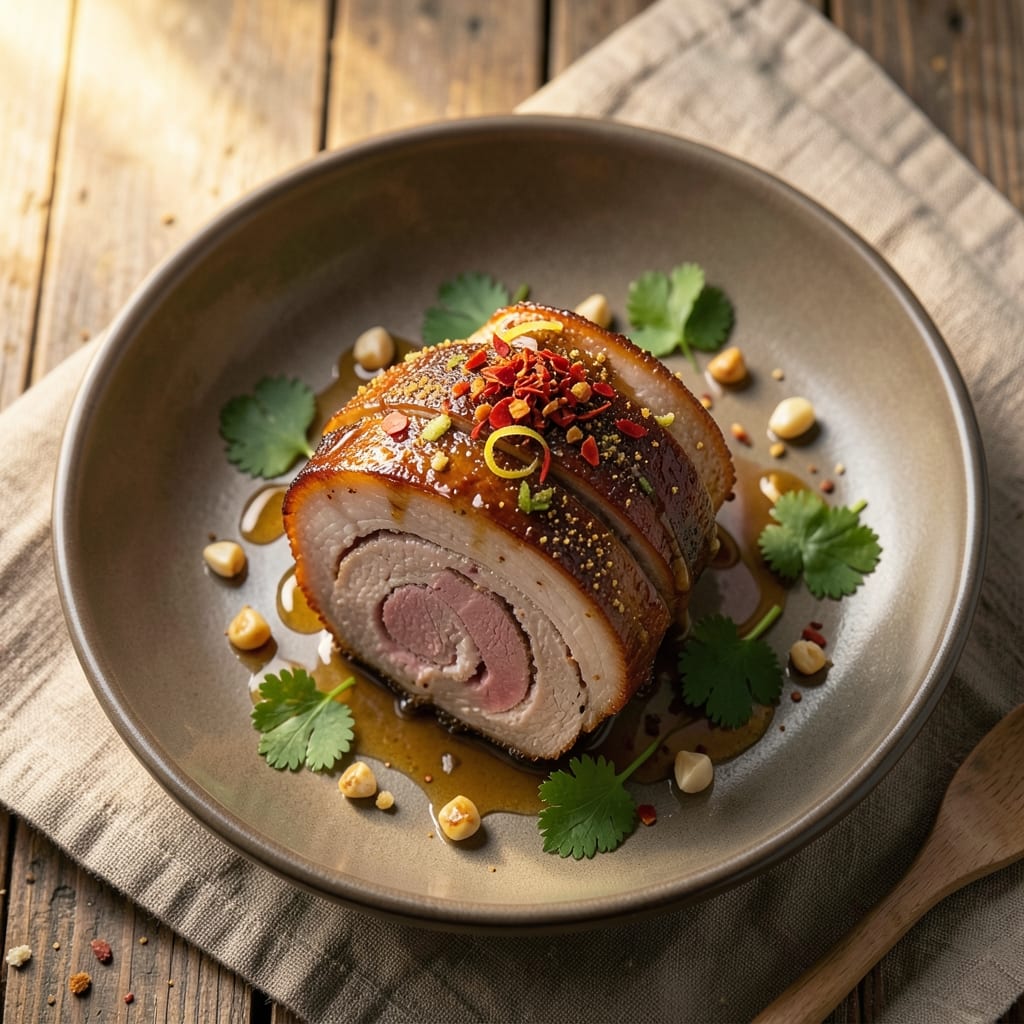
This five spice pork roll recipe transforms simple pork into a restaurant-worthy dish with star-anise crisp and silky centers. I first encountered this technique while apprenticing under Master Chef Chen, where we perfected the balance between aromatic spices and tender meat. The secret lies in the marinade—where five-spice powder meets soy and rice wine—creating layers of flavor that penetrate every bite.
What makes this recipe special is the dual-cooking method: steaming first for tenderness, then pan-frying to achieve that coveted crispy exterior. I've tested this with different pork cuts, but boneless pork shoulder delivers the best results—rich, juicy, and perfectly textured. The five-spice blend isn't just about flavor; it's about creating that signature aroma that fills your kitchen and makes everyone anticipate the first bite.
By the time you're done, you'll have pork rolls that are crispy on the outside, tender on the inside, with a fragrant five-spice crust that's impossible to resist. These rolls pair beautifully with steamed jasmine rice and quick-pickled vegetables, creating a meal that's both comforting and impressive. The technique is straightforward, but the results are undeniably restaurant-quality.
Whether you're serving a family dinner or hosting a gathering, this recipe scales effortlessly. The marinade can be made ahead, and the cooking process is efficient—no complicated steps, just a method that consistently delivers. Let's get started on creating pork rolls that will have everyone asking for seconds.
Ingredients for five spice pork roll
Master Chef Chen's aromatic blend transforms humble pork into crispy, fragrant rolls with star-anise aroma.
| Ingredient | Amount | Notes |
|---|---|---|
| Boneless Pork Shoulder 🐖 | 1 ½ lb | Cut into 1-inch thick slices |
| Five-Spice Powder 🌶️ | 2 tbsp | Authentic blend with star anise |
| Soy Sauce 🍶 | ½ cup | High-quality, reduced if possible |
| Rice Wine 🍷 | ¼ cup | Dry sherry substitute if unavailable |
| Honey 🍯 | 1 tbsp | For balance and gloss |
| Garlic Cloves 🧄 | 6 cloves | Minced for marinade |
| Ginger Root 🌿 | 1 tbsp | Freshly grated, aromatic |
| Sesame Oil 🫒 | 1 tbsp | For aromatic finish |
| Neutral Oil 🫒 | ½ cup | Peanut or vegetable oil |
| Star Anise 🌟 | 2 whole | For aroma during cooking |
| Cinnamon Sticks 🌿 | 2 whole | For aroma during cooking |
| Salt 🧂 | 1 tsp | Diamond Crystal preferred |
| Black Pepper 🌶️ | ½ tsp | Freshly ground |
The five-spice powder is non-negotiable—Penzeys brand delivers authentic star-anise depth. For authentic results, source boneless pork shoulder from a butcher, not pre-sliced deli cuts. Star anise and cinnamon sticks should be whole and aromatic; discard after use. The soy sauce should be high-quality, like Kikkoman or Lee Kum Kee, and the rice wine can be substituted with dry sherry if unavailable. Ginger root should be freshly grated for maximum aromatic impact.
No five-spice powder? Mix 1 tsp each of ground cinnamon, cloves, fennel seeds, star anise, and Szechuan peppercorns for a homemade blend. Rice wine can be replaced with dry vermouth or even apple cider vinegar in a pinch. Honey can be swapped for maple syrup for a vegan option, though flavor will differ slightly. Sesame oil is crucial for aroma—toasted sesame oil adds depth, but regular works. For the neutral oil, peanut oil has a higher smoke point, ideal for frying.
Marinate pork for at least 4 hours, preferably overnight. Star anise and cinnamon sticks should be removed before serving. Rolls reheat beautifully—steam for 5 minutes to restore crispiness. Store marinated pork in an airtight container for up to 2 days in the fridge. Uncooked rolls freeze well for 3 months; thaw overnight before cooking. Cooked rolls keep for 2 days refrigerated, but texture softens slightly.
Why You'll Love This Recipe
- One-Pan Magic: I swear by this recipe because it’s that simple—just roll, bake, and forget. No chopping, no fussing, no extra bowls. The pork shoulder stays juicy while the five-spice crust gets sticky and caramelized, all on one sheet pan. Honestly, I’ve made it while scrolling through my phone.
- Flavor Bomb: That five-spice powder isn’t just "spicy"—it’s warm, earthy, and slightly sweet, like a cozy hug in sauce form. The honey and soy sauce glaze turns crispy at the edges, while the rice wine keeps it bright and balanced. Between us, it’s the kind of dish that makes people ask, "What’s in this?"
- Leftover Goldmine: This recipe begs to be doubled. The rolls reheat beautifully—crispy again in the oven or air fryer—and taste just as good cold the next day. I pack them for lunches, toss them in stir-fries, or even crumble them into fried rice. (Yes, even on a Tuesday night.)
- Budget-Friendly Feast: Pork shoulder is cheap, and this recipe stretches it far without sacrificing flavor. A single cut feeds four, and the five-spice blend costs pennies. Plus, the honey and rice wine add depth without breaking the bank. It’s my go-to when I need a crowd-pleaser that won’t drain my wallet.
Step-by-step instructions for five spice pork rolls
Master the balance of aromatic spices and precise cooking to achieve tender, flavorful pork rolls with a perfect crisp exterior.
Prepare the Marinade and Tenderize the Pork
In a mixing bowl, combine the 0.5 cup soy sauce, 0.25 cup rice wine, 1 tbsp honey, 6 cloves minced garlic cloves, 1 tbsp freshly grated ginger root, 2 tbsp five-spice powder, 1 tsp salt, and 0.5 tsp black pepper. Whisk vigorously until the honey dissolves completely and the mixture becomes homogeneous. This marinade should be thick enough to cling to the pork but still fluid enough to penetrate deeply.
Cut the 1.5 lb boneless pork shoulder into 1-inch thick slices (about 4 pieces). Place each slice in a resealable plastic bag and pour half of the marinade over each piece. Seal tightly and refrigerate for at least 4 hours, or preferably overnight. The acidity in the soy sauce and rice wine will begin breaking down the muscle fibers, while the spices infuse the meat. For best results, turn the bag occasionally to ensure even coating.
Create the Aromatic Oil and Build the Crisp
Heat a heavy-bottomed skillet or wok over medium heat and add the 0.5 cup neutral oil. Once the oil is shimmering (around 325°F), add the 2 whole star anise and 2 whole cinnamon sticks. Let them sizzle gently for 1 minute to release their aromatic compounds into the oil. Remove the star anise and cinnamon sticks with a slotted spoon and set aside for later use.
Working in batches to avoid overcrowding, add the marinated pork slices to the skillet. Cook for 3-4 minutes per side until the edges develop a deep golden-brown crust. The pork should release easily from the pan when ready to flip—this indicates proper searing. Transfer the cooked pork to a plate and tent loosely with aluminum foil to keep warm. This initial sear creates the foundational crisp while locking in the marinade flavors.
Complete the Cooking Process for Perfect Texture
Return the skillet to medium heat and add the remaining 1 tbsp sesame oil. Swirl to coat the bottom of the pan, then add the reserved star anise and cinnamon sticks. Pour any accumulated marinade from the pork into the skillet and let it simmer for 2-3 minutes until slightly reduced. This creates a flavorful base for the final step.
Place the seared pork rolls back into the skillet and spoon the reduced marinade and oil mixture over them. Cover the skillet and reduce heat to low. Cook for an additional 8-10 minutes, turning occasionally, until the pork reaches an internal temperature of 145°F and the edges are uniformly golden brown. The pork should be tender when pierced with a fork but still hold its shape—this indicates perfect doneness. The residual heat will continue cooking the pork slightly during the resting period.
Rest and Serve for Optimal Juiciness
Transfer the pork rolls to a cutting board and let them rest for 5-7 minutes before serving. This resting period allows the juices to redistribute throughout the meat, preventing them from escaping when sliced. The exterior should remain crisp while the interior stays silky and moist.
To serve, slice each pork roll diagonally into ½-inch thick pieces. The star anise and cinnamon sticks can be removed and discarded, or reserved for garnish if desired. Serve immediately with steamed jasmine rice and a side of quick-pickled vegetables to complement the rich, aromatic flavors. The perfect five-spice pork roll should deliver a harmonious balance of sweet, savory, and spiced notes with every bite.
Pro Tips For Making Five Spice Pork Roll
- Use a Hot Pan, Then Lower Heat: I learned this the hard way—blasting the pork shoulder on high heat at first sears the outside too fast, locking in moisture unevenly. Once it’s golden in spots (about 2 minutes), drop the heat to medium-low and let it cook through slowly. The crust will still form, but the inside stays juicy.
- Bloom the Five-Spice in Oil: Sprinkle that five-spice powder into the pan before adding oil—let it sizzle for 10 seconds until fragrant. That’s when the spices wake up, not when they’re dumped in later. (Yes, even if you’re impatient like me.)
- Don’t Crowd the Pork Rolls: If you stack them in the pan, they’ll steam instead of brown. Work in batches—two rolls max per side—so they get crispy. I skip this and end up with soggy edges every time.
- Deglaze with Rice Wine First: After searing, splash in the rice wine immediately—it’ll bubble up and scrape the browned bits off the pan. Then add soy sauce and honey. The wine’s acidity cuts through the richness, and the sauce clings better. (Your future self will thank you.)
Flavor customization for five spice pork roll
Spice Blend Variations
While five-spice powder is the star, you can tweak it for different flavor profiles. For a fiery kick, add ½ tsp Szechuan peppercorns to the marinade—it brings numbing heat that lingers beautifully. I once used 1 tsp ground coriander instead of half the five-spice, and the citrusy notes brightened the dish. 🌶️
If you prefer sweetness, swap 1 tbsp honey for maple syrup and reduce the five-spice to 1 tbsp, adding ½ tsp cinnamon for depth. This works especially well with pork tenderloin if you want a milder profile. Always balance sweetness with acid—rice vinegar or lime juice helps cut through richness.
Protein Swaps
While pork shoulder delivers the best texture, pork tenderloin works for a leaner option. Slice it ½-inch thick and marinate for only 2 hours—it cooks faster and needs less time to tenderize. For a budget-friendly version, try chicken thighs—they hold up well to the marinade and crisp beautifully when seared. 🐔
If you're feeling adventurous, duck breast (skin-on) makes a luxurious twist. Score the skin in a crosshatch pattern, then marinate for 4 hours max—duck cooks faster and can dry out. Sear skin-side down first to render fat, then flip to crisp the edges. The fat renders into the pan, creating a flavorful sauce.
Sweet Heat Balance
Adjust the sweet-to-spicy ratio based on your taste. For more heat, add 1 tsp chili flakes or ½ tsp cayenne to the marinade. For more sweetness, increase honey to 2 tbsp and add 1 tsp brown sugar to the pan during the final sear. I often drizzle hoisin sauce over the finished rolls for a glossy, slightly sweet finish.
For a smoky depth, add ½ tsp smoked paprika to the marinade or 1 chopped chipotle pepper in adobo (remove seeds for less heat). This works especially well with pork belly if you want a richer, fattier cut. The smokiness pairs perfectly with the star anise aroma. 🔥
Regional Twists
In Charleston, we often serve these rolls with she-crab soup for a Lowcountry twist—sweet, spicy, and briny flavors play off each other beautifully. For a Sichuan-inspired version, add 1 tbsp doubanjiang (fermented chili bean paste) to the marinade and finish with sliced scallions and sesame seeds. 🗺️
If you're craving Japanese flavors, swap the five-spice for shichimi togarashi (Japanese seven-spice) and add mirin instead of rice wine. Serve with steamed rice and miso soup for a fusion dish that’s both familiar and exciting. The umami from miso complements the pork’s sweetness perfectly.
Nutrition facts
Frequently asked questions
Can I use ground pork instead of pork shoulder for this recipe?
Ground pork won't work for these pork rolls because it lacks the structural integrity needed to hold its shape during cooking. The recipe relies on the meat's natural fibers to create that signature roll texture. For a similar dish, try pork tenderloin sliced into ½-inch thick pieces and marinate for only 2 hours since it cooks faster.
How do I make the pork rolls extra crispy?
For maximum crispiness, use a heavy-bottomed skillet like cast iron and ensure your oil reaches 350°F before searing. Pat the pork completely dry before cooking and work in small batches to avoid steaming. After the initial sear, let the rolls rest 5 minutes uncovered before serving to maintain the crisp exterior.
What's the best way to reheat leftover five-spice pork rolls?
Reheat in a steamer basket over boiling water for 5-7 minutes to restore crispiness without drying them out. For oven reheating, place on a wire rack over a baking sheet at 375°F for 8-10 minutes. Avoid microwaving—it makes the exterior soggy. Store cooked rolls in an airtight container for up to 2 days.
Can I substitute the five-spice powder with individual spices?
Yes! For authentic results, mix 1 tsp each of ground cinnamon, cloves, fennel seeds, star anise, and Szechuan peppercorns. Toast the whole spices briefly in a dry pan first to enhance their aroma. The blend should equal 2 tbsp total. For a milder version, reduce the Szechuan peppercorns to ½ tsp.
How do I adjust the recipe for a larger crowd?
Double all ingredients and use two skillets for even cooking. For 8 servings, increase pork to 3 lbs and oil to 1 cup. Marinate in separate bags to ensure thorough coverage. Cook in batches, keeping the first batch warm in a 200°F oven while finishing the rest. The total cooking time remains about 30 minutes for all batches.