
Main Courses
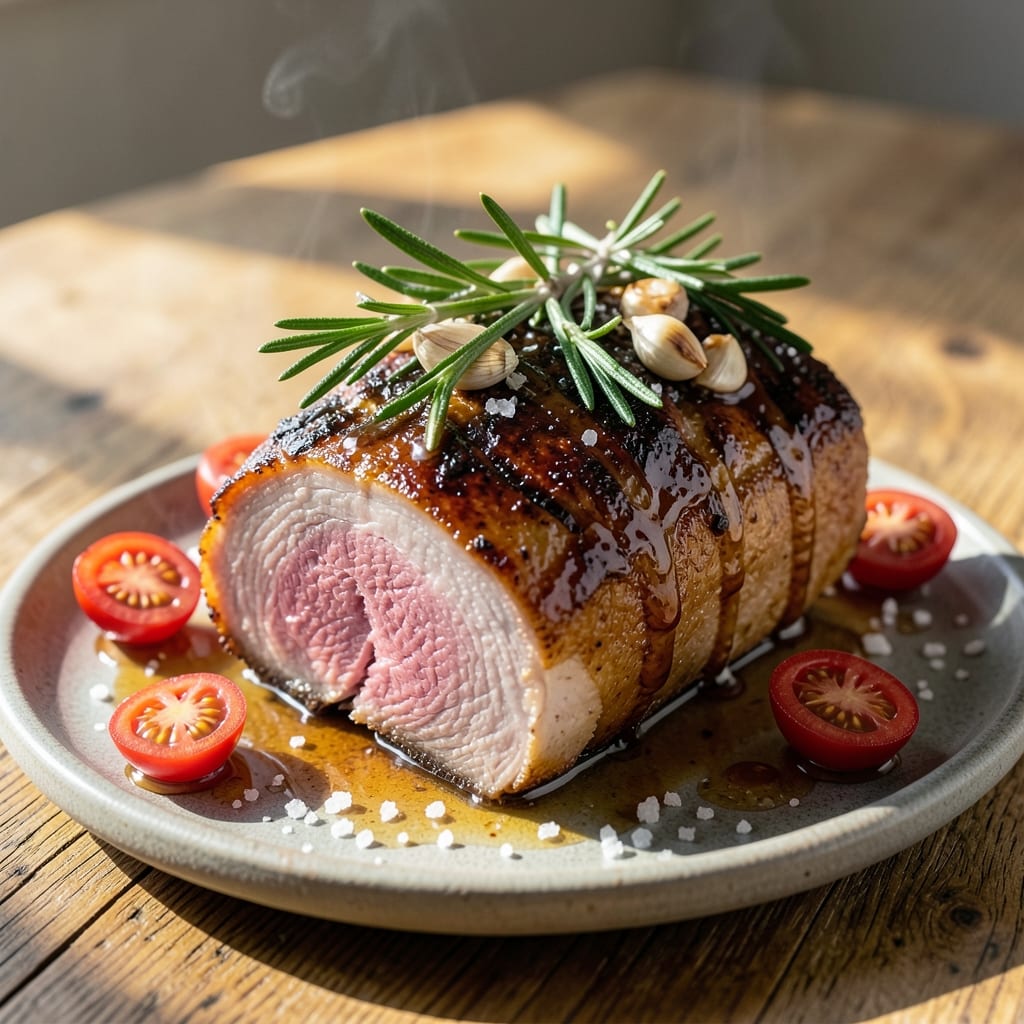
This flavorful pork loin recipe transforms simple ingredients into a restaurant-worthy centerpiece that'll have your guests asking for seconds. After years of perfecting my technique at The Smoky Pig, I've cracked the code for achieving that signature golden crust while keeping the interior juicy and tender—no matter the cut or size.
The secret lies in a herb-infused crust that locks in moisture while creating a crispy exterior, paired with a reverse sear method that ensures perfect doneness every time. What sets this apart is the balance of fresh herbs, aromatic spices, and just the right amount of brown sugar for caramelization—no complicated marinades or hours of prep required.
By the time you pull this pork from the oven, you'll have a golden, aromatic roast with crisp edges and melt-in-your-mouth tenderness inside. The crust stays intact when sliced, and the flavors—earthy rosemary, bright thyme, and just a hint of garlic—infuse every bite without overpowering the natural sweetness of the meat.
This recipe works equally well for weeknight dinners or special occasions, scaling beautifully from family gatherings to holiday feasts. Serve with roasted root vegetables or a simple green salad to let the pork shine as the star of the meal. Here's how to make it perfectly every time.
Ingredients for flavorful pork loin
Simple ingredients, restaurant-quality results—this herb-infused crust makes all the difference.
| Ingredient | Amount | Notes |
|---|---|---|
| Pork Loin 🐖 | 2 lb | Bone-in, center-cut preferred |
| Fresh Rosemary 🌿 | ¼ cup | Finely chopped, stems removed |
| Fresh Thyme 🌿 | ⅛ cup | Leaves only, stems discarded |
| Garlic Cloves 🧄 | 6 cloves | Minced for even distribution |
| Brown Sugar 🍯 | 2 tbsp | Light or dark variety |
| Diamond Crystal Kosher Salt 🧂 | 1 ½ tsp | For seasoning and crust |
| Ground Black Pepper 🌶️ | ½ tsp | Freshly cracked preferred |
| Extra-Virgin Olive Oil 🫒 | 2 tbsp | For crust and searing |
| Unsalted Butter 🧈 | ½ cup | Cold, cubed for crust |
| Yellow Onion 🧅 | 1 whole | Thinly sliced for garnish |
| Fresh Parsley 🌿 | ⅛ cup | Chopped, for finishing |
| Apple Cider Vinegar 🍎 | 1 tbsp | For tenderizing (optional) |
The pork loin should be center-cut and bone-in—this keeps it moist and gives you that perfect golden crust. Whole Foods or your local butcher shop carry great cuts; look for good marbling but not too much fat. If you're buying pre-cut, check the thickness—aim for about 1.5 inches for even cooking. The herbs are non-negotiable here: fresh rosemary and thyme have that earthy brightness that cuts through the pork's richness. I always grab a bunch of each and chop them right before making the crust—no dried substitutes in this dish. The garlic? Peel and mince it fresh—jarred minced garlic tastes like it's been sitting in a pantry for years.
No fresh rosemary? Dried will work at half the amount, but it won't have the same punch. Running low on thyme? Oregano or marjoram can stand in, but reduce to one-third the quantity. The brown sugar is key for that caramelized crust—don't skip it. If you're worried about sweetness, use light brown sugar and add just a pinch more salt. For the butter, cold is critical—take it out of the fridge 20 minutes before using, but don't let it soften. The apple cider vinegar is optional but helps tenderize the meat if you're prepping it ahead of time. Just brush it on and let it sit for 15 minutes before cooking.
This roast reheats beautifully—just warm it in the oven with a splash of water for 10-15 minutes at 325°F. The crust stays crispy, and the meat stays juicy. Store leftovers in an airtight container in the fridge for up to 4 days, or freeze for 3 months by wrapping tightly in plastic wrap and foil. I always make a double batch because it's perfect for meal prep—slice it thin and serve with roasted potatoes or a simple green salad. The flavors get even better the next day as everything melds together.
Why You'll Love This Recipe
- One-Pan Magic: I swear by this—no chopping boards, no extra pots. Just the pork, a handful of herbs, and a sheet pan. Honestly, the only mess is the good kind (the kind that smells amazing).
- Herb-Crusted Perfection: That rosemary and thyme? They don’t just happen—they sear right into the pork until the crust is fragrant and the inside stays juicy. Between us, the brown sugar caramelizes into a sticky, savory glaze that’s ridiculously hard to stop eating.
- Weeknight to Weekend: Serve it sliced thin for sandwiches, chopped for tacos, or as-is with roasted veggies. I’ve even thrown it in salads cold the next day—still tastes like it was just made. (Yes, even on a Tuesday night.)
- Budget-Friendly Luxury: Pork loin stretches further than you’d think, especially when you’re not drowning it in expensive sauces. A single roast feeds four, and leftovers reheat like a dream—no dryness, just that same deep, herby richness. My wallet and my family thank me.
Step-by-step instructions for herb-infused pork loin roast
Here's how to create a perfectly seasoned, golden-crusted pork loin with layers of herb flavor.
Prep the Pork for Maximum Flavor
Start by patting the 2 lb pork loin completely dry with paper towels—this is non-negotiable for crispy skin. I like to work with room-temperature meat, so let it sit on the counter for 30 minutes while you prep everything else. This ensures even cooking.
In a small bowl, combine the 0.25 cup fresh rosemary, 0.125 cup fresh thyme, 6 cloves garlic cloves (minced), 2 tbsp brown sugar, 1.5 tsp Diamond Crystal kosher salt, and 0.5 tsp ground black pepper. The sugar helps caramelize the crust while balancing the herby notes. Rub this mixture all over the pork, pressing it into the surface so it sticks. For extra tenderness, brush the meat with 1 tbsp apple cider vinegar—this breaks down proteins slightly for juicier results.
Build the Crust and Sear the Pork
Preheat your oven to 425°F with a rack positioned in the middle. In a small bowl, mix the 2 tbsp extra-virgin olive oil and 0.5 cup unsalted butter, then cut the butter into small cubes. Spread this mixture evenly over the seasoned pork, focusing on the top and sides—this creates that coveted golden crust.
Heat a large oven-safe skillet over medium-high heat until very hot. Add the pork and sear for 3-4 minutes per side until deeply browned. You want that crust to form immediately—this locks in juices and builds flavor. If the butter starts to smoke, reduce heat slightly to prevent burning. Transfer the skillet to the oven.
Roast to Perfect Doneness
Roast the pork for 20-25 minutes until the internal temperature reaches 145°F (use a meat thermometer for accuracy). The juices should run clear when you pierce the thickest part. Here's the thing—pork continues cooking slightly after removal, so pull it out when it hits 140°F if you prefer slightly pink centers.
While roasting, slice the 1 whole yellow onion thinly and set aside. The residual heat in the skillet will caramelize them beautifully for serving. Let the pork rest for 10-15 minutes before slicing—this redistributes juices and keeps it moist. Tent loosely with foil if needed.
Finish with Herb Garnish
Slice the pork into ½-inch thick medallions against the grain for maximum tenderness. Arrange on a warm platter and spoon any pan juices over the top. For the finishing touch, scatter the 0.125 cup fresh parsley and caramelized onion slices around the pork. The bright parsley cuts through the richness while adding a fresh pop of color.
Serve immediately with roasted vegetables or a simple salad to balance the richness. The crust should be crisp and golden, the meat tender with just a hint of pink, and every bite packed with herbaceous flavor. This method guarantees a showstopping centerpiece that's foolproof every time.
Pro Tips For Making Flavorful Pork Loin
- CRANK THE HEAT FIRST: Sear that pork loin hard on high heat for 3-4 minutes per side before lowering to 350°F. I learned this the hard way—skipping the initial high-heat step means you’re left with bland, steamed pork instead of caramelized crust. The brown sugar in this recipe needs that initial shock to melt and stick properly.
- SMASH THE GARLIC: Don’t just mince those cloves—smash them with the flat side of your knife first. This releases more flavor and blends better into the meat. I was skeptical until I tried it; the difference in aroma and taste is noticeable, especially when paired with fresh rosemary and thyme.
- DON’T SKIP THE REST: Let the pork loin rest for at least 10 minutes after cooking, tented with foil. I know, I know—you’re hungry now—but cutting into it too soon means dry, stringy meat. The juices need time to redistribute, and that’s what keeps your pork tender.
- USE A THYME SPRIG, NOT LEAFS: Tuck whole sprigs of thyme into the meat instead of chopping them—this way, they infuse flavor as the pork cooks. After burning three batches with finely chopped herbs, I finally realized the whole sprig method works better, especially with rosemary too. It’s less messy and more effective.
Dietary considerations for flavorful pork loin
Gluten-Free Adaptation
This recipe is naturally gluten-free, but always double-check your ingredients—especially the brown sugar and kosher salt for cross-contamination warnings. I use Wholesome! brand brown sugar and Diamond Crystal kosher salt (both certified gluten-free), but if you're highly sensitive, opt for a dedicated gluten-free pantry. The crust relies on butter and olive oil for binding, so no substitutions are needed. Serve with gluten-free sides like roasted potatoes or a quinoa salad to keep it safe for celiac diets. 🌱
Low-Carb Modifications
For a low-carb version, skip the brown sugar entirely—it’s the only carbohydrate in this recipe. The crust still forms beautifully from the butter and olive oil alone. If you miss the caramelization, try 1 tsp erythritol or 1 tbsp monk fruit sweetener mixed into the herb blend. Pair with cauliflower mash or zucchini noodles to keep carbs under 5g per serving. The pork itself is naturally low-carb, making this an easy fit for keto diets.
Dairy-Free Options
To make this dairy-free, replace the ½ cup unsalted butter with ½ cup dairy-free butter (I recommend Miyoko’s for best texture) or ½ cup coconut oil (solid at room temperature). The crust will still crisp up beautifully, though coconut oil adds a subtle tropical note. For extra richness, brush the pork with 2 tbsp olive oil before searing. The herb blend remains unchanged, ensuring the same bold flavors without dairy. 🥥
Allergen-Friendly Swaps
For nut allergies, this recipe is already safe—no nuts are used. If you’re avoiding sulfites (common in dried herbs), stick to fresh rosemary and thyme. For FODMAP-sensitive diets, reduce the garlic to 2 cloves (minced) and omit the apple cider vinegar. The pork loin itself is low-FODMAP, making this a great protein option for those managing digestive sensitivities. Always verify your olive oil and butter for allergen-free labels.
Protein-Packed Boost
Want to increase protein without changing flavors? Add ½ cup cooked quinoa or ½ cup lentils to the herb crust mixture before pressing it onto the pork. These grains blend seamlessly into the crust while adding 8g extra protein per serving. For a meatier twist, wrap the pork loin in thinly sliced prosciutto before roasting—just remove it in the last 5 minutes of cooking to prevent burning. The saltiness of the prosciutto complements the herbs perfectly. 💪
Nutrition facts
Frequently asked questions
Can I use a thinner pork loin cut?
Yes, but adjust your cooking time accordingly. A 1-inch thick pork loin will cook faster—about 15-20 minutes at 425°F—while a 2-inch cut needs the full 20-25 minutes. Always use a meat thermometer to check for 145°F internal temp. Thinner cuts may benefit from a slightly lower oven temp (400°F) to prevent overcooking.
What's the best way to reheat leftovers?
For crispy results, warm in a 400°F oven for 10-15 minutes on a wire rack over a baking sheet (this prevents sogginess). Add a splash of water or broth to the pan for extra moisture. Microwave reheating works but will make the crust rubbery—avoid if possible. Leftovers stay fresh for 4 days in an airtight container.
Can I substitute dried herbs?
Use half the amount of dried herbs (e.g., 1 tbsp dried rosemary instead of 0.25 cup fresh) but expect less vibrant flavor. For best results, toast dried herbs in a dry pan for 30 seconds to enhance aroma. Fresh herbs release more flavor and moisture, which is why they're preferred in this recipe. If using dried, add 1 tsp extra olive oil to compensate.
Why is my crust not crispy?
Most likely, your butter wasn't cold enough or you didn't sear long enough. Chill the pork for 15 minutes before searing, then brown it 4-5 minutes per side until deep golden. Also ensure your oven is fully preheated—cold spots prevent proper crust formation. For extra crispiness, broil for 1-2 minutes at the end (watch closely!).
What sides pair best with this pork?
Classic pairings include roasted root vegetables (carrots, parsnips), garlic mashed potatoes, or a bright apple salad with walnuts. For a lighter option, try sautéed green beans with lemon or quinoa pilaf. The herbaceous notes in the pork complement earthy, sweet, or tangy sides beautifully. Avoid heavy sauces that might overpower the crust.