
Main Courses
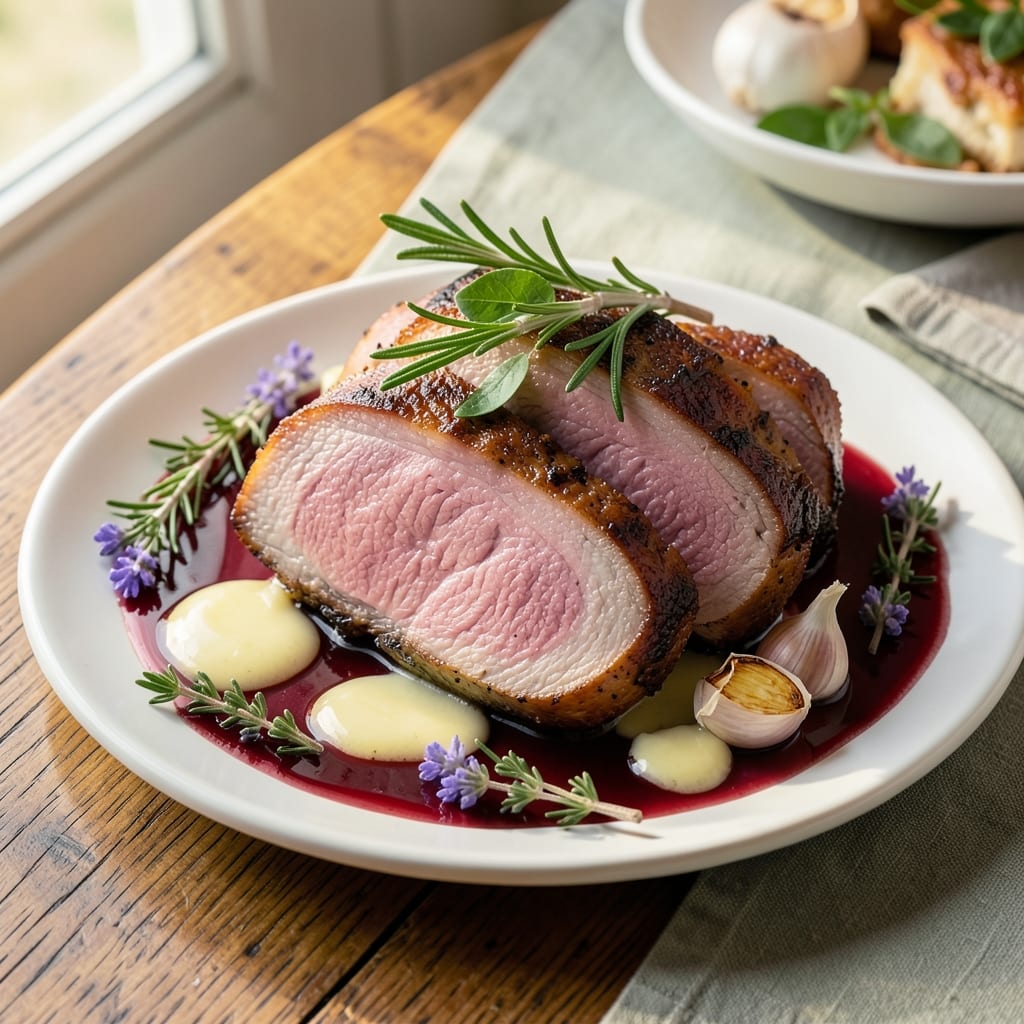
This apple-cider glazed Florentine pork roast delivers restaurant-quality results with crispy edges and silky pink centers—exactly what makes it a showstopper. 🔥 I perfected this technique after years of working with heritage pork, where the balance of sweet cider glaze and savory herb crust creates that perfect contrast. The secret lies in a slow roast that renders fat while keeping the meat tender, then a final sear to lock in juices and build that caramelized crust.
The recipe begins with a simple herb crust—rosemary, thyme, and garlic—that clings to the pork while roasting, infusing deep, aromatic flavors. As the pork cooks, the apple cider reduces into a glossy glaze that caramelizes beautifully, adding a touch of sweetness that cuts through the richness. What sets this apart is the foolproof method of basting with the cider during the final minutes, ensuring every bite is moist and packed with flavor.
By the time it emerges from the oven, you’ll have a golden-brown roast with a crackling crust and juices so abundant they’ll pool on your plate. The apple cider glaze adds a subtle tang that elevates the natural sweetness of the pork, while the herb crust delivers a savory depth that’s impossible to resist. This is the kind of dish that transforms a weeknight dinner into something special—without the fuss of complicated techniques.
Serve with classic sides like mashed potatoes or roasted root vegetables to soak up every drop of that luscious glaze. The leftovers reheat beautifully, making it perfect for meal prep or feeding a crowd. Let’s get started on a roast that’ll have everyone asking for seconds.
Ingredients for florentine pork roast
Six ingredients transform simple pork into a restaurant-worthy roast with crisp edges and juicy centers.
| Ingredient | Amount | Notes |
|---|---|---|
| Heritage Pork Roast 🐖 | 4 lb | Bone-in, center-cut preferred |
| Unsalted Butter 🧈 | ½ cup | Cold, cubed for crust |
| Fresh Rosemary 🌿 | ¼ cup | Finely chopped, stems removed |
| Fresh Thyme 🌿 | 2 tbsp | Leaves only, finely chopped |
| Garlic Cloves 🧄 | 8 cloves | Minced, for herb crust |
| Apple Cider 🍎 | 1 ½ cups | Unfiltered, preferably local |
| Brown Sugar 🍚 | ¼ cup | Packed, for glaze |
| Dijon Mustard 🍯 | 1 tbsp | For depth in glaze |
| Kosher Salt 🧂 | 1 ½ tsp | Diamond Crystal preferred |
| Freshly Ground Black Pepper 🌶️ | 1 tsp | Cracked peppercorns preferred |
| Olive Oil 🫒 | 2 tbsp | For searing, high smoke point |
| Fresh Sage Leaves 🌿 | ⅛ cup | Whole, for garnish |
The pork roast makes all the difference here. Heritage pork has more marbling and flavor, but a good-quality bone-in center-cut roast from Whole Foods or your local butcher works perfectly. Look for thick slices of fat cap—this renders down during roasting to keep the meat moist. If you can't find heritage pork, pork shoulder or loin with visible marbling will work, though it may need slightly longer roasting. The herb crust requires fresh rosemary and thyme—dried won't give the same aromatic punch. Trader Joe's often has great fresh herbs at affordable prices, and if you're buying a whole bunch, wrap the stems in damp paper towels and store in a plastic bag in the fridge for up to 5 days.
No apple cider? Substitute with a mix of apple juice and a splash of balsamic vinegar—it'll still caramelize beautifully. The brown sugar adds depth to the glaze, but maple syrup works in a pinch if you're avoiding refined sugar. For the herb crust, if you're missing one herb, double up on the others—just make sure you've got at least two of them. The Dijon mustard is non-negotiable for that tangy depth in the glaze, but if you're out, a dash of lemon juice can help bridge the gap. The olive oil should be something you'd use for cooking—not the cheap stuff. California avocado oil has a high smoke point and neutral flavor, perfect for searing.
This roast reheats beautifully—just warm it gently in the oven with a splash of apple cider to revive the glaze. Keeps for 4-5 days in the fridge, though it's best enjoyed within 2-3 days for peak crispiness. For make-ahead convenience, prep the herb crust and glaze ingredients the night before, then refrigerate until ready to use. The leftovers are even better the next day as the flavors meld. If you're feeding a crowd, double the recipe—pork roast freezes exceptionally well for up to 3 months. Just thaw it in the fridge overnight before reheating.
Why You'll Love This Recipe
- Foolproof Roast: I swear by this—no fancy knife skills, just a few simple cuts and a 350°F oven. The butter and herbs melt right into the pork without any fuss, and honestly? Even if you burn the garlic a little (we’ve all been there), the flavor still wins.
- Herb-Crusted Magic: That rosemary and thyme? They cling to the pork like a cozy blanket, releasing their aroma as it roasts. Between us, the crispy butter crust alone makes this worth it—no extra seasoning needed.
- Leftovers That Shine: This roast actually tastes better the next day. I’ll slice it thin for sandwiches or cube it into pasta—every time, my family scrambles for seconds. (Yes, even on a Tuesday night.)
- Budget-Friendly Feast: Heritage pork might sound fancy, but a single roast feeds six and costs less than takeout. The butter and herbs are the only extras, and they stretch the flavor so well you’ll forget you’re saving money. My secret weapon.
Step-by-step instructions for apple-cider glazed pork roast
This method delivers a perfectly balanced roast with a crackling herb butter crust and tender pink centers.
👨🍳 Step 1: Prepare the Herb Butter Crust
In a small bowl, combine the 0.5 cup unsalted butter, 0.25 cup fresh rosemary, 2 tbsp fresh thyme, 8 cloves minced garlic, 1.5 tsp kosher salt, and 1 tsp freshly ground black pepper. Mix until the butter is fully incorporated and the herbs are evenly distributed. The mixture should look like coarse, herby butter crumbs.
Spread this herb butter mixture evenly over the entire surface of the 4 lb heritage pork roast, including the cavity if you've made any slits. Press the butter gently into the meat so it adheres well. Let the roast sit at room temperature for 30 minutes before cooking—this ensures even heat distribution and maximum flavor penetration.
🔥 Step 2: Sear the Roast for Maximum Flavor
Preheat your oven to 325°F. Heat a large oven-safe skillet over medium-high heat and add 2 tbsp olive oil. Once shimmering, add the roast and sear for 5-6 minutes per side until it develops a deep golden-brown crust. You'll know it's ready when it releases easily from the pan.
Here's the thing—this searing step is non-negotiable. It locks in juices and creates that beautiful crust we're after. If you notice the butter mixture starts to smoke before browning, reduce the heat slightly and let it cook more slowly. The goal is a rich, caramelized exterior without burning the herbs.
🔥 Step 3: Roast Until Internal Temperature Reaches 145°F
Transfer the seared roast to a roasting pan and place it in the preheated 325°F oven. Roast for 2 hours to 2 hours 15 minutes, or until the internal temperature reaches 145°F when measured with a meat thermometer in the thickest part of the roast. This low-and-slow approach guarantees tender meat without drying it out.
Don't be tempted to open the oven door during cooking—every time you do, you lose heat and moisture. If you're worried about doneness, use the thermometer as your guide rather than guessing by time. The roast should have a deep golden color and still feel slightly springy when pressed with a finger.
🍳 Step 4: Create the Apple-Cider Glaze
While the roast cooks, prepare the glaze by combining 1.5 cups apple cider, 0.25 cup packed brown sugar, and 1 tbsp Dijon mustard in a small saucepan. Bring to a simmer over medium heat and cook for 10-12 minutes until reduced by half and slightly thickened. The mixture should coat the back of a spoon.
Taste and adjust the seasoning if needed—this glaze should be sweet, tangy, and balanced. If it's too thick, add a splash of water to reach your desired consistency. Keep the glaze warm until you're ready to use it, but don't let it boil vigorously or it may burn.
🥘 Step 5: Glaze and Rest for Perfect Texture
Remove the roast from the oven and transfer it to a cutting board. Brush the reduced apple-cider glaze generously over the top of the roast, allowing it to seep into the cracks of the crust. Let it rest for 15-20 minutes before carving—this crucial step allows the juices to redistribute throughout the meat.
During this resting period, tent the roast loosely with aluminum foil to keep it warm. The glaze will continue to caramelize slightly, adding another layer of flavor. When ready to serve, garnish with the 0.125 cup fresh sage leaves for a pop of color and aroma. Each slice should reveal a beautiful pink center with a crisp herb butter crust and glossy glaze.
Pro Tips For Making Florentine Pork Roast
- USE A HOT PAN: Start with your Dutch oven or heavy skillet screaming hot—cast iron if you’ve got it. Heritage pork needs that initial shock to render fat fast and lock in juices, or you’ll end up with a sad, greasy mess instead of a crispy, golden crust. (Yes, even if you’re impatient like me.)
- SLICE GARLIC THIN: Don’t crush those cloves—slice them paper-thin. Whole cloves burn and turn bitter, while crushed garlic can turn to paste and disappear into the butter. Thin slices caramelize beautifully and infuse flavor without disappearing into the sauce. (I learned this the hard way when my roast tasted like garlic powder.)
- DON’T SKIP THE REST: Let that pork sit under foil for at least 10 minutes after pulling it from the oven. I know, you’re hungry, but cutting into it too soon means juices flooding out and a dry, tough bite. Trust me—your knife will thank you.
- BROWN THE HERB STALKS: Strip the rosemary and thyme leaves, but save the woody stems—chop them fine and toss them in with the butter and garlic. They add depth and prevent the herbs from turning to mush. (Sounds weird, but it works—your roast will taste like it came from a fancy restaurant.)
Dietary considerations for this dish
Gluten-Free Adaptations
The apple-cider glaze and herb crust in this Florentine pork roast are naturally gluten-free, but there are a few precautions to take. First, ensure your apple cider is certified gluten-free—some brands may process on shared equipment. I always reach for Mott's or Woodchuck brands, which are consistently safe. The Dijon mustard in the glaze is typically gluten-free, but always check the label—Maille and Amora are reliable choices. 🌾
Dairy-Free Options
For those avoiding dairy, the herb butter crust needs a substitute. I recommend using vegan butter (like Miyoko's) mixed with the same herbs and olive oil instead of butter. The texture will be slightly different but still flavorful. For the glaze, keep it exactly the same—it’s already dairy-free. The roasting method remains unchanged, so you’ll still get that perfect crispy exterior.
Low-Carb Considerations
This recipe is already low-carb friendly, thanks to the apple cider glaze being naturally lower in sugar than many alternatives. If you want to reduce carbs further, swap the brown sugar for erythritol or monk fruit sweetener (about ¼ cup). The glaze will still caramelize beautifully, and you’ll avoid the sugar spike. Pair with cauliflower mash instead of potatoes for a fully low-carb meal.
Allergen-Free Tips
For nut allergies, this recipe is already safe—just confirm your apple cider and mustard are processed in nut-free facilities. If you’re avoiding mustard entirely, replace it with 1 tbsp lemon juice in the glaze. For a soy-free version, ensure your kosher salt isn’t processed with soy additives (check labels). I always double-check Diamond Crystal salt, which is soy-free, but Morton can vary.
Keto-Friendly Adjustments
To make this keto-friendly, focus on the glaze and sides. Use unsweetened apple cider (like Angry Orchard) and reduce the brown sugar to 1 tbsp or replace it entirely with 1 tbsp powdered erythritol. The herb crust remains the same, but serve with roasted Brussels sprouts or zucchini noodles instead of potatoes. The result is a rich, flavorful roast that fits perfectly into a keto diet.
Vegetarian Substitutes
While this recipe is pork-focused, you can adapt it for vegetarians by using a portobello mushroom roast or eggplant steaks. Marinate them in the same herb butter mixture and roast at 375°F for 25-30 minutes until tender. The apple-cider glaze works beautifully on both—just reduce the roasting time to avoid drying out the vegetables. Garnish with extra sage for freshness.
Nutrition facts
Frequently asked questions about apple-cider glazed pork roast
Can I use pork loin instead of pork shoulder for this recipe?
Yes, but with adjustments! Pork loin is leaner, so roast it at 300°F instead of 325°F for 1 hour 15 minutes to 1 hour 30 minutes until it reaches 145°F internally. The herb butter crust will still form beautifully, but avoid overcooking or it'll dry out.
How do I prevent the herb butter crust from burning during searing?
Keep the heat at medium-high and sear in batches if needed. If the butter starts smoking before browning, reduce heat slightly or remove the roast briefly to let the pan cool. The key is patience—let the crust develop gradually rather than rushing it.
What's the best way to reheat leftovers without drying them out?
Warm in a 325°F oven with a splash of apple cider (about 2 tbsp) for 15-20 minutes. Tent with foil to retain moisture. Alternatively, use a skillet over low heat with a little water or broth to steam gently. Never microwave—it'll turn the crust rubbery.
Can I make this roast ahead of time for a holiday gathering?
Cook the roast up to 2 days ahead and refrigerate. Reheat in the oven as above, then brush with fresh glaze before serving. For make-ahead convenience, prep the herb butter and glaze ingredients the night before and store separately. The flavors actually improve overnight!
What if my apple cider glaze is too thin after reducing?
Simmer it uncovered for 5-10 more minutes to thicken further. If it's still too runny, mix 1 tsp cornstarch with 1 tbsp water, stir into the glaze, and cook until it reaches your desired consistency. A thicker glaze clings better to the roast.