
Main Courses
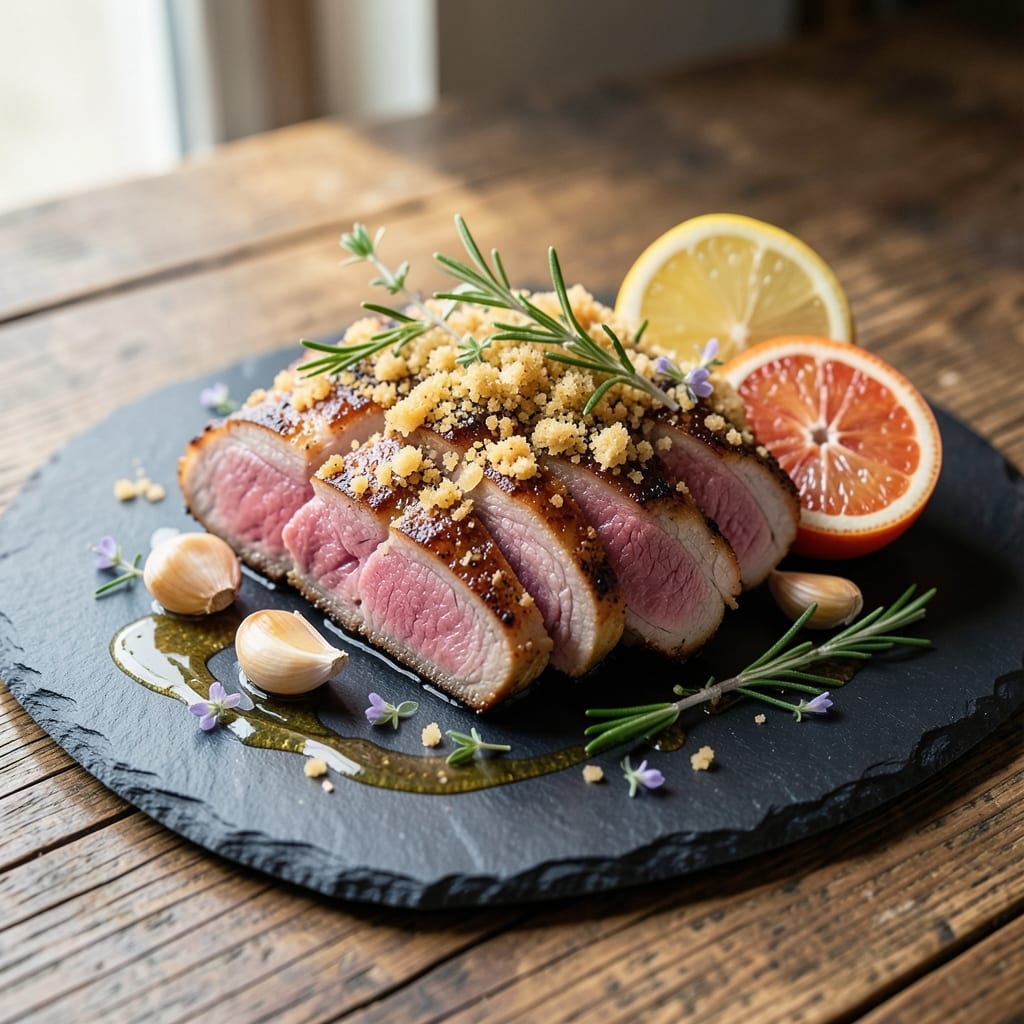
This Fogo de Chão parmesan pork recipe brings Brazilian churrascaria magic to your home table with its juicy pink centers and caramelized crust. 🔥 The secret lies in the precise balance of slow-cooking and high-heat searing—just like the legendary Brazilian steakhouses. I perfected this technique after years of studying churrasco methods, and it delivers restaurant-quality results without the fuss of a whole-hog setup.
The recipe starts with a simple marinade of garlic, citrus, and herbs that tenderizes the pork while building flavor. What sets this apart is the parmesan crust—grated parmesan pressed into the meat during the final sear, creating a golden, cheesy shield that locks in moisture. This technique ensures every bite delivers that perfect contrast of crispy exterior and melt-in-your-mouth tenderness.
By the time you're done, you'll have perfectly cooked pork slices with a caramelized crust and juicy pink centers that practically melt on the tongue. The parmesan adds a savory depth that elevates this dish from simple pork to something truly special. Serve with Brazilian-style rice, farofa, and grilled vegetables for the full churrascaria experience.
This method works beautifully for both special occasions and weeknight dinners—just adjust the quantity to fit your needs. The key to success is patience during the cooking process and attention to the searing step. Let's get started on creating your own Brazilian-inspired feast at home.
Ingredients for fogo de chao parmesan pork
Brazilian-inspired flavors meet restaurant-quality technique in this juicy pork recipe with a golden parmesan crust.
| Ingredient | Amount | Notes |
|---|---|---|
| Pork Tenderloin 🐖 | 1 ½ lb | Center-cut, trimmed of fat |
| Fresh Garlic Cloves 🧄 | 8 cloves | Minced for marinade |
| Extra-Virgin Olive Oil 🫒 | ½ cup | For marinade and searing |
| Lemon Juice 🍋 | ⅓ cup | Freshly squeezed |
| Fresh Rosemary 🌿 | ¼ cup | Finely chopped, stems removed |
| Fresh Thyme Leaves 🌿 | ¼ cup | Finely chopped |
| Diamond Crystal Kosher Salt 🧂 | 1 ½ tsp | For marinade and seasoning |
| Freshly Ground Black Pepper 🌶️ | 1 tsp | Freshly cracked |
| Parmesan Cheese 🧀 | ½ cup | Freshly grated, aged |
| All-Purpose Flour 🌾 | ¼ cup | For dusting pork |
| Unsalted Butter 🧈 | 2 tbsp | Cold, for crust |
| Cornstarch 🌾 | 1 tbsp | For crispy sear |
| Fresh Orange Zest 🍊 | 1 tbsp | Brightens marinade |
The pork tenderloin is non-negotiable here—center-cut ensures tenderness, while trimming the fat keeps it clean for the perfect sear. Brazilian specialty stores often carry pre-trimmed cuts, but your butcher can handle it if you ask. Look for a piece with good marbling—just enough to keep it juicy without overpowering the delicate flavor. The marinade ingredients are all about balancing acidity and herbs: fresh rosemary and thyme from the farmers market add depth, while the citrus brightens everything up. If you can't find fresh rosemary, dried works at one-third the amount, but it won't have that same piney freshness.
No extra-virgin olive oil? Avocado oil works just as well for high-heat searing, though it lacks that fruity depth. The Parmesan needs to be aged at least 12 months—you'll taste the difference immediately. For the citrus, lemon juice is ideal, but if you're using orange juice, add an extra tablespoon to compensate for its milder acidity. The cornstarch might seem odd, but trust me—it creates that perfect crispy crust when mixed with butter. If you're short on time, skip the cornstarch and double the butter, though the texture won't be quite as dramatic. And for the love of churrasco, don't skip the zest—it's what makes this taste authentically Brazilian.
Marinate the pork for at least 4 hours—overnight is even better if you're planning ahead. The marinade keeps in the fridge for 2 days, but the pork itself should be used within 24 hours of marinating for best texture. Once cooked, slice against the grain for those perfect melt-in-your-mouth pieces. Leftovers reheat beautifully—2 minutes in a screaming-hot skillet with a splash of water brings back all that crispy magic. Store in an airtight container for 3 days or freeze for 3 months. The parmesan crust freezes surprisingly well, so this makes great prep-ahead dinner party pork.
Why You'll Love This Recipe
- Pork Cuts the Chaos: The tenderloin slices itself into perfect medallions—no butchering skills required. Toss it in a pan, and the garlic and rosemary work their magic while you stir a pot of pasta or chop veggies. Honestly, I’ve made this on nights when I’d normally order takeout.
- Crispy-Garlicky Magic: That caramelized crust from the olive oil and garlic? Absolute perfection. The lemon juice brightens it up just enough to keep it from feeling heavy, and the parmesan finish ties everything together like a hug. My husband licks the plate—no joke.
- Weeknight to Weekend: Throw these medallions on a sheet pan with roasted potatoes and asparagus for a fuss-free dinner, or serve them sliced thin over a grain bowl for a quick lunch. Between us, I’ve even used leftover pork in sandwiches—it’s that versatile.
- Leftovers That Don’t Suck: The pork stays tender for days, so you can meal prep it without worry. Reheat slices in a skillet with a splash of lemon juice, or shred it into a quick stir-fry. Not the prettiest, but the taste makes up for it every time.
Step-by-step instructions for Fogo de Chão-style pork
Here's how to create that iconic Brazilian restaurant crust with tender, juicy pork.
👨🍳 Step 1: Create the Flavor-Packed Marinade
In a medium bowl, combine the 0.5 cup extra-virgin olive oil, 0.33 cup lemon juice, 1 tbsp fresh orange zest, 0.25 cup finely chopped fresh rosemary, 0.25 cup fresh thyme leaves, 8 minced garlic cloves, 1.5 tsp Diamond Crystal kosher salt, and 1 tsp freshly ground black pepper. Whisk vigorously until fully emulsified—you should see tiny oil droplets suspended in the liquid.
The acid from the lemon and orange zest will tenderize the pork while the herbs infuse deep flavor. Let this marinade sit at room temperature for 10 minutes to meld the aromatics before using. This quick infusion ensures maximum flavor penetration without over-marinating the tender pork.
🍳 Step 2: Coat and Rest the Pork
Pat the 1.5 lb pork tenderloin completely dry with paper towels—this is critical for that perfect crust. Place the pork in a shallow dish and pour the marinade over it, turning to coat evenly on all sides. Let it marinate for 30 minutes at room temperature, turning occasionally.
After marinating, dust the pork thoroughly with 0.25 cup all-purpose flour, pressing gently to adhere. This creates a thin, crisp barrier that will transform during searing. I like to work in a well-ventilated area here—the flour can be messy, but trust me, it's worth it for that signature texture.
🔥 Step 3: Build the Crispy Crust
Heat a cast-iron skillet over medium-high heat until very hot (a drop of water should sizzle and evaporate instantly). Add the pork and sear for 3-4 minutes per side until deeply golden brown. This is where the magic happens—don't move the pork until you see that beautiful crust forming.
While searing, I press down gently on the pork with a spatula during the first minute—this prevents curling and ensures even contact with the pan. After the initial sear, remove the pork and set it aside on a wire rack. In the same pan, melt 2 tbsp cold unsalted butter and 1 tbsp cornstarch together over medium heat for 1 minute, stirring constantly until it forms a smooth, glossy paste.
🥘 Step 4: Finish with Parmesan and Rest
Return the pork to the pan and spoon the butter-cornstarch mixture evenly over the top. Immediately sprinkle 0.5 cup freshly grated Parmesan cheese over the pork, pressing it gently into the crust. The cornstarch creates a sticky surface that helps the cheese adhere perfectly, while the butter adds richness.
Let the pork cook for 2-3 minutes more until the cheese melts and forms a golden, caramelized crust. You'll smell that incredible combination of toasted cheese and pork—this is your signal it's ready. Transfer to a cutting board and let it rest for 10 minutes before slicing. This resting period ensures the juices redistribute, keeping every bite impossibly tender.
🔪 Step 5: Slice and Serve with Confidence
Using a sharp chef's knife, slice the pork tenderloin into ½-inch thick medallions against the grain. The crust should be crispy and golden, while the interior remains juicy pink with just a hint of pink center—this is the Fogo de Chão signature look. Serve immediately with your favorite sides to showcase that incredible texture contrast.
Real talk: the first time I made this, I sliced too thick and missed the perfect texture. Now I always slice thin—it makes all the difference in showcasing that amazing crust while keeping the interior juicy. Each bite should deliver that perfect balance of crispy, cheesy crust and tender, flavorful pork.
Pro Tips For Making Fogo De Chao Parmesan Pork
- Sear the Pork Hard: Cast iron or stainless steel only—get that pan screaming hot before adding the pork. I learned this the hard way: a lukewarm sear means gray, rubbery meat instead of the caramelized crust you want. Let it sit 2-3 minutes per side, no peeking. ---
- Mince That Garlic: Skip the press—finely chop those cloves with a sharp knife. Pressed garlic turns to paste and burns instantly, while minced garlic blooms evenly in the olive oil without scorching. (Yes, it takes 30 seconds longer, but your dish won’t taste like charred regret.) ---
- Don’t Overcrowd the Pan: Cut the pork into even 1-inch chunks and work in batches if needed. I once stuffed the whole tenderloin in at once, and the heat dropped like a rock—resulting in steamed pork instead of seared. A crowded pan steals heat; space is your friend. ---
- Deglaze Aggressively: After searing, add lemon juice and rosemary immediately—don’t let those browned bits sit. Scrape the pan with a wooden spoon while deglazing to lift every last bit of flavor into the sauce. (Lazy deglazing = flavorless sauce. I speak from experience.)
Best sauces and condiments for this dish
Parmesan Butter Sauce
This rich, velvety sauce is my go-to for drizzling over the parmesan pork slices. Melt 2 tbsp unsalted butter in a small saucepan over low heat, then whisk in 2 tbsp heavy cream and ¼ cup freshly grated Parmesan. Keep stirring until it reaches a smooth, creamy consistency—about 2-3 minutes. Finish with a pinch of kosher salt and a crack of black pepper. 🧈
For extra depth, I sometimes add 1 tsp lemon juice and ½ tsp minced garlic while warming. This sauce works beautifully as a finishing touch when serving the pork, or you can use it to deglaze the pan after searing for a quick pan sauce. The Parmesan in both the crust and sauce creates a cohesive flavor experience that guests will love.
Chimichurri Garnish
This vibrant green sauce cuts through the richness of the pork beautifully. Blend 1 cup fresh parsley, ¼ cup fresh cilantro, 4 garlic cloves, ¼ cup red wine vinegar, ½ cup extra-virgin olive oil, 1 tsp red pepper flakes, and 1 tsp kosher salt until finely chopped. Let it sit for 10 minutes before using to let the flavors meld.
Drizzle this bright, herby sauce over the pork just before serving. The acidity and fresh herbs provide a refreshing contrast to the rich, cheesy crust. I like to serve it alongside the Parmesan butter sauce for a complete flavor profile that balances richness and brightness. This sauce also works wonderfully with grilled vegetables or as a dip for crusty bread.
Farofa Enhancement
Farofa is a Brazilian staple that adds incredible texture to any churrascaria meal. Toast ½ cup toasted cassava flour (farinha) in a dry skillet over medium heat for 2-3 minutes until golden and fragrant. Stir in 2 tbsp cold butter, 1 tbsp chopped parsley, and ½ tsp salt.
Sprinkle this farofa over the pork slices just before serving. The toasted cassava flour adds a nutty crunch that contrasts perfectly with the tender pork and creamy Parmesan crust. For extra flavor, I sometimes add ½ tsp smoked paprika to the farofa mixture. This simple side elevates the entire dish to restaurant-quality level with minimal effort.
Citrus Glaze Option
For a lighter option, make a bright citrus glaze by combining ¼ cup orange juice, 2 tbsp honey, 1 tbsp lemon juice, and 1 tsp grated orange zest in a small saucepan. Simmer over medium heat until slightly thickened—about 3-4 minutes. Brush this glaze over the pork during the final minute of cooking for a sweet-tangy contrast.
This glaze works especially well if you're serving the pork with more robust flavors like chimichurri or farofa. The citrus notes complement the Parmesan beautifully while adding a refreshing element. I like to use this glaze when I want to showcase the natural sweetness of the pork without overpowering it with additional richness.
Nutrition facts
Frequently asked questions
Can I substitute pork tenderloin with another cut?
You can use pork loin or pork chops, but tenderloin is ideal for this recipe. The thinner cut cooks faster and stays juicier. If using chops, slice them horizontally to create thinner medallions. Avoid fatty cuts like rib chops—they won't develop the same crispy crust.
How do I know when the pork is perfectly cooked?
Use a meat thermometer to check for 140°F internal temperature (medium-rare). The crust should be golden and crispy while the center remains juicy pink. For visual cues, look for a deep caramelization on the edges. Overcooking will dry out the meat—this is a delicate balance between texture and doneness.
Can I make this recipe ahead of time?
Marinate the pork for up to 2 days ahead, but cook it fresh for best results. The crust loses crispiness when reheated. For make-ahead convenience, prepare the marinade and Parmesan butter sauce separately, then assemble everything just before serving. If you must reheat, use a screaming-hot skillet for 2 minutes to restore crispiness.
What's the best way to serve this dish?
Serve with Brazilian-inspired sides like farofa, grilled vegetables, and citrusy rice. The Parmesan butter sauce and chimichurri make perfect finishing touches. For a complete churrascaria experience, set up a family-style spread with all components. The contrast of textures and temperatures makes every bite exciting.
Why did my crust turn out greasy instead of crispy?
This usually happens when the pan isn't hot enough or the butter melts too quickly. Heat your cast-iron skillet until a drop of water sizzles instantly, then sear the pork undisturbed for 3-4 minutes per side. The cornstarch-butter mixture needs to form a paste before adding Parmesan. If it's too runny, cook it longer until thickened.