
Main Courses
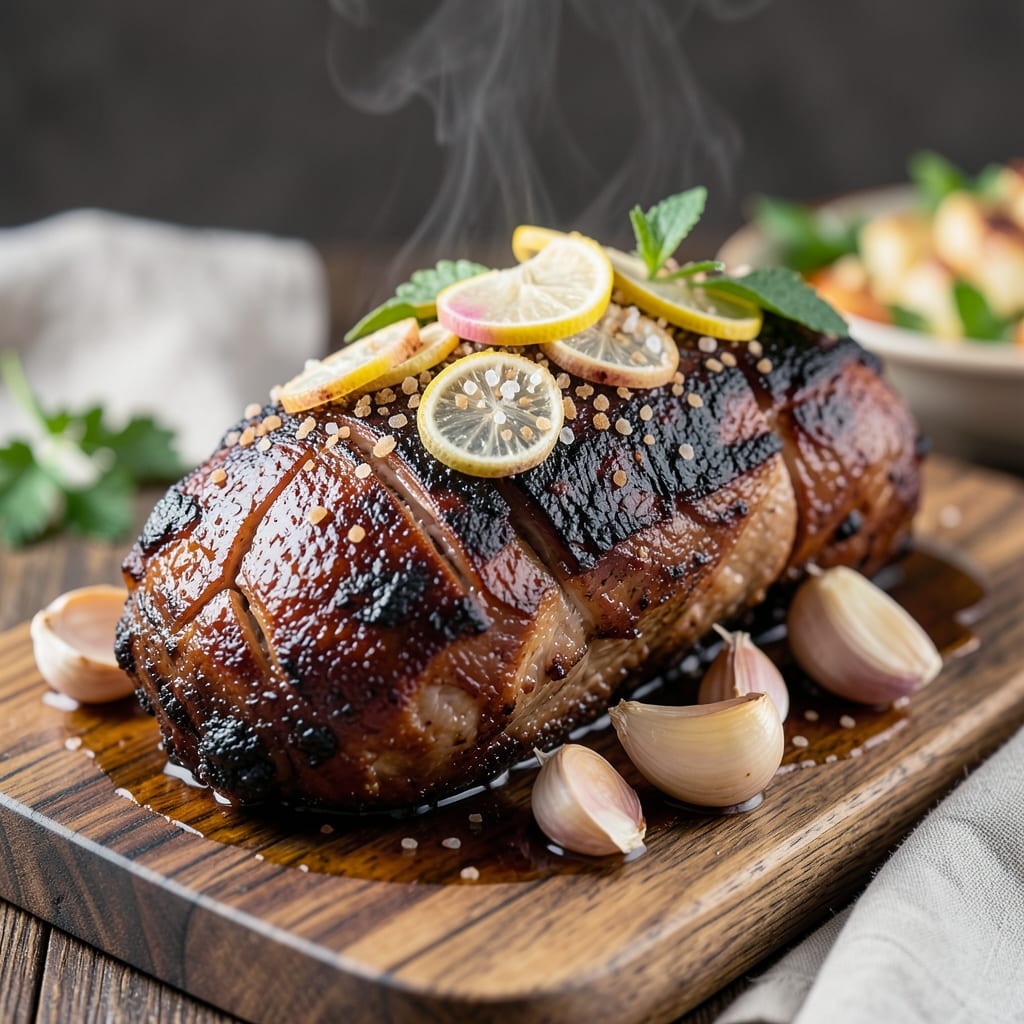
This Foodland Kalua pork recipe brings the smoky, tender tradition of Hawaiian imu cooking to your home kitchen with just 6 hours of hands-off time. 🔥 As someone who's spent years perfecting pork at The Smoky Pig, I've adapted this iconic dish to work with modern ovens while keeping its soul intact—juicy, fall-apart meat infused with salty, sweet, and umami flavors that define Hawaiian comfort food.
The secret lies in the marinade—a blend of salt, brown sugar, and Hawaiian sea salt—that transforms tough pork shoulder into melt-in-your-mouth perfection. We'll slow-cook it low and slow, just like the traditional imu method, ensuring every fiber is tender and infused with that signature smoky depth. This isn't just pork; it's a celebration of Hawaiian culture brought to your table.
By the time you're done, you'll have restaurant-quality kalua pork that's worth the wait—rich, caramelized edges and moist centers that practically fall apart at the touch of a fork. The beauty of this recipe is its versatility: serve it on Hawaiian rolls, over rice with cabbage, or even in tacos for a modern twist. It's the kind of dish that turns a simple dinner into a gathering.
I've tested this recipe countless times, adjusting for home ovens while preserving the authenticity that makes kalua pork legendary. Whether you're hosting a luau or just craving something special, this method delivers results that'll have everyone asking for seconds. Let's get started on creating your own taste of Hawaii.
Ingredients for foodland kalua pork
Six hours to melt-in-your-mouth pork perfection—just salt, sugar, and Hawaiian flavors.
| Ingredient | Amount | Notes |
|---|---|---|
| Pork Shoulder (Bone-In) 🐷 | 4 lb | Thick cut, fat cap intact |
| Kosher Salt 🧂 | ½ cup | Diamond Crystal preferred |
| Light Brown Sugar 🍚 | ½ cup | Packed firmly |
| Hawaiian Sea Salt 🧂 | 2 tbsp | Or substitute coarse kosher |
| Fresh Ginger 🌿 | 2 tbsp | Grated, aromatic |
| Garlic Cloves 🧄 | 6 cloves | Minced, fresh preferred |
| Fresh Pineapple Juice 🍍 | ½ cup | From canned pineapple |
| Hawaiian Sweet Bread Rolls 🍞 | 12 whole | For serving, optional |
| Yellow Onion 🧅 | 1 whole | Thinly sliced, optional |
| Fresh Cilantro 🌿 | ¼ cup | Chopped, for garnish |
| Olive Oil 🫒 | 1 tbsp | For searing pork |
| Ground Black Pepper 🌶️ | 1 tsp | Freshly cracked |
| Smoked Paprika 🌶️ | 1 tsp | For extra smokiness |
| Liquid Smoke 🔥 | 1 tsp | Optional, for deeper flavor |
The pork shoulder is non-negotiable here. Bone-in, thick-cut with that fat cap intact—that's what gives you the juicy, tender results. Costco or local butchers usually have the best cuts, but any grocery store with a meat counter will work. Look for good marbling—those little white fat streaks mean flavor. If you're unsure, ask for 'pork butt' or 'Boston butt'—they're the same thing. The Hawaiian sea salt is worth hunting down at Asian markets or online, but don't stress if you can't find it—just use extra kosher salt. For the brown sugar, pack it firmly into the measuring cup so you get the right amount.
No Hawaiian sea salt? Double the kosher salt—it'll still taste amazing. Fresh ginger is ideal, but ground ginger at half the amount works in a pinch. The pineapple juice can be swapped for apple juice or even water if you're out, though it'll lose some tropical brightness. Want more smokiness? Add 1/2 tsp smoked paprika or a splash of liquid smoke. The rolls are totally optional but transform this into a full Hawaiian meal—Hawaiian Host brand is my go-to, but any Hawaiian rolls will do. If you're short on time, even regular Hawaiian rolls from the freezer section work.
This pork tastes even better the next day—make extra if you can. Store leftovers in an airtight container in the fridge for up to 5 days, or freeze for 3 months. For serving, I like to slice it against the grain and arrange it on a platter with the rolls and sliced onions. Garnish with fresh cilantro right before serving—it adds that bright Hawaiian touch. The marinade left in the pan? Save it for rice or as a dipping sauce—it's packed with flavor.
Why You'll Love This Recipe
- Hands-Off Cooking: I swear, this is the kind of meal where you set it and forget it. Toss the pork shoulder with salt, sugar, and ginger, then let the oven do the heavy lifting—no flipping, no babysitting, just pure, fall-apart tenderness when you’re ready.
- Sweet-Savory Magic: That caramelized crust from the brown sugar and Hawaiian sea salt? It’s the good stuff—crunchy, salty, and just sticky enough to make you lick the plate. The ginger adds this bright, zesty kick that cuts through the richness perfectly.
- Leftovers That Shine: Between us, the second day is often better. Shred that pork into sandwiches, toss it into fried rice, or just reheat a slab straight from the fridge—it’s always better than takeout, and way cheaper.
- Budget Stretch: A single pork shoulder feeds my whole family for days. I’m talking main dishes, lunches, even breakfast tacos—no wasted money, no wasted food. Plus, the ingredients? Basic pantry staples you already own.
Step-by-step instructions for smokehouse-style kalua pork
Here's how to transform a simple pork shoulder into melt-in-your-mouth tender meat with that signature Hawaiian smoky-sweet flavor.
🔥 Step 1: Prepare the Pork Shoulder with the Dry Rub
Remove the pork shoulder from the fridge and pat it completely dry with paper towels—this step is non-negotiable for crispy bark. In a large bowl, combine the 0.5 cup kosher salt, 0.5 cup light brown sugar, 2 tbsp Hawaiian sea salt, 1 tsp ground black pepper, 1 tsp smoked paprika, and 1 tsp liquid smoke. Mix well until evenly distributed.
Generously coat the pork shoulder with the dry rub mixture, pressing it into all sides and rubbing it into the fat cap. Place the seasoned pork on a wire rack set over a baking sheet (this allows air circulation for even cooking). Cover loosely with plastic wrap and refrigerate for at least 12 hours or up to 24 hours. This long dry-brining process ensures deep flavor penetration and helps tenderize the meat.
🔥 Step 2: Preheat and Smoke the Pork Shoulder
Preheat your smoker to 225°F using wood chips (hickory or apple works best). Place the pork shoulder fat-side up on the smoker grates. Smoke the pork for 4 hours, maintaining a consistent temperature. Here's the thing—don't open the smoker during this time. Every time you peek, you lose heat and moisture, extending your cook time.
After 4 hours, check the internal temperature using a meat thermometer. It should be around 160°F. If it's not there yet, continue smoking. The pork will hit "the stall" around this temperature, where the internal temp stops rising as moisture evaporates. This is normal and expected—just be patient.
🍳 Step 3: Add Aromatics and Continue Cooking
Once the pork reaches 160°F, it's time to add the aromatic ingredients. In a small bowl, mix together the 2 tbsp grated fresh ginger, 6 minced garlic cloves, and 0.5 cup fresh pineapple juice. Pour this mixture evenly over the pork shoulder, making sure it soaks into the rub.
Return the pork to the smoker and continue cooking until the internal temperature reaches 200-205°F—this is the magic zone for tender, pull-apart texture. Total cook time should be about 6 hours. The pork is done when a probe slides in like butter with no resistance. If you don't have a meat thermometer, check for tenderness by pressing gently—the meat should feel soft and almost mushy.
⏰ Step 4: Rest and Slice the Pork
Remove the pork from the smoker and transfer it to a cutting board. Let it rest for at least 30 minutes (I prefer 1 hour) before slicing. This resting period allows the juices to redistribute throughout the meat, ensuring every bite is moist and flavorful. Don't skip this step—it's the difference between juicy pork and dry pork.
While the pork rests, preheat your oven to 350°F. Slice the pork shoulder against the grain into ½-inch thick slices. Arrange the slices on a baking sheet and broil for 3-5 minutes on each side until the edges are slightly crispy. This step adds a nice texture contrast to the tender meat.
🍽️ Step 5: Serve with Hawaiian Sweet Bread Rolls
Transfer the sliced pork to a serving platter. Garnish with thinly sliced yellow onion and chopped fresh cilantro for a fresh, vibrant finish. Serve the kalua pork with the 12 whole Hawaiian sweet bread rolls and a side of the pan juices for dipping. The rolls soak up all that smoky-sweet flavor, making every bite even more delicious.
For extra flavor, you can also drizzle the pork with any remaining pineapple juice from the cooking process. This dish is best served immediately while the pork is still warm and juicy. Enjoy your homemade kalua pork—it's worth every minute of the slow cook!
Pro Tips For Making Foodland Kalua Pork
- CRANK THE HEAT FIRST: I learned this the hard way—slow-starting the imu (or oven) means your pork shoulder steams instead of sears. Blast it to 450°F (230°C) for the first 20 minutes to render fat aggressively and lock in that deep, caramelized crust. Trust me, the first batch where I skipped this was soggy by the time it hit 250°F.
- PEEL THAT GINGER THIN: Thick ginger slices turn to mush and leave you with bland, watery pockets. Use a mandoline or knife to slice it paper-thin (1/16-inch or less), then toss it in the marinade or scatter it directly on the pork. Thin slices dissolve evenly and infuse flavor without gumming up the sauce—no more digging out chewy chunks later.
- SALT THE PORK 12 HOURS EARLY: This isn’t just seasoning; it’s a game-changer for texture. Generously coat the bone-in pork with kosher salt (about 1.5 tbsp per pound) and refrigerate uncovered for 12 hours. The salt breaks down proteins, ensuring the meat stays juicy and the crust forms like a dream—no more dry, tough slices when you cut into it.
- WRAP IT TIGHT AFTER 2 HOURS: After the initial sear, resist the urge to poke or peek. Wrap the pork tightly in foil (double-layer if you’re paranoid) and add a splash of water or apple juice to create steam. This traps moisture and coaxes the collagen into melting evenly—no more dry edges or uneven doneness. I used to unwrap too soon, and the outside would be perfect while the inside was still raw.
Best sauces and condiments for foodland kalua pork
Classic Hawaiian Marinade
The marinade used in traditional kalua pork is what makes it unforgettable—a perfect balance of salty, sweet, and umami flavors. Start with the pan juices from your slow-cooked pork, which are packed with caramelized sugars and porky richness. Strain these juices into a small saucepan and simmer with 1 tbsp brown sugar and ½ tsp ground ginger until slightly thickened. Finish with a splash of pineapple juice—this adds that bright, tropical tang that cuts through the richness. 🍍
Spicy Pineapple Glaze
For a modern twist, try a spicy pineapple glaze that adds a sweet-and-heat kick. Simmer ½ cup pineapple juice with 2 tbsp brown sugar and 1 tsp chili powder until reduced by half. Brush this glaze over the pork during the last 30 minutes of cooking for a caramelized, sticky finish. I love adding 1 tsp lime zest at the end for a citrusy zing that pairs perfectly with the smoky pork.
Creamy Coconut Dipping Sauce
No kalua pork feast is complete without a creamy dipping sauce. Blend ½ cup coconut milk with 1 tbsp lime juice, 1 tsp grated ginger, and ½ tsp garlic powder until smooth. Thin with a splash of water if needed, then drizzle over sliced pork or serve on the side for dipping. This sauce adds a refreshing contrast to the rich, smoky flavors—plus, it’s perfect for soaking up those Hawaiian rolls. 🥥
Smoky Onion Jam
For a sophisticated side or topping, make a smoky onion jam that elevates every bite. Sauté 1 cup thinly sliced yellow onions in 1 tbsp olive oil over low heat until caramelized (about 20 minutes). Add 1 tbsp brown sugar, ½ tsp smoked paprika, and 2 tbsp pineapple juice, then simmer until thickened. Spread this jam on rolls or drizzle over the pork for a sweet, smoky depth that’s pure comfort food. 🧅
Lime-Cilantro Crema
Brighten up your kalua pork with a lime-cilantro crema that adds freshness and herby brightness. Whisk together ½ cup sour cream (or Greek yogurt) with 2 tbsp chopped cilantro, 1 tbsp lime juice, and a pinch of salt. Drizzle this over sliced pork or use it as a dip for extra rolls. It’s the perfect palate cleanser between rich, smoky bites. 🌿
Hawaiian BBQ Sauce
For a saucy twist, blend ½ cup ketchup with 2 tbsp brown sugar, 1 tbsp pineapple juice, 1 tsp soy sauce, and ½ tsp garlic powder. Simmer until thickened, then finish with a splash of lime juice. This sauce is sweet, tangy, and slightly savory—ideal for basting the pork during the last hour of cooking or serving as a dipping sauce. It’s a crowd-pleaser that keeps everyone coming back for more. 🍯
Nutrition facts
Frequently asked questions
Can I make this kalua pork in an oven instead of a smoker?
Preheat your oven to 275°F and place the pork shoulder on a wire rack over a baking sheet. Add a water pan below for moisture, then cover tightly with foil. Cook for 6-7 hours until the internal temperature reaches 200-205°F. For smokiness, add 1 tsp liquid smoke to the marinade or wrap the pork in foil with wood chips during the last hour. The texture will be just as tender!
What's the best way to reheat leftover kalua pork?
Slice the pork into ½-inch pieces and reheat in a skillet over medium-low heat with a splash of pineapple juice or broth for 3-5 minutes. Avoid microwaving—it makes the meat dry. For extra crispiness, broil for 2 minutes after reheating. Leftovers keep well in the fridge for 5 days or frozen for 3 months.
Can I substitute pork shoulder with another cut?
Pork shoulder is ideal for its fat content and collagen, but you can try a pork butt (same thing) or pork loin in a pinch. For loin, reduce cook time to 4-5 hours since it's leaner. Avoid tender cuts like tenderloin—they'll dry out. The key is fat and collagen for that signature pull-apart texture!
How do I know when the pork is done without a meat thermometer?
Press the pork gently with tongs—it should feel soft and almost mushy when done. The internal color should be pale and juices should run clear (not pink). For extra assurance, slice into a small piece: if it shreds easily, it's ready. Traditional Hawaiian cooks often rely on touch and visual cues, so trust your instincts!
What are the best sides to serve with kalua pork?
Classic Hawaiian pairings include steamed white rice, sautéed cabbage with soy sauce, and Hawaiian rolls. For a modern twist, try grilled pineapple, macaroni salad, or roasted sweet potatoes. The smoky-sweet pork balances well with bright, fresh, or creamy sides—just avoid heavy flavors that compete with its depth.