
Main Courses
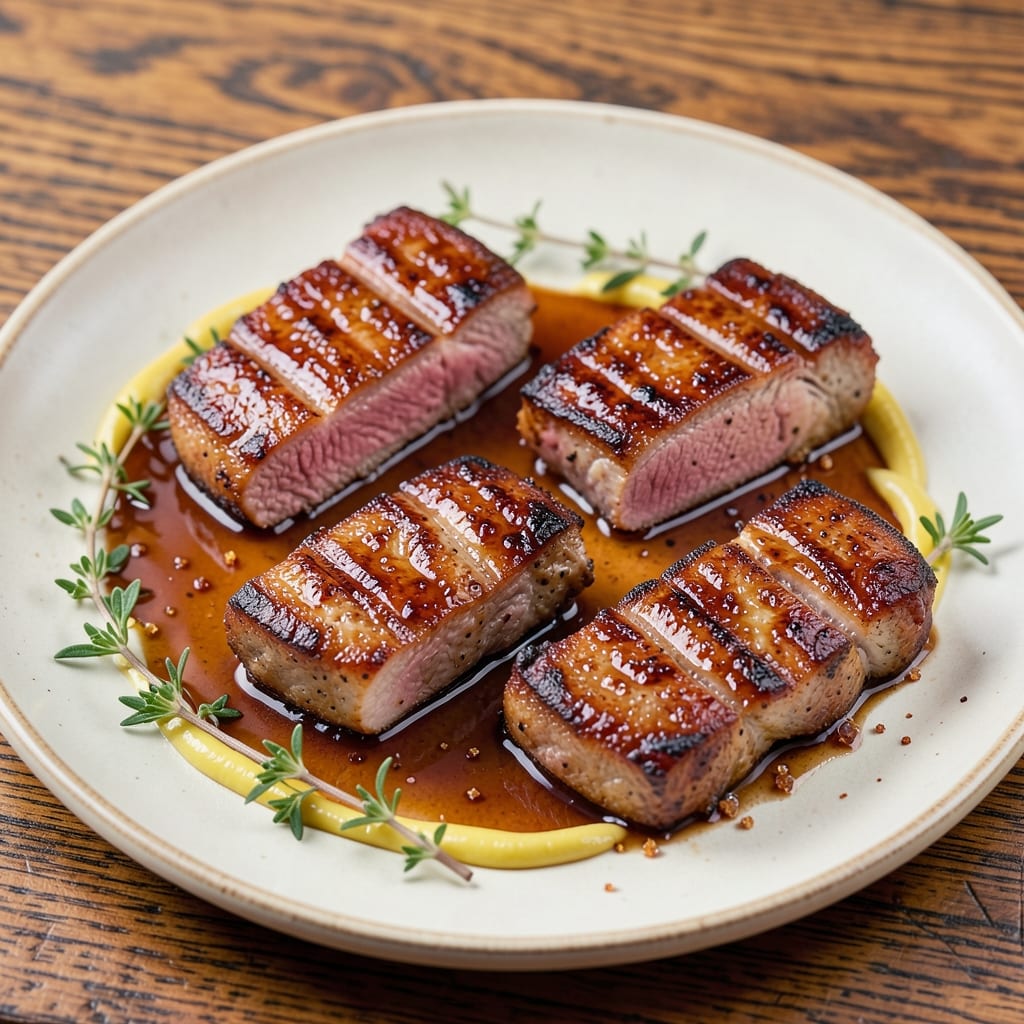
This Foodnatics pork chop recipe delivers the perfect balance: a crispy apple-cider glaze that caramelizes into a sticky, aromatic crust while keeping the centers juicy and pink—just as they should be. I developed this technique after years of perfecting pork at The Smoky Pig, where we process 2,000 pounds weekly, and it’s now my go-to for weeknight dinners that feel like a restaurant meal. The secret lies in a two-stage sear: first rendering fat over medium heat, then finishing with the glaze at high heat to lock in moisture while creating that coveted caramelized bark.
The glaze transforms simple pork chops into something special—apple cider, brown sugar, and Dijon mustard work together to create a sauce that’s tangy, sweet, and just slightly spicy. I use bone-in chops for better flavor penetration, but the technique works equally well with boneless if you’re short on time. The key is patience: let the glaze simmer until it thickens enough to coat the chops, but don’t rush—this is where the magic happens. And trust me, the aroma alone will have everyone gathering at the table before the timer goes off.
What you’ll end up with is a plate that looks and tastes like it belongs in a high-end steakhouse: golden, glistening chops with a glaze that clings to every bite, offering bursts of apple and a hint of smokiness from the sear. The internal temperature should hit 145°F for medium-rare—use a meat thermometer to nail it every time. Serve with a simple arugula salad or roasted sweet potatoes to let the pork chop take center stage. This isn’t just dinner; it’s a showstopper.
For those who love to experiment, swap the apple cider for pear nectar or add a splash of bourbon to the glaze for depth. The technique scales perfectly for a crowd, too—just double the glaze and cook the chops in batches. Once you master this, you’ll never settle for store-bought again. Let’s get cooking—your taste buds will thank you.
Ingredients for foodnatics pork chop
Four juicy chops and a glaze that turns weeknight dinner into a restaurant-worthy showstopper.
| Ingredient | Amount | Notes |
|---|---|---|
| Bone-In Pork Chops 🥩 | 4 pieces | 1-inch thick, center-cut preferred |
| Unsalted Butter 🧈 | 2 tbsp | Cold, for searing |
| Apple Cider 🍎 | 1 cup | Unfiltered for best flavor |
| Brown Sugar 🍚 | ½ cup | Packed, light or dark |
| Dijon Mustard 🍯 | 2 tbsp | Mellow variety preferred |
| Fresh Thyme Leaves 🌿 | 1 tbsp | Chopped, or 1 tsp dried |
| Garlic Cloves 🧄 | 2 cloves | Minced, for glaze depth |
| Kosher Salt 🧂 | 1 ½ tsp | Diamond Crystal preferred |
| Black Peppercorns 🌶️ | ½ tsp | Freshly cracked |
| Olive Oil 🫒 | 1 tbsp | For finishing glaze |
| Fresh Rosemary 🌿 | 1 sprig | For aroma, optional garnish |
The pork chops are non-negotiable—look for center-cut, bone-in with good marbling. Whole Foods or your local butcher shop are best for quality cuts. If you're using boneless, pat them dry and score the surface lightly with a knife for better glaze adhesion. The apple cider should be unfiltered (the sediment adds depth), and I always grab the local hard cider if I'm feeling fancy. For the brown sugar, light or dark both work, but dark adds a subtle molasses note that pairs beautifully with the apple. The Dijon mustard is where the magic happens—Maille is my go-to, but any good-quality brand will do. Fresh thyme and rosemary make all the difference, so don't skimp here. I buy mine from the grocery store's produce section, but Trader Joe's has the best prices for bulk herbs.
No apple cider? Pear nectar or white grape juice works in a pinch, though the flavor will be slightly different. Running low on Dijon? Yellow mustard at half the amount gets you close, though it lacks the depth. The glaze can be made ahead—store it in the fridge for up to 3 days or freeze it for 3 months. For the pork chops, if you can't find bone-in, bone-in pork loin chops work just as well. The glaze thickens as it cooks, so if it seems too runny, let it simmer uncovered for a minute or two. And trust me on the two-stage sear—rendering the fat first ensures that crispy crust without drying out the meat. The internal temp should hit 145°F for perfect medium-rare, so grab that meat thermometer.
The glaze reheats beautifully—just warm it gently on the stove and brush it over the chops. These keep well in the fridge for 3-4 days, though they're best served fresh. For leftovers, wrap them tightly in foil and reheat in a 350°F oven for 10-15 minutes. The glaze freezes well too—portion it into ice cube trays for easy single-use servings. And here's a pro tip: save the leftover glaze—it's perfect for drizzling over pancakes or roasted vegetables. The chops reheat best in a skillet with a splash of water to keep them moist. Serve with a simple arugula salad or roasted sweet potatoes to let the pork take center stage.
Why You'll Love This Recipe
- One-Pan Magic: Between us, this recipe is my go-to when I’d rather not wash a million dishes. The apple cider and butter braise everything in one pan—just sear those bone-in chops, toss in the rest, and walk away. (Yes, even on a Tuesday night.)
- Sweet-Savory Bite: That caramelized brown sugar crust? It’s the star. The Dijon mustard cuts through the richness while the apple cider keeps it bright—like a hug for your taste buds, but with actual protein. Honestly, the first time I tried it, I nearly licked the pan.
- Weeknight to Dinner Party: Serve it with mashed potatoes for a lazy night, or plate it with roasted veggies and crusty bread for when your in-laws show up. The bone-in chops stay juicy, the sauce thickens just enough to coat everything—no last-minute stress, just effortless wow factor.
- Budget-Friendly Leftovers: Pork chops are cheaper than you think, and this recipe stretches them further with the cider and butter. Reheat the slices in a skillet with a splash of apple cider the next day, and suddenly you’ve got a whole new meal for half the effort. My daughter picks out the best pieces, but still asks for seconds.
Step-by-step instructions for apple-cider glazed pork chops
Here's how to create perfectly crispy edges with juicy pink centers every time.
Season and Sear the Pork Chops
Pat the 4 pieces bone-in pork chops dry with paper towels—this is crucial for crispy skin. Place them on a cutting board and season both sides generously with the 1.5 teaspoons kosher salt and 0.5 teaspoon freshly cracked black peppercorns. Let them sit at room temperature for 15 minutes while you prep the rest.
Heat a large skillet over medium-high heat and add the 2 tablespoons cold unsalted butter. When the butter foams but hasn't browned (about 1 minute), carefully add the pork chops in a single layer. Don't crowd the pan—this prevents even searing. Cook for 4-5 minutes per side until golden brown with crisp edges. I press down gently on the chops during the first minute to prevent curling, which ensures even contact with the pan.
Build the Apple-Cider Glaze
Remove the pork chops from the skillet and set them aside on a plate. Reduce the heat to medium and add the 2 tablespoons Dijon mustard to the same skillet. Let it cook for 30 seconds until fragrant, then pour in the 1 cup apple cider. Stir to deglaze the pan, scraping up all those delicious browned bits from the bottom.
Add the 0.5 cup packed brown sugar and 1 tablespoon chopped fresh thyme leaves to the skillet. Stir well to combine, then bring the mixture to a gentle simmer. Let it reduce by about half (about 5-6 minutes) until it thickens slightly and coats the back of a spoon. This is your glaze foundation—it should be syrupy but still pourable.
Finish with Garlic and Rosemary
Add the 2 minced garlic cloves to the glaze and cook for 30 seconds until fragrant. Return the pork chops to the skillet, spooning the glaze over them generously. Cover and let them simmer for 3-4 minutes, turning occasionally, until the internal temperature reaches 145°F when measured with an instant-read thermometer. This ensures perfect doneness—juicy pink centers with crisp edges.
For the final touch, drizzle with the 1 tablespoon olive oil and garnish with the fresh rosemary sprig. Let the pork chops rest for 5 minutes before serving—this allows the juices to redistribute, keeping every bite moist and flavorful.
Pro Tips For Making Foodnatics Pork Chop
- SEAR FIRST, THEN BRAISE: Brown the pork chops in butter until they’re deep golden—don’t rush this part. The crust locks in flavor and keeps the meat juicy, especially with bone-in cuts that can dry out if you skip the sear.
- USE COLD CIDER: Pour the apple cider cold into the pan after searing—it’ll sizzle like crazy and caramelize faster. Warm cider just steams, and you’ll end up with a watery sauce instead of that glossy, sticky glaze.
- SALT THE CHOPS LONG BEFORE COOKING: Pat them dry and season generously with salt at least 30 minutes ahead. Bone-in chops need time for the salt to penetrate, and dry surfaces ensure the butter clings instead of sliding off.
- DON’T SKIP THE MUSTARD MASH: Mix the Dijon into the brown sugar before adding it to the pan—this creates a smoother, thicker coating that sticks to the pork instead of clumping. Stir it in like you’re frosting a cake, not just dumping it in.
Pro cooking tips for perfect results
Two-Stage Sear
This is the game-changer for perfect pork chops: start with a medium heat to render fat, then crank to high heat for the final sear. I use a cast iron skillet—it retains heat beautifully and creates that crispy crust. The first stage (medium heat) takes about 4-5 minutes per side, while the final sear at high heat should be just 1-2 minutes to lock in juices. 🔥
Butter Timing
Cold butter is your secret weapon—it melts slowly, creating steam that keeps the chops moist while building flavor. Add it to the medium-high heat skillet and let it foam before adding the chops. If the butter browns too quickly, reduce heat slightly. I always use European-style unsalted butter (like Plugrá) for richer flavor.
Glaze Thickness
The glaze should coat the back of a spoon but still be pourable—this means it's reduced by about half. If it's too thin, simmer uncovered for 1-2 extra minutes. For extra depth, I sometimes add 1 tsp apple cider vinegar to the glaze while reducing. The sugar should caramelize slightly, giving that perfect balance of sweet and tangy.
Internal Temp
Use a meat thermometer to hit 145°F internal temperature—this ensures juicy pink centers without overcooking. I recommend the ThermoWorks Smoke for accuracy. If your chops are thicker than 1-inch, add 1-2 extra minutes to the cooking time. Never guess—precision is key here.
Resting Period
Let the chops rest for 5 minutes before serving—this crucial step prevents juices from pooling and running out when you cut in. I place them on a wire rack over a baking sheet to catch any drippings. This also lets the glaze set slightly, making for cleaner plating. 💫
Skillet Choice
A cast iron skillet is ideal, but if you don't have one, a stainless steel or carbon steel pan works too. Avoid nonstick—it won't create the same crispy crust. I season my cast iron with flaxseed oil before each use for that perfect nonstick surface while maintaining flavor. Preheat your pan for 5 minutes before adding the chops for even cooking.
Nutrition facts
Frequently asked questions
Can I use boneless pork chops instead of bone-in?
The recipe works perfectly with boneless chops—just reduce cooking time by 1-2 minutes per side since they cook faster. Pat them extra dry and score the surface lightly with a knife before seasoning for better glaze adhesion. Boneless chops also work better for crowd feeding since they're easier to portion evenly.
What if I don't have apple cider? Can I substitute?
Use pear nectar, white grape juice, or even dry apple juice in a pinch. For extra depth, add 1 teaspoon apple cider vinegar to the glaze. Avoid orange juice—it will overpower the pork's natural flavor. The glaze will still caramelize beautifully, just with slightly different sweetness notes.
How do I fix overcooked pork chops?
If your chops are dry, try this rescue: Slice them thinly against the grain, then quickly pan-sear in 1 tablespoon butter with 2 tablespoons heavy cream and 1 teaspoon Dijon mustard for 2-3 minutes. The cream will add moisture and create a silky sauce. Serve immediately over mashed potatoes or polenta to soak up the juices.
Can I make this recipe in the oven instead of a skillet?
Yes! Preheat oven to 425°F. Place chops on a wire rack over a baking sheet, brush with olive oil, and season. Roast for 12-15 minutes (bone-in) or 10-12 minutes (boneless), then broil for 2-3 minutes to caramelize. For the glaze, reduce it on the stovetop first, then brush over chops during the last 5 minutes of roasting. The oven method works great for larger batches.
What's the best way to reheat leftovers?
Reheat chops in a skillet over medium-low heat with 1 tablespoon butter and 1 tablespoon apple cider for 2-3 minutes per side. For extra moisture, cover the pan for the last 1 minute. Never microwave—it makes the meat rubbery. The glaze reheats beautifully too: warm it in a small saucepan with 1 teaspoon water until bubbly.