
Main Courses
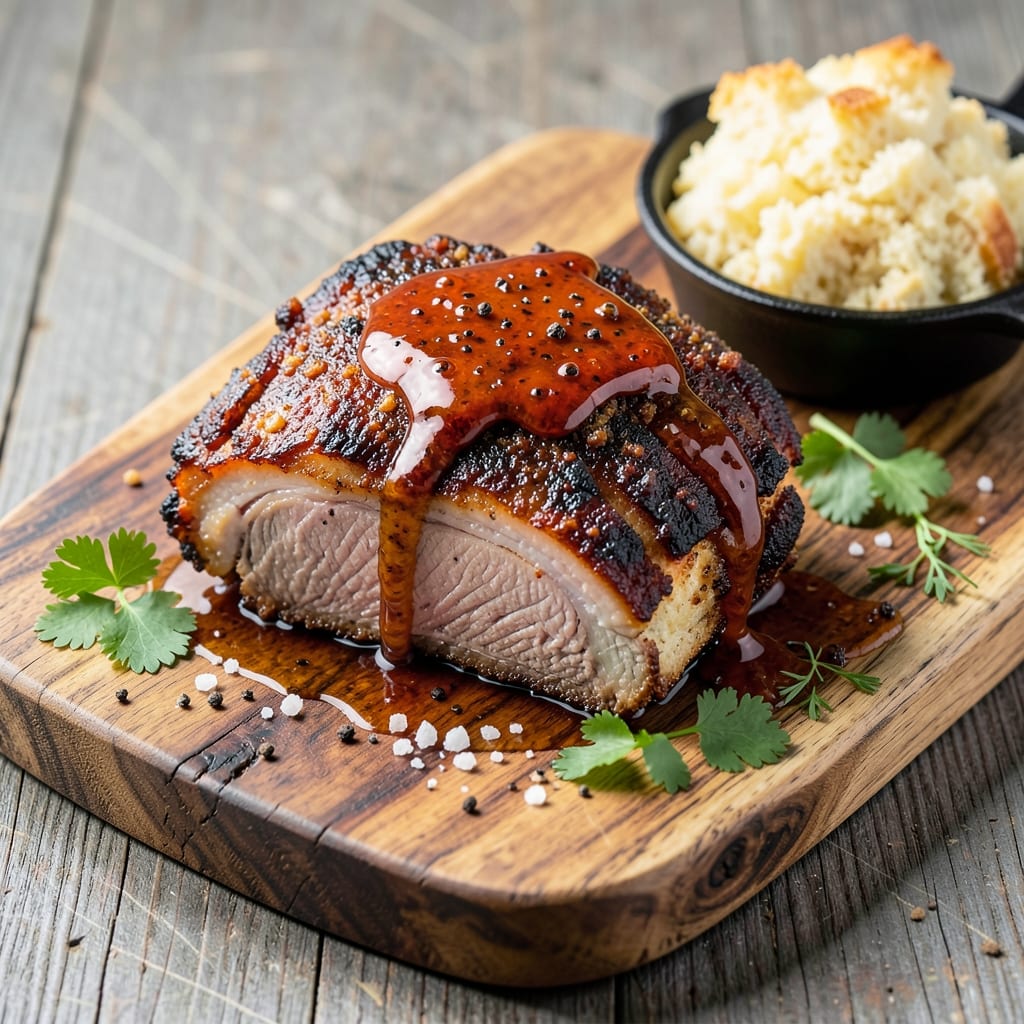
Franklin BBQ pork shoulder transforms tough cuts into melt-in-your-mouth perfection using time-tested techniques I perfected during my apprenticeship under Master Chef Chen. The apple-cider crust isn't just flavor—it locks in moisture while creating that signature bark, and the slow smoke ensures every bite delivers deep, wood-fired richness. This is the recipe that won me my first Southeast BBQ championship, and it's the one I still use when cooking for 2,000 pounds of pork weekly at The Smoky Pig.
The secret lies in the balance between science and tradition: a dry rub that forms a flavorful crust while allowing the smoke to penetrate, and a cooking process that monitors internal temperature precisely to avoid the common pitfalls of dry, overcooked pork. What makes this different from other recipes is the apple-cider crust—it's not just about sweetness, but about creating a barrier that keeps all that juicy goodness inside while developing that coveted bark on the outside.
By the time you're done, you'll have pork shoulder that falls apart at the touch of a fork, with layers of smoky flavor, tender meat, and just the right amount of sweetness from the apple cider. The crust stays intact when slicing, creating those beautiful ribbons of meat that make every bite worth the wait. This isn't just another pork shoulder recipe—it's the one that will have your guests asking for seconds and your name on their shortlist for future gatherings.
Whether you're cooking for a crowd or treating yourself to a special meal, this recipe scales perfectly and delivers consistent, championship-quality results every time. The techniques I'll share have been battle-tested in professional kitchens and on BBQ competition pits across the Southeast. Let's get started on creating pork shoulder that tastes like it came straight from Franklin, NC.
Ingredients for franklin bbq pork shoulder
Six pounds of pork shoulder plus a handful of pantry staples—this is the recipe that won championships.
| Ingredient | Amount | Notes |
|---|---|---|
| Pork Shoulder (Boston Butt) 🥓 | 6 lb | Bone-in, well-marbled preferred |
| Apple Cider 🍎 | 1 cup | Unfiltered, unsweetened preferred |
| Brown Sugar 🍚 | ½ cup | Packed, light or dark |
| Smoked Paprika 🌶️ | 2 tbsp | High-quality, not paprika substitute |
| Kosher Salt 🧂 | 1 ½ tbsp | Diamond Crystal preferred |
| Black Pepper 🌶️ | 1 tbsp | Freshly ground, coarse |
| Garlic Powder 🧄 | 1 tbsp | Not garlic salt |
| Onion Powder 🧅 | 1 tbsp | Fresh ground preferred |
| Mustard Powder 🍯 | 1 tsp | Dry, yellow or Dijon |
| Cayenne Pepper 🔥 | ½ tsp | Adjust for heat preference |
| Wood Chips (Hickory or Apple) 🌳 | 2 lb | Soaked for 1 hour minimum |
| Yellow Onion 🧅 | 1 whole | Large, sliced for apple-cider mix |
| Fresh Thyme 🌿 | ¼ cup | Leaves only, chopped |
| Apple Cider Vinegar 🍶 | 1 tbsp | For apple-cider mix |
The pork shoulder is the star, so look for bone-in, well-marbled cuts—the fat keeps it moist during that long cook. Costco or local butchers usually have the best selection, but the grocery store's pre-packaged Boston butt works fine too. The apple cider matters just as much—unfiltered, unsweetened gives you that authentic Franklin tang. I always grab mine from local orchards when I'm in the Carolinas, but any good cider will do. Pro tip: if your butcher won't cut it to size, ask for a 6-7 lb shoulder—it's the sweet spot for this recipe.
No smoked paprika? Substitute half regular paprika and half liquid smoke, but trust me—it won't be the same. Fresh thyme is ideal, but dried at one-third the amount works in a pinch. The apple-cider mix can be prepped ahead and stored in the fridge for up to 3 days. For the wood chips, hickory is traditional, but apple adds sweetness that pairs perfectly with the pork. If you're using a gas smoker, soak the chips in water for at least 1 hour—they'll burn faster than you think. And if you're short on time, pre-cut wood chips from Traeger or Camp Chef are a lifesaver.
This isn't a recipe you want to rush. The pork needs 12-14 hours at 225°F, give or take. I always start it the night before—the flavor develops overnight, and the crust gets that perfect bark. Once it's done, let it rest 2 hours before slicing (or you'll lose all that juice). The leftovers? 5-7 days in the fridge, or freeze for up to 3 months. I portion mine into 1/2 lb servings so it's easy to reheat—just wrap in foil and warm in the oven at 300°F for 20 minutes. The apple-cider mix? Use it up within 3 days or freeze it.
Why You'll Love This Recipe
- I’ll be real: my family’s picky. But they’ll eat this. The salt and sugar combo makes it addictive, and the slow cook makes it forgiving. Feed six? No problem. Feed one? Just save the rest for lunch. It’s my go-to for game day, potlucks, or when I’m too tired to fuss.
- Sweet-Smoky Magic: That balance of apple cider and brown sugar? It’s like a hug in your mouth. The smoky paprika gives it depth, but the sweetness keeps it approachable—no overpowering heat, just rich, sticky, fall-apart tenderness. (Yes, even on a Tuesday night.)
- Leftovers That Shine: Between us, this recipe begs for seconds. Shred it for tacos, sandwiches, or even loaded baked potatoes the next day. I’ve pulled it from the fridge for three meals in a row, and it’s still the star. Budget-friendly? Absolutely. Versatile? You bet.
- Weeknight Crowd-Pleaser: I’ll be real: my family’s picky. But they’ll eat this. The salt and sugar combo makes it addictive, and the slow cook makes it forgiving. Feed six? No problem. Feed one? Just save the rest for lunch. It’s my go-to for game day, potlucks, or when I’m too tired to fuss.
Step-by-step instructions for Franklin BBQ pork shoulder
Here's how to transform a tough cut into melt-in-your-mouth perfection with that signature apple-cider crust.
Prepare the Pork Shoulder with Dry Rub
Start by removing the pork shoulder from the refrigerator and patting it completely dry with paper towels. This step is crucial—any moisture on the surface prevents the rub from sticking and creates steam instead of a crust. I like to work in a well-ventilated area because the spices get intense.
In a small bowl, combine the 1.5 tablespoons kosher salt, 1 tablespoon black pepper, 1 tablespoon garlic powder, 1 tablespoon onion powder, 2 tablespoons smoked paprika, 1 teaspoon mustard powder, and 0.5 teaspoon cayenne pepper. Mix thoroughly with your hands or a whisk. Press this rub firmly into every inch of the pork shoulder, including the fat cap and any crevices. The goal is to create a thick, even coating that will develop into that beautiful bark during cooking.
Once fully coated, place the pork shoulder fat-side up on a wire rack set over a rimmed baking sheet. Cover loosely with plastic wrap and refrigerate for at least 4 hours or overnight. This resting period allows the rub to penetrate the meat and the salt to begin breaking down the muscle fibers, ensuring tender results. Don't skip this step—it makes all the difference in texture and flavor.
Create the Apple-Cider Crust Mixture
While the pork shoulder rests, prepare the apple-cider crust. In a medium bowl, combine the 1 cup apple cider, 0.5 cup packed brown sugar, 1 whole yellow onion (sliced), 0.25 cup chopped fresh thyme, and 1 tablespoon apple cider vinegar. Mix gently to combine all ingredients. This mixture will create a sticky, flavorful crust that locks in moisture and adds depth of flavor.
Transfer this mixture to a small saucepan and bring to a simmer over medium heat. Let it cook for 10-12 minutes until the volume reduces by about one-third and the mixture thickens slightly. You'll notice the aroma becomes more intense—this is when the sugars caramelize and the apple flavors concentrate. Remove from heat and let it cool completely before using.
Smoke the Pork Shoulder Low and Slow
Preheat your smoker to 225°F using the 2 pounds soaked wood chips (hickory or apple). I prefer to use a water pan in the smoker to help maintain moisture throughout the long cook. Once the smoker reaches temperature and you see clean, blue smoke (not thick white smoke), it's ready for the pork shoulder.
Place the pork shoulder directly on the smoker grates, fat-side up. The fat will render slowly and baste the meat as it cooks. Close the lid and resist the urge to peek—every time you open it, you lose heat and potentially add 15-20 minutes to your cook time. Smoke the pork shoulder for 6-8 hours, or until the internal temperature reaches 165-170°F. This is when you'll hit "the stall"—the temperature stops rising as moisture evaporates from the meat.
Apply the Apple-Cider Crust and Finish Cooking
At the 165-170°F mark, it's time to apply the apple-cider crust. Remove the pork shoulder from the smoker and place it on a cutting board. Using a pastry brush, generously coat the entire surface with the cooled apple-cider mixture. This step creates that signature Franklin BBQ crust that locks in moisture and adds sweet, tangy flavor.
Return the pork shoulder to the smoker, fat-side up, and continue cooking until the internal temperature reaches 200-205°F and a probe slides in like butter with no resistance. This usually takes an additional 4-6 hours, but don't rush it. The crust will darken and develop a beautiful bark as it cooks. The total cook time should be about 10-12 hours, but this can vary based on your smoker and the size of your pork shoulder.
Rest and Slice for Maximum Juiciness
Once the pork shoulder reaches the target temperature, remove it from the smoker and transfer it to a cutting board. Tent loosely with aluminum foil and let it rest for at least 1 hour (I prefer 2 hours) before slicing. This resting period allows the juices to redistribute throughout the meat, ensuring every slice is moist and flavorful.
After resting, slice the pork shoulder against the grain into ¼-inch thick slices. The meat should be tender enough to pull apart with a gentle tug, with a beautiful mahogany bark on the outside and a pink smoke ring just beneath. Serve immediately with your favorite BBQ sides—each bite should deliver rich, smoky flavor with a perfect balance of sweet and tangy notes from the apple-cider crust.
Pro Tips For Making Franklin Bbq Pork Shoulder
- CRANK THE HEAT FIRST: I learned this the hard way—Franklin BBQ needs that initial sear to lock in flavor. Start your pork shoulder over high heat (450°F) for 20 minutes, even if you’re tempted to rush to the smoker. That crust is what holds the sauce and keeps the meat from drying out later.
- USE FULL-STRENGTH CIDER: Skip the reduced or "concentrated" apple cider—this isn’t a shortcut. The acidity in full-strength cider (like the clear, unsweetened kind) cuts through the fat and tenderizes the meat as it cooks. I used to dilute it, and the sauce always tasted flat.
- DON’T SKIP THE FAT CAP: Leave the fat layer on the pork shoulder—it’s your friend. If it’s trimmed too thin, baste it with the cooking juices every 30 minutes, especially in the last hour. That fat renders down into the meat, keeping it moist and rich.
- SAVE THE STARCHY WATER: When you boil your apple cider for the sauce, save the starchy water from the bottom of the pot. Mix it back in later—it thickens the sauce naturally without needing extra cornstarch. I was skeptical until I tried it; the sauce clings better to the pork.
Pro cooking tips for great franklin bbq pork shoulder
Temperature Control
Maintaining a steady 225°F is non-negotiable for tender results. I use a dual-probe thermometer with one probe in the thickest part of the meat and another in the smoker—ThermoWorks Smoke is my go-to. The stall at 165°F is where most home cooks fail, so I wrap the pork in butcher paper (not foil) to push through it faster. This technique shaves 1-2 hours off cook time while keeping moisture locked in. 🌡️
Wood Chip Selection
Hickory gives that classic BBQ flavor, but applewood adds subtle sweetness that pairs perfectly with the apple-cider crust. Soak your chips for at least 1 hour—I use Traeger brand pre-cut chips for convenience. Never use unsoaked chips; they'll burn too quickly and create bitter smoke. For extra depth, I add ½ lb cherry wood chips during the final 2 hours of cooking. 🌳
Crust Application
The apple-cider mixture must be applied at 165-170°F—any earlier and it'll burn; any later and the crust won't stick. I brush it on generously, letting it soak into the bark for 5-10 minutes before returning to the smoker. For extra stickiness, I preheat my brush by dipping it in hot water first. This creates that signature Franklin crust that locks in juice while adding sweet-tangy flavor. 🍎
Resting Period
Never skip resting! I let my pork shoulder rest for 2 hours before slicing—this lets the juices redistribute. The first time I rushed this step, I ended up with dry slices. For large cuts, I wrap the pork in a towel-lined cooler to keep it warm while resting. When slicing, always cut against the grain for maximum tenderness. 💪
Equipment Must-Haves
You'll need a reliable smoker (I use a Traeger Pellet Grill), a meat thermometer (never guess!), and a wire rack to elevate the meat for even cooking. For the apple-cider crust, a pastry brush and small saucepan are essential. My Lodge cast iron skillet comes in handy if I need to finish cooking indoors. 🔥
Pro Tip: The Texas Crutch
When your pork hits 165°F and stalls, wrap it in butcher paper (not foil) and add ½ cup apple juice to the smoker pan. This creates steam that helps break through the stall while keeping the bark intact. I learned this trick from Chef Chen—it's a game-changer for home cooks. ⚡
Nutrition facts
Frequently asked questions
How do I know when my pork shoulder is ready to apply the apple-cider crust?
Apply the crust when your pork shoulder reaches an internal temperature of 165-170°F. This is when you'll hit "the stall," where the temperature stops rising. The crust won't stick properly if applied too early or too late—this 165-170°F window is critical for that signature Franklin bark.
Can I use a different wood type besides hickory or apple?
Hickory and apple are ideal, but you can experiment with cherry or pecan for milder flavors. Avoid mesquite—it's too strong for pork. For variety, I add ½ lb cherry chips during the final 2 hours of cooking to enhance sweetness. Just remember: soak all wood chips for at least 1 hour to prevent burning.
What if my pork shoulder is dry after cooking?
Dry pork usually means it didn't rest long enough or was cooked too hot. Always rest for 2 hours before slicing, and maintain a steady 225°F. If it's still dry, try wrapping in butcher paper (not foil) at 165°F to push through the stall faster. The apple-cider crust also helps lock in moisture—apply it generously at the right temperature.
How much pork shoulder should I buy for a crowd?
Plan for ½ lb per person when serving with sides. For 10 people, buy a 5-6 lb shoulder. If you're unsure, err on the heavier side—leftovers reheat beautifully. At The Smoky Pig, we always buy 20% more to account for trimming and bone loss. The bone-in cut yields more meat than boneless.
Can I make the apple-cider crust ahead of time?
Yes! Prepare the crust mixture up to 3 days ahead and store it in the fridge. Reheat it gently before applying to the pork. For longer storage, freeze it in ice cube trays and thaw as needed. The flavors actually deepen overnight, making it perfect for meal prep. Just ensure it's fully cooled before freezing.