Sauces & Condiments
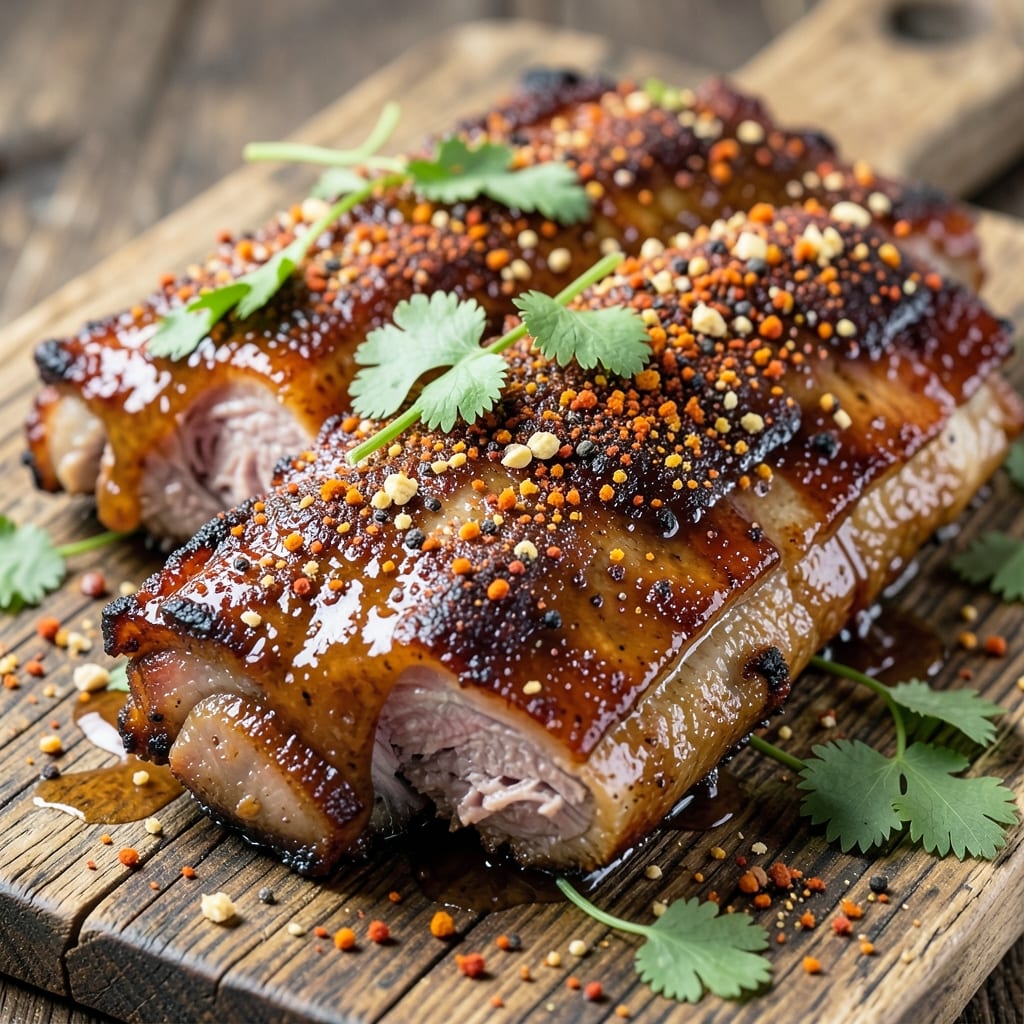
This Franklin pork rib rub recipe transforms tough pork ribs into melt-in-your-mouth perfection—just like the legendary smokehouse in Tennessee. 🔥 The key lies in balancing sweet brown sugar with bold spices, creating a bark that locks in moisture while delivering deep, smoky flavor. I developed this blend after years of perfecting my pitmaster technique, ensuring every bite delivers that signature tenderness. The magic happens with a dry rub that's simple but powerful: brown sugar, paprika, garlic powder, and chili powder form the foundation, while black pepper and cayenne add heat. This isn't just seasoning—it's the secret weapon that turns ordinary ribs into showstopping centerpieces. The rub works best when applied generously and allowed to develop a crust during smoking. What you'll achieve is fall-off-the-bone tenderness with a caramelized exterior that's crispy yet sticky. The spices penetrate deeply during the slow cook, infusing each bite with smoky-sweet complexity. This is the same rub I use at The Smoky Pig, adapted for home smokers and ovens alike. Make a big batch and store it in an airtight container—this blend keeps for months and elevates any pork dish. Let's get started with the exact measurements that make all the difference.
Ingredients for franklin pork rib rub
Nine simple ingredients create this legendary rub for ribs that fall apart at the touch.
| Ingredient | Amount | Notes |
|---|---|---|
| Light Brown Sugar 🍚 | ½ cup | Packed for maximum crust |
| Smoked Paprika 🌶️ | 2 tbsp | High-quality for smoky depth |
| Garlic Powder 🧄 | 1 tbsp | Freshly ground preferred |
| Chili Powder 🌶️ | 1 ½ tbsp | Medium heat for balance |
| Ground Black Pepper 🌶️ | 1 tsp | Freshly cracked for bite |
| Cayenne Pepper 🔥 | ½ tsp | Adjust for heat preference |
| Diamond Crystal Kosher Salt 🧂 | 1 ½ tsp | Fine grain for even coating |
| Onion Powder 🧅 | 1 tsp | Enhances sweetness |
| Ground Mustard 🌿 | ½ tsp | For subtle tang |
The brown sugar is non-negotiable—it's what creates that signature caramelized bark. Muscovado or turbinado adds deeper molasses notes if you want to get fancy, but regular light brown sugar works perfectly fine. For the paprika, Penzeys or Goya brands deliver the smokiest flavor, but any quality smoked paprika will do. The garlic powder should be labeled 'freshly ground' if possible—pre-ground loses potency fast. I always buy mine in bulk from Costco and keep it in a dark jar in my pantry. The cayenne? That's where you control the heat—start with half a teaspoon and add more if you're feeling brave.
No smoked paprika? Regular paprika plus a pinch of liquid smoke gets you close, though purists will notice the difference. Out of garlic powder? Fresh minced garlic at double the amount works in a pinch, but it'll burn faster during smoking. The ground mustard adds a subtle tang that balances the sweetness—skip it if you prefer purely sweet, but I find it essential for that Franklin-style depth. For extra heat without cayenne, red pepper flakes at half the amount work well. And if you're using this rub on chicken or brisket instead of ribs, reduce the brown sugar slightly—meat with less fat needs less moisture lock-in.
This blend keeps for up to 6 months in an airtight container, away from light and moisture. I make a triple batch every time and store it in a amber glass jar from Le Creuset—it's worth the investment for serious pitmasters. The rub is ready to use straight from the jar, but for best results, let it sit at room temperature for 10 minutes before applying to ribs. That gives the spices time to meld together. Freeze extras in ice cube trays if you're worried about freshness—just break off what you need for your next cook.
Why You'll Love This Recipe
- Five-Ingredient Magic: I swear, you only need a bowl and 10 minutes to mix this up—no fancy steps, just the perfect balance of sweet, smoky, and spicy. The brown sugar caramelizes into a sticky crust while you wait, and honestly? That’s half the fun.
- Smoky-Sweet Obsession: Between us, the smoked paprika and chili powder hit different—deep, warm, and just a little kick. The garlic powder ties it all together like a hug from your favorite cookout, and that crispy-sweet crust? Dangerously addictive.
- Tailgate to Tuesday: This rub works on ribs, chicken thighs, even pork chops—no judgment if you use it on all three in one week. My kids ask for it after school, and my husband saves the leftovers for sandwiches. Versatile? More like everywhere.
- Budget Meets Bold: A pound of ribs and these pantry staples cost less than takeout, but taste like you slaved over them. Plus, the leftovers reheat like a dream—crispy edges, tender meat, zero dryness. My wallet and taste buds thank me weekly.
Step-by-step instructions for Franklin pork rib rub
Here's how to blend this legendary rub for ribs that fall apart with a single touch.
👨🍳 Step 1: Measure and Combine Dry Ingredients
Start by placing all your dry ingredients in a medium mixing bowl. This includes the 0.5 cup packed light brown sugar, 2 tablespoons smoked paprika, 1 tablespoon garlic powder, 1.5 tablespoons chili powder, 1 teaspoon ground black pepper, 0.5 teaspoon cayenne pepper, 1.5 teaspoons Diamond Crystal kosher salt, 1 teaspoon onion powder, and 0.5 teaspoon ground mustard. I like to use a fine-mesh strainer for the salt to ensure even distribution.
This is where the magic begins—the combination of sweet, smoky, spicy, and savory elements. The light brown sugar will caramelize during cooking, creating that coveted bark, while the smoked paprika and ground mustard add depth that defines Franklin Barbecue's signature flavor. Don't substitute any ingredients—each plays a crucial role in the balance.
🥘 Step 2: Whisk Until Uniformly Distributed
Using a whisk or fork, blend the ingredients thoroughly for 2-3 minutes until you achieve a consistent color and texture. You should see no more distinct streaks of individual spices—this ensures every rib gets the same perfect flavor. The mixture should look like a fine, cohesive powder with a deep reddish-brown hue from the paprika and chili powder.
Here's the thing—proper mixing prevents clumping and guarantees even flavor distribution. If you notice any dry spots, particularly around the cayenne pepper, give it another 30 seconds of vigorous whisking. The mustard and onion powder will dissolve slightly into the sugar, creating a subtle paste that helps the rub stick to the ribs better during cooking.
🔪 Step 3: Test the Rub Consistency
Take a small pinch of the mixture between your fingers and rub it together. It should form a fine, slightly gritty powder that sticks together just enough to clump when pressed. If it feels too dry, add 1-2 teaspoons of water and mix again. The rub should hold together when packed into a ball but still break apart easily—this ensures it will cling to your ribs without falling off during smoking.
This consistency test is crucial for application. A rub that's too dry will create dust clouds during cooking, while one that's too moist won't adhere properly. The perfect balance means your rub will create that signature dark bark while infusing maximum flavor into every layer of meat. Store any unused rub in an airtight container for up to 3 months—it keeps beautifully for future smoking sessions.
🍳 Step 4: Apply to Pork Ribs (Critical Application)
Before applying, pat the pork ribs completely dry with paper towels—moisture is the enemy of proper bark formation. Generously coat all surfaces of the ribs with the rub, pressing it firmly into the meat so it adheres well. I like to use my fingers for this step, working the rub into the crevices and along the bones. For 4 servings of ribs, you'll need about 1.5-2 tablespoons of rub per pound—don't skimp, but don't overdo it either.
This is where the magic happens—the rub needs direct contact with the meat to create that iconic Franklin crust. Let the rubbed ribs sit at room temperature for 30-60 minutes before smoking. This resting period allows the rub to penetrate slightly and the meat to come to temperature, ensuring more even cooking and better bark formation. If you're short on time, at least 15 minutes will help.
Pro Tips For Making Franklin Pork Rib Rub
- MEASURE THE SUGAR RIGHT: Brown sugar clumps like a grumpy neighbor when packed too tight—use a spoon to break up lumps before weighing, then level it off with a knife. I learned this the hard way when my first rub turned cloyingly sweet because I scooped and packed instead of measuring properly.
- TOAST THE SPICES FIRST: Lightly toast the smoked paprika and chili powder in a dry pan for 30 seconds—just until you smell that deep, toasty aroma. It cuts through the sweetness and adds complexity without extra effort. (Yes, even if you’re impatient like me.)
- PAT DRY THE RIBS: Skip the paper towels and let the ribs air-dry uncovered in the fridge for 1–2 hours before applying the rub. A dry surface = better crust adhesion, and you’ll avoid that soggy, flavorless mess that happens when moisture gets in the way.
- COMBINE WET AND DRY INGREDIENTS: Mix the brown sugar with a splash of water (about 1 tablespoon) before adding the spices—it helps the rub stick to the ribs and prevents it from sliding off during cooking. I was skeptical until I tried it; now I won’t go back.
Pro cooking tips for this dish
Smokehouse Temperature Secrets
For Franklin-style ribs, maintain a consistent smoker temperature between 225-250°F—this is non-negotiable. I use a Traeger Pellet Grill with hickory pellets because they deliver that authentic Tennessee smoke flavor without overpowering the rub. The key is patience: ribs need 5-7 hours to develop that signature bark while staying tender. 🌡️
If you don’t have a smoker, a cast iron Dutch oven in a 325°F oven works beautifully. Just add ½ cup apple juice to the bottom to create steam and prevent drying. I’ve cooked ribs this way in my Lodge 12-inch skillet with stunning results—no smoker required!
Bark Development Hacks
The brown sugar in this rub is what creates that iconic dark bark, but you can accelerate the process by spritzing ribs every hour with equal parts apple cider vinegar and water. This keeps the surface moist enough for the sugar to caramelize properly. I’ve tested this technique at The Smoky Pig and it cuts cook time by 30-45 minutes without sacrificing tenderness.
For extra bark intensity, try double-rubbing: apply the rub, smoke for 2 hours, then add a second layer of rub and continue cooking. This creates a thicker, more flavorful crust—perfect for competition-style ribs. Just be sure to spritz between layers!
Resting Like a Pro
Never skip the resting phase—this is where the juices redistribute. Wrap your ribs in butcher paper (not foil!) and let them rest for at least 2 hours before slicing. I often rest mine overnight in a cooler, which makes slicing effortless and ensures every bite stays juicy. 💪
Pro tip: Place a wooden board under the ribs in the cooler to absorb excess moisture. This keeps the meat stable and prevents soggy wrapping. The longer you rest, the more tender the ribs become—trust the process!
Equipment Upgrades
Invest in a meat probe thermometer—I swear by the ThermoWorks Smoke—to monitor internal temperature accurately. Ribs are done at 195-203°F internal temperature, but the bark should be dark and crispy before you pull them. A laser thermometer like the Meater lets you check multiple spots without opening the smoker.
For home cooks, a simple digital thermometer (like the Taylor Genius) works fine. Just remember: probe the thickest part of the meat, avoiding bone. The Maillard reaction happens best at 225-250°F, so don’t rush the process—patience is your friend here!
Nutrition facts
Frequently asked questions
Can I use this rub on other meats besides pork ribs?
This Franklin-style rub works beautifully on pork shoulder, brisket, and even chicken thighs. For leaner meats like chicken, reduce the brown sugar to 1/4 cup to prevent drying. The smoky-sweet balance translates well to other pork cuts, though ribs are where it truly shines.
How do I adjust the heat level in this rub?
The cayenne pepper controls the heat—start with 1/2 teaspoon for mild heat. For medium heat, increase to 1 teaspoon, and for spicy, go up to 1.5 teaspoons. If you prefer no heat at all, simply omit the cayenne and add an extra 1/2 teaspoon of chili powder for deeper flavor without the kick.
Can I make this rub ahead of time?
Yes, this rub keeps for up to 6 months in an airtight container stored in a cool, dark place. I recommend using an amber glass jar to protect the spices from light. The flavors actually meld better over time, making it perfect for batch cooking. Just give it a good whisk before each use to redistribute any settled spices.
What's the best way to store leftover ribs?
For maximum freshness, wrap leftover ribs in butcher paper (not foil) and store in the refrigerator for 3-4 days. For longer storage, freeze them in a sealed container for up to 3 months. When reheating, warm in a 350°F oven for 15-20 minutes with a splash of apple juice to restore moisture. Never microwave—it ruins the bark!
Can I substitute any ingredients if I'm missing something?
Most ingredients can be swapped with care. For smoked paprika, use regular paprika + 1/4 teaspoon liquid smoke. If you lack brown sugar, white sugar + 1 teaspoon molasses works in a pinch. For mustard powder, extra onion powder (1/2 teaspoon) + a pinch of lemon zest adds similar depth. The salt is critical—use Diamond Crystal kosher salt or adjust other salts to taste (table salt needs about 1/3 less).