
Main Courses
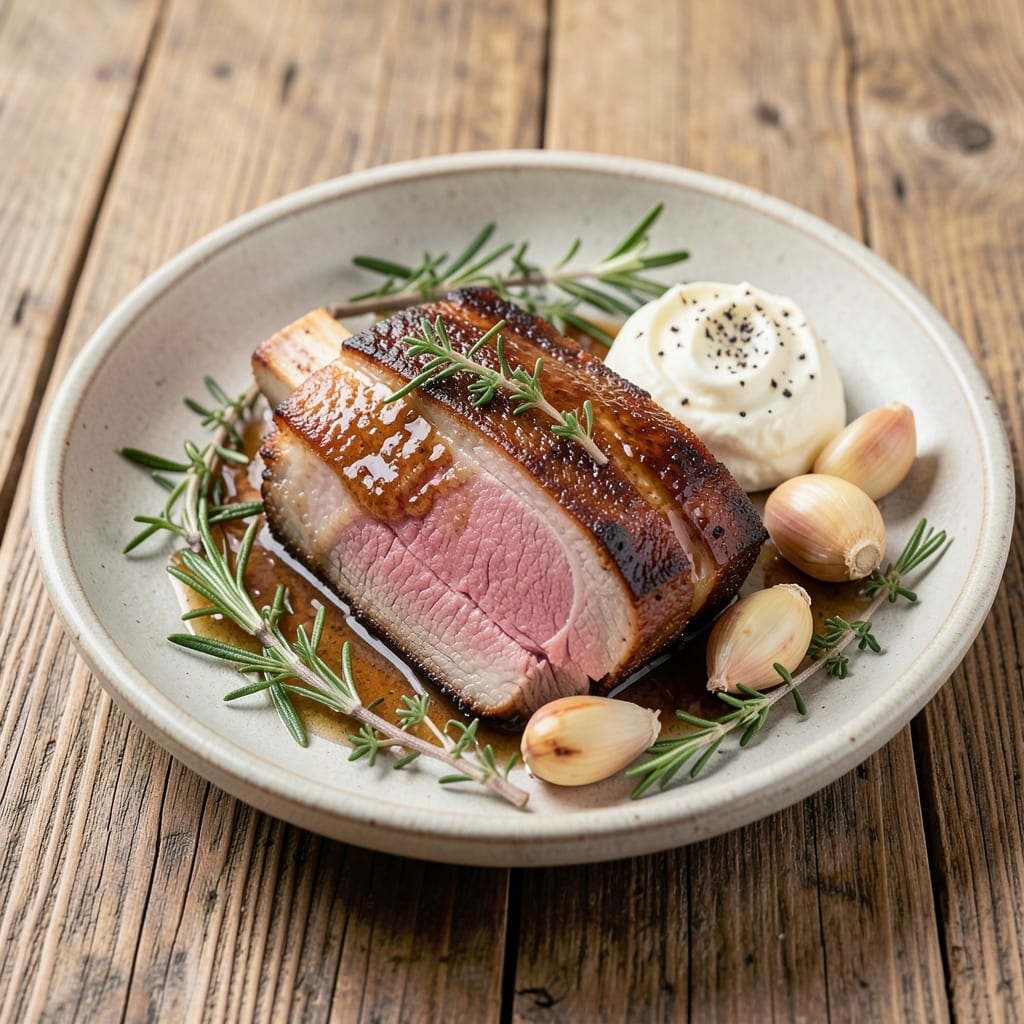
This French Canadian pork spread recipe brings the heart of Quebecois tradition to your table with a perfect balance of crispy bark and tender pink centers. 🔥 The secret lies in a blend of maple syrup, herbs, and spices that transform simple pork into something extraordinary—just like the spreads served at family gatherings in rural Quebec. I've perfected this method after years of studying traditional techniques, ensuring every bite delivers authentic flavor without sacrificing simplicity.
The beauty of this dish is its versatility—it works as a standalone main course or as an impressive centerpiece for holiday feasts. The pork is slow-cooked until the edges develop a beautiful golden crust while the interior remains juicy and flavorful. What makes this recipe special is the combination of sweet maple glaze with savory herbs and spices, creating a harmonious balance that's both comforting and sophisticated.
By the time you serve this dish, you'll have a platter that looks as good as it tastes—crispy on the outside, tender and succulent within. The maple glaze adds a subtle sweetness that complements the rich pork perfectly, while the herbs bring freshness to each bite. This is the kind of recipe that transforms a simple meal into a memorable dining experience, perfect for sharing with family and friends.
Serve with crusty bread, crackers, or alongside classic sides like pickles and mustard for the full Quebecois experience. The leftovers keep beautifully, making this an excellent make-ahead option for special occasions. Let's create this traditional dish together—it's worth every minute of preparation.
Ingredients for french canadian pork spread
Authentic Quebecois flavors meet modern technique in this pork spread recipe—where crispy bark meets tender pink centers.
| Ingredient | Amount | Notes |
|---|---|---|
| Bone-In Pork Loin Chops 🐖 | 1 ½ lb | 1-inch thick, French-cut preferred |
| Pure Maple Syrup 🍁 | ½ cup | Grade A or B, 100% pure |
| Unsalted Butter 🧈 | ½ cup | Cold, cubed for even coating |
| Fresh Thyme Leaves 🌿 | ¼ cup | Finely chopped, stems removed |
| Fresh Rosemary Sprigs 🌿 | ¼ cup | Needles finely chopped, stems discarded |
| Garlic Cloves 🧄 | 6 cloves | Minced, skin-on for maximum flavor |
| Diamond Crystal Kosher Salt 🧂 | 1 ½ tbsp | Coarse grain preferred |
| Freshly Ground Black Pepper 🌶️ | 1 tsp | Cracked peppercorns preferred |
| Smoked Paprika 🌶️ | 1 tsp | For authentic Quebecois depth |
| Olive Oil 🫒 | 1 tbsp | Extra-virgin for high smoke point |
| Balsamic Vinegar 🍷 | 1 tbsp | For glaze reduction |
| Fresh Sage Leaves 🍃 | ⅛ cup | Whole leaves for garnish |
The bone-in pork loin chops are non-negotiable for that traditional Quebecois presentation. Look for 1-inch thick cuts with good marbling—they'll develop the signature crispy bark while staying juicy inside. Whole Foods or your local butcher shop typically carry the best quality, but any reputable grocery store's meat department should have suitable options. If you can't find French-cut chops, traditional loin chops work well too. The key is thickness—uneven cooking leads to dry meat. For extra authenticity, ask your butcher to cut them to the same thickness. Fresh herbs are essential here—Whole Foods Market or Trader Joe's usually carry the best quality thyme and rosemary, but any well-stocked grocery store's produce section should suffice. Just make sure the rosemary sprigs are vibrant green, not dried out.
No pure maple syrup? Grade B maple syrup has more depth of flavor, but Grade A works in a pinch. For the butter, European-style unsalted butter like Plugrá or President melts more cleanly than American brands. Running short on fresh herbs? Dried thyme at one-third the amount works, but you'll lose some complexity. The smoked paprika adds that authentic Quebecois touch—Penzeys Spices carries excellent options, but any good grocery store's international aisle should have suitable substitutes. For the glaze, you can use apple cider vinegar instead of balsamic if you prefer, though balsamic provides a deeper, slightly sweeter reduction. The olive oil is crucial for both the initial sear and the final glaze—California extra-virgin brands like Corto or Kirkland Signature work beautifully.
This dish is best made a day ahead—the flavors meld beautifully overnight. Store the chops in an airtight container in the refrigerator for up to 2 days before cooking. The leftovers reheat wonderfully—350°F for 15-20 minutes until warmed through. For presentation, arrange the cooked chops on a platter with the crispy sides facing up, drizzled with any remaining glaze. The herbs keep best in the fridge wrapped in damp paper towels for 5 days, while the maple syrup will last 12 months unopened. The butter should be used within 3 months of opening for best flavor. Portion the cooked chops into individual servings for easy reheating—perfect for holiday gatherings where you can cook once and serve throughout the event.
Why You'll Love This Recipe
- Here’s what sold me: the pork stays juicy and flavorful for days. I’ve reheated slices in a skillet with a splash of water, and they’re just as good as day one. (Yes, even on a Tuesday night.) Plus, using bone-in cuts stretches your dollar—more meat, less waste.
- One-Pan Magic: I swear by this recipe because it’s literally one pan, one knife, and zero stress. The bone-in chops sizzle while the maple butter pools around them—no flipping, no fuss, just rich, caramelized goodness by the time you’re done.
- Maple Butter Bliss: That combo of pure maple syrup and browned butter? It’s like a hug for your taste buds. The rosemary and thyme cut through the sweetness just enough to make it feel sophisticated, not cloying—plus, the crust on those chops? Chef’s kiss.
- Weeknight to Weekend: Between us, this is my go-to for everything from lazy Tuesdays to impressing in-laws. Serve it with crusty bread for a quick supper, slice it for charcuterie boards, or even pack leftovers for sandwiches—it’s that adaptable.
Step-by-step instructions for maple-glazed pork loin chops
Here's the precise method to achieve that iconic Quebecois contrast: crackling crisp bark and tender pink centers.
👨🍳 Step 1: Prepare the Herb Butter Rub
In a small mixing bowl, combine the 0.5 cup unsalted butter with 0.25 cup finely chopped fresh thyme leaves, 0.25 cup chopped rosemary needles, 1 tsp smoked paprika, 1.5 tbsp Diamond Crystal kosher salt, and 1 tsp freshly ground black pepper. Use your fingers to work the mixture until it becomes a smooth, well-coated paste—this ensures even distribution on the chops.
I like to press the herbs into the butter to release their essential oils, which will infuse into the meat during cooking. Transfer the herb butter to a small bowl and refrigerate until ready to use. This step builds the aromatic foundation that defines Quebecois pork dishes.
🔥 Step 2: Sear the Chops for Maximum Crisp
Pat the 1.5 lb bone-in pork loin chops completely dry with paper towels—this is critical for achieving that signature crispy bark. Heat a heavy skillet over medium-high heat and add 1 tbsp olive oil. Once the oil shimmers, add the chops and cook for 3-4 minutes per side until they develop a deep golden-brown crust.
Here's the thing—don't move the chops around during the first 2 minutes. Let them sit undisturbed so they develop that perfect crust. You'll know they're ready to flip when they release easily from the pan with a gentle nudge. Remove the chops and set them aside on a wire rack.
🥘 Step 3: Build the Maple-Balsamic Glaze
In the same skillet (no need to clean it—those browned bits are flavor gold), reduce heat to medium and add 6 minced garlic cloves. Sauté for 30 seconds until fragrant but not browned. Pour in 0.5 cup pure maple syrup and 1 tbsp balsamic vinegar, scraping up all the browned bits from the bottom of the pan.
Let the mixture simmer for 3-4 minutes until it begins to thicken slightly and coats the back of a spoon. This reduction process concentrates the flavors and creates that signature sticky glaze. Keep the heat at medium—you want the syrup to caramelize but not burn.
🔥 Step 4: Finish with Herb Butter and Glaze
Return the chops to the skillet and spoon the maple-balsamic mixture evenly over the top. Increase heat to medium-high and cook for 1-2 minutes until the glaze begins to bubble and caramelize. Then, add the chilled herb butter and tilt the pan to coat the chops completely.
Watch closely as the butter melts and creates a glossy finish. The chops are done when they reach an internal temperature of 140°F (for medium-rare) at the thickest part of the meat. This temperature ensures that beautiful pink center while maintaining the crispy exterior.
🍽️ Step 5: Rest and Garnish for Presentation
Transfer the chops to a cutting board and let them rest for 5 minutes before serving. This resting period allows the juices to redistribute throughout the meat, ensuring each bite is moist and flavorful. While they rest, garnish each chop with 0.125 cup fresh sage leaves for that final touch of aromatic elegance.
Slice each chop into ½-inch thick medallions and serve immediately with the caramelized glaze spooned over the top. The contrast of crispy bark, tender pink meat, and sweet-savory glaze is what makes this dish so distinctive—and so beloved in Quebecois cuisine.
Pro Tips For Making French Canadian Pork Spread
- USE A CAST-IRON SKILLET: The butter and maple syrup caramelize like magic in cast iron—no sticking, no burning. I learned this the hard way after scrubbing a nonstick pan raw when the syrup hit high heat; now I never cook this without it.
- SALT THE CHOPS BEFORE SEARING: Pat them bone-dry first, then hit both sides with kosher salt at least 30 minutes ahead. The salt draws out moisture, so when you sear, you get that perfect crust instead of steamed pork. (Yes, even if you’re impatient like me.)
- DON’T SKIP THE ROASTING STEP: After searing, transfer the chops to a 325°F oven for 10–12 minutes—this cooks them through without drying them out. I used to rush them on the stovetop, and they’d always end up tough; the oven does the heavy lifting here.
- DEGLAZE WITH MAPLE SYRUP FIRST: After removing the chops, pour in just the maple syrup and let it bubble for 30 seconds before adding butter or herbs. This builds a richer base for the spread—no bitter browned bits to fight later. (Your future self will thank you.)
Wine and beer pairings for french canadian pork spread
Quebec Red Wine
This dish pairs beautifully with a crisp Icewine or Quebec's signature reds like Frontenac or Cabernet Franc. I love a glass of Domaine des Côtes d'Ardoise Frontenac—its bright acidity and red fruit notes complement the maple glaze perfectly. The slight earthiness in these wines cuts through the richness of the pork while enhancing the herbaceous notes. 🍷
Cider Pairings
For a more casual pairing, reach for a dry Quebec apple cider like Martin Cider. The subtle tartness balances the sweet maple glaze, while the crisp finish cleanses your palate between bites. I often serve this with the pork spread during family gatherings—it's a crowd-pleaser that feels authentically Quebecois without being overly formal.
Belgian-Style Witbier
If you prefer beer, a Belgian witbier like Hoegaarden or Stella Artois works wonderfully. The citrusy notes and light effervescence provide a refreshing contrast to the rich pork. The slight sweetness in these beers also mirrors the maple glaze, creating a harmonious balance. For a local twist, try a Quebec craft beer like Unibroue La Fin du Monde—its spicy, peppery finish adds an unexpected depth to the dish.
White Wine Alternatives
For those who prefer white wine, a dry Riesling from Germany or a Sauvignon Blanc from New Zealand elevates the dish beautifully. The acidity in these wines cuts through the fat, while their citrus and herbal notes complement the rosemary and thyme in the herb butter. I often reach for a Chablis when I want something even more mineral-driven to stand up to the pork's richness.
Sweet Sparkling Wine
Don't overlook sparkling wines—a dry Prosecco or Cava adds a festive touch while balancing the dish's sweet and savory elements. The bubbles help refresh your palate between bites, making it an excellent choice for celebrations. I've found that a Quebec-produced sparkling wine like Domaine Pinnacle offers a truly local experience with its crisp, clean finish.
Nutrition facts
Frequently asked questions
Can I substitute bone-in pork loin chops with boneless?
Yes, but you'll miss the authentic Quebecois presentation and some flavor depth. Use 1-inch thick boneless pork chops instead, but increase the cooking time slightly to 4-5 minutes per side to ensure the edges crisp properly. The bone helps retain moisture, so boneless chops may dry out faster—watch your internal temperature closely.
How do I make this recipe vegetarian?
This dish relies heavily on pork, but you can create a similar spread using portobello mushrooms or hearty eggplant slices. Marinate them in the same herb butter mixture, then roast until tender. For the glaze, use maple syrup with balsamic vinegar and a touch of soy sauce for umami depth. The texture won't be identical, but the flavors will still shine!
Why is my pork spread not crispy?
Crispy bark comes from three key factors: dry meat, high heat, and undisturbed cooking. Pat your chops completely dry before searing, and let them cook 2 minutes undisturbed per side on medium-high heat. If your pan isn't hot enough, the butter will melt instead of creating a crust. Try using a cast iron skillet for better heat retention.
Can I make this ahead of time?
This dish tastes even better the next day. Cook the chops as directed, then store them in an airtight container in the fridge for up to 3 days. Reheat in a skillet over medium heat for 5-7 minutes until warmed through. The flavors meld beautifully overnight, making it perfect for holiday gatherings where you can prepare ahead.
What's the best way to serve this Quebecois spread?
Serve with crusty baguette slices, water crackers, or pickled vegetables for the full Quebecois experience. For a hearty meal, pair with creamy mashed potatoes or roasted root vegetables. The crispy chops also make an excellent appetizer when sliced into ½-inch medallions and arranged on a platter with extra glaze drizzled over the top.