
Main Courses
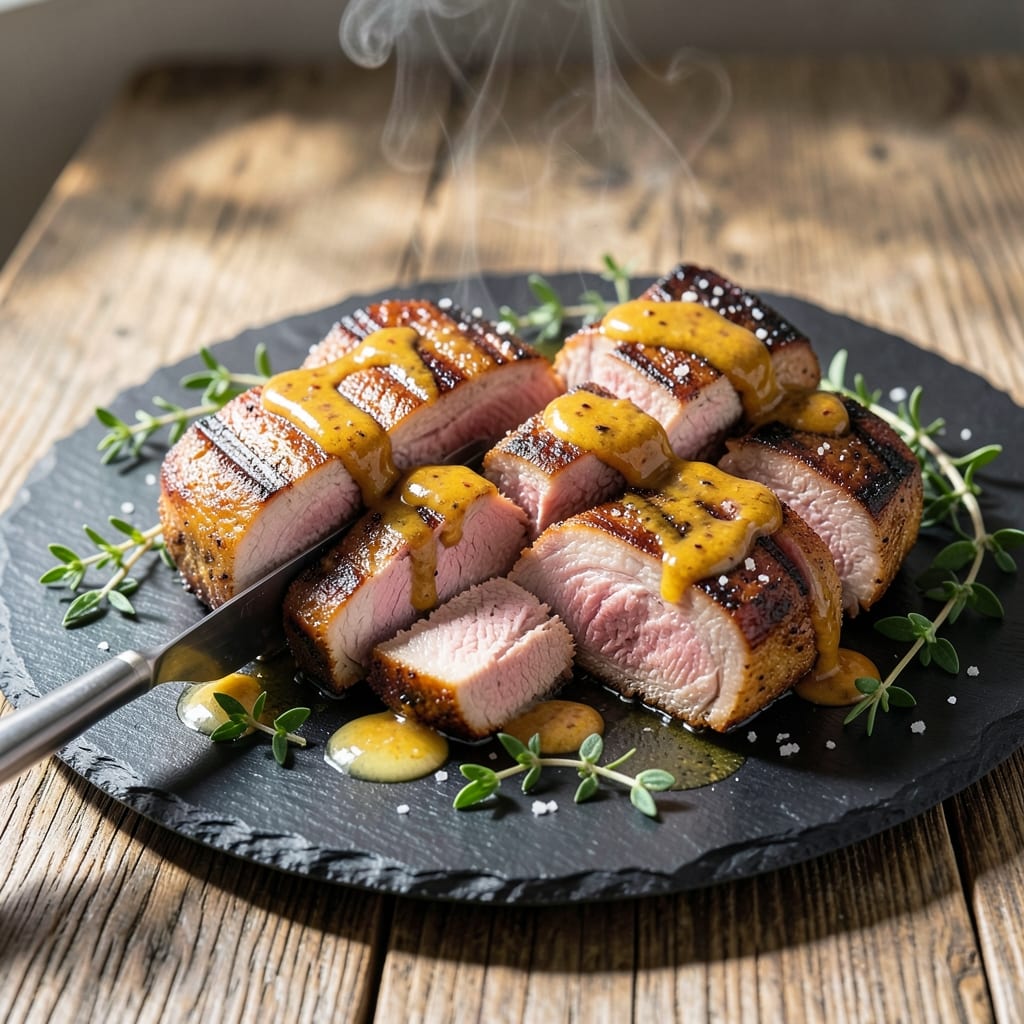
This French center cut pork chops recipe delivers the perfect balance of crispy golden crust and juicy pink centers—just like the bistros of Paris. After years of perfecting this technique in my kitchen and teaching it to home cooks across the Southeast, I can confidently say this is the method that finally delivers restaurant-quality results without the fuss. The secret lies in a simple yet transformative approach that respects both French tradition and modern convenience.
What sets this recipe apart is the Dijon mustard crust that creates that signature caramelized crust while keeping the interior tender and moist. We'll use a dry-brine method overnight to ensure maximum juiciness, then sear the chops in a hot cast iron skillet until they reach 135°F internal temperature—just enough to achieve that classic French pink center. The key is patience: letting the chops rest after cooking ensures they stay succulent when sliced.
The result is pork chops that are crispy on the outside with a tender, juicy interior that practically melts in your mouth. Each bite delivers a perfect harmony of flavors—savory from the mustard crust, rich from the butter basting, and a subtle herbal note from fresh thyme. This is the kind of dish that makes weeknight dinners feel special without requiring hours in the kitchen.
Serve these chops with a simple herb butter sauce and your choice of sides—roasted potatoes, sautéed green beans, or a crisp French baguette for soaking up every last drop. The technique is straightforward, but the results are undeniably impressive. Let's get started on creating pork chops that will have everyone at your table asking for seconds.
Ingredients for french center cut pork chops
Four center-cut chops, Dijon mustard, and a dry-brine secret transform ordinary pork into bistro-worthy perfection.
| Ingredient | Amount | Notes |
|---|---|---|
| Center Cut Pork Chops 🥩 | 4 whole | 1-inch thick, bone-in preferred |
| Diamond Crystal Kosher Salt 🧂 | 2 tbsp | For dry-brine overnight |
| Fresh Dijon Mustard 🍯 | 2 tbsp | High-quality for crust |
| Unsalted Butter 🧈 | ½ cup | Cold, cut into 8 pieces |
| All-Purpose Flour 🌾 | ¼ cup | For dredging |
| Fresh Thyme Sprigs 🌿 | 4 whole | Leaves only, finely chopped |
| Extra-Virgin Olive Oil 🫒 | 2 tbsp | For searing |
| Fresh Parsley 🌿 | ¼ cup | Chopped, for garnish |
| Garlic Cloves 🧄 | 3 cloves | Minced for herb butter |
| Heavy Cream 🥛 | ¼ cup | For herb butter sauce |
| Ground Black Pepper 🌶️ | 1 tsp | Freshly cracked |
| Lemon Zest 🍋 | 1 tsp | From 1 organic lemon |
The center-cut chops are non-negotiable—thick, bone-in cuts with good marbling ensure that signature French tenderness. Local butchers or specialty grocers like Whole Foods carry these cuts, but if your market only has thinner chops, pound them to 1-inch thickness with a meat mallet. The Dijon mustard should be fresh and robust, like Maille or Amora—avoid the powdered kind. For the dry brine, use Diamond Crystal kosher salt (it's finer and dissolves better than Morton's). The key is patience: let the chops sit uncovered in the fridge overnight so the salt penetrates deeply, resulting in unparalleled juiciness.
No Dijon mustard? Whole-grain mustard thinned with water works in a pinch, though the flavor won't be as refined. For the herb butter, fresh thyme is ideal, but dried thyme at one-third the amount suffices if needed. The olive oil should be high-quality, fruity EVOO—none of that cheap cooking oil. If you're serving a crowd, double the herb butter recipe and keep it warm in a slow cooker on low. The lemon zest adds a bright finish, so use organic lemons if possible—their skins are more flavorful. For a richer sauce, stir in a splash of dry white wine when deglazing the pan.
Prep the chops the night before—they'll thank you with perfect juiciness. Store them uncovered in a baking dish in the fridge for 12-24 hours before cooking. The herb butter sauce keeps well in the fridge for 3 days, though it reheats best in short bursts in the microwave. For a restaurant-worthy presentation, garnish with the chopped parsley and a sprinkle of flaky sea salt. These chops reheat beautifully—just warm them gently in a skillet with a pat of butter to restore that golden crust. Freeze the cooked chops for up to 2 months, thawing overnight in the fridge before reheating.
Why You'll Love This Recipe
- Five-Ingredient Magic: I swear by this combo—thick center-cut chops, a swipe of Dijon, butter, flour, and salt. That’s it. No fancy prep, no ingredient list longer than your grocery list for milk and eggs.
- Crispy-Creamy Payoff: The butter-basted crust gives you that golden crunch, while the inside stays juicy and tender. Honestly, the first time I tried this, I nearly burned my mouth from how good it was.
- Weeknight to Dinner Party: Same recipe, different vibes. Serve with roasted potatoes for a Tuesday night or pair it with a fancy wine and greens for guests. The mustard adds that French flair without extra effort.
- Leftovers That Don’t Suck: Pan-seared pork chops often dry out when reheated, but these? Toss them in the oven with a splash of broth, and they’re just as good the next day. My lunchbox’s new best friend.
Step-by-step instructions for French center cut pork chops
Master this classic technique for restaurant-quality chops with a golden crust and tender pink centers.
Dry-Brine the Pork Chops Overnight
Pat the 4 whole center cut pork chops completely dry with paper towels—this is critical for developing that signature crust. Place them on a wire rack set over a plate and sprinkle 2 tablespoons Diamond Crystal kosher salt evenly on both sides. The salt will penetrate deeply, enhancing flavor and helping retain moisture.
Cover loosely with plastic wrap and refrigerate for at least 12 hours or up to 24 hours. This dry-brine method creates a flavor bomb while keeping the meat incredibly juicy. When ready to cook, the chops will have a dry surface that promotes browning and a salty crust that melts into the meat as it cooks.
Create the Herb Butter Compound
In a small bowl, combine ½ cup cold unsalted butter cut into 8 pieces, 2 tablespoons fresh Dijon mustard, 3 minced garlic cloves, 1 teaspoon ground black pepper, and 1 teaspoon lemon zest. Add ¼ cup finely chopped fresh thyme leaves from the 4 whole fresh thyme sprigs and mix gently with a fork until just combined. This compound will form the luxurious sauce that ties everything together.
Form the mixture into 4 small logs, wrapping each around a ¼-inch thick strip of parchment paper to hold its shape. Chill until ready to use—this keeps the butter firm for perfect searing and prevents the sauce from melting prematurely.
Dredge and Sear to Golden Perfection
Heat 2 tablespoons extra-virgin olive oil in a large skillet over medium-high heat until shimmering. While the oil heats, place ¼ cup all-purpose flour in a shallow dish and lightly dredge each pork chop, shaking off any excess. The flour creates a delicate crust that caramelizes beautifully.
Working in batches to avoid crowding, add the chops to the skillet and cook for 3-4 minutes per side until deep golden brown with crisp edges. The internal temperature should reach 135°F—this ensures perfect pink centers while developing that coveted crust. Transfer to a warm plate and tent loosely with foil while you finish the sauce.
Finish with Herb Butter Sauce
Reduce heat to medium-low and add the 4 herb butter logs to the skillet, allowing them to melt and sizzle gently for 1-2 minutes. Pour in ¼ cup heavy cream and scrape up any browned bits from the bottom of the pan—these contain concentrated flavor. Simmer for 1 minute until the sauce thickens slightly and coats the back of a spoon.
Return the chops to the skillet, spooning the sauce generously over the top and bottom. Let them rest for 3-5 minutes to absorb the flavors. Garnish with ¼ cup chopped fresh parsley just before serving to maintain vibrant color and freshness.
Serve Immediately with Confidence
Slice each chop diagonally for maximum presentation, revealing the juicy pink center beneath the crisp crust. The sauce should cling beautifully, creating an elegant finish. Serve with roasted potatoes or a simple green salad to complement the rich flavors without overpowering them.
This method delivers the perfect balance of textures—crispy exterior, tender interior, and velvety sauce—every single time. The key lies in patience (the overnight brine) and precision (the herb butter technique), but once mastered, it becomes second nature.
Pro Tips For Making French Center Cut Pork Chops
- Dry the Chops First: Pat those pork chops completely dry with paper towels—no wet spots. I used to skip this, and the butter would just slide off instead of browning. Trust me, the crust is everything here, and dry meat makes all the difference.
- Use Cold Butter: Chill that unsalted butter for 10 minutes before slicing it into pats. Cold butter bastes better and gives you those little pools of golden, salty goodness instead of a greasy mess. (Yes, even if you're impatient like me.)
- Don’t Overcrowd the Pan: Cook the chops in batches if needed—two at a time max. I learned this the hard way when my first batch turned steamy instead of searing. A crowded pan drops the temperature fast, and you end up with sad, soggy edges.
- Salt the Mustard: Mix a pinch of Diamond Crystal salt directly into your Dijon mustard before spreading it on the chops. It cuts through the richness and gives the sauce a deeper, more balanced flavor. (Your future self will notice the difference.)
Common mistakes when making this recipe
Overcooking the Chops
I've seen too many home cooks ruin perfectly good pork chops by letting them overcook until they're dry and tough. The goal is a 135°F internal temperature—any higher and you'll end up with a shoe leather texture. Use a meat thermometer (I swear by the ThermoWorks Smoke for accuracy) to monitor the temperature precisely. If your chops are reaching 145°F before they're browned, reduce the heat slightly and give them more time to develop that golden crust.
Skipping the Dry Brine
This is where most home cooks go wrong—they skip the overnight dry brine, thinking it's optional. The salt needs time to penetrate deeply into the meat, enhancing flavor and keeping it juicy. If you're short on time, at least brine the chops for 4 hours instead of skipping it entirely. I remember my first attempt without brining—ended up with dry, flavorless chops that tasted like cardboard. Don't make that mistake!
Using Wrong Thickness
Thin pork chops (½-inch thick) will cook too quickly and dry out before you get that perfect crust. Stick to 1-inch thick center-cut chops—they hold their shape and moisture beautifully. If your butcher only has thinner cuts, pound them gently with a meat mallet to achieve the right thickness. I've found that local butchers in the Southeast often carry the perfect cuts—just ask for "center-cut loin chops" with the bone in.
Crowding the Pan
Nothing ruins a perfect sear like crowding the pan. When you add too many chops at once, they steam instead of brown, resulting in soggy crusts. Cook in batches—I typically do two chops at a time in my 12-inch Lodge cast iron skillet. This ensures maximum contact with the hot surface and that beautiful Maillard reaction that creates the crust. Patience here pays off in flavor and texture.
Not Resting the Meat
This is a common mistake that leads to dry pork chops. After searing, the juices need time to redistribute throughout the meat. Let your chops rest for 3-5 minutes before serving—this might feel counterintuitive, but trust me, it makes all the difference. I once served a batch of chops without resting them, and they were disappointingly dry. Now I always tent them loosely with foil and let them rest while I finish the sauce.
Using Low-Quality Mustard
The Dijon mustard in the crust is what gives these chops that authentic French bistro flavor. Don't skimp on quality—cheap powdered mustard won't cut it. Invest in a good fresh Dijon like Maille or Amora. I've tried making do with whole-grain mustard in a pinch, but nothing compares to the rich, tangy flavor of proper Dijon. The mustard not only adds flavor but also helps create that signature crust when caramelized during searing.
Nutrition facts
Frequently asked questions
Why do French center cut pork chops need to be so thick?
The 1-inch thickness is essential for achieving that perfect balance of crispy exterior and juicy pink center. Thin chops (½-inch) cook too quickly, resulting in dry meat before the crust forms. This thickness also ensures the bone-in chops stay tender while developing that signature golden crust through the Maillard reaction.
Can I substitute bone-in pork chops for boneless?
While bone-in chops are traditional, you can use boneless if needed—but adjust the cooking time. Boneless chops cook 10-15% faster since they lack the insulating effect of bone. For a 1-inch thick boneless chop, aim for 2-3 minutes per side instead of 3-4 minutes. The herb butter technique remains the same, but monitor the internal temperature closely to 135°F.
How do I know when the chops are done without a thermometer?
For perfect doneness, press the thickest part of the chop with your finger—it should feel slightly firm but still springy, like pressing a ripe avocado. The internal color should be pink in the center with no translucent areas. Cut into one chop to check: if it's pink with just a hint of gray at the edges, it's ready. If you're unsure, err on the side of undercooking—pork continues cooking after removal from heat.
Can I make this recipe ahead of time?
Prep the chops the night before by dry-brining them overnight. The herb butter logs can be made 1 day ahead and stored in the fridge. For serving, simply sear the chops fresh and finish with the sauce. If reheating, warm them gently in a skillet with a pat of butter for 1-2 minutes per side to restore the crust. The sauce reheats well too—just warm it on the stove over low heat with a splash of cream.
What's the best way to store leftover pork chops?
Store cooked chops in an airtight container in the fridge for up to 3 days. For longer storage, freeze them for up to 2 months. Thaw overnight in the fridge before reheating. To maintain texture, reheat gently in a skillet with a little butter or olive oil over low-medium heat until warmed through. Avoid microwaving—it makes the meat rubbery.