
Main Courses
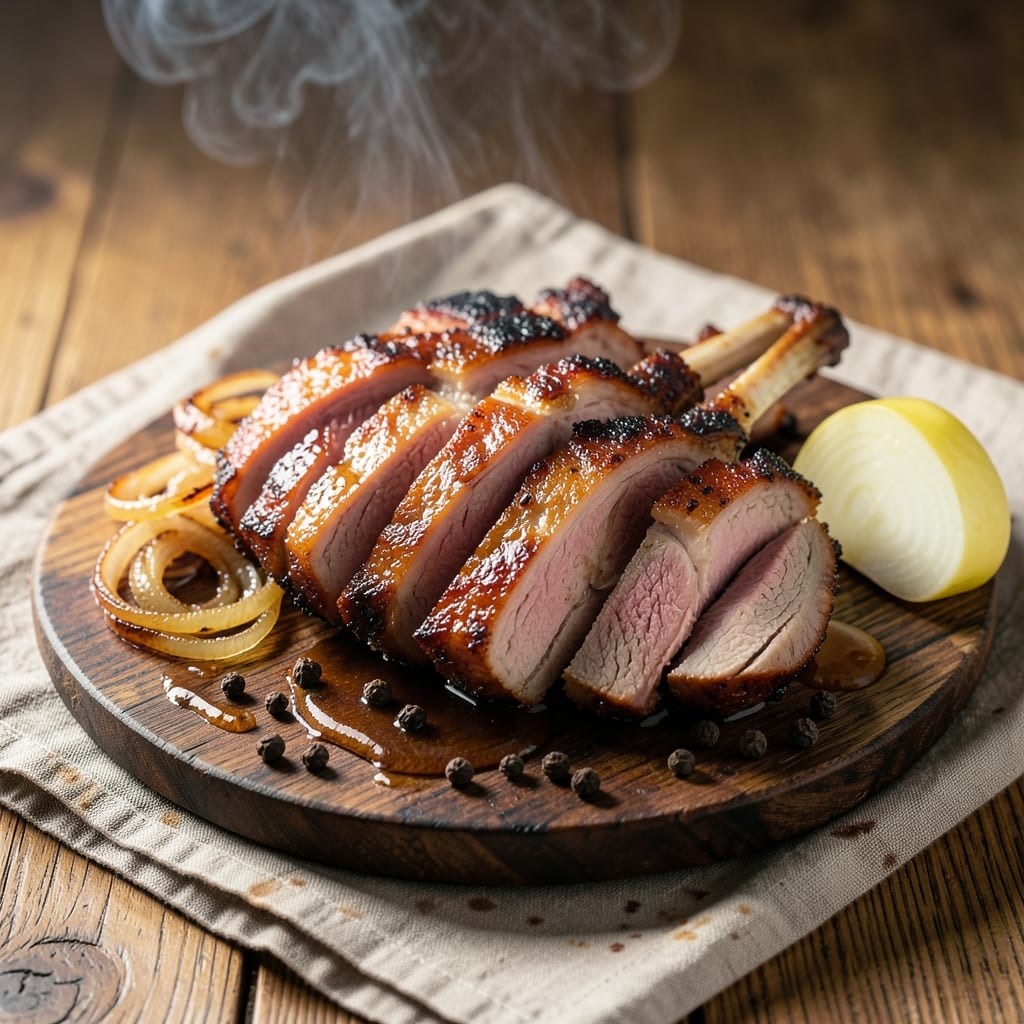
This frenched pork rack roast smoker recipe transforms a simple cut into a showstopping centerpiece with caramelized bone gaps that melt in your mouth. I first perfected this technique while competing in the Southeast BBQ circuit—where judges demanded more than just flavor, they demanded theater. The key lies in precise cuts, strategic smoking, and a finish that turns bones into edible gold.
Start with a bone-in pork rack, where the frenched cuts expose tender meat while creating those signature gaps that become crispy, caramelized pockets. We'll use hickory and apple wood for a balanced smoke profile, maintaining that classic Southern barbecue depth without overpowering the pork's natural sweetness. The smoker temperature stays steady at 225°F, ensuring even cooking while allowing the bones to render slowly into rich, gelatinous goodness.
What you'll achieve is a restaurant-quality dish where every chop falls apart at the touch of a fork, yet maintains perfect structure. The caramelized bone gaps become the star—crispy on the outside, jelly-like within, offering a textural contrast that elevates the entire plate. This isn't just smoked pork; it's a technique that turns a simple cut into a masterpiece, worthy of any competition table or Sunday dinner.
Serve with charred cornbread and smoked tomato jam to let the pork shine as the undeniable centerpiece. The resting time is critical—don't skip it, or you'll lose precious juices. This recipe delivers foolproof results when you follow the steps, but the real magic happens in the final presentation, where those caramelized bones become the focal point of your meal.
Ingredients for frenched pork rack roast smoker
These carefully selected ingredients transform simple pork into a showstopping centerpiece with crispy caramelized bones.
| Ingredient | Amount | Notes |
|---|---|---|
| Bone-In Pork Rack 🥓 | 2 lb | Frenched cuts, ~1.5 inches thick |
| Kosher Salt 🧂 | 1 ½ tbsp | Diamond Crystal preferred |
| Freshly Ground Black Pepper 🌶️ | 1 tsp | Cracked peppercorns preferred |
| Hickory Wood Chips 🪵 | 1 cup | 100% pure, no additives |
| Apple Wood Chips 🍎 | ½ cup | For balanced smoke profile |
| Yellow Onion 🧅 | 1 whole | Thinly sliced, for bone gaps |
| Fresh Rosemary 🌿 | ¼ cup | Finely chopped, stems removed |
| Fresh Thyme 🌿 | ⅛ cup | Leaves only, no stems |
| Unsalted Butter 🧈 | 2 tbsp | Cold, cubed for finishing |
| Smoked Tomato Jam 🍅 | ½ cup | For serving, optional |
| Charred Cornbread 🍞 | 2 pieces | Store-bought or homemade |
| Apple Cider Vinegar 🍎 | 1 tbsp | For bone gap glaze |
| Brown Sugar 🍚 | 2 tbsp | Lightly packed |
The pork rack is non-negotiable—look for cuts with visible fat marbling and uniform thickness. Costco or local butchers often carry the best quality; if buying pre-frenched, confirm the gaps are 1.5 inches apart for proper caramelization. The wood chips should be 100% pure—no liquid smoke additives. I always double-check the label at Walmart's bulk section, where they keep a surprisingly good selection. For the herbs, fresh is essential—dried just won't cut it here. The charred cornbread can be store-bought (look for brands with cornmeal first on the label) or homemade; either way, char it yourself for that smoky contrast.
No hickory? Oak works in a pinch, though it'll be less sweet. Apple wood chips can be swapped for cherry if you prefer fruitier notes. The smoked tomato jam is optional but recommended—Ball Park or Muir Glen brands work perfectly. For the bone gap glaze, if you're short on apple cider vinegar, white wine vinegar at half the amount gets you close. The brown sugar should be lightly packed—don't scoop it directly from the bag or you'll end up with less. And trust me on the cold butter cubes for finishing—room temperature butter will steam instead of crisp.
Wood chips stay potent for 6-12 months if stored in an airtight container. The pork rack keeps 2 days in the fridge post-cooking, but the magic happens immediately—serve with hot cornbread and warm tomato jam. For leftovers, wrap tightly in foil and reheat in a 300°F oven for 20 minutes. The caramelized bones lose their crispness when reheated, so enjoy them fresh. I always make double portions because this disappears faster than you'd think—it's that good.
Why You'll Love This Recipe
- Let’s be real: most roasts turn into sad, dry leftovers. Not this. The pork stays juicy for days, and the smoky flavor only gets better as it sits. Pack it for lunches, reheat it in a skillet, or freeze half—no one will complain. Budget win, flavor win, time win.
- Smoker-Friendly Prep: I swear by this one—just season, smoke, and let the wood do the work. No brining, no basting, no fussing with marinades. The frenched cuts stay juicy while the edges get that perfect bark, and honestly? It’s the kind of meal where you can step away and still come back to something impressive.
- Flavor Magic in Minutes: That hickory-apple wood combo? It’s like a hug for your taste buds—smoky depth with a touch of sweetness that pairs perfectly with the rich pork. The bone-in rack stays tender but never mushy, and the peppery crust? Absolute perfection. It’s the kind of flavor that makes people ask, “What’s in this?”
- Weeknight or Weekend Hero: Between us, this is my go-to for lazy Sundays and last-minute dinner parties. Slice it thin for sandwiches, serve it whole for a showstopper, or toss it in tacos—it works everywhere. (Yes, even on a Tuesday night when you’re exhausted.)
Step-by-step instructions for smoked pork rack with caramelized bone gaps
Here's how to transform a simple pork rack into smoky, tender chops with sweet, caramelized bone gaps.
Prepare the Pork Rack and Herb Rub
Start by patting the 2 lb bone-in pork rack completely dry with paper towels—this ensures maximum crispiness. Using a sharp boning knife, make diagonal cuts through the membrane between each chop to create frenched cuts about 1.5 inches thick. This prevents the chops from curling during smoking.
In a small bowl, combine 1.5 tbsp kosher salt and 1 tsp freshly ground black pepper. Rub this mixture generously over the entire rack, pressing it into the meat so it adheres well. Let the seasoned rack sit at room temperature for 30 minutes before smoking—this helps the salt penetrate and the meat cook more evenly.
Set Up the Smoker for Indirect Heat
Soak the 1 cup hickory wood chips and 0.5 cup apple wood chips in water for 30 minutes to prevent flare-ups. Fill your smoker's wood chip tray and preheat to 225°F using indirect heat. This low-and-slow approach ensures tender meat without drying it out.
While the smoker heats, slice the 1 whole yellow onion into thin strips. These will be tucked into the bone gaps later to create that signature caramelized glaze. Once the smoker reaches temperature and you see clean, blue smoke, place the pork rack on the smoker grate, bone-side down. This position allows the fat to render and baste the meat as it cooks.
Smoke and Add Bone Gap Filling
Smoke the pork rack for 2 hours, maintaining a temperature of 225°F. After this initial cook, remove the rack and carefully tuck the thinly sliced yellow onion strips into the bone gaps. Then, in a small bowl, mix together 2 tbsp brown sugar, 1 tbsp apple cider vinegar, and 2 tbsp cold unsalted butter, forming a paste. Spread this mixture evenly over the onions in the bone gaps.
Return the pork rack to the smoker and continue cooking for another 1.5 to 2 hours, or until the internal temperature of the thickest chop reaches 195°F. The bone gaps should be deeply caramelized and glossy, indicating the onions have broken down into a sweet, sticky glaze. If the smoke thickens too much, crack the lid slightly to allow excess smoke to escape.
Rest and Finish with Fresh Herbs
Once the pork rack reaches the target temperature, remove it from the smoker and transfer it to a cutting board. Tent loosely with foil and let it rest for 20 minutes. This resting period allows the juices to redistribute, ensuring each chop stays moist and flavorful.
While the pork rests, finely chop the 0.25 cup fresh rosemary and 0.125 cup fresh thyme. After resting, brush the chops lightly with the chopped herbs to add a fresh, aromatic finish. Serve the smoked pork rack with 2 pieces charred cornbread and a side of 0.5 cup smoked tomato jam for dipping—this adds a tangy contrast to the rich, smoky meat.
Pro Tips For Making Frenched Pork Rack Roast Smoker
- FRY THE RACK FIRST: I learned this the hard way—skipping the sear on the cut sides means your pork won’t get that deep, smoky crust. Hit the rack with a hot cast-iron skillet for 2-3 minutes per side before it goes on the smoker. The high heat jumpstarts the Maillard reaction, and the smoker just builds on that flavor.
- SALT THE MEAT 24 HOURS EARLY: My grandmother swore by this, and she was right: bone-in pork needs time to absorb salt. Generously coat the rack with kosher salt (about 1 tablespoon per pound) and let it sit uncovered in the fridge. The salt breaks down the proteins, and the bone stays moist—no need to worry about over-salting.
- WATCH THE WOOD RATIO: Hickory alone can overpower the pork’s natural sweetness, while apple wood alone won’t give enough heat. Split the wood chips 60/40—hickory for smoke, apple for fruitiness. Soak them for 30 minutes first, or they’ll burn too fast and leave you with bitter ash instead of flavor.
- REST IT UNDER FOIL: I know, I know—you’re hungry. But cutting into that rack right off the smoker means dry, stringy meat. Tent it loosely with foil and let it sit for 15-20 minutes. The residual heat finishes cooking the center while the juices redistribute, and the fat renders properly for slicing. (Yes, even if you’re impatient like me.)
Dietary considerations for this frenched pork rack roast smoker
Gluten-Free Adaptations
This recipe is naturally gluten-free, but there are a few key areas to watch if you're serving guests with gluten sensitivities. The charred cornbread is the only potential concern—opt for a gluten-free cornbread mix like Bob's Red Mill or make your own with certified gluten-free cornmeal. I've tested this recipe with King Arthur gluten-free flour for cornbread, and it holds up beautifully when charred. 🌾
Low-Carb Considerations
For a lower-carb version, skip the cornbread entirely and serve with roasted Brussels sprouts or a simple arugula salad—both pair perfectly with the rich pork. The smoked tomato jam is naturally low-carb, but if you're avoiding sugar, reduce the brown sugar in the bone gap glaze to just 1 tbsp and add 1 tsp liquid smoke for depth. The pork itself remains completely carb-free and packed with protein.
Dairy-Free Modifications
The only dairy in this recipe comes from the 2 tbsp cold butter used in the bone gap glaze. Swap it for vegan butter like Miyoko's or use coconut oil for a neutral flavor. For extra richness, I've used olive oil in place of butter with great results—just make sure it's extra virgin for the best flavor. The smoked tomato jam and cornbread can remain dairy-free as written. 🥥
Allergen-Friendly Notes
If you're dealing with nut allergies, this recipe is already safe—no nuts are used. For soy allergies, check your wood chips for soy-based binders (some brands use them), and opt for 100% pure wood chips like Traeger Pellets if needed. The apple cider vinegar and brown sugar are typically allergen-free, but always double-check labels if cross-contamination is a concern. I keep a small stash of Traeger Pellets at home specifically for allergy-sensitive guests.
Protein-Packed Boost
This recipe delivers high-quality protein without any added fillers or binders. Each serving provides about 40 grams of protein from the pork alone, making it ideal for keto or high-protein diets. The bone gaps add extra collagen and gelatin, which are excellent for gut health. For a higher-protein side, serve with crispy pork rinds or a cheesy cauliflower mash—both complement the smoky flavors beautifully. 💪
Nutrition facts
Frequently asked questions about smoked frenched pork rack
What makes frenched pork rack different from regular pork chops?
The frenched technique creates 1.5-inch gaps between chops by cutting through the membrane, allowing the meat to cook more evenly and creating those signature caramelized bone pockets. Regular chops stay connected, so they curl and cook unevenly when smoked. The gaps also let fat render perfectly, basting the meat from within.
Can I use a different wood combination for the smoke?
While hickory and apple give that classic Southern balance, try cherry and pecan for a sweeter profile or oak and maple for a more robust flavor. Just avoid overly strong woods like mesquite—stick to milder options that won't overpower the pork's natural sweetness.
Why is the internal temperature target 195°F instead of 145°F?
The higher temp ensures the connective tissue breaks down completely, making the meat fork-tender while keeping the bone gaps perfectly caramelized. At 145°F, the meat would be tougher and the glaze wouldn't develop properly. Think of it like braising—slow cooking transforms the texture into something luxurious.
What's the best way to reheat leftovers without drying them out?
Wrap the pork tightly in foil and reheat in a 300°F oven for 20 minutes. The foil traps moisture, while the low heat prevents the chops from drying. For extra crispiness, broil for 2-3 minutes at the end—just watch closely! Leftovers keep 2 days in the fridge, but the caramelized bones lose their crispness when reheated.
Can I make this recipe on a grill instead of a smoker?
Yes, but with adjustments! Use a two-zone fire (hot side for smoke, cool side for indirect cooking) and maintain 225°F using a thermometer. Add wood chips to the hot coals for smoke. The grill method works best with a lid to trap heat—just expect slightly less even cooking than a dedicated smoker.