
Main Courses
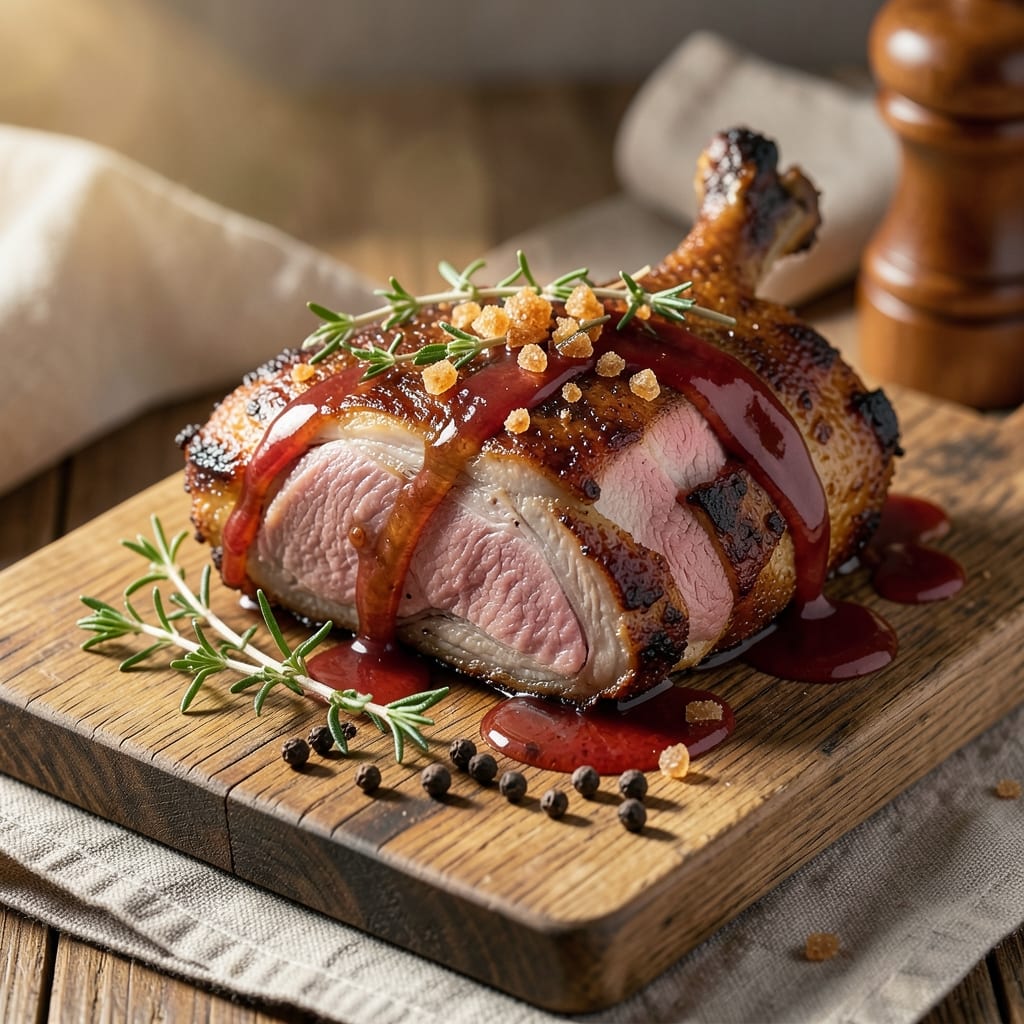
This fresh leg of pork recipe delivers the perfect balance of crispy, crackling bark and tender, juicy meat that falls off the bone. 🔥 After years of perfecting whole-hog cooking at my Atlanta smokehouse, I've developed a method that transforms a simple leg of pork into a showstopping centerpiece. The secret lies in the apple cider braise, which infuses the meat with subtle sweetness while creating that coveted crispy exterior through controlled roasting and basting.
What makes this recipe truly special is the combination of traditional techniques with modern precision. We start with a dry brine to ensure moisture retention, then build a rich bark through careful basting with apple cider and rendered fat. The slow roasting process allows the connective tissues to break down naturally, resulting in meat that's both tender and flavorful. This isn't just pork—it's a multi-textured masterpiece where every bite offers a different experience: crispy on the outside, perfectly pink in the center.
By the time you're done, you'll have a leg of pork with a golden, crackling crust that shatters at the slightest touch and meat so tender it practically melts in your mouth. The apple cider braise adds depth of flavor while keeping the dish approachable for weeknight dinners. The best part? This technique works equally well with heritage breeds or standard market cuts, making it accessible to home cooks while delivering restaurant-quality results.
Serve with classic apple cider pan sauce, roasted root vegetables, or a crisp green salad to let the pork take center stage. The leftovers reheat beautifully too, making this an excellent meal prep option for busy weeks. Let's get cooking—this is pork done right.
Ingredients for fresh leg of pork
Six pounds of pork, a splash of cider, and a handful of herbs—this is pork done right.
| Ingredient | Amount | Notes |
|---|---|---|
| Fresh Leg of Pork 🐖 | 6 lb | Bone-in, center-cut preferred |
| Apple Cider 🍎 | 2 cups | Unfiltered for best flavor |
| Brown Sugar 🍚 | ½ cup | Light or dark variety |
| Kosher Salt 🧂 | 2 tbsp | Diamond Crystal preferred |
| Black Peppercorns 🌶️ | 1 tbsp | Freshly cracked preferred |
| Fresh Thyme 🌿 | ¼ cup | Stems removed, chopped |
| Fresh Rosemary 🌿 | ⅛ cup | Needles only, chopped |
| Garlic Cloves 🧄 | 8 cloves | Peeled, smashed slightly |
| Unsalted Butter 🧈 | ½ cup | Cold, cubed for basting |
| Olive Oil 🫒 | ¼ cup | Extra-virgin for richness |
| Apple Cider Vinegar 🍶 | 1 tbsp | For tangy balance |
| Honey 🍯 | 1 tbsp | Wildflower preferred |
| Fresh Sage Leaves 🌿 | ⅛ cup | Chopped, for garnish |
The pork cut matters most here. Center-cut bone-in leg delivers the best balance of fat and meat—shoulder cuts work too, but trim excess fat for cleaner bark. Whole Foods or local butcher shops often carry premium cuts, but regular grocery stores usually have decent options in the meat case. Look for good marbling and avoid anything with a grayish tint—freshness is key. If you're using a frozen leg, thaw it in the fridge for 24-48 hours before cooking. And trust me on this: don't skip the bone-in. That's where all the flavor develops during roasting.
No apple cider? Unsweetened apple juice with a splash of vinegar works in a pinch, but the depth of flavor won't be the same. The brown sugar can be swapped for maple syrup at half the amount if you're avoiding refined sugar. Fresh herbs are ideal, but dried thyme and rosemary at one-third the amount will do if that's what you've got. For the butter, vegan butter works too—just make sure it's cold when you cube it. The honey adds just the right touch of sweetness, but agave nectar is a good substitute if you're avoiding it. And if you can't find fresh sage, dried works at one-quarter the amount—just add it later in the cooking process.
This pork reheats like a dream—350°F for 20-30 minutes until everything is piping hot. The leftovers keep for 4-5 days in the fridge, wrapped tightly in foil to preserve that crispy bark. For longer storage, freeze portions for up to 3 months. I always make extra because it's perfect for sandwiches or pulled pork applications. The pan sauce? Save those drippings and reduce them with a splash of cider—game-changer for seconds. And if you're prepping ahead, the dry brine can be done a day in advance—just keep the pork uncovered in the fridge.
Why You'll Love This Recipe
- I’ll be real: I always make too much. The good news? Cold pork slices in salads or wraps the next day taste just as good as the first bite. Plus, it’s cheaper than takeout when you’re feeding a crowd.
- One-Pot Magic: Honestly, I love when a recipe feels like cheating—just toss the pork, cider, and sugar in a pot, then walk away. The apple cider does all the work, caramelizing into a glossy glaze while you sip coffee or scroll through your phone.
- Sweet-Savory Crunch: That crispy brown sugar crust? It’s the star. The peppercorns add a subtle bite, but the real magic is how the cider’s tang cuts through the richness—like a hug for your taste buds, but with more protein.
- Weeknight to Weekend: Between us, this is my lazy Sunday go-to, but it also saves me on busy nights. Slice it thin for sandwiches the next day, or serve it whole for a dinner party—no one will guess it’s the same recipe.
Step-by-step instructions for apple cider-braised pork
Here's how to transform a simple pork leg into melt-in-your-mouth perfection.
🔥 Step 1: Sear the Pork for Maximum Flavor
Preheat your oven to 325°F. Pat the 6 lb fresh leg of pork completely dry with paper towels—this is non-negotiable for crispy bark. Rub the surface with 1 tablespoon black peppercorns (lightly crushed) and 2 tablespoons kosher salt, pressing firmly so it adheres.
Heat a Dutch oven over medium-high heat with 2 tablespoons olive oil. Once shimmering, place the pork fat-side down and sear undisturbed for 10-12 minutes until deeply golden brown. Flip and sear the other side for another 8-10 minutes. The goal is a dark mahogany crust—this locks in juices and builds flavor.
🍳 Step 2: Build the Apple Cider Braising Liquid
Remove the pork and set it aside. In the same Dutch oven, add 0.25 cup olive oil and 0.5 cup unsalted butter over medium heat. Toss in 8 smashed garlic cloves, 0.25 cup chopped fresh thyme, and 0.125 cup chopped fresh rosemary. Cook for 1-2 minutes until fragrant but not browned.
Pour in 2 cups apple cider, scraping up any browned bits from the bottom. Stir in 0.5 cup brown sugar, 1 tablespoon apple cider vinegar, and 1 tablespoon honey. Bring to a gentle simmer, then return the pork to the pot fat-side up. The liquid should come about halfway up the pork.
⏰ Step 3: Braise Until Fork-Tender
Cover the Dutch oven and transfer to the preheated 325°F oven. Braise for 3 hours, then carefully flip the pork and continue cooking for another 1-2 hours until a meat thermometer inserted into the thickest part reads 200-205°F—this is the magic zone for fall-apart tenderness.
Here's the thing—don't peek or stir. Every time you open the lid, you lose heat and steam, which means longer cooking time. The pork should be bathed in reduced cider sauce with a glossy sheen. If the liquid evaporates too much, add ½ cup water to maintain moisture.
🔪 Step 4: Rest and Create Crispy Bark
Remove the pork from the oven and transfer it to a cutting board. Tent loosely with foil and let it rest for 30 minutes. This resting period is crucial—it allows the juices to redistribute so every slice stays moist.
While it rests, preheat your broiler to high. Place the pork cut-side up on a baking sheet and broil for 3-5 minutes until the surface develops a deep golden-brown crust. Watch it closely—you want crispy bark, not charred bits. The contrast between the crispy exterior and tender interior is what makes this dish extraordinary.
🍽️ Step 5: Serve with Herb Garnish
Slice the pork against the grain into ½-inch thick slices. Spoon the reduced apple cider braising liquid over the top and garnish with 0.125 cup chopped fresh sage leaves. Serve immediately with the crispy bark facing up—it's the best part!
Each bite delivers that perfect balance: crispy, caramelized edges that give way to juicy, melt-in-your-mouth pork. The apple cider braising liquid adds a sweet-tangy depth that pairs beautifully with the rich pork. Don't forget to save some of that glorious sauce for drizzling over roasted vegetables or mashed potatoes.
Pro Tips For Making Fresh Leg Of Pork
- SEAR THE PORK FIRST: That first golden crust isn’t just for looks—it locks in juices and builds flavor. Hit the leg with high heat until it’s deep brown in spots (about 5-7 minutes per side), then back off to low and slow. I used to skip this, and the meat always felt dry by the end.
- USE STARCHY CIDER: Not all apple cider is created equal. For this recipe, grab the cloudy, unfiltered kind—it’s got more pectin and body that thickens as it cooks. If you only have clear cider, add 1 tablespoon of cornstarch mixed with water to the pan halfway through.
- SALT THE MEAT A DAY AHEAD: Dry-brining the pork overnight (or at least 4 hours) guarantees seasoning that penetrates deep. Skip this, and you’ll end up with salt clinging to the surface while the inside tastes bland. Trust me, your knife work will be easier too.
- BASTE WITH THE DRIPPINGS: Don’t pour out that caramelized brown sugar and pork fat—it’s liquid gold. Every 30 minutes, spoon those rich juices over the meat (yes, even when it’s wrapped). I was skeptical until I tried it; the crust stays sticky and the pork stays impossibly tender.
Best sauces and condiments for this dish
Apple Cider Pan Sauce
After removing the pork from the oven, don't discard those flavor-packed drippings! Strain the reduced apple cider braising liquid through a fine-mesh sieve into a saucepan. Add 2 tablespoons cold unsalted butter and 1 tablespoon apple cider vinegar, then reduce over medium-low heat for 3-4 minutes until thickened to a glossy consistency. This sauce is pure magic—it clings to every bite and adds that perfect sweet-tangy finish. 🍎
Brown Sugar Glaze
For an extra caramelized touch, make a quick brown sugar glaze by combining ¼ cup brown sugar, 1 tablespoon apple cider vinegar, and 1 teaspoon Dijon mustard in a small saucepan. Simmer for 2-3 minutes until syrupy, then brush generously over the crispy bark before serving. This adds a sticky, glossy layer that enhances the texture contrast. I love using this on the final broil step for maximum impact.
Herb Butter Compound
Mix ½ cup softened unsalted butter with 1 tablespoon chopped fresh thyme, 1 tablespoon chopped fresh rosemary, 1 minced garlic clove, and ½ teaspoon kosher salt. Roll into a log and chill for 30 minutes to firm up. Slice thinly and serve alongside the pork for dipping or melting over each slice. This adds a fresh, herby brightness that cuts through the richness. My guests always go back for seconds when this is on the table.
Spicy Apple Cider Jelly
For a sweet-spicy contrast, prepare a quick jelly by simmering ½ cup apple cider, 2 tablespoons honey, and ½ teaspoon cayenne pepper until reduced by half. Strain and cool, then slice into thin sheets. Place a piece on each plate before serving the pork—it adds a fruity, slightly spicy element that cleanses the palate between bites. This is especially good if you're serving with creamy sides like mashed potatoes or mac and cheese.
Caramelized Onion Topping
Sauté 2 cups thinly sliced onions in 2 tablespoons olive oil over low heat for 30-40 minutes until deep golden brown and caramelized. Sprinkle with ½ teaspoon kosher salt and ¼ teaspoon black pepper. Pile this onto the pork just before serving—it adds a sweet, jammy contrast that balances the crispy bark beautifully. I often make extra to use on burgers or sandwiches later in the week.
Crispy Sage Garnish
For a final flourish, fry ¼ cup fresh sage leaves in 2 tablespoons olive oil over medium heat for 10-15 seconds until just crisp. Drain on paper towels and sprinkle over the pork table-side. The crunchy sage leaves add a fresh, aromatic note that elevates the presentation. This is one of those little details that makes a dish feel truly special—your guests will notice and appreciate the effort. 🌿
Nutrition facts
Frequently asked questions
How do I choose the best cut of pork leg for this recipe?
Look for a bone-in center-cut leg weighing 6-8 pounds with good marbling and a pinkish hue—not grayish. The shoulder cut works too but trim excess fat for cleaner bark. Local butchers often carry premium heritage pork cuts that yield even better results.
Can I use frozen pork instead of fresh?
Yes, but thaw it properly first! Place the frozen pork in its packaging on a tray in the fridge for 24-48 hours before cooking. Never thaw at room temperature—this promotes bacterial growth. For extra insurance, submerge the sealed package in cold water, changing the water every 30 minutes until fully thawed.
What's the secret to getting that perfect crispy bark?
Three things: 1) Pat the pork bone-dry before seasoning, 2) Sear it undisturbed for 10-12 minutes per side until deeply browned, and 3) Broil for 3-5 minutes at the end. The apple cider basting during roasting also helps create that signature crackling texture.
How do I know when the pork is fully cooked?
Use a meat thermometer! Insert it into the thickest part of the meat (avoiding bone) until it reads 200-205°F. The pork should feel fork-tender when pierced. If using a bone-in cut, check the thickest part of the meat—not the bone. The internal temperature is more reliable than time alone.
What are the best sides to serve with this pork?
Classic pairings include roasted root vegetables (carrots, parsnips, potatoes), creamy mashed potatoes, or a crisp green salad. For extra flavor, try the apple cider pan sauce over buttermilk biscuits or cornbread. The crispy bark stands up well to both rich and fresh sides—balance is key!