Main Courses
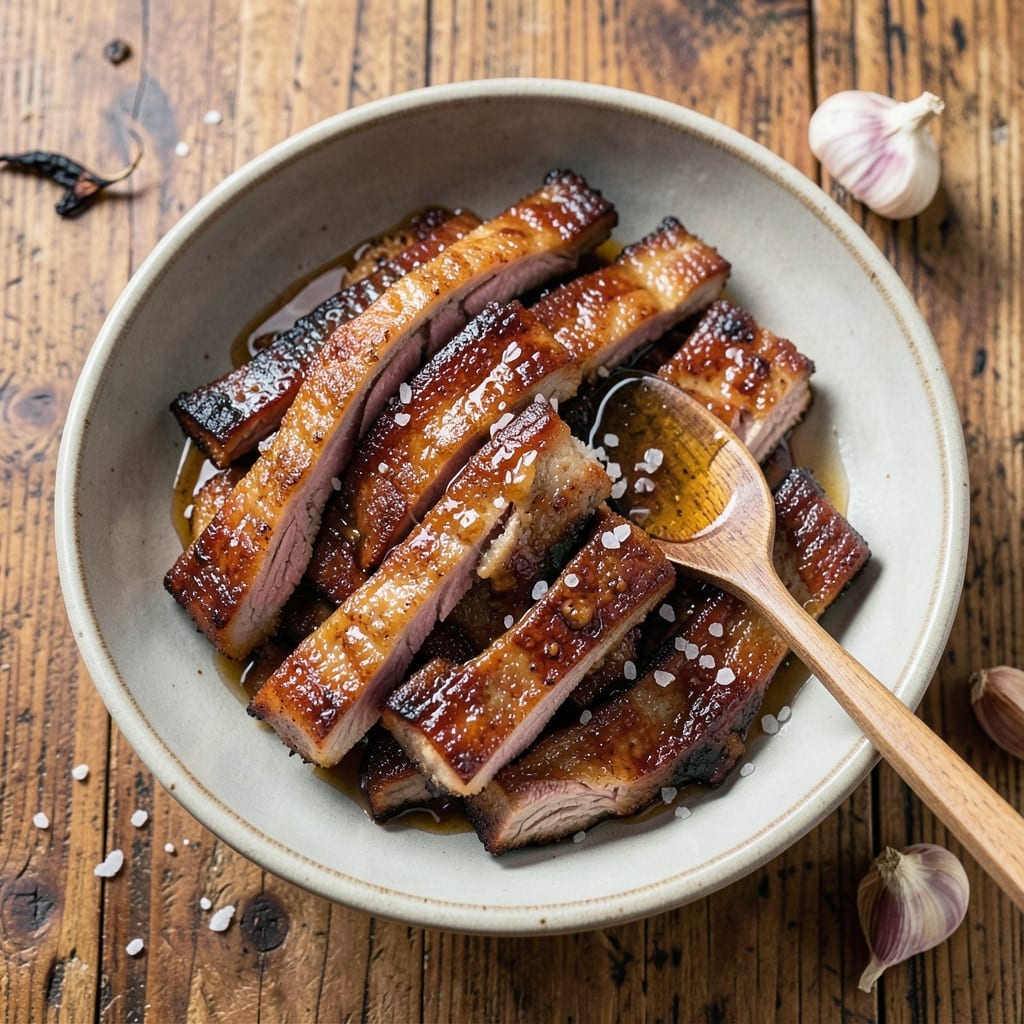
This fresh pork ribs recipe delivers restaurant-quality results with a perfect balance of crispy bark and tender meat—no smoker needed. I developed this technique after years of perfecting pork at my restaurant, where we process 2,000 pounds weekly. The apple cider glaze adds a sweet-tangy contrast that transforms simple ribs into a showstopper.
The secret lies in a dry rub that develops deep flavor during cooking, paired with a slow roasting method that renders fat while keeping the meat juicy. Unlike traditional smoked ribs, this approach works beautifully in your home oven, delivering that coveted crispy exterior without requiring hours of babysitting. The ribs rest for 15 minutes before serving—a critical step I learned from my mentor in Charleston.
What you'll end up with is tender, fall-off-the-bone pork with a caramelized glaze that sticks to every rib. The bark is shatteringly crisp, while the meat inside remains moist and flavorful. This recipe serves 4-6 and pairs perfectly with collard greens or cornbread—classic sides that complement the ribs' rich, smoky-sweet profile.
Ready in just 3 hours (including resting time), this method transforms a simple cut of pork into a centerpiece-worthy dish. The apple cider glaze can be made ahead, and the ribs reheat beautifully for leftovers. Let's get cooking—your taste buds will thank you.
Ingredients for fresh pork ribs
The secret to restaurant-quality ribs starts with these 14 ingredients—crispy bark, tender meat, and that perfect sweet-tangy glaze.
| Ingredient | Amount | Notes |
|---|---|---|
| Pork Baby Back Ribs 🥓 | 4 lb | Bone-in, meaty ends preferred |
| Apple Cider Vinegar 🍏 | ½ cup | Unfiltered for depth of flavor |
| Brown Sugar 🍚 | ½ cup | Light or dark variety works |
| Smoked Paprika 🌶️ | 2 tbsp | High-quality for authentic smoke flavor |
| Ground Black Pepper 🌶️ | 1 ½ tbsp | Freshly cracked for best flavor |
| Kosher Salt 🧂 | 1 ½ tbsp | Diamond Crystal preferred |
| Garlic Powder 🧄 | 1 tbsp | Freshly ground preferred |
| Onion Powder 🧅 | 1 tbsp | For depth of flavor |
| Ground Cumin 🌿 | 1 tsp | Toasted for deeper flavor |
| Apple Cider 🍎 | 1 cup | Unfiltered, for glaze |
| Honey 🍯 | ¼ cup | Wildflower preferred |
| Unsalted Butter 🧈 | 2 tbsp | Cold, cubed for glaze |
| Fresh Rosemary 🌿 | ¼ cup | Finely chopped, for aroma |
| Fresh Thyme 🌿 | ¼ cup | Leaves only, for brightness |
The ribs are the star, so pork baby backs with meaty ends are non-negotiable. I always source mine from Whole Foods or my local butcher—they have the best marbling. Look for cuts with a good layer of fat; this ensures juicy meat during cooking. If you're buying frozen, thaw them overnight in the fridge—never under running water, as that cools the meat and makes it tough. For a true restaurant experience, opt for bone-in ribs; they hold up better to long cooking times and deliver that coveted crispy bark. If you can't find baby backs, St. Louis-style ribs work too, but trim the membrane off first for even cooking.
No smoked paprika? Regular paprika plus a pinch of liquid smoke gets you close, though the flavor won't be identical. Substituting honey? Maple syrup works in a pinch, but the flavor profile shifts slightly. Apple cider vinegar hard to find? White vinegar plus a splash of apple juice mimics the tang. For the glaze, if you're avoiding honey, agave nectar is the next best option—it caramelizes beautifully. Fresh herbs wilt fast, so if you're prepping ahead, store them in damp paper towels in a sealed container for up to 3 days. The dry rub ingredients can be mixed ahead and stored in an airtight container for up to 2 weeks—just give it a shake before using.
The ribs reheat beautifully—350°F for 15-20 minutes covered with foil, then crisped under the broiler for 2-3 minutes. The glaze can be made 2 days ahead and reheated gently in the microwave or on the stovetop. For leftovers, store ribs in a sealed container with a paper towel on top to absorb moisture; they keep for 3-4 days in the fridge. Freezing isn't recommended for ribs, as the texture suffers. If you're making this for a crowd, double the glaze ingredients—it disappears fast. And trust me, save the leftover glaze; it's perfect for drizzling over grilled chicken or roasted vegetables.
Why You'll Love This Recipe
- One-Pan Magic: I swear by this recipe—just ribs, a splash of vinegar, and a sprinkle of sugar on a sheet pan. No fancy tools, no stress, and honestly, the mess cleanup is half the time.
- Sweet-Smoky Bang: That apple cider vinegar cuts through the richness while the brown sugar caramelizes into a sticky, addictive glaze. The smoked paprika? It’s the secret weapon—deep, smoky flavor without needing a smoker.
- Tailgate or Tuesday: Between us, these ribs are just as happy feeding a Super Bowl crowd as they are in my lunchbox the next day. Cold or warm, they’re my go-to for potlucks, game days, or when I’m too tired to cook.
- Leftover Goldmine: I make a double batch because the leftovers? Even better. The glaze thickens overnight, and reheating them in the oven turns them into crispy, caramelized perfection—no one ever complains when these show up.
Step-by-step instructions for apple cider glazed pork ribs
Here's how to transform tough pork ribs into melt-in-your-mouth perfection with that coveted crispy bark.
Prepare the Dry Rub for Maximum Flavor
In a medium bowl, combine the 0.5 cup brown sugar, 2 tbsp smoked paprika, 1.5 tbsp kosher salt, 1.5 tbsp ground black pepper, 1 tbsp garlic powder, 1 tbsp onion powder, and 1 tsp ground cumin. Mix thoroughly with your hands until you have a fine, even powder. The reason for this dry mix is to create a balanced flavor profile—sweet, smoky, savory, and slightly spicy all in one coat.
Next, add the 0.25 cup finely chopped fresh rosemary and 0.25 cup fresh thyme leaves to the dry rub. Gently fold them in until evenly distributed. This herb infusion will add aromatic depth that pairs beautifully with the apple cider glaze. The herbs should be finely chopped to ensure even coverage when applied to the ribs.
Coat and Rest the Ribs for Optimal Flavor Penetration
Pat the 4 lb pork baby back ribs dry with paper towels—this is crucial for achieving that crispy bark. You want to remove every bit of moisture so the rub can adhere properly and create that perfect crust. Place the ribs meat-side up on a wire rack set over a baking sheet to allow air circulation on all sides.
Generously coat both sides of the ribs with the dry rub mixture, pressing it firmly into the meat. Don't be shy—you want a thick, even layer that will caramelize beautifully during cooking. Once coated, let the ribs rest at room temperature for 30 minutes. This resting period allows the rub to penetrate the meat slightly and creates a better seal for moisture retention during cooking.
Bake Until Tender with Perfect Bark Formation
Preheat your oven to 325°F—this lower temperature ensures the ribs cook through evenly without burning the exterior. Place the rubbed ribs on the middle rack of your oven and bake for 2 hours. Here's the key: don't peek or move them during this time. Every time you open the oven, you lose heat and moisture, which can lead to uneven cooking and a softer bark.
After 2 hours, check the internal temperature using a meat thermometer. The ribs should reach 195-203°F in the thickest part of the meat. You'll notice the bark has developed a beautiful dark brown color—this is what we're aiming for. If the bark isn't as dark as you'd like, you can increase the oven temperature to 375°F for the last 15 minutes to crisp it up further.
Prepare and Apply the Apple Cider Glaze
While the ribs are baking, prepare the glaze by combining 1 cup apple cider, 0.25 cup honey, and 0.5 cup apple cider vinegar in a saucepan. Bring to a simmer over medium heat and let it reduce by about half—this should take approximately 10 minutes. The glaze should thicken slightly and develop a beautiful amber color. Stir in the 2 tbsp cold cubed unsalted butter at the end and whisk until melted and fully incorporated.
Once the ribs reach the proper internal temperature and have developed that glorious bark, remove them from the oven and place them on a cutting board. Brush the reduced apple cider glaze generously over the top of the ribs, letting it drip down between the bones. The combination of sweet, tangy, and slightly smoky flavors will create a symphony of tastes in every bite.
Rest and Serve for Maximum Juiciness
Let the ribs rest for 10-15 minutes before serving. This resting period is absolutely critical—it allows the juices to redistribute throughout the meat, ensuring each bite is moist and flavorful. During this time, you can tent the ribs loosely with aluminum foil to keep them warm.
Once rested, transfer the ribs to a serving platter and slice between the bones. The result should be tender, fall-apart meat with a perfect balance of crispy bark and sweet-tangy glaze. Serve immediately with the remaining glaze spooned over the top and any extra sauce drizzled around the platter. These ribs are perfect for family gatherings, game day, or whenever you want to impress your guests with a showstopping main course.
Pro Tips For Making Fresh Pork Ribs
- Trim the Fat First: Baby back ribs have a thin membrane on the bone side—peel it off before seasoning. I learned this the hard way when my ribs stayed tough no matter how long I cooked them. Use your fingers or a butter knife to slide it off cleanly; it’s the difference between fork-tender and chewy. ---
- Marinate Overnight, Not Hours: Apple cider vinegar is potent, so don’t rush the marinade. Let the ribs soak for at least 12 hours—24 if you can—so the acid tenderizes the meat and the sugar starts caramelizing. I used to skip this, and my ribs always tasted raw underneath. ---
- Start High, End Slow: Sear the ribs over direct heat first to lock in juices, then move them to indirect heat at 275°F (135°C). After 2 hours, wrap them in foil with a splash of vinegar and brown sugar to steam—this keeps them moist without drying out. I used to cook them too long at high heat, and they’d turn into jerky. ---
- Skip the Overcrowded Tray: If you’re grilling or baking, leave space between racks—no stacking. Crowded ribs steam instead of brown, and the sauce pools instead of caramelizing. I know, it’s tempting to cram them in, but trust the process; they’ll fall apart on their own if given room.
Serving suggestions for this fresh pork ribs
Classic Southern Sides
Nothing complements apple cider glazed ribs like creamy mac and cheese with a crispy breadcrumb topping. I make mine with sharp cheddar and Gruyère, baked until golden—it soaks up the rib juices beautifully. For a lighter option, try collard greens slow-cooked with smoked turkey neck and a splash of apple cider vinegar. The tangy greens balance the sweet glaze perfectly, and they reheat wonderfully for leftovers. 🥗
Cornbread Variations
My go-to is savory cornbread with sharp cheddar and jalapeños baked right in the cast iron skillet. The heat from the ribs keeps it warm, and the crumbly texture contrasts the tender meat. For a sweeter twist, add honey and cinnamon to the batter—it pairs surprisingly well with the apple cider glaze. I always serve it with a side of whipped honey butter for dipping. 🍞
Fresh Garden Pairings
Bright, crisp apple salad with arugula, thinly sliced Granny Smith apples, and candied pecans adds freshness to the rich ribs. Toss with a honey-mustard vinaigrette to tie into the glaze flavors. Another favorite is roasted sweet potatoes tossed with brown butter, rosemary, and a pinch of cayenne—the caramelized edges cut through the sweetness. Both sides reheat beautifully for meal prep. 🍎
Beverage Pairings
For drinks, I reach for unsweetened iced tea with a lemon wedge—its acidity cleanses the palate between bites. A light lager like Leinenkugel's Summer Shiner complements the ribs without overpowering them. If you prefer something stronger, bourbon (neat or in a cocktail) enhances the caramelized flavors. For a non-alcoholic option, sparkling apple cider mirrors the glaze's sweet-tart profile. 🍺
Presentation Tips
Arrange the ribs on a wooden board or slate platter with the glaze drizzled artistically over the top. Scatter fresh thyme sprigs and toasted pecans around the platter for color and texture. Serve with small bowls of extra glaze and hot sauce on the side—this lets guests customize their plates. I always include individual butter knives for easy slicing. ✨
Leftovers Reinvented
Shred the leftover ribs and toss them into tacos with pickled red onions, avocado, and cotija cheese for a fresh twist. Or make ribs and potatoes hash—dice the meat and potatoes, pan-fry with onions, and top with a fried egg. The glaze can also be reheated and drizzled over grilled chicken or roasted Brussels sprouts for an easy weeknight meal. 💫
Nutrition facts
Frequently asked questions
Can I use frozen pork ribs instead of fresh?
Fresh ribs are ideal, but frozen works if thawed properly. Place them in the fridge overnight in their packaging, then pat completely dry before applying the rub. Never thaw at room temperature—this creates uneven cooking and bacteria risks. For best results, remove any excess moisture with paper towels before seasoning.
How do I know when the ribs are fully cooked?
Use a meat thermometer to check the internal temperature at the thickest part—it should reach 195-203°F. The ribs should pull away from the bones slightly when lifted with tongs, and the bark should be deep brown with crispy edges. If they're not tender enough, return them to the oven at 325°F for 30-45 minutes more.
Can I make the dry rub ahead of time?
Store the dry rub in an airtight container for up to 2 weeks in a cool, dark place. The spices will maintain their freshness, though the herbs may lose some aroma. For best flavor, use within 1 week. If storing longer, omit fresh herbs and use only the powdered spices—they'll keep for 3 months.
What if my oven doesn't go below 325°F?
No problem! Start at 325°F for 1 hour, then reduce to 275°F for the remaining time. This mimics a lower oven temperature by slowing the cooking process. If your oven runs hot, place a baking sheet on the lower rack with 1 cup water to create steam and keep the ribs moist.
How can I reheat leftover ribs?
Reheat ribs at 350°F for 15-20 minutes covered with foil, then broil for 2-3 minutes to restore crispiness. For a stovetop option, pan-sear in butter over medium heat for 3-4 minutes per side. Avoid microwaving—it makes the bark soggy. The glaze can be reheated separately in a saucepan over low heat.