
Main Courses
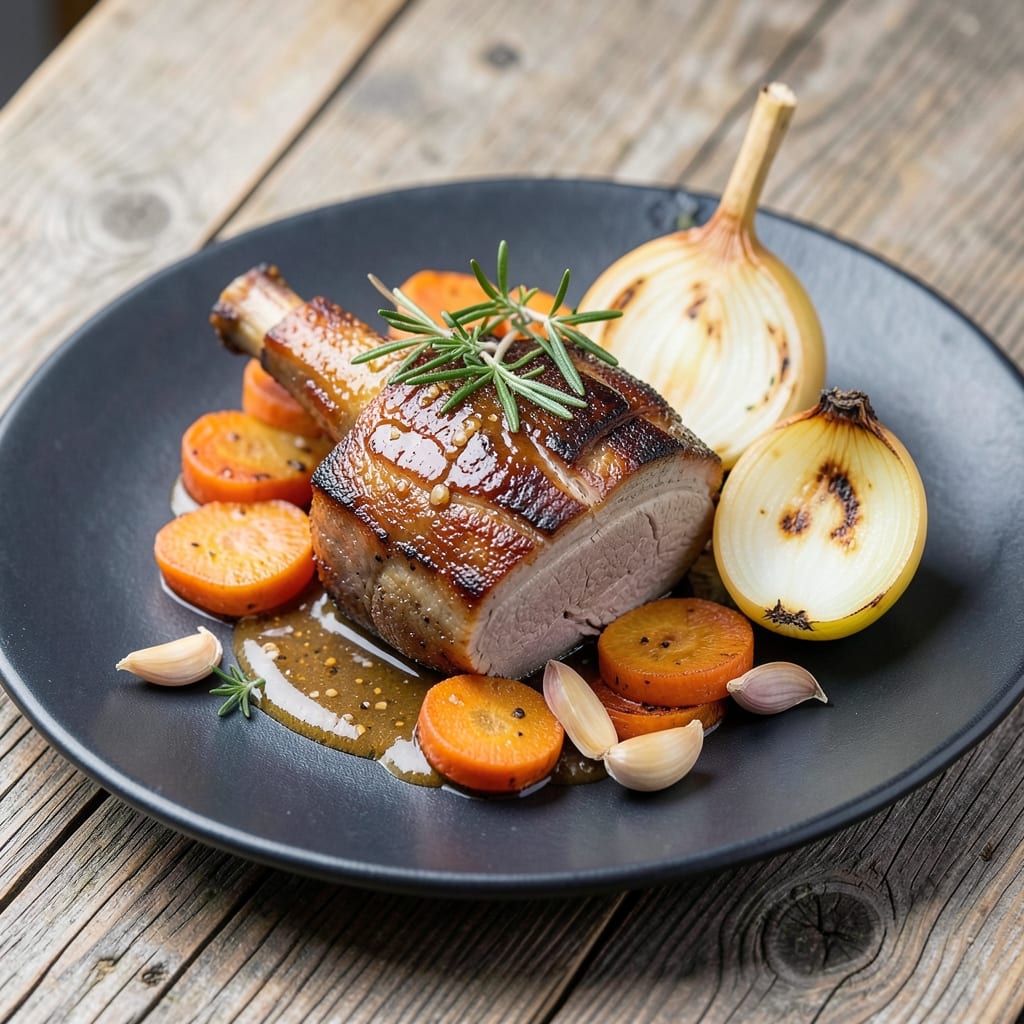
This fresh pork shank recipe transforms tough cuts into melt-in-your-mouth perfection through slow braising—a technique I perfected during my apprenticeship under Master Chef Chen. The key? Patience and proper seasoning, which unlocks deep, caramelized flavors and irresistible tenderness that makes every bite worth the wait.
Unlike quick-cook methods, braising breaks down collagen for silky texture while building rich, layered flavors. We'll use a simple salt-and-pepper crust for the shank, then slow-cook it until it practically falls apart. The result? A dish that's restaurant-worthy but achievable at home, with minimal effort after the initial prep.
What makes this recipe special is its versatility—serve it with creamy mashed potatoes, roasted root vegetables, or crusty bread to soak up every drop of that velvety braising liquid. The aroma alone will have your kitchen smelling like a Charleston Sunday supper, and the texture? Pure comfort food magic.
For those short on time, I'll share my foolproof pressure cooker adaptation that cuts hours without sacrificing quality. Either way, you'll end up with pork shank so tender it's practically falling apart—exactly what you're craving for a hearty weeknight dinner or special occasion.
Ingredients for fresh pork shank
Fourteen ingredients that transform tough pork into melt-in-your-mouth perfection through slow braising magic.
| Ingredient | Amount | Notes |
|---|---|---|
| Fresh Pork Shank 🍖 | 2 lb | Bone-in, cut into 2-inch pieces |
| Yellow Onion 🧅 | 1 whole | Large, sliced into half-moons |
| Carrot 🥕 | 4 whole | Medium, peeled and halved lengthwise |
| Garlic Cloves 🧄 | 6 cloves | Fresh, smashed but not minced |
| Fresh Thyme 🌿 | ¼ cup | Stems removed, leaves only |
| Fresh Rosemary 🌿 | ⅛ cup | Needles finely chopped |
| Dry Red Wine 🍷 | 1 cup | Bold, like Cabernet Sauvignon |
| Beef Broth 💧 | 2 cups | Low-sodium, homemade preferred |
| Tomato Paste 🍅 | 2 tbsp | Smooth, not chunky |
| Olive Oil 🫒 | 2 tbsp | Extra-virgin, for searing |
| Kosher Salt 🧂 | 1 ½ tsp | Diamond Crystal preferred |
| Freshly Ground Black Pepper 🌶️ | 1 tsp | Coarse grind for texture |
| All-Purpose Flour 🌾 | 2 tbsp | For dredging pork |
| Fresh Bay Leaf 🍃 | 2 whole | For aromatic depth |
| Fresh Parsley 🌿 | ⅛ cup | Chopped, for garnish |
The pork shank is the star here—look for cuts with good marbling and a rich, deep pink color. Whole Foods or your local butcher shop are ideal for quality cuts, but most grocery stores carry pre-cut shanks in the meat section. If you're buying a whole shank, ask for it to be cut into 2-inch pieces for even cooking. The bone-in version adds incredible depth of flavor, but boneless works in a pinch. For the wine, any bold, dry red will do—Cabernet Sauvignon or Merlot are my go-tos, but whatever's open in your fridge will work. Fresh herbs are non-negotiable for this dish; dried just won't give you that same aromatic punch.
No red wine? Beef broth with a splash of balsamic vinegar works perfectly, though the acidity will be slightly different. Short on thyme or rosemary? Double the amount of the herb you have, but know it won't be quite the same. The tomato paste can be swapped for crushed San Marzano tomatoes if you prefer, though paste gives better texture. For the flour dredge, cornstarch works too—just use the same amount. The bay leaves are crucial for that classic braising aroma, but if you're out, a sprig of fresh thyme can stand in. Always taste your broth before serving—adjust salt and pepper as needed, even if the recipe says otherwise.
This dish tastes even better the next day, so make it ahead if possible. Store the braised shank and its liquid separately in airtight containers for up to 5 days in the fridge. For longer storage, freeze the meat and sauce together for up to 3 months. When reheating, do it gently on the stove with a splash of water or broth to restore moisture. The pork shank reheats beautifully—just warm through until everything is steaming. Serve with the braising liquid spooned over the top for maximum flavor impact, or use it as a base for sauces and gravies later in the week.
Why You'll Love This Recipe
- One-Pot Magic: I swear by this recipe—just toss the shank, onions, carrots, and garlic into a pot, add some broth, and let it simmer. No fancy techniques, no extra dishes, and the aroma alone makes the kitchen feel like a cozy bistro.
- Flavor Bomb: That crispy, caramelized crust on the outside? Pure reward. The thyme and garlic seep into the meat until every bite is rich, savory, and just slightly sweet—like a hug in a bowl.
- Leftovers That Win: This dish tastes better the next day, honestly. I make a big batch on Sundays, and by Wednesday, it’s still the star of my lunch—whether reheated or cold in sandwiches. Zero guilt, all satisfaction.
- Budget Hero: Pork shanks are affordable, and this recipe stretches them far. A single shank feeds four, and the veggies bulk it up without breaking the bank. My wallet and my family thank me every time.
Step-by-step instructions for slow-braised pork shank
Transform tough pork into melt-in-your-mouth tenderness with this foolproof braising method.
Sear the Pork Shank for Deep Flavor
Pat the 2 lb fresh pork shank dry with paper towels—this is critical for developing that beautiful crust. Heat the 2 tbsp olive oil in a heavy Dutch oven over medium-high heat until shimmering. Place the pork shank fat-side down and sear undisturbed for 5 minutes until the fat renders and the meat develops a deep golden-brown crust.
Flip the shank and sear the other side for another 5 minutes. Here's the thing—don't rush this step. The Maillard reaction happening now creates complex flavors that will infuse the entire braise. If you notice the fat smoking excessively, reduce heat slightly but keep it hot enough to maintain that sear.
Build the Aromatic Base
Remove the pork shank from the pot and set it aside. In the same Dutch oven, add the 1 whole yellow onion sliced into half-moons and the 4 whole carrots halved lengthwise. Cook for 5 minutes until they begin to soften and take on color. Add the 6 cloves garlic cloves and cook for another 30 seconds until fragrant.
Sprinkle in the 2 tbsp all-purpose flour and stir vigorously for 1 minute to cook off the raw flour taste. This creates a light roux that will thicken your braising liquid. Pour in the 1 cup dry red wine and scrape up all those delicious browned bits from the bottom—this is where all the flavor hides. Let it simmer for 2 minutes until the wine reduces by half.
Layer Herbs and Create the Braising Liquid
Add the 2 tbsp tomato paste, 2 whole fresh bay leaves, 1.5 tsp kosher salt, and 1 tsp freshly ground black pepper. Stir well to combine, then pour in the 2 cups beef broth. The liquid should come about halfway up the sides of the pork shank. Return the pork to the pot, fat-side up.
Sprinkle the 0.25 cup fresh thyme leaves and 0.125 cup finely chopped fresh rosemary needles over the pork. Here's where it gets magical—the herbs will infuse their aromatic oils into the meat as it braises. Bring the liquid to a gentle simmer, then reduce heat to low. Cover the pot with a tight-fitting lid and transfer to the preheated 325°F oven.
Braise Until Fork-Tender
Braise for 3 hours, then check the tenderness. The pork should be fork-tender with the meat easily pulling away from the bone. If it's not quite there, continue braising for another 30- to 60-minute increments, checking every 30 minutes. The liquid should reduce slightly but not dry out completely—if it does, add a splash of water or broth.
I know it's tempting to peek, but every time you lift that lid, you lose heat and moisture. Trust the process—this low-and-slow cooking transforms tough connective tissue into silky strands. The pork is done when it reaches an internal temperature of 205°F at its thickest part.
Rest and Garnish for Presentation
Remove the pork shank from the oven and transfer it to a cutting board. Tent loosely with foil and let it rest for 15 minutes. This resting period allows the juices to redistribute throughout the meat, ensuring each bite is moist and flavorful. Meanwhile, skim any excess fat from the braising liquid if desired.
Discard the bay leaves and strain the braising liquid if you prefer a smoother sauce. To serve, slice the pork shank into ½-inch thick slices against the grain. Garnish each serving with the 0.125 cup chopped fresh parsley and ladle the rich braising liquid over the top. The result should be fork-tender pork with a glossy, aromatic sauce that clings to every bite.
Pro Tips For Making Fresh Pork Shank
- SEAR THE SHANK HARD: Get that Dutch oven smoking hot—we’re talking a good 3-4 minutes per side until the meat releases with a sizzle and turns deep brown. I used to rush this, and the shank never developed that rich crust that makes the sauce cling. High heat, low patience—yes, even if you’re impatient like me.
- BLANCH VEGETABLES FIRST: Toss the onions, carrots, and garlic in the pot with a splash of water and let them steam for 5 minutes before adding the shank. This softens them slightly so they don’t turn to mush later, and it extracts their sweetness into the broth. My grandmother swore by this, and she was right: the flavor’s deeper when they’re pre-cooked.
- DON’T CROWD THE PAN: If your pork shank is thick (2+ inches), resist the urge to stack it. Cook it in batches if needed—even if it means an extra 10 minutes of work. I learned this the hard way when my first batch turned out pale and undercooked. A single, well-seared shank browns evenly and builds better fond for the sauce.
- SALT THE THYME STALKS: Strip the thyme leaves, but don’t toss the woody stalks—crush them lightly and sprinkle with a pinch of salt before adding to the pot. They add aroma without overpowering, and the salt helps them release flavor into the broth. Sounds weird, but it works: the dish tastes brighter, like someone actually seasoned it.
Wine and beer pairings for this fresh pork shank
Red Wine Harmony
Nothing complements this rich, herb-infused pork shank like a bold Cabernet Sauvignon from Napa Valley. The wine's dark fruit notes—blackcurrant and plum—mirror the depth of the braising liquid, while its firm tannins cut through the meat's natural fat. I always reach for a 2018 Robert Mondavi Reserve when I'm cooking this dish at home. 🍷
For a more budget-friendly option, a Chianti Classico from Tuscany works beautifully. Its bright acidity and cherry undertones cleanse your palate between each tender bite. Just avoid overly oaky whites or light reds—they'll clash with the dish's richness.
Malbec Magic
If you prefer something with a touch of sweetness, an Argentinian Malbec brings forward flavors of blackberry and chocolate that pair remarkably well with the caramelized onions in the braise. The wine's velvety texture also complements the shank's silky texture beautifully. My go-to is a Catena Zapata Malbec—it's always reliable.
Beer Pairings
For beer lovers, a Belgian Dubbel like Westmalle Dubbel offers a perfect balance. The caramel and raisin notes in the beer echo the braising liquid's sweetness, while its slight bitterness provides contrast. Serve it slightly chilled to enhance its malt complexity.
If you prefer something lighter, a German Helles Lager provides a crisp, clean finish that won't overpower the dish. The subtle malt sweetness complements the pork without competing with its rich flavors. Just avoid heavy stouts or IPAs—they'll overwhelm the delicate herb notes.
Cocktail Complements
For a non-alcoholic option, a rosemary-infused lemonade made with fresh rosemary from your braise adds a refreshing contrast. Mix 1 cup lemon juice, ½ cup honey, and 4 cups cold water, then stir in 2 tbsp chopped rosemary. Serve over ice with lemon slices for a bright, herbaceous sipper.
For a boozy twist, try a Bourbon Smash—muddle 4 mint leaves, 2 sprigs fresh thyme, and 1 oz lemon juice with 2 oz bourbon and 6 oz soda water. The herbal notes bridge beautifully between the dish and the cocktail, creating a cohesive dining experience.
Nutrition facts
Frequently asked questions
Why does pork shank need to braise for so long?
Braising breaks down collagen in the tough connective tissue, transforming it into gelatin that makes the meat silky and tender. At 325°F, this process takes 3 hours to achieve perfect texture. The slow cooking also builds deep, caramelized flavors that quick methods can't match. Think of it like melting butter—patience is key!
Can I use boneless pork shank instead?
Yes, but expect slightly faster cooking (2-2.5 hours instead of 3). Boneless shanks cook more evenly, though they lose some flavor depth from the bone. If using, reduce the braising time by 30 minutes and check for doneness at 195°F internal temp. The texture will still be incredible—just less rich!
What if my pork shank isn't tender after 3 hours?
Don't panic! Add ½ cup hot water or broth, cover tightly, and return to 325°F for another 30-60 minutes. The extra moisture helps tenderize. If it's still tough, try slicing thinner (¼-inch) or shredding it for tacos—it'll still be delicious! The goal is 205°F internal temp for maximum tenderness.
How do I make this recipe in a pressure cooker?
Sear the shank as directed, then add all ingredients except herbs. Pressure cook on high for 45 minutes, then quick-release. Add thyme/rosemary, simmer 10 minutes uncovered. The result is 90% faster with identical tenderness! Just watch the liquid level—add broth if needed to prevent burning.
What's the best way to reheat leftovers?
Gently reheat in the oven at 325°F for 20 minutes with a splash of broth to restore moisture. Or warm in a skillet with a little braising liquid until heated through. Never microwave—it makes the meat rubbery! Leftovers keep 5 days refrigerated or 3 months frozen. The flavors actually improve overnight!